
In a shoe shop, a foot scanner is a retail fixture before it is a clinical tool, and fixtures are judged by whether staff use them. That single sentence explains why two shops can buy the same equipment and report opposite outcomes. One places it where the fitting happens, scripts two sentences for the staff, and uses it every day. The other puts it near the till, mentions it in training once, and quietly stops switching it on within a month.
The difference is layout and habit, not hardware. A scanner in a shop has to earn its place against a queue, a stockroom, a busy Saturday and a team that changes with the season. It has to be reachable in the natural path of a fitting, and it has to produce something a customer wants to see within the time they are willing to stand still.
We supply shops as well as clinics, and the shops that do well with assessment equipment share a pattern that has little to do with technology. What follows is that pattern: placement, the script, the link to product, the staffing model and the measures that tell you whether it is working.
Placement decides usage
A scanner will be used where the fitting happens, not where the floor plan looks tidy. The natural path in a shoe shop runs from the seat to the stockroom and back, and a device placed on that path gets used several times an hour without anyone deciding to use it. A device placed across the room requires a customer to be walked somewhere, which staff avoid when the shop is busy.
The second placement rule is visibility from the seat. A customer sitting down should be able to see the screen without moving, and the staff member should be able to operate the device while staying in the conversation. Devices that require the operator to turn their back on the customer produce short sessions and shallow explanations.
The third rule is about the floor. A pressure plate needs a level, stable base; a camera-based system needs a clear standing position with uncluttered background and consistent light. Shop floors are usually hard and level, which suits a plate, and shop lighting is usually bright, which can be unkind to a camera. Testing the light with a phone before committing to a position saves a retrofit.
The fourth rule is storage. A device left out in a shop is a device children climb on and trolleys hit. A device put away badly is a device dropped. A marked position with a cover, and a rule that the device returns there at close, keeps a sensing surface alive for years instead of months.
There is a fifth placement question that shops rarely ask: where the customer’s shoes go. A fitting that involves removing shoes needs a place to put them, and a station without one produces a customer standing awkwardly with a shoe in each hand while the screen is explained. A small tray solves it and makes the session feel designed.
The two-minute script
A shop does not need a clinical explanation; it needs a script of two sentences that a new colleague can deliver on the first day. Something like: ‘We can show you how your weight sits on your feet — it takes two minutes, and it helps us pick the right insole.’ That is the whole offer, and it works because it names a benefit, a duration and a next step.
The second half of the script is what to do with the screen. Point at one thing, not five. A single observation — the share of load on each foot, the shape of the contact area, the position of the arch — is enough for a customer to engage, and pointing at everything produces the opposite effect. Staff who have been taught to point at one thing use the device; staff who have been taught the software rarely do.
The third part is the handover to product. A scan that ends without a recommendation is a demonstration, and a demonstration is a cost. The script should end with a specific product in a specific size, which is why the person running the scan should also be the person who fits. Splitting those roles is the most common way a shop’s usage quietly declines.
The fourth part is what not to say. A shop assistant is not making a clinical statement, and the training should make that boundary explicit and easy to hold. Describing what the screen shows, in plain words, is a retail act. Explaining what a person’s feet need is not, and a script that keeps the first and avoids the second protects both the customer and the shop.
Scripts decay. A script that is right in the first month is often wrong after the range changes or the staff turn over, and a shop that never revisits it ends up with staff improvising. A quarterly review of two sentences is a small habit with a large effect on consistency.
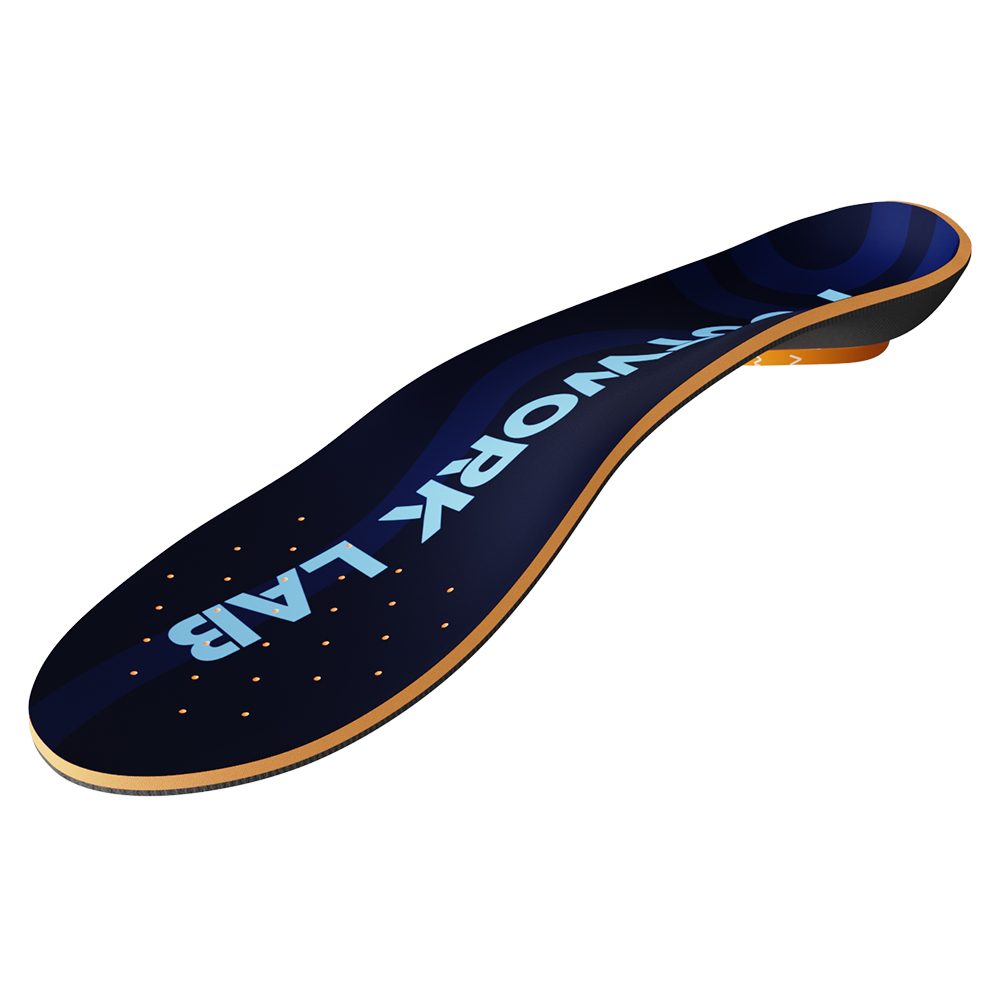
Turning a record into a product recommendation
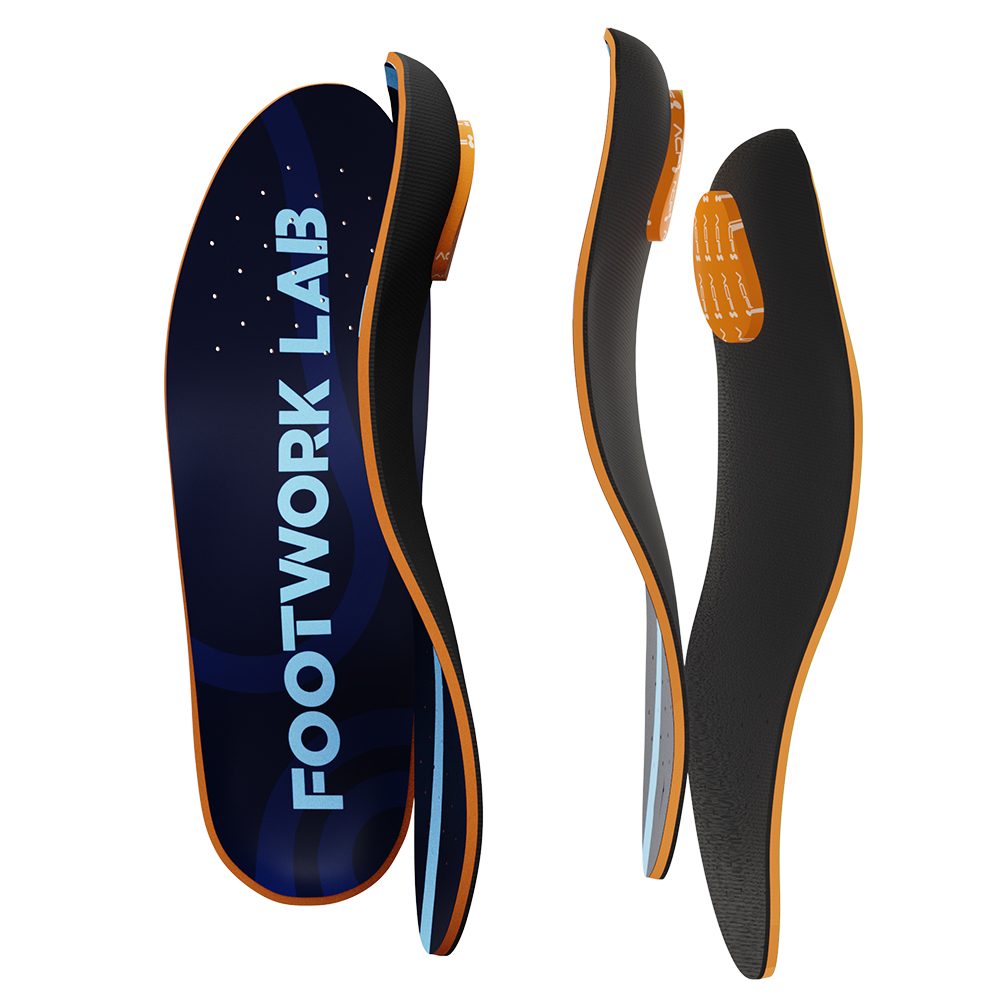
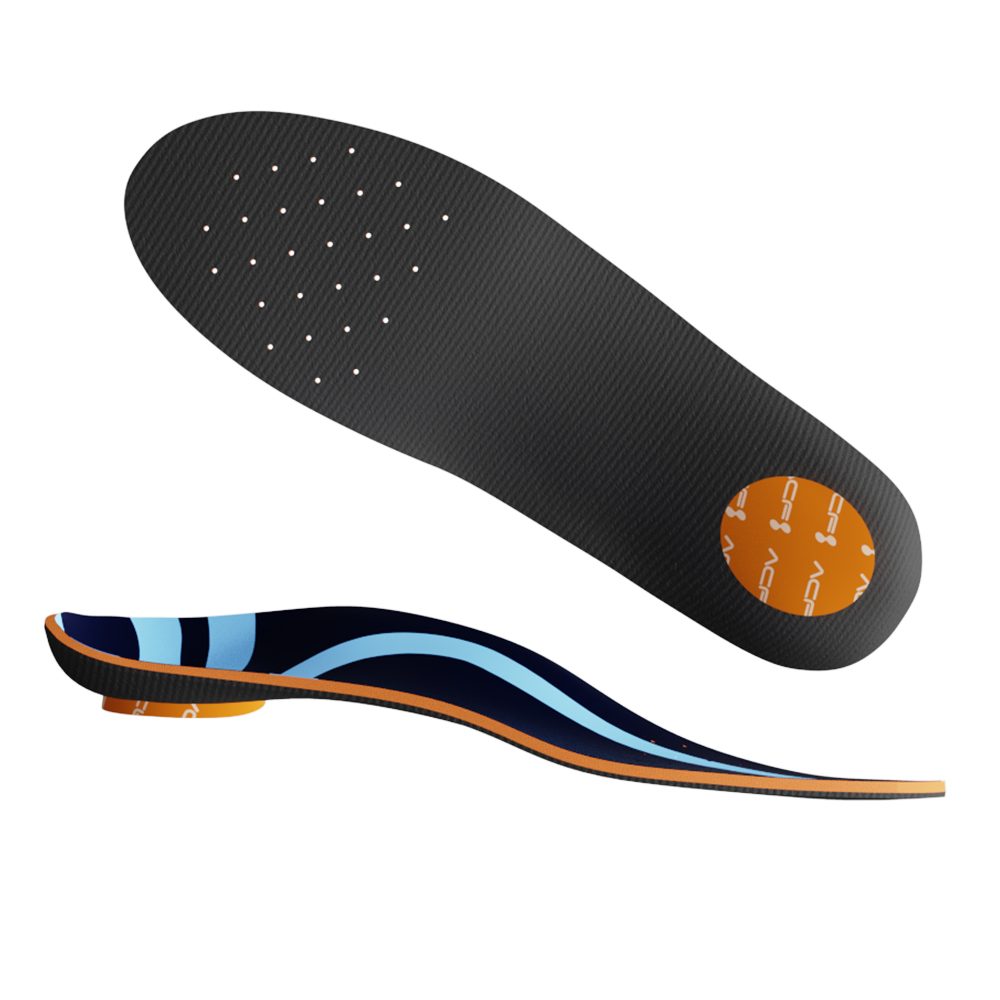
The bridge from record to product is a small mapping table: for each observation the screen can show, which products in the range are the sensible first options. Four observations and four products is usually enough. The table should be written by the shop’s most experienced fitter and reviewed when the range changes, not invented by whoever is on shift.
The table also protects against over-recommending. Where a scan suggests a case the range cannot serve, the table should say so and nominate the next step: a specification insole, a referral, or a colleague. A shop that has an honest answer for that situation keeps its credibility, and shops that do not tend to oversell their way into returns.
Records make the recommendation easier to explain a week later. When a customer returns saying the insole did not suit, a stored session lets the fitter revisit what was shown and what was recommended, rather than relying on memory. That single capability turns a complaint into a conversation, and it is worth more than an extra capture mode.
There is a second table worth writing: what not to recommend. Products that are regularly returned after a scan, or that consistently fail to fit the customers a station attracts, belong on a short list that staff can see. A shop that knows its own failure modes recommends better than one that only knows its bestsellers.
Staffing a station in a shop
A station needs an owner. One person who is accountable for the device being charged, clean, calibrated where applicable, and used. In a shop with turnover, the owner also trains the next person, and the training is a fifteen-minute session rather than a manual. Shops that name an owner have working equipment; shops that treat the device as everyone’s responsibility have a device with a flat battery.
Cover matters as much as ownership. A station that only works when one person is on shift is a station that works three days a week. The training should cover at least two people per shift pattern, and the script should be short enough to survive a busy Saturday, which is where a good first week turns into a habit.
Time is the third element. A two-minute scan fits into a fitting; a ten-minute session does not. If the shop wants a longer session, it needs an appointment product with its own price, and that is a different business model with its own staffing. Both are workable; mixing them produces a device used only on quiet afternoons.
Shift patterns matter more than contracts. A station staffed by one full-time person and three part-timers needs three trained part-timers, not one. Counting heads rather than hours is how shops end up with a device that works on weekdays and sleeps at weekends.
Measures that show whether it is working
Three measures are enough. How many scans per hundred customers, which is a usage number. What proportion of scanned customers buy an insole, which is a conversion number. And what proportion come back, which is the number that predicts next year. Usage, conversion, retention: a station that moves all three is working, and one that moves none is a fixture.
Usage is the first thing to fail and the easiest to fix. If scans per hundred customers drop, the cause is usually placement, staffing or a device that has stopped being charged. A weekly count on a sheet by the till catches that decline while it is still a habit problem rather than a technology problem.
Conversion should be measured against a baseline taken before the device arrived. Shops that install equipment without a baseline can only compare feelings. A month of data before installation is worth more than a year of opinion afterwards, and it costs nothing but a decision to write numbers down.
One measure is often enough to start with: scans per hundred customers, counted weekly. It is simple, it is visible, and it responds to placement and staffing changes within days. Conversion and retention are better measures and slower ones, and a shop that begins with all three usually abandons all three.
What the shop should not expect
A scanner does not sell insoles to customers who did not want to talk about their feet. It improves a conversation that was going to happen; it does not create one. Shops that expect the device to generate interest tend to be disappointed, while shops that use it to deepen an existing fitting conversation see the benefit immediately.
It does not replace a fitter’s judgement. The screen shows load and posture; the fitter knows the stock, the shoe and the customer. Devices that are sold as a substitute for experience produce shops where the screen is consulted and the customer is not, which is the fastest route to a return.
It does not stay calibrated or charged by itself. Every device in a retail environment needs a routine, and the routine needs an owner. That is the least glamorous part of the purchase and the one that decides whether the investment lasts more than a season.
It also does not fix a range that does not fit. Where the stock on the shelf cannot serve the customers a station attracts, the device will faithfully demonstrate the gap. Shops sometimes discover through a scanner that their range needs changing, which is a useful outcome and an uncomfortable one.
A rollout sequence for several shops
A chain should pilot in one shop before rolling out. Choose the shop with the most stable staffing and the clearest fitting area, run the station for a month with a baseline recorded, and only then decide the standard layout. Piloting in the busiest shop produces a test of the shop, not of the station.
The second step is writing the standard: placement, script, mapping table, owner, measures. A rollout without a standard produces a different station in every shop, and a group that cannot compare its own numbers. Writing the standard takes a day and saves a year of inconsistency.
The third step is training at each site rather than centrally. A fifteen-minute session on the actual floor, with the actual staff, using the actual stock, is worth more than an hour in a meeting room. Chains that train on site report higher usage within the first month, which is the only month that predicts the rest.
The fifth step is a review three months after rollout, with the same three numbers from every site. Chains that do this discover which shops are using the station and which are storing it, and the difference is almost always staffing rather than equipment — a fact worth knowing before the second order.
The fourth step is reviewing the pilot before rolling out. A month of numbers from one shop is a better guide than a year of enthusiasm from a supplier, and it usually changes at least one decision: the placement, the script, or the range.
Frequently asked questions
Where should a foot scanner be placed in a shoe shop?
On the natural path between the fitting seat and the stockroom, visible from the seat and stable underfoot. Placement decides usage more than any feature of the device, and moving a device later is cheaper than a station nobody uses.
How long does a scan take in a retail setting?
A two-minute session fits inside a normal fitting. Longer sessions need their own appointment product and pricing, which is a different business model with different staffing.
Do shop staff need clinical training to use it?
They need a short script and a clear boundary: describing what the screen shows is a retail act, while explaining what a customer’s feet need is not. A fifteen-minute on-site session covers both.
What should a shop measure?
Three numbers: scans per hundred customers, the proportion of scanned customers who buy an insole, and the proportion who return. A baseline month before installation makes all three meaningful.
Can one device serve several shops?
A device is usually fixed to one site. Chains should pilot in one shop, write a standard for placement and scripting, then roll out with on-site training at each location.
What warranty and support come with the equipment?
Twelve months against non-human damage with free replacement parts, seven days of testing before dispatch, training at installation, and support through a dedicated WhatsApp group with engineer access and remote assistance.
What we would do next
If you are planning a station in a shop, send us a photograph of the fitting area and the shop’s staffing pattern through our contact page. We will return a placement note and a draft two-minute script you can test.
Our insole categories page shows the ranges a station usually recommends, and the FAQ page covers warranty, support and transit.
This article is intended for professional and educational reference. It is not medical advice. Foot assessment equipment produces measurements and images; clinical interpretation and any decision about care remain the responsibility of a qualified professional. Certification scope is limited to the documentation we hold: European Union certification and ISO quality system certification.