
A specification that opens with a diagnosis usually closes with a device nobody can defend. The label tells a clinician what is going on. It tells a bench almost nothing about what to build, because a diagnosis is a summary of a condition and a specification is an instruction to make something that fits inside a particular shoe and survives a particular working day. Moving a label from the first document into the second loses nearly everything that decides whether the finished pair is used daily or left in a drawer after a fortnight.
A functional custom orthotic is a manufacturing term before it is a clinical one. On a production floor it describes how a device behaves under load: where it deforms when weight arrives, how much of that deformation returns when weight leaves, how the shell and the top cover move against each other, what happens at the edge where the trim meets the lining. Those are properties a bench can build to, test and repeat on the next order. They are not statements about a person’s condition, and treating them as though they were creates problems on both sides.
We build insoles to written specifications for clinics, therapy practices and distributors, and the same failure repeats across all three: a brief that names a condition and leaves the shoe until a follow-up message arrives a week later. By then a construction has usually been chosen. What follows is a way to write the brief the other way round, starting from use, moving through the shoe and the load, and arriving at a specification a plant can build from without needing a phone call to clarify what was meant.
Why a diagnosis is a poor instruction to build from
A diagnosis summarises a condition. A specification instructs somebody to make an object. The two belong to different conversations, and carrying a label from the first into the second drops almost everything that determines whether the result works: the shoe it goes inside, the hours it is worn, the load it meets, the volume available, the surface it rests on. A plant that receives only the label will build from the last similar order it made, and that order was probably for a different market, a different shoe and a different working week altogether. Nobody in that chain is being careless; the label simply does not carry the information.
Two people carrying the same label can need quite different devices, because their shoes and their days differ. One stands on concrete for a full shift inside a boot with a steel toe and a stiff sole unit. The other sits for most of the day and walks a short distance in a thin leather shoe. Identical wording on a brief produces identical devices, and one of the two recipients will find theirs unusable within a week of collection, usually without saying so and often by simply not wearing them again. A remake follows, the brief is unchanged, and the second pair repeats the first mistake.
This is not an argument against clinical language. It is an argument about where that language sits in the document. Put the clinical picture in a background note and put use in the specification section, and a bench can build from the page. Reverse the order, and the bench builds from a label, which means it builds from an assumption about a population rather than a description of a person and a shoe. The second version of the document is shorter, and it is far more useful to the person holding the shell. Length is not a virtue in a brief; specificity is.
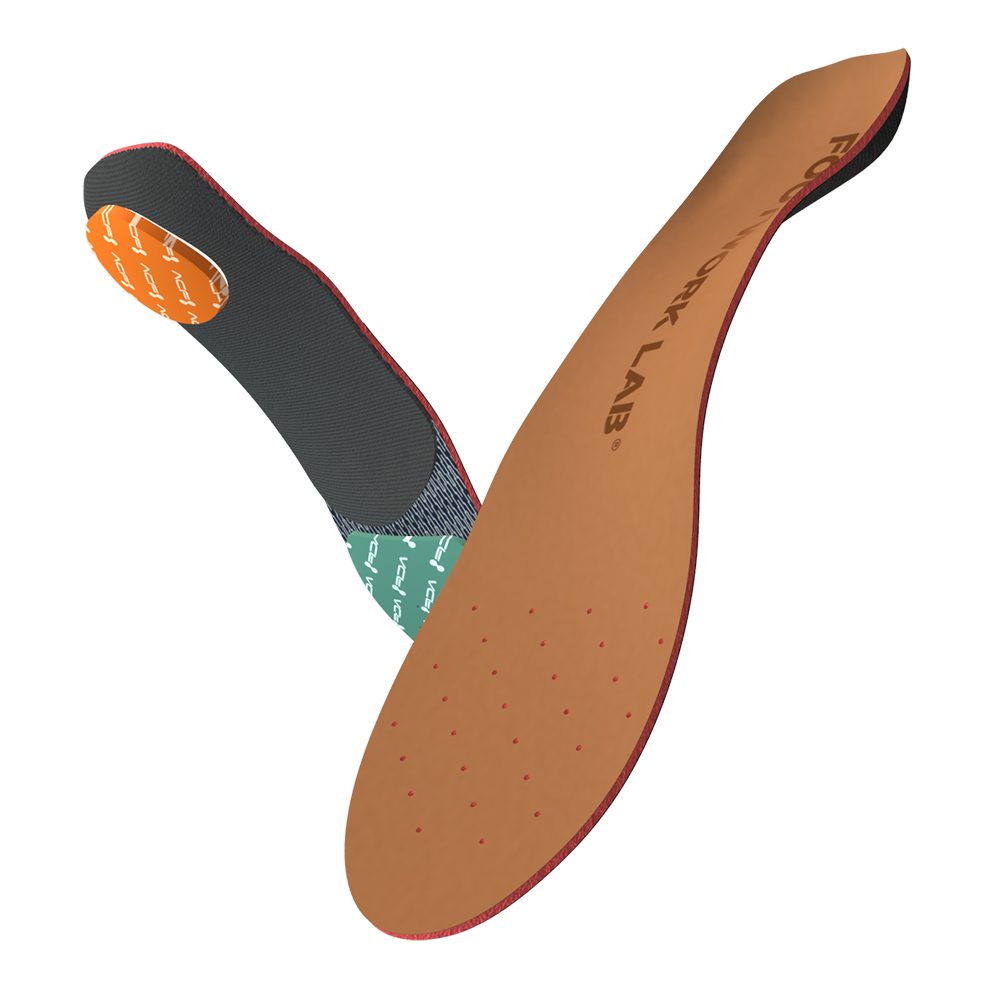
Three shoe contexts that change the requirement
A work boot sets the hardest constraint, and the constraint is volume rather than support. There is a steel toe, a stiff sole unit, a deep heel cup and often a site rule about what may sit beneath the foot. A device that fills the available space will crowd the toes; one that is too thin will do very little across a long shift. Heat and moisture belong in the brief as well, because together they decide which covers survive a season and which break down quietly at the heel where nobody looks until the wearer complains. A construction that survives a dry workshop will fail on a site where the boot is wet for most of a shift.
A running shoe is the opposite problem. The shoe flexes, the sole curves, and the removable sockliner defines the surface the device sits on. A device that ignores the flex pattern will change how the shoe rolls through a step, and the wearer feels that within a short distance rather than over a season. The shoe’s own liner is the reference geometry, so the brief should state whether it stays in place beneath the device or comes out to make room, and that single decision changes the construction more than any material choice. It also changes what the wearer feels under the arch on the first run, which is the test that decides the rest.
A dress shoe is a space problem before it is anything else. Shallow volume, a thin sole, a heel that offers little depth, and an appearance the wearer will not compromise for comfort. The device has to be thin, tidy at the edge and quiet underfoot, which rules out several constructions that would be perfectly reasonable in a boot. A brief that names a functional requirement without naming the shoe produces something that fits the foot and not the footwear, and the wearer notices within the first hour of wearing it. Nobody sends that pair back for a clinical reason, so the brief looks successful while the product stays in the cupboard.
What functional means on the production floor
In a production conversation, functional describes behaviour under load rather than a clinical purpose. Where the device deforms when weight arrives. How much of that deformation it recovers when weight leaves. How the shell and the top cover move against one another through a step. What happens at the edge where the trim meets the lining. Those are properties a bench can build to, a buyer can compare across suppliers, and a second order can reproduce without a new conversation about what was originally intended by the person who wrote the brief. That repeatability is the commercial value of the word.
Testing is unglamorous and specific. A flex cycle repeated until something changes. A compression held and then released to see what returns. A cover rubbed against a lining to see how it wears at the heel. A pair worn for a week by somebody who does the job the device is meant for. Each test produces a sentence that can go into a specification and be checked again next time, which is what turns a sample into a standard rather than a story about one good pair that happened to work. A supplier who cannot describe a test is describing an opinion. Nothing else in the document is worth as much as a test another person can repeat.
The word carries no promise about a person’s condition, and suppliers should be careful not to let it drift into one. Calling a device functional is a statement about mechanics and durability, and it can be evidenced with a test that anybody can repeat. Saying what it will do for a symptom is a clinical statement, and it belongs to the professional who assessed the person rather than to the plant that moulded the shell and glued the cover. Keeping those two sentences apart protects both parties in the conversation, and it also keeps the paperwork honest when a file is read by somebody who was not there.
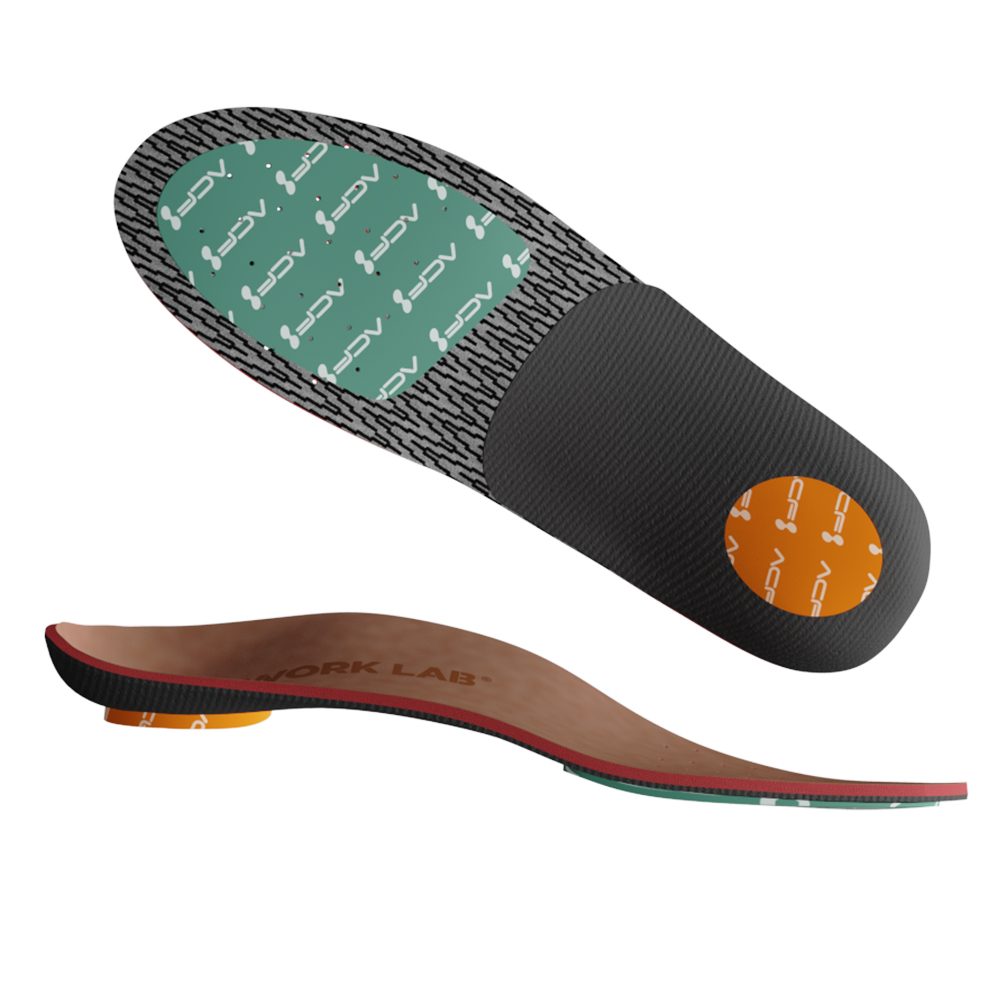
The lines a brief needs before anything is quoted
A brief that can be built from has six lines. The shoe, named precisely enough to be identified from a photograph. The wearer’s day, in hours and surfaces. The load expected, described in words rather than measured. The volume available inside the shoe. The contact surface the device will sit on. The lifespan expected before replacement. Those six lines settle most of the decisions that follow, including several a buyer has not yet thought about and would otherwise leave to the plant to resolve by habit. Habit is a poor substitute for a decision, and it is invisible in a quotation.
Two more lines are useful and frequently missing. The first is what the device must not do: not raise the heel, not change the toe box, not alter the fit of a shoe the wearer already owns and likes. The second is how the pair will be assessed after fitting, because a brief that names its own test can be revised on evidence rather than on opinion, and revision on evidence is what makes a second order measurably better than the first instead of merely newer. The assessment line is also what makes a complaint answerable six months later.
What the brief should not lead with is a label. A diagnosis in the first line invites a supplier to build to the label, and a supplier who does that is being obedient rather than useful. Put the label where it belongs, in a background note that says what the device is for, and let the six lines carry the instruction that the bench will actually work from. A supplier reading the short version asks better questions than one reading the long version and nodding. Questions are the cheapest quality control available to a buyer, and the order of the lines is the order of the thinking.
Material and thickness follow the shoe
Thickness is a volume decision before it is anything else. The shoe decides how much room exists between the foot and the sole unit, and that sets the ceiling for everything the plant can do. A brief that asks for a given thickness without naming the shoe is asking the plant to guess, and the plant will guess from the last order it ran, which may have been built for a completely different market and a different kind of footwear. Guessing is cheap at the quotation stage and expensive at the remake stage. The shoe is the only reliable source for the number the brief needs.
Stiffness behaves in the same way. A shell that is right for a boot will fight a flexible running shoe, and a shell that suits the running shoe will disappear inside a boot within a month. The useful question is not which material is stronger but which combination lets the shoe do its own job while the device does the work it was specified for. That question has an answer per shoe rather than per condition, which is why a supplier asks for the photograph before quoting anything at all. A photograph answers in seconds what three messages cannot.
Covers deserve their own line in the brief and rarely get one. Grip against the lining, moisture behaviour, abrasion at the heel, thickness at the edge, colour where the shoe is open. A cover chosen for comfort in a dress shoe will fail quickly in a boot, and a cover chosen for a boot will be visible and bulky in a low shoe. Naming the shoe context makes the choice obvious instead of a matter of taste, which is what it usually becomes when nobody writes it down. Written down, it becomes a line that can be checked on arrival rather than argued about after a complaint.
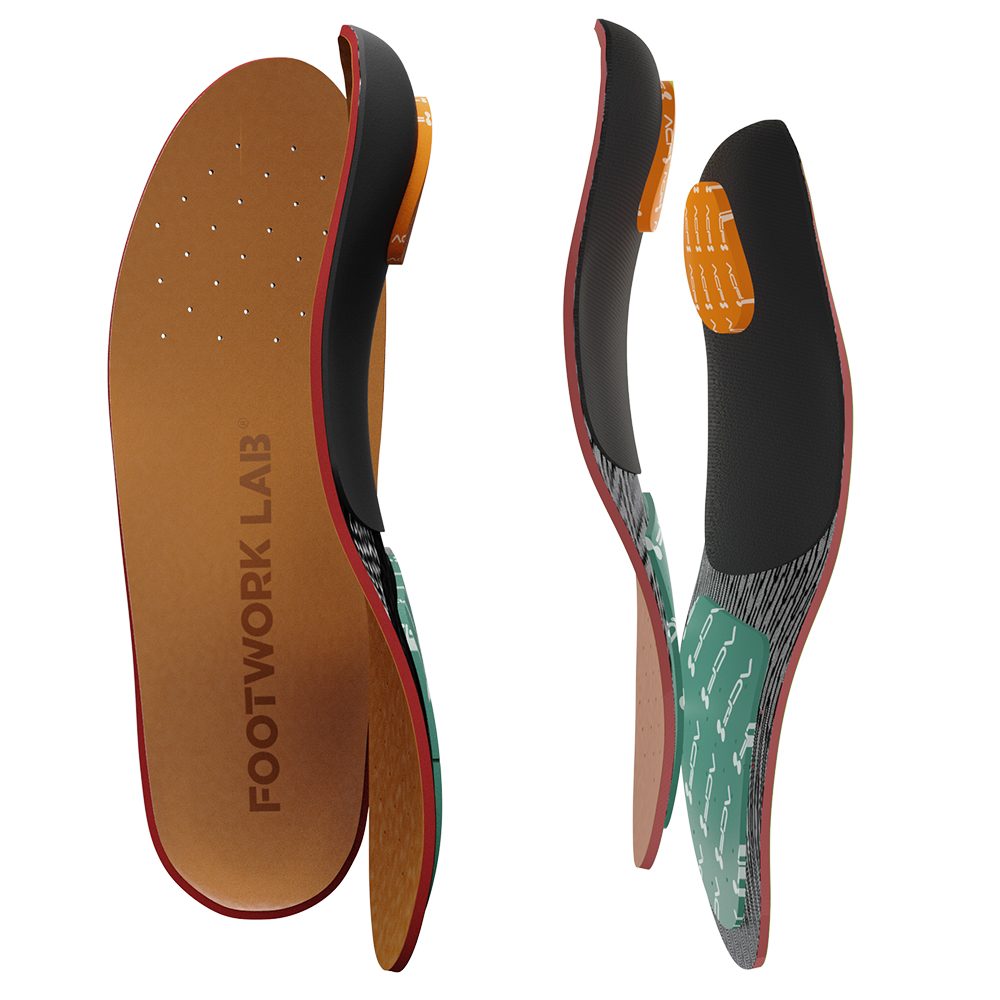
What a sample pair proves and what it cannot
A sample pair proves geometry. It shows whether the shape sits inside the shoe, whether the trim line clears the lining without catching, whether the heel cup seats without lifting, whether the cover survives a week of the wearer’s actual day. That is a great deal, and it justifies the wait, because geometry errors are the expensive ones and they are cheapest to find before a production run rather than after it has shipped to a distributor and been opened in front of a customer. Geometry is also the cheapest thing to correct, which is what makes a sample round good value.
It does not prove a season. A week of wear says very little about how a cover behaves in heat across several months, or how a shell recovers after a long run of loadings. It also says nothing about other sizes, because a shape that works at one end of a range can crowd the other. Sampling should therefore be judged as an answer to the first question, not as a verdict on the whole order or on the whole range of sizes it was meant to cover. Treating one sample as a verdict is how a first run goes wrong at scale.
The practical arrangement is a sample round followed by a first run, with the brief revised in between and the revision recorded rather than remembered. Our plant ships samples within three days of agreement and runs a two hundred pair minimum mixed across models and sizes, which lets a buyer test several shoe contexts inside one order instead of committing an entire run to a single guess about what a clinic will need next season. A mixed first run is also the fastest way to learn which construction a market actually accepts, and it costs the same as a single-model run.
Writing a brief your supplier can build from
One page, six lines, one photograph of the shoe interior with the removable sockliner laid beside it, and a note on what the wearer does all day. That document will outperform a longer one assembled around clinical vocabulary, because it answers the questions a bench actually asks in the order it asks them. It also travels well: the same page can go to a second supplier for comparison without any translation and without losing its meaning on the way there. Suppliers compare documents, and benches build from the clearest one they receive. Clarity travels better than detail.
It is worth asking the supplier what they would change and why. A supplier who asks about the shoe before quoting is reading the brief properly and will usually spot a constraint the buyer has missed. One who quotes straight from the label is not reading it at all, and the difference tends to show up in the first sample rather than in the quotation, which is the more expensive place to discover it and the harder one to argue about afterwards. The question costs nothing and sorts most quotations on its own.
Keep the brief versioned. A change made after a sample should be a line in a document rather than a sentence in a message, because the next order will be built from whatever the plant still holds on file. A brief with three revisions and dates attached is a record of why the current pair looks the way it does, and that record is the only thing that makes a repeat order genuinely repeatable across staff changes on either side of the order. Files outlive people, which is the point of keeping one. A file readable in a year is worth more than a conversation nobody can recall in a month.
Frequently asked questions
What makes an orthotic functional rather than custom?
Custom describes how it is made, from a record of a specific person. Functional describes how it behaves under load: where it deforms, how much it recovers, how the layers move together, how the edge behaves. A pair can be custom and poorly functional, which is why a brief should state the behaviour as well as the method.
Can you build from a diagnosis alone?
We can, but the result is a guess. A label does not tell a bench the shoe, the volume available, the hours worn or the surface walked on. Send the shoe, the wearer’s day and the expected lifespan, and the same order becomes specific enough to test and to repeat on the next run.
Do work boots and running shoes need different constructions?
Yes, and the difference is mostly volume. A boot accepts depth and needs a cover that survives heat and moisture. A running shoe flexes, so the device has to follow that flex pattern or it changes how the shoe rolls. A dress shoe constrains thickness and edge finish before anything else is considered.
How many pairs do we need to order?
Two hundred pairs, mixed across models and sizes, so a single order can cover several shoe contexts instead of committing everything to one construction. Samples ship within three days of agreement, and production capacity runs at roughly five hundred to one thousand pairs a day at our own plant in Ruichang.
What does a sample pair actually tell us?
It tells you whether the geometry works: whether the shape sits in the shoe, whether the trim clears the lining, whether the heel seats, whether the cover survives a week. It does not tell you how the cover behaves across a season, and it says little about other sizes in the range.
Can you work from our own design?
Yes. Insoles are supplied to ODM and OEM requirements, and the equipment is available to ODM as well. If you already have a construction, we will build to it and tell you where the specification is thin rather than quietly substituting our own preferences for yours.
How do we know the second order will match the first?
By keeping the brief versioned and by testing against it rather than against memory. A written specification with dated revisions, plus a retained sample pair, is what allows a plant to reproduce a construction after staff changes on either side of the order, which is when repeat orders usually begin to drift.
What we would do next
If you are writing a brief around a shoe rather than a label, send us the six lines and a photograph of the interior through our contact page. We will tell you which parts are buildable as written, which need a decision from you, and which would change the construction if we were making the pair ourselves and had to defend it to the person wearing it.
Our insoles are produced in Ruichang, built to a written specification, with a two hundred pair minimum mixed across models and sizes and samples leaving within three days of agreement. Insoles are supplied to ODM and OEM requirements, and the equipment that informs a specification is quoted on its own line, separately from the product, so the two decisions stay apart on paper and can be argued about one at a time.
This article is intended for professional and educational reference. It is not medical advice. Foot assessment equipment produces measurements and images; clinical interpretation and any decision about care remain the responsibility of a qualified professional. Certification scope is limited to the documentation we hold: European Union certification and ISO quality system certification.