
Walk into a fitting room where a customer leaves with a finished insole the same day. That is the picture most buyers carry when they search “insole molding machine”. On the FX program it is a repeatable flow rather than a single box: a foot detection record is captured, a blank is softened and shaped over a forming pillow, and the customer walks out with a support insole matched to how their foot loads. The same detection profile also feeds our factory line, where the identical build is produced by the hundred for distributors and retail chains. This article follows that one on-site flow node by node — capture, mold, produce, fit — so you can see which steps happen in your room and which happen at the Ruichang plant, and specify the right part of the program instead of guessing from the search phrase alone.
Capturing the foot before anything gets shaped
Every FX insole, whether formed in front of a customer or built on the factory floor, starts from one source: a foot detection record. The FX line is described in our manual as a biomechanically assessed custom insole, built on BODYFIT AI detection and assessment together with senthmetic flexible-fabric sensing technology. The data the detection station captures — arch type, how load spreads across the plantar surface, and lower-limb alignment — is what the workshop or the on-site set later translates into a physical insole.
The plantar surface is divided in the manual into ten anatomical zones: the metatarsal heads M1 through M5, the lateral and medial heel zones HL and HM, the midfoot MF, the great toe T1 and the lesser toes T2 to T5. The heavy-load zones the construction pays most attention to sit in M1 to M3 and in the heel zones HL and HM. That map is the reason a finished insole is shaped, not flat: the design follows where load actually concentrates.
At one Canton Fair booth, a clinic owner asked whether the pressure picture could be printed and carried into the fitting room. We showed the export on the X5 station — the useful point was that the detection record and the insole share one data language, so the same zones the system flags are the zones the forming set or the workshop builds around. The X5 is the manual’s named companion for the FX line, and that pairing is what keeps the on-site step and the factory step talking to each other instead of drifting apart.
A detection record is a set of measurements, not a verdict. It records that load concentrates in certain zones and that an arch presents in a certain type; it does not tell anyone what that means for a particular person’s care. The reading stays with the professional running the session, and the software wording is framed so it cannot be mistaken for a conclusion.
Molding the blank in the same visit
The on-site step is deliberately small. The modules that carry it — the X5, FMP, Q1P and X3 detection systems — each ship with the on-site customization set: a heating box, a shaping pillow set and a polymer shaping board. In a clinic or a retail room the customer is waiting, so the step has to be short and hard to get wrong: capture the foot with the detection system, soften the blank in the heating box, shape it over the pillow form, and hand the customer a finished insole before they leave.
The heating box warms the polymer shaping board so it can be formed; the shaping pillow set, with adult, child and auxiliary pieces, gives the form to shape against; and the polymer shaping board is the structural layer that holds the result. These three items appear in the package of every on-site module precisely because they are the physical moves that turn a detection record into an insole in the same visit. They form an insole in your room; they do not stand in for the factory line, where volume, grading and consistency are handled at scale.
Producing the same profile at the factory line
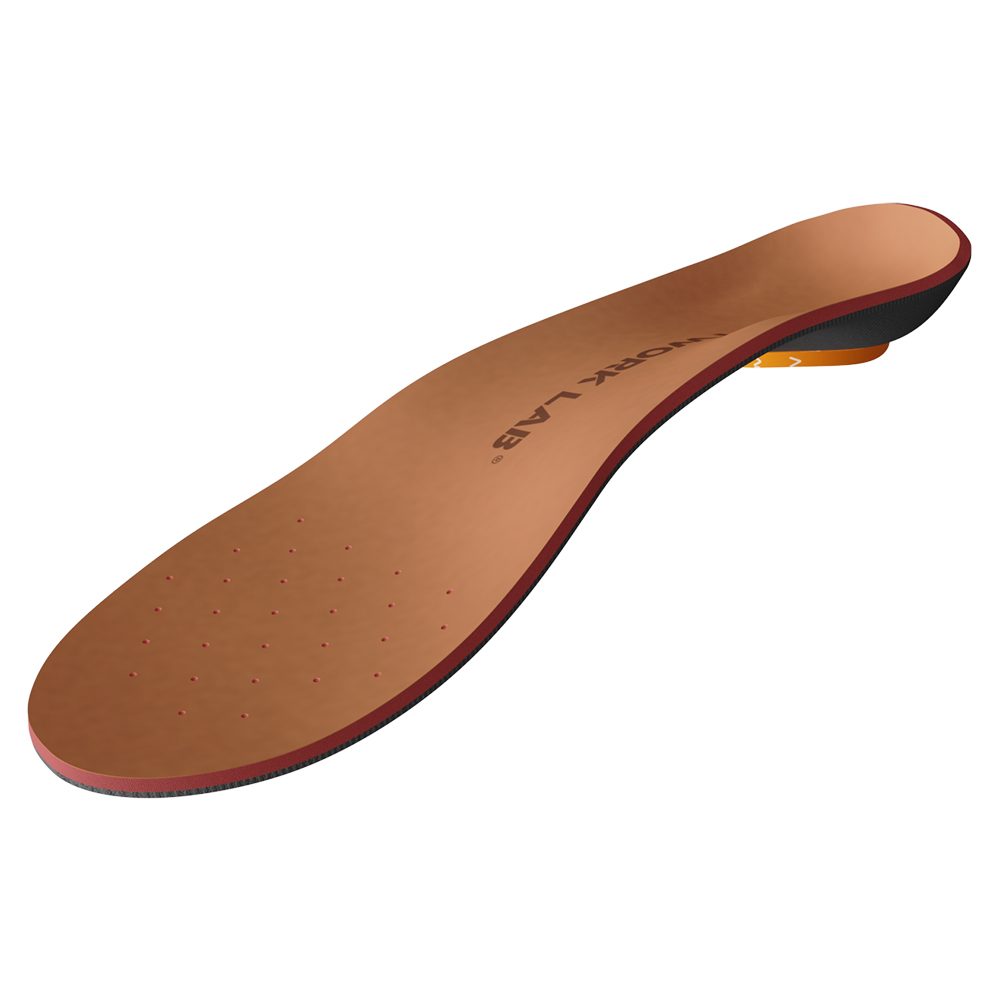
A distributor or a retail chain rarely wants one insole in front of one customer. They want hundreds, with styles and sizes mixed, built to a detection profile and shipped to a warehouse. That is the factory path, and it is where the FX line lives at volume. Detection data is translated into a production specification — a structural layer, a cushioning layer, a cover fabric and a grade — and the insoles are built in our Ruichang plant.
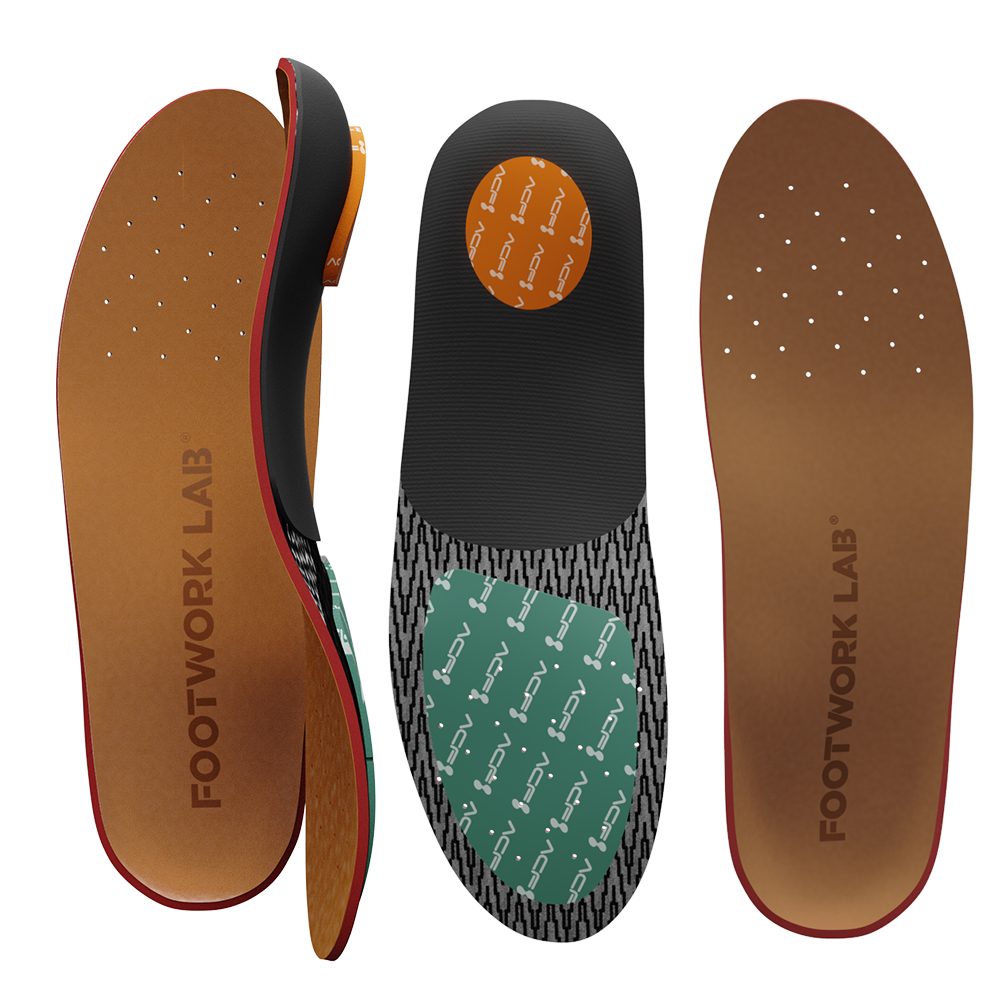
Four build grades apply whether the insole is made on site or in the factory. A Support grade speaks to arch and heel support; an Anti-torsion grade to midfoot stability; a Cushioning grade to impact under the heel and forefoot; a Starting-ability grade to the forefoot response at push-off. The grades are how a detection record and a finished insole keep referring to the same thing across both workflows. The structural materials named in the manual run from cover fabrics such as mesh and brushed leather, through an Osolite cushioning layer and an AQ polymer shaping support board, to XRD and ACF external cushioning components and a water-spun hot-melt adhesive base.
On the Ruichang production floor we run the 200-pair mixed minimum as a real batch size, not a negotiating start. A distributor can put three series — daily comfort, rehab care and sport — into one shipment and still hit the line’s efficient batch, because mixing styles and sizes is how the plant stays productive rather than stopping for a single skew. Samples ship within three days and the plant capacity runs around 500 to 1000 pairs per day, which is the part of the program a trading company cannot quote, because they hold no line of their own.
Within that factory path, thermoforming and prefabricated construction divide the work between them, and the split follows the order, not habit. A thermoformed pair — a blank softened in the heating line and shaped over the forming set to one individual’s detection record — belongs where the profile is specific and the count is small. A prefabricated, graded insole — built to a series, a size run and a build grade — belongs where a store needs stock on the shelf today, matched to the customer by size and grade rather than by an individual mold. Most real orders mix the two: graded base stock for the wall, thermoformed pairs for the customers whose detection record calls for a shaped build. Knowing which half of an order is which is what keeps a quote accurate and a delivery date honest.
The three-day sample also changes how a buyer can schedule around that split. Because a sample leaves the plant days after the profile is agreed, a distributor does not have to commit a season’s order to test a series; the sample goes into one store, the fitting feedback comes back, and the batch is confirmed with the season still ahead. We watched a buyer at the Hong Kong fair use exactly that gap — sample agreed at the booth, staff feedback within the fortnight, purchase order signed before the competitors had received their own samples. Building the three-day sample into a buying calendar is a quiet planning advantage the factory line offers, and it is one more thing a trading company cannot put on the table.
Fitting and rechecking once the insole is in the shoe
The flow does not end when the insole leaves the box. Whether formed on site or delivered from the factory, the useful next move is to place it in the shoe and recheck the foot on the detection system, so the customer sees the before-and-after of how load now sits. The same detection file that drove the build becomes the record you compare against, and that comparison is the connected workflow the X5 pairing is built for: one capture can trigger both a same-visit insole and a factory reorder without re-measuring the foot.
After delivery, support does not stop at a printed manual. A clinic in our WhatsApp support group once had an operator unsure why a graded insole felt different from a flat one; an engineer walked them through reading the grade label against the detection record, and the question turned out to be a fitting step, not a product fault. That is the after-sales shape we run — a dedicated technical team, remote sessions and over-the-air updates — and it is the part buyers underestimate when they judge an “insole molding machine” on the heating box alone.
In our pre-sales calls we keep hearing stores ask whether the on-site module removes the need for a factory reorder. It does not. The on-site set wins the appointment; the factory line fills the backstock. Buyers who treat them as competitors usually end up with one without the other, and the program underperforms both ways. Seeing them as one connected workflow — capture once, then choose on-site, factory, or both — is the specification that survives contact with a real order book.
Frequently asked questions
What does an on-site insole molding machine do in a clinic or store?
It forms a support insole during the appointment. A detection system captures the foot record, the heating box softens the polymer shaping board, and the shaping pillow set gives the form to shape against — so the customer leaves with a finished insole matched to their load pattern. The X5, FMP, Q1P and X3 detection systems each carry this on-site customization set.
How does the FX line connect to the detection systems?
Through a connected workflow built on the X5 pairing named in the manual. BODYFIT AI detection and assessment plus senthmetic flexible-fabric sensing technology capture the profile; the same file then drives either an on-site formation or a factory production order. The detection record and the insole share one data language, so a capture made in a store can also trigger a backstock reorder without re-measuring the foot.
What materials and build grades can it produce?
Four build grades describe every FX insole: Support for arch and heel support, Anti-torsion for midfoot stability, Cushioning for heel and forefoot impact, and Starting ability for forefoot push-off response. The structural materials named in the manual run from cover fabrics such as mesh and brushed leather, through an Osolite cushioning layer and an AQ polymer shaping support board, to XRD and ACF external cushioning components and a water-spun hot-melt adhesive base.
What is the production capacity and minimum order?
The insole minimum order is 200 pairs and can be mixed across series and sizes. We accept ODM and OEM. Samples ship within three days, and our Ruichang plant capacity runs around 500 to 1000 pairs per day. These are direct-factory terms — we are the manufacturer, not a trading company.
Is training provided and how is the equipment supported?
Support runs through our pre-sales consultation, a dedicated technical product team, and an after-sales group where engineers answer setup and fitting questions remotely, with over-the-air updates for the software. The on-site modules are simple enough to demo at a booth, but the backing — a real plant and a named support channel — is what keeps a clinic or store running the workflow after installation.
Does the molding machine treat or correct a foot condition?
No. It produces a support insole from an assessment record; it does not treat or correct a condition. The device records how the foot loads and aligns, and the insole is built to support and distribute that load. Any interpretation of the record, and any decision about a person’s care, remains with the qualified professional running the session.
What we would do next
If you are specifying an insole program, write down which steps happen in your room and which happen at our factory, then send us that split with your order size and target series. We will tell you whether the FX factory line, an on-site module, or both fit your business, and quote the terms that match. Our FAQ page carries the minimums, warranty and transit terms in full.
If you already run a fitting room, the on-site module and the factory reorder are not rivals. Send us one detection file from your current workflow and we will show where the same capture can drive both a same-visit insole and a backstock order, using the connected workflow the X5 pairing is built for. The FX insole categories page lays out the three series so you can pick the build grades before we talk numbers.
This article is intended for professional and educational reference. It is not medical advice. Foot assessment equipment and custom insoles produce measurements, support and load-distribution records; clinical interpretation and any decision about care remain the responsibility of a qualified professional. Certification scope is limited to the documentation we hold: European Union certification and ISO quality system certification.