
The phrase “orthopedic custom” turns up in three places that have nothing to do with each other: a search box, a purchase order, and an invoice. In the first it means “something made for my feet”. In the second it usually means “we are opening a fitting service and need the stock behind it”. In the third it is a line item that a finance department will query if the quantity does not match the deliveries. None of the three is a product you can put on a shelf. What the phrase describes is a sequence, run by a person, with a measurement at the front and a review visit at the back. The FX daily comfort series is the part of our range that most of these orders land on, so it makes a useful example of how the sequence actually runs.
A shelf insole is chosen from a size and a level. An orthopedic custom pair is chosen from a record: which foot, which shoe, which zones take load, which build grade, and when the pair will be looked at again. Take the record away and what remains is a shaped piece of foam with a story attached to it. That is the distinction this article is about — not the materials, but the work that happens around them.
Step one: the measurement starts with the shoe
Most first fittings go wrong at a point that has nothing to do with the foot. The customer arrives wearing one pair of shoes and describes a problem that occurs in another. The insole is then measured against the wrong interior: a different volume, a different heel counter, a different amount of room above the toes. The pair comes back a week later with a complaint that is really a description of the shoe.
So the first step is a documented decision about footwear. The daily comfort range is built for sports shoes, casual shoes and outdoor shoes, and within that range the leather-shoe build exists because a formal shoe is a different container: less depth over the instep, a stiffer sole, a narrower toe box. If the person spends nine hours in a formal shoe and one hour in trainers, the pair that matters is the one for the formal shoe, whatever the measurement was taken in. The FX series is specified around this, which is why the same foot measured for two different shoes produces two different briefs rather than one brief and an apology.
The measurement itself is short. Length and width on both feet, taken weight-bearing, with the longer foot governing length and each foot keeping its own width. In our pre-sales conversations, the question that reveals whether a buyer has done this before is not about the scanner — it is whether they ask what the customer was wearing when they walked in. A store that opens with that question ends up with far fewer remakes than one that opens with the machine.
Step two: the record an orthopedic custom pair is built from
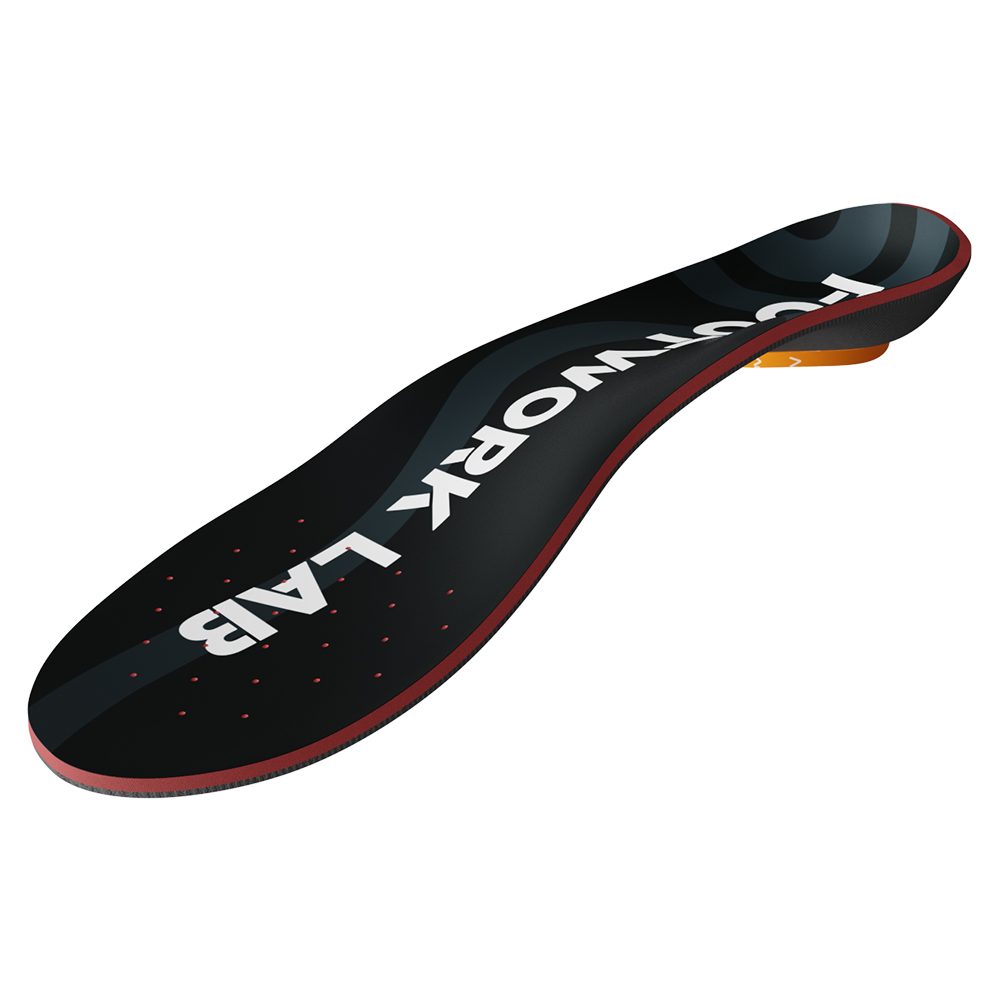
Once the foot and the shoe are both on the table, the record has to hold enough for someone else to build from it — a colleague, a factory, or the same fitter six months later. On this range the capture runs through BODYFIT AI assessment and senthmetic flexible-fabric sensing, and the series is designed to sit alongside the X5 foot and posture detection system, so load data and posture capture can enter the same file as the measurements. What matters is not the file format but the fields it carries:
- Which foot, which zones — the daily-walk build concentrates on the first three metatarsal heads, the lateral heel and the medial heel, because those are the areas that carry load in ordinary walking. The record should name the zones that drove the design.
- Which shoe, with the interior noted — including whether the original sockliner comes out, since that changes the volume available.
- Which build grade — support, anti-torsion, cushioning and starting ability are set separately, and the four numbers a fitter chooses are a specification, not a preference.
- Which use — daily walking, formal-shoe wear, or long hours standing, because the three daily comfort builds are optimised for different parts of the day.
- Which review date — a field most order sheets leave blank, and the one that decides whether the service has a second act.
At a trade show in Dubai a distributor asked us for a price list of “orthopedic custom” items with SKU codes, in the way he would order a range of sandals. We sent a fitting sheet instead, and the conversation changed shape once he saw it: his staff would be filling in fields, not picking codes. He ordered samples of three builds and tested them on his own counter staff for a month before committing to a stock order. That is the right order of events. The invoice line comes after the sheet, not before it.
The reason to be strict about the record is that it is the only thing that makes a remake cheap. A remake built from a size alone is a new guess. A remake built from the original record is a correction: one field changes, the rest stays. Every workshop we have walked through keeps its remakes in one of those two categories, and the split shows up in the margin long before it shows up in a complaint log.
Step three: the build grade, chosen from the record
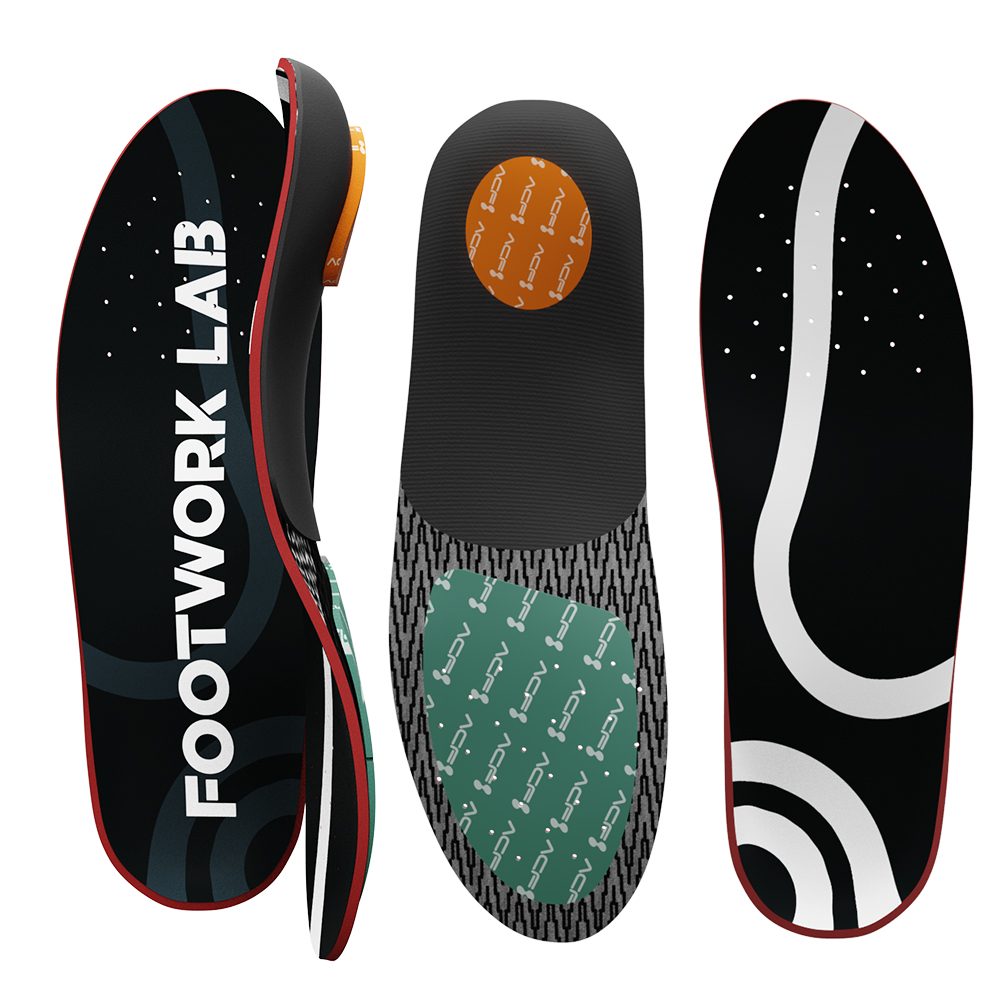
The daily comfort series has three builds, and buyers routinely treat them as three price points rather than three jobs. The daily-walk build is the general case: a shaped support under the arch, a top cover that manages moisture, and cushioning placed where walking puts load. The leather-shoe build changes the top cover to a suede finish and adds external cushioning at the heel and forefoot, because a formal shoe’s own sole gives back very little. The long-standing build puts its material under the arch and the heel and is intended for the person who is on their feet without walking much — a different load pattern from walking, and a different build.
Choosing between them is a reading exercise, not a sales one. A person who walks to work, stands at a counter for eight hours and changes into formal shoes twice a week needs one pair for the counter and one for the shoes, and telling them so is more useful than selling the top build twice. The four grades then set how the chosen build behaves: how much support the arch section gives, how much the plate resists torsion, how much cushioning sits under the heel and forefoot, and how much energy the forefoot returns at push-off. Those four are adjusted independently, which is the practical meaning of custom on this range — not a different shape for every customer, but a different combination of four decisions recorded against a name.
On the Ruichang line the build sheet is what the bench works from, and a sheet that says only “size 42, medium support” gets sent back before it reaches a bench. The reason is mundane: the pair is formed to the record, so a vague record produces a pair that fits nobody in particular and comes back as a remake. The floor runs on the same discipline as the fitting room, which is also why a sample pair ships within three days — the sheet has to be complete before the order enters the queue, so nothing waits on a question in the middle of production. Minimum order is 200 pairs, mixed styles and sizes, and ODM and OEM work is accepted on the same terms.
Steps four and five: delivery, wear-in and the review visit
Delivery is the point where the fitting service either closes or leaks. A pair handed over with no instructions becomes a pair the customer wears for ten hours on the first day, decides is uncomfortable, and puts in a drawer. The manual is explicit that the first days should be gradual, with wear time extended a little at a time, and that guidance belongs in the handover conversation rather than on a card in the box. It also states the working life plainly: four to six months of daily wear, shorter under heavy use, because the support and cushioning both change with time. Telling a customer that at the handover is what makes the review visit welcome rather than suspicious.
The review is the step that turns a sale into a service. Same shoe, same time of day, same stances as the first visit, and the original record open beside the new one. What the fitter is looking for is not a score but a difference: whether the load has moved, whether the wear pattern on the top cover matches where the record said load would sit, whether the customer’s description of the day has changed. On a support call, one store could not understand why a remake felt different from the original pair; the records showed the second measurement had been taken in a different shoe with the customer standing differently, so the two pairs had been built to two different briefs. Nothing was wrong with either pair. The process had a gap, and the gap was in step one.
That is the whole argument for treating the phrase as a service. The measurement, the record, the build choice, the handover and the review are five steps, and the pair of insoles is the visible part of one of them. A buyer who plans the five steps sells a fitting service that can be repeated. A buyer who plans only the product ends up with a shelf of shapes and a drawer of remakes, and no way to tell which customer the next pair is for.
Frequently asked questions
What does orthopedic custom mean in an insole order?
It describes a pair built from an individual record rather than picked from a size range: a measurement of both feet, the shoe the pair will sit in, the zones that carry load, and a chosen combination of support, anti-torsion, cushioning and starting ability. The record is what makes the pair specific to a person and repeatable at a review.
How many visits does a fitting take?
Two in the normal case: one to measure, record and choose the build, and one to review the pair against the original record. The pair itself can be delivered between them, and where the equipment is on site a formed pair can leave with the customer on the first visit.
Which FX daily comfort build suits a person who stands all day?
The long-standing build, which places its support under the arch and the heel for a load pattern dominated by standing rather than walking. A person who also walks a lot in formal shoes usually needs a second pair in the leather-shoe build, since the shoe itself changes what the insole has to do.
What are the four grades and who sets them?
Support, anti-torsion, cushioning and starting ability. The fitter sets them from the record and the intended use, and they are adjusted independently, so two customers with the same foot length can receive quite different pairs. The grades are part of the specification, not a marketing tier.
How long does a pair last, and when should it be replaced?
The manual gives four to six months for daily wear, with a shorter life under heavy use, because both the support and the cushioning change over time. The review visit is the natural moment to decide, since the wear pattern and the record can be compared together.
What are the order terms for a retailer or clinic?
Minimum order is 200 pairs, mixed styles and sizes accepted, with ODM and OEM work available. Sample pairs ship within three days, and capacity on the insole line runs at roughly 500 to 1000 pairs a day. Equipment orders are separate and start at one unit.
What we would do next
If you are building a fitting service, write the five steps down as they would run in your own room and mark the ones you cannot staff yet. Send us that outline with the shoe types you sell most and the number of fittings you expect in a week, and we will tell you which builds cover the demand and where a second build is doing work the first one cannot. Our FAQ page carries order, sample and transit terms in full.
If you already fit insoles and remakes are the problem, send us your current order sheet. We will mark the fields that a bench cannot build from. The range itself is described on the insole categories page.
This article is intended for professional and educational reference. It is not medical advice. Custom insoles are built to a measurement record and provide support, alignment and load distribution; clinical interpretation and any decision about care remain the responsibility of a qualified professional. Certification scope is limited to the documentation we hold: European Union certification and ISO quality system certification.