
A buyer sends a message with a screenshot of a listing and one line underneath: is this the whole thing, or do I need something else as well? The listing is titled with a phrase that reads like a single product — the kind of phrase that begins with a verb, mentions an insole and ends with a scanning term — and the photograph shows a machine that could plausibly be either half of the process. The answer takes a paragraph, because the phrase describes two purchases that are made separately, delivered separately and fail separately, and no listing that uses it as a headline has an incentive to say so.
So this article separates them. First, on the first screen, the vocabulary: the scanning word in that phrase is a search term rather than a description of our equipment, and it is worth being blunt about that before anything else is discussed. Then the two halves — a device that records a foot, a machine that forms an insole — what each one is verified against, how the pairing changes a visit, and which parts of the combination we will not put into a single quotation. It is written from the factory side, by a company that sells both halves and has watched buyers overpay for one of them.
One phrase, two purchases
Buyers type the phrase as a single object because the market presents it as one. A listing that says the machine does the whole job is easier to click than two listings that each explain a stage, and the search engine rewards the shorter promise. But a foot record and a formed pair are produced by different machines, in different rooms, by people with different training, and the fact that a supplier sells both does not make them one device. It makes them one supplier.
The scanning word deserves its own paragraph, and here it is. Buyers type it because it is the word the market has attached to foot equipment for a decade, and listings use it because it is what gets found. What our systems actually do is record pressure distribution and alignment: a sensing surface under the foot, cameras capturing lower-limb and posture alignment, software assembling the findings into a report. They do not capture the outer shape of the foot and they do not produce a surface model. A buyer who needs a shape file for a carving workflow is shopping in a different category, and should say so in the first message rather than the fifth.
Once that is clear, the phrase becomes useful rather than misleading, because it names the two stages a custom insole actually passes through. Something has to describe the foot, and something has to make the pair. Whether the describing is done by a plate, a mat, a camera rig or a shaped bench is a separate question, and so is whether the making is done by a press, a moulding bench or a supplier three hundred miles away. Two stages, several ways to cover each, one phrase that hides all of it.
The practical consequence is a question buyers should ask before any demonstration: which of these two am I buying today, and which am I planning to buy later? A shop that answers that honestly usually ends up spending less, because it stops trying to solve both stages with one purchase and starts choosing the stage that limits it. Very often that is the recording stage, since a bench with no record is a bench guessing.
Why the halves are usually bought separately
The two purchases have different economics. A recording device is a capital item bought once and used for years, and its value grows with the number of sessions rather than the number of pairs. A forming setup is closer to a production tool: it is bought against a volume, and its value depends on how many pairs pass over it in a week. One is justified by appointments, the other by orders, and a shop that has one without the other is not half-equipped — it is a different kind of business.
They also fail differently. A recording device fails by not being used, usually because the session around it was never designed, and the symptom is a machine under a cover. A forming setup fails by producing pairs that come back, usually because the finishing and inspection stages were undersized, and the symptom is a remake pile. Neither failure is visible in a specification sheet, and neither is fixed by buying the other half.
There is a supply reason as well. Recording equipment and forming equipment are made by different manufacturers with different specialisms, and the companies that sell both are usually assembling a package rather than building every component. We are in that position: we build the systems we sell, and we also supply the insole line, and the two are separate products with separate commissioning. A buyer should expect to hear that, and should be wary of a supplier who describes a single box that does everything without naming what is inside it.
The sequence in which they are bought matters less than most buyers think. Some shops record first and outsource forming for a year; some buy a bench first because they already have a clinician referring work; some run for years with neither and simply stock a factory-made range. All three are legitimate. What is not legitimate is buying a forming setup to solve a problem that only a record can answer, which is the most common version of this mistake.
Verifying the capture half
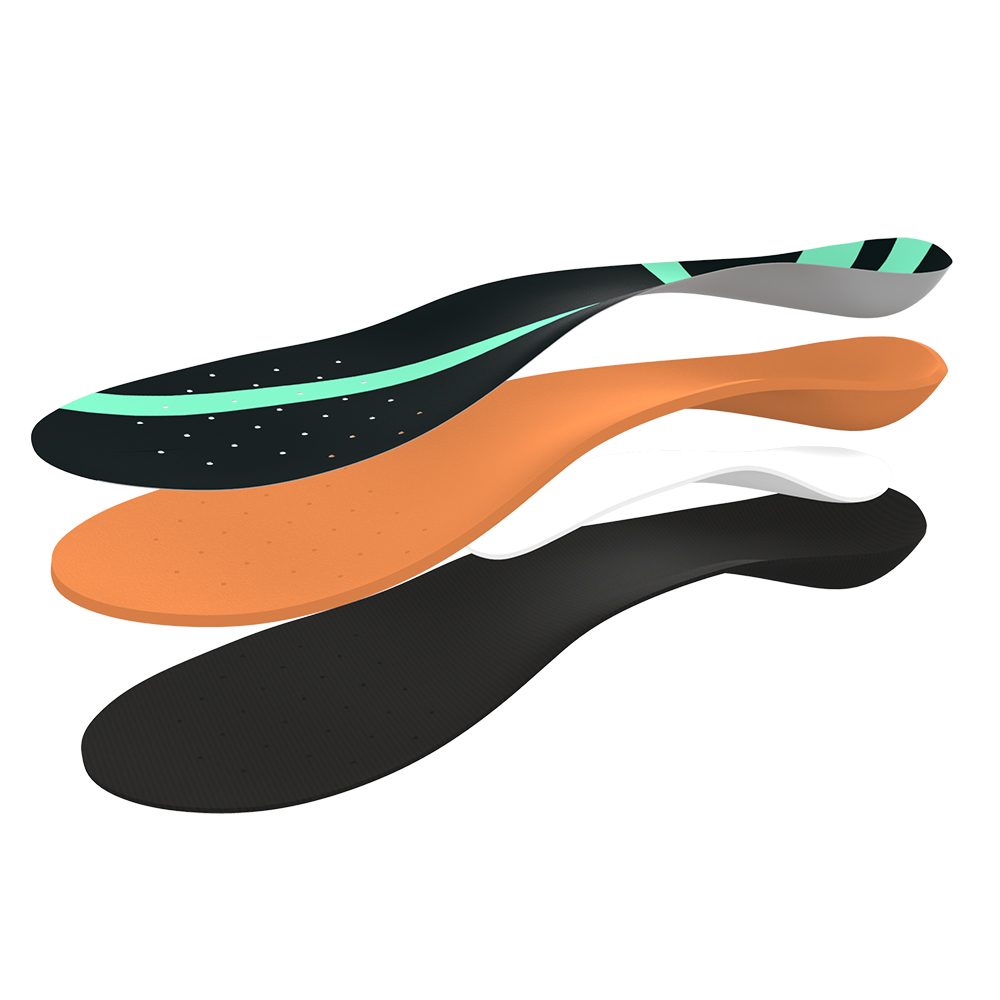
Start with the item list. Ask the supplier to name, in their own words, the quantities the report carries — contact area, load distribution, foot axis angle, the split between contact and flat phases, peak and mean pressure, centre-of-pressure travel, the alignment images. A supplier who can produce that list without looking it up is selling a record. A supplier who answers with adjectives is selling a category, and the difference shows up in the first week of use.
Then ask about the routine. A record is only worth what a second record can be compared against, and comparison depends on the session being run the same way each time: same stance instruction, same number of crossings, same starting foot, same position in the room. A supplier who has thought about this will describe a routine unprompted. One who has not will describe features, because features are easier to talk about than discipline.
Ask who reads the output, and listen for whether the answer includes anyone outside the supplier’s own company. Every report we produce carries a line stating that the data is for reference and that clinical interpretation belongs to a qualified professional, and a supplier whose marketing implies the machine makes the judgement is telling you something about how they will behave after the invoice. The equipment supplies evidence. Somebody with a qualification supplies meaning.
Finally, ask what happens to the file. Can it be exported, in what form, does it travel with the customer, does it stay on the machine, can it be printed at the counter? In a shop the report is what the customer takes away, and a system that treats export as an afterthought is a system that has not understood the transaction. This is also the question that separates a device built for a clinic from one built for a counter, and the answers differ more than the photographs suggest.
Verifying the forming half
The forming half begins with a question about the mould, because buyers use the word for two different things. A shaping pillow carries a contour family — an arch profile, a heel cup depth, a forefoot attitude — and lets an operator form a pair in minutes with no carving and no storage. An individual positive model carries one foot’s specifics, and costs time, equipment and a naming system that survives staff turnover. Which one a machine expects decides the workflow around it.
The cycle itself is short and unglamorous: heat the blank until it is workable, position it over the mould, form it under pressure while it cools, let it set. The variables are temperature, time and pressure, and the important thing is not their values but their consistency. Most forming faults are schedule faults — a blank pulled early because the queue was building, a pair lifted before it set — and they present as machine problems for the first month.
Finishing is where the labour actually sits, and where buyers consistently under-plan. A formed blank still has to be trimmed to its outline, have its edges dressed, take its cover and pass an inspection against a written specification. In a small workshop those steps take longer than the forming, and they scale with people rather than with equipment. A buyer counting press cycles and multiplying will arrive at a daily figure that no bench has ever produced.
Inspection closes the loop and decides who owns the remake. Four questions, asked every time: does the contour match the specification at the arch and heel, is the outline inside the intended shoe and size, is the cover bonded at the edge, do the two sides match each other. With a written specification on the bench, that is a minute’s work. Without one, inspection becomes an opinion, and opinions change with whoever is holding the pair.
How the pairing changes the visit
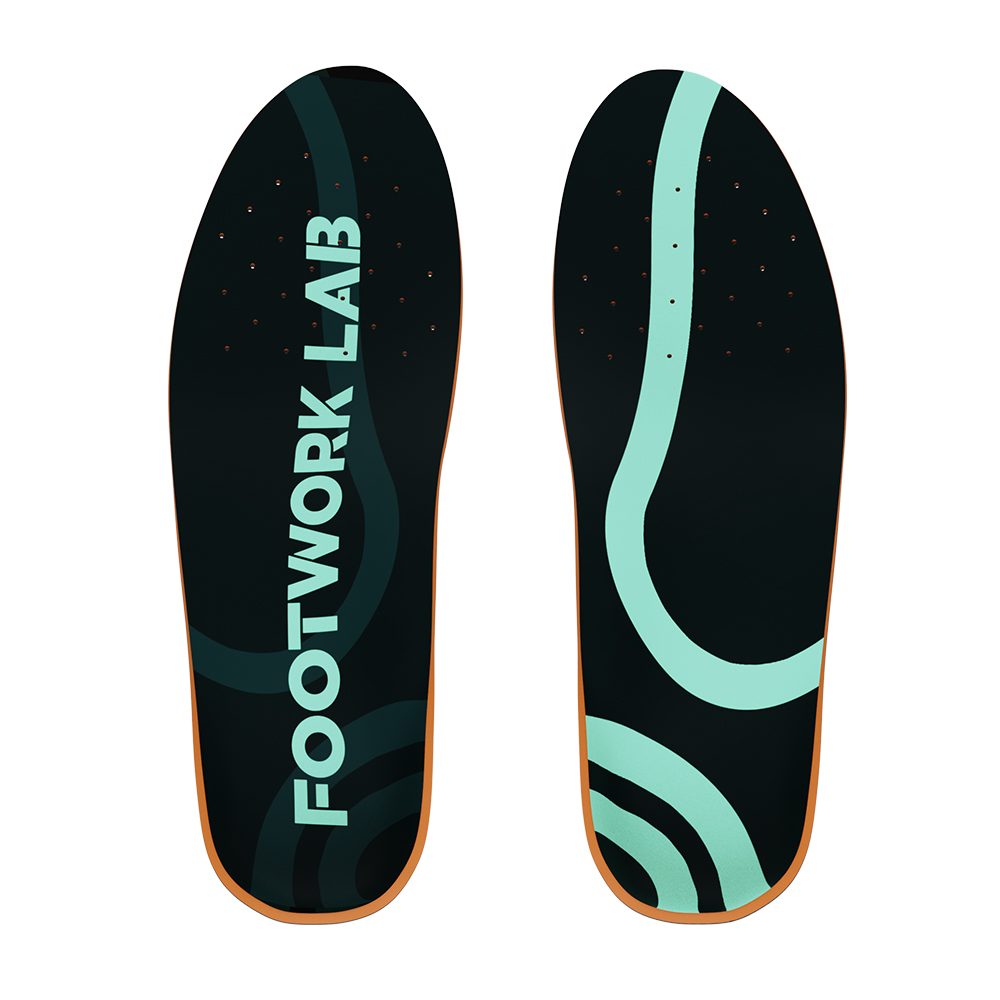
When both halves are present, the appointment changes shape. The record is taken first, the build is chosen against it, and the pair is formed while the customer is still in the room — which means the whole sequence has to fit inside a slot the customer will tolerate. That constraint is the real argument for on-site forming, and also the reason a shop with a slow finishing bench should not promise it.
The visible part is short and worth letting people watch. A customer who sees a blank soften, take a contour and cool understands what they are paying for in a way no explanation achieves, and the pair they watched being made is a pair they are slower to complain about. What they should not watch is a rushed cooling, because the arch that relaxes while they are still looking at it is the one they will judge the whole visit by.
The record earns its place in the same visit by answering the question the customer actually came with, which is rarely the question on the poster. A person who walked in asking for a softer insole often leaves with a conversation about how their foot loads, and a person who came for a fitting often leaves with a record they will bring back next season. That second visit is the commercial point of the pairing, and it is the part no listing mentions.
Where the two halves are in different buildings — recording at the shop, forming at a factory — the visit still works, provided the record is complete enough to build from and the shop is honest about the wait. Our insole side ships samples within three days and runs at roughly five hundred to a thousand pairs on a working day, with a minimum of two hundred pairs mixed across styles and sizes. What the shop gives up in immediacy it gains in not owning a bench, and plenty of shops prefer it that way.
What we will not put in one quotation
We will not quote the phrase as though it were one product. A quotation from us names the recording system, its components and its commissioning as one item, and — if the buyer wants it — the forming equipment as a separate item with its own terms. Buyers who ask for a single figure covering everything will get a single figure by addition, not a discount for the phrase, and the line items will still be there when the invoice arrives.
We will not put numbers on capacity as though they were a business case. Machine production runs at three to five units a day on our floor, and the insole plant at five hundred to a thousand pairs, but those figures describe our operation, not the buyer’s. A shop forming six pairs on a Tuesday is not a scaled-down factory; it is a service business with a bench, and its economics are appointment economics. A throughput figure without the order book beside it is a marketing number.
We will not describe a 3D word as a feature of our equipment, because it is not one. The phrase belongs to the search bar and to the market’s habit of naming a category by its most impressive-sounding attribute. What we sell is a pressure and alignment record, and a forming bench that turns a specification into a pair. A buyer who needs the outer shape of the foot captured as geometry should be told, in the first conversation, that this is not what our systems do.
And we will not promise that buying both halves turns an appointment book into a production business. What we will do is walk the two halves separately with a buyer — what each is verified against, what it costs to run, what it needs in floor and people — and say which one is the constraint. Sometimes the answer is neither, and the shop should keep buying finished pairs from us for another year. That answer costs us a sale and saves a relationship, which is the correct trade at our size.
Frequently asked questions
Is the phrase describing one machine or two?
Two purchases. One device records the foot; another forms the insole. They are made by different manufacturers, delivered separately and verified against different things. A supplier who sells both is a single source, not a single product, and the quotation should show the two lines.
Does your equipment capture the shape of the foot?
No. Our systems record pressure distribution and alignment: a sensing surface under the foot, cameras for lower-limb and posture alignment, and software that assembles a report. The scanning word in the search phrase is a market term, not a description of what our equipment produces.
Which half should a shop buy first?
Whichever one is the constraint. A shop with no record is guessing at builds, so the recording device usually comes first. A shop already receiving referred work with specifications may need the bench first. Many shops run for years with neither and stock a finished range.
What should be verified about the forming half?
The mould type, the forming cycle and its consistency, who performs the finishing, and what the inspection checks against. Four inspection questions and a written specification turn a remake into a procedure rather than an argument.
Can the two halves be in different buildings?
Yes, and many are. Recording at the shop and forming at a factory works if the record is complete enough to build from and the wait is stated honestly. It gives up immediacy and keeps the bench off the balance sheet.
What are the order terms for each half?
Machines start at one unit and accept ODM, with seven days of testing at the plant before dispatch and a twelve-month warranty against non-human damage. Insole orders start at two hundred pairs, mixed styles and sizes, with samples shipped within three days.
Can a buyer see both in operation before ordering?
Ask for a session on the recording system and a sample pair from the forming side, and read the report from the first against the specification of the second. Seeing them as two documents, rather than as one demonstration, is what makes the phrase stop being confusing.
What we would do next
Write the phrase on one line and put two headings under it: what describes the foot, what makes the pair. Then note, beside each, what you already own and what you are planning to buy this year. Send that page through the contact page and we will answer it line by line, including where a stage can be outsourced instead of bought.
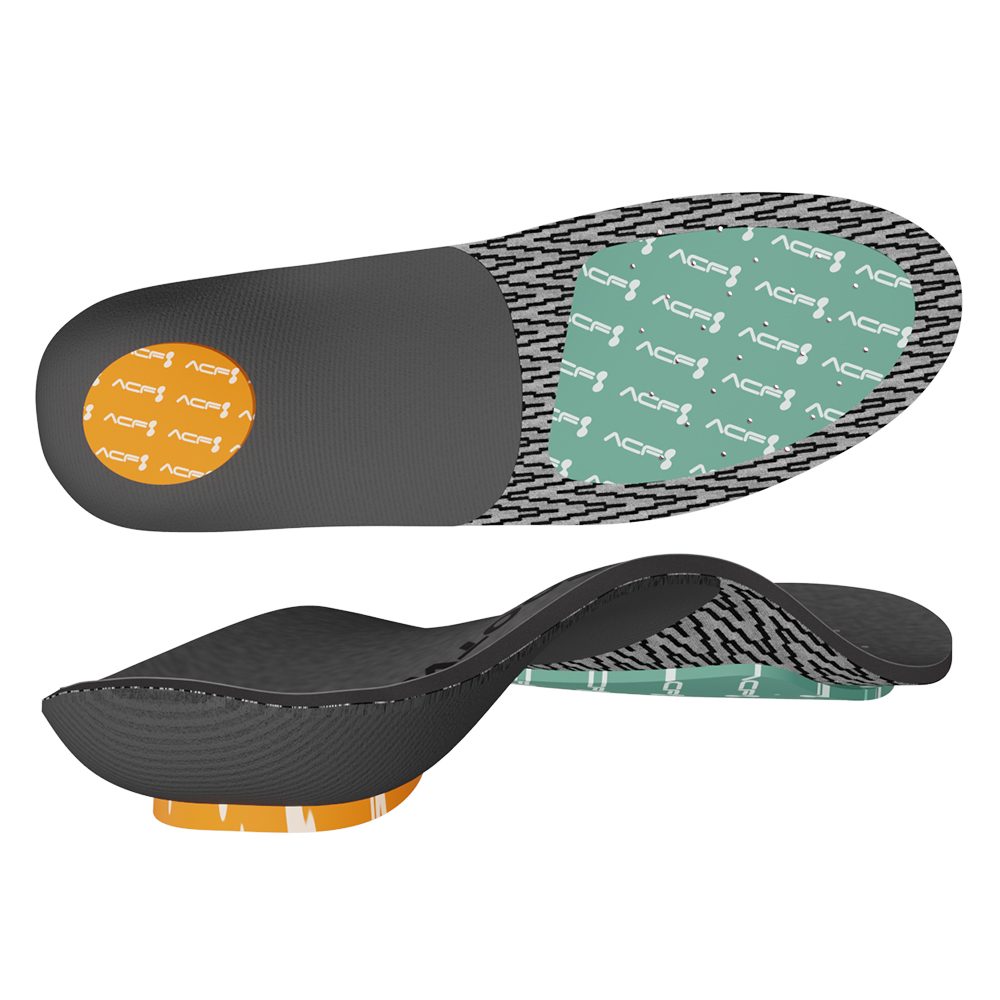
The insole range page shows what the forming side actually produces — three series and four gradings — which is the specification a record is translated into. A 3D insole machine listing takes the same phrase apart from the listing side, and custom fit insole machines describes what changes when the bench is arranged for appointments rather than volume.
Two more go deeper on the second half. A fit insole machine still needs a fitter explains why the bench does not replace the person at it, and a custom insole machine line from the inside follows the same stages when they are arranged for continuous production. Read together, they answer the question the screenshot could not.
This article is intended for professional and educational reference. It is not medical advice. Foot assessment equipment produces measurements and images; clinical interpretation and any decision about care remain the responsibility of a qualified professional. Certification scope is limited to the documentation we hold: European Union certification and ISO quality system certification.