
Two buyers stand at the same stand on the same morning and describe the same profession in different words: one says podología, the other says podiatry, and both are surprised the other’s word exists. The first is a distributor from a Latin American market where the profession is written with an accent and a tilde; the second is a clinic manager from an English-speaking market who has never needed the Spanish word. They want, on inspection, the same things — a record of the foot, a range to feed it, and a supplier who knows where his own competence stops. What differs is how they search, what they type into a supplier’s website at eleven at night, and which language the paperwork of their practice lives in. This article takes that vocabulary pair apart: what podología and podiatry each cover, why the words arrive at our inbox attached to very different orders, what stays identical in the record whichever side of the language line the buyer is on, and where interpretation stops being the supplier’s business and starts being the professional’s. It is written from the factory side, by a company that sells the record and the insoles into both vocabularies and has learned not to confuse a spelling difference with a requirements difference.
One profession, two vocabularies, and a search bar in between
Podología and podiatry name the same profession. Spanish writes it with an accent — podología — and derives its practitioner as podólogo or podóloga; English writes podiatry and its practitioner as podiatrist. The clinical training behind each word differs from country to country, as it does within the English-speaking world, but the object of the work is shared: the foot, the ankle, the way a person stands and walks on them. A buyer searching in either language is shopping in the same category, and a supplier who treats the two spellings as two markets will price and quote the same thing twice.
Search engines do not merge the vocabularies, and that is where the practical difference begins. A buyer in a Spanish-dominant market types podología, podólogo, plantillas — and finds content written for those words. A buyer in an English-dominant market types podiatry, podiatrist, foot assessment — and finds a different set of pages. Suppliers who only write one vocabulary are invisible to half their market, which is why our own catalogue now answers both spellings, and why this article exists: if you arrived here through either word, you are in the right category.
The vocabulary also carries history that a buyer should know before comparing catalogues. In several countries the regulated title is one word while the trade around it uses another; a shop selling foot care products may call itself by the professional word without any professionally trained staff behind the counter. A distributor entering a new market should ask which words are protected titles and which are shopfront vocabulary, because the answer changes who they can sell to and what claims their own marketing may carry.
None of this changes what we manufacture, which is worth saying early. Our systems record pressure and alignment; our insoles are built to a specification. Both are inputs to a professional’s work, whether that professional’s business card says podólogo or podiatrist. The equipment does not care about the accent, and the factory does not diagnose under either vocabulary.
What the two buyer groups actually ask for, and how the orders differ
The Spanish-language buyer usually arrives with a replenishment question. A large share of the enquiries that come through the podología spelling are from shops and clinics that already serve walk-in customers and need stock: a daily range, a care range, sizes across a curve, mixed cases that can sit on a shelf. The equipment question comes later, if it comes at all, once the counter proves it can sell the range. Quotations for these buyers lead with pairs, cases and the rhythm of resupply.
The English-language podiatry buyer more often leads with the record. A clinic wants the document first — what a session captures, what the report looks like, whether two visits can be set side by side — and builds the product range around the record once the assessment room is running. Quotations for these buyers lead with the system, its routine and its support, and the first insole order follows the first month of sessions.
Neither pattern is better, and a supplier who pushes equipment at the first buyer or stock at the second has read the enquiry through his own catalogue rather than the buyer’s vocabulary. The useful questions are the same for both: how many sessions or pairs a week does the business actually run today, and which is the constraint — the record, the range, or the professionals to interpret between them. The answers sort the order better than the spelling does.
One enquiry type appears in both languages and deserves its own paragraph: the clinic that asks us to supply judgement along with the hardware. They want the report to say what the foot needs. We decline that in both vocabularies, for the same reason in both: reading the record is the professional’s work, and a factory that writes conclusions into its software is selling something it cannot stand behind.
What the record holds, whichever language the practice speaks
Strip the vocabulary away and the record is the same document everywhere. A standing pass records the footprint’s shape and area, the distribution of load across the sole and the arch presentation at rest. A walking pass adds behaviour: foot axis angle, the proportions of contact and flat phase, peak and mean pressure, contact area under load, and the speed at which the centre of pressure travels forward. A balance trial records how load shifts when the body is asked to hold still. Cameras add the alignment pictures — heel position, knee tracking, the column above the foot.
Every item on that list is a recorded quantity, and the distinction matters in both languages. The report documents what was measured; it does not announce what is wrong or what should be done. Reading it — deciding what a foot axis angle means for a named person, and whether anything should follow — belongs to the qualified professional whose name is on the clinic door. Our reports carry that statement in plain words, and we hold the same line in English and in Spanish, because the boundary is professional, not linguistic.
Comparability is the second property that survives translation. A record taken in March can only be set against one taken in September if the sessions were run the same way: same instructions, same crossings, same starting foot, same floor, same time relative to load. That discipline lives with the practice, not with the factory, and it is the part of the purchase no brochure can deliver. We supply the routine in writing; the practice enforces it.
The report’s journey after the session is worth asking about in the first conversation rather than the fifth. Who receives it, in what form, on paper or by mail or scanned from a code at the counter, and whether a colleague can reopen it without the unit. Practices differ between markets more than equipment does here, and the honest answer from any supplier should name exactly what their software does rather than promise a workflow it has not been asked to support.
The language question: paperwork, training and the words on the box
A practice runs on paperwork, and the vocabulary difference turns up hardest there. Reports, interface labels, the training given to counter staff, the laminated session routine, the warranty document — each of these arrives in a language, and a buyer should ask, in writing, what language each one ships in and what it costs to change. Suppliers who have exported for years can usually answer precisely; suppliers who have never shipped into the buyer’s market will improvise, and the improvisation shows up in the first staff training week.
Staff vocabulary is the quieter half of the question. The person running sessions in a shop is rarely the person who chose the equipment, and the words on the interface become the words the counter uses with customers. If the practice serves customers in Spanish and the software speaks only English, the counter will translate on the fly, and the translation will drift from staff member to staff member until the record descriptions mean different things to different employees. That drift is a comparability problem as much as a language problem, and it is cheaper to fix at the order stage than in the second year.
Marketing vocabulary deserves its own caution. A phrase like a foot scan in three dimensions travels easily between languages because it is a search term, not a specification — buyers type it, so listings answer it. What our systems record is pressure and alignment, and we would rather lose an enquiry in either language than win it on a word that describes a capture we do not perform. A distributor building a product page for a new market should keep the search phrase in the title and the honest description in the first paragraph, in whatever language the market reads.
When we quote into a Spanish-speaking market we do it in the buyer’s working language, because a quotation that has to be translated by the buyer has already outsourced half our job. The same applies to after-sales: the dedicated WhatsApp group that backs every machine works in the language the buyer ordered in, with engineers reachable directly, remote assistance when a session misbehaves, and over-the-air updates where the unit is connected.
The range behind the record: what the care line carries
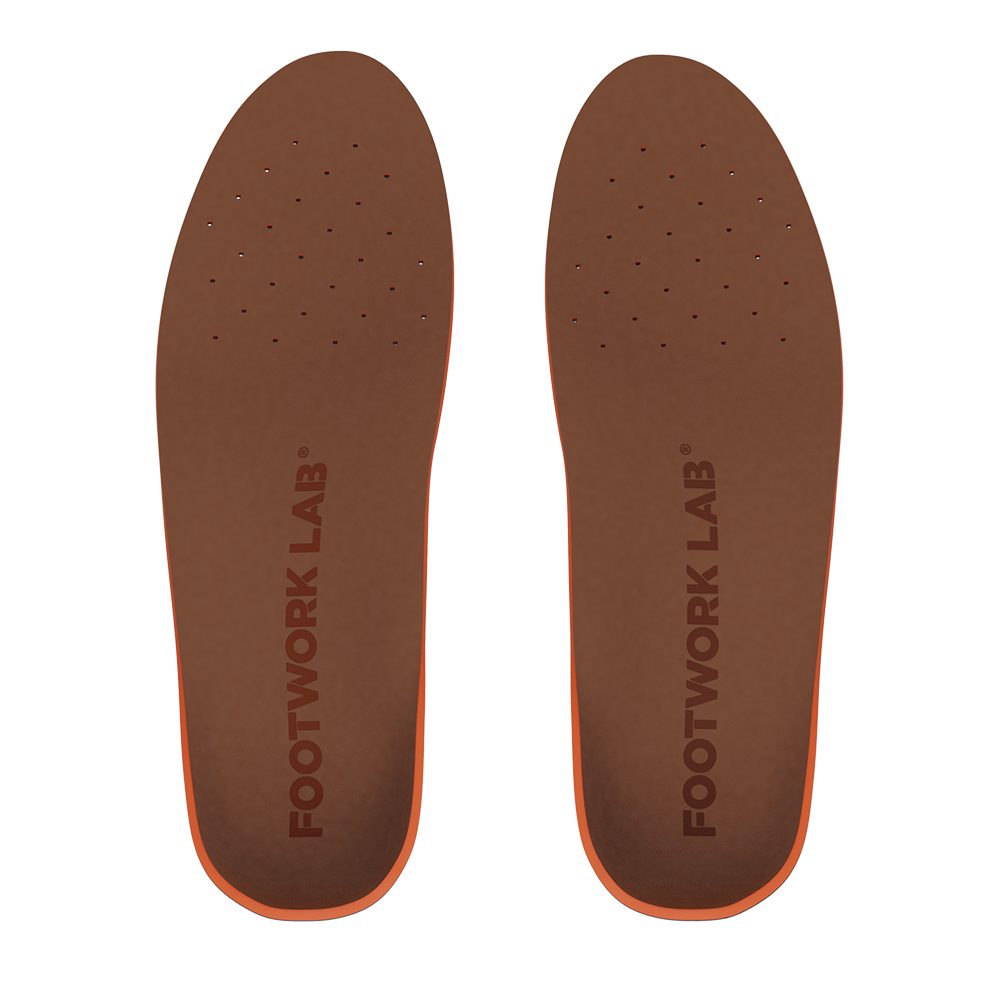
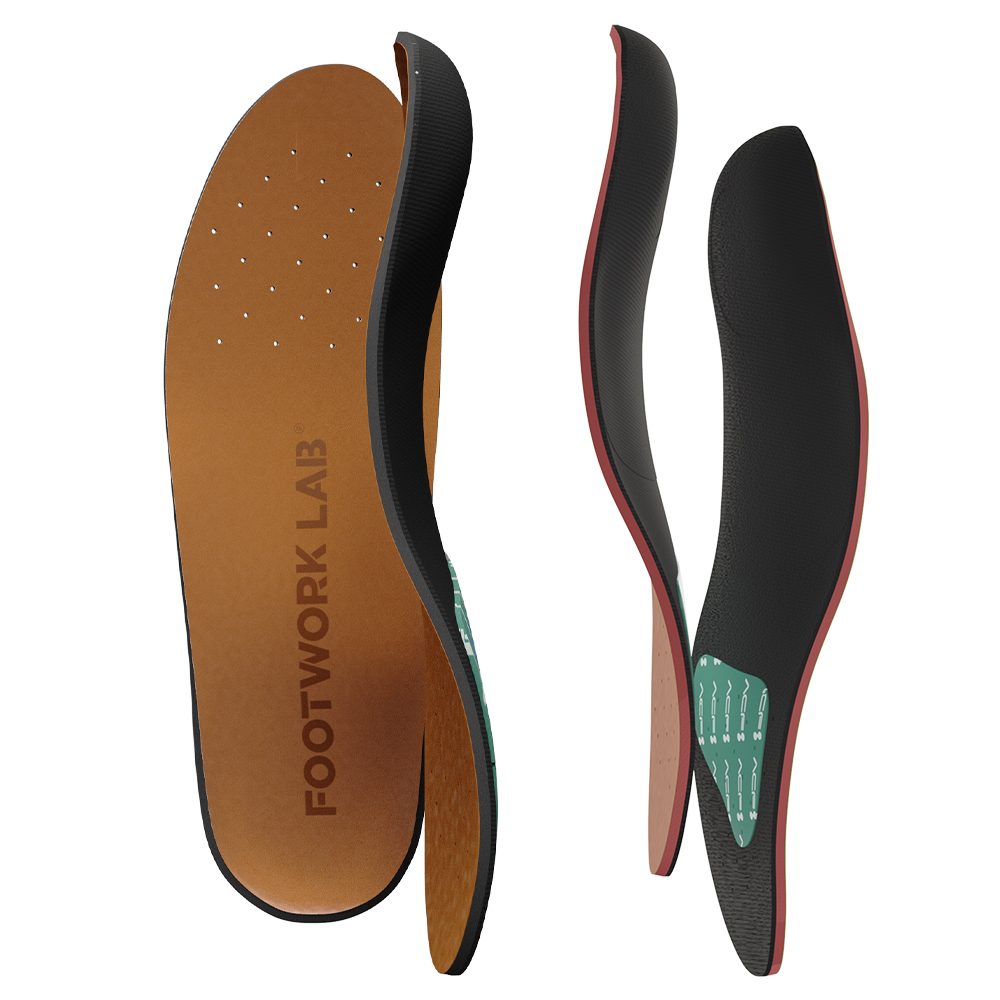
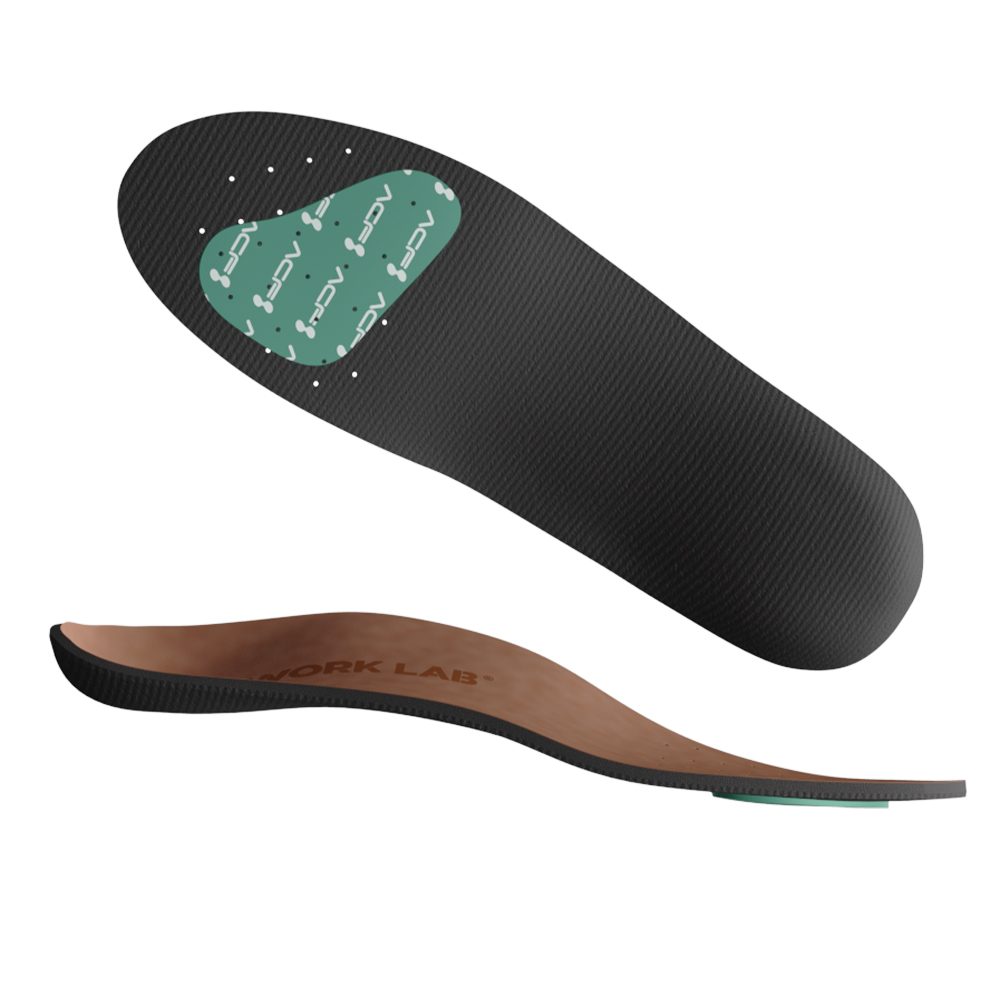
Whatever the practice calls itself, the shelf behind the record divides into the same three families: a daily comfort line for ordinary walking and standing work, a care line for feet that need pressure taken off sensitive zones, and a sport line for the training population. A podología-facing shop in a Latin American market and a podiatry-facing clinic in an English-speaking one will weight the three differently, but the builds themselves are the same structures: a mesh fabric layer over an orthotic textile layer over a shaped polymer plate, configured differently for each family.
The care line exists for people whose records show load concentrated where the foot does not tolerate it well — the flat foot posture is the classic example, and there is a settled design conversation around how such a build spreads load rather than promising anything about anyone’s condition. What the build does is redistribute and cushion; what it does not do is treat anything. The professional decides who the build suits. Our job is that the pair arriving matches the specification the professional wrote.
Ordering terms are the same on both sides of the vocabulary line, and they reward the practice that stocks a curve rather than a best-seller. The minimum order is two hundred pairs, mixed across styles and sizes; samples ship within three days; production runs at roughly five hundred to a thousand pairs on a working day. Both the shops and the clinics we serve reorder on the record corner’s evidence rather than on intuition, which keeps returns low and makes the reorder a ten-minute task.
Custom builds close the gap between the shelf and the record. Where a stock build does not answer the specification, a pair can be made to the individual order — heated, formed and finished against the written spec — and delivered within the same logistics window as the restock. Practices that sell assessment as a service find the custom route is where the record earns its keep; practices that sell product find the stock curve is. Both are legitimate, and the vocabulary the buyer searched in predicts which they will ask about first.
Where the supplier stops and the professional starts
The division is easier to write than to keep, so we keep it in specific commitments. We supply the record system, the range, the session routine in writing, and support after delivery through a dedicated WhatsApp group with engineers reachable directly. We do not read records for customers, we do not write programmes, and we do not attach conclusions to reports in either language. Every report states that the data is for reference and that interpretation belongs to a qualified professional — the podólogo or the podiatrist, whichever the market’s paperwork requires.
Commercially the terms hold steady too. One unit is the minimum order for a machine, and machines accept ODM; insoles accept both ODM and OEM from a minimum of two hundred pairs; every machine is tested at the plant for seven days before dispatch; the warranty runs twelve months against non-human damage with free parts. We do not publish prices — a quotation depends on configuration and destination — and we do not promise exclusive territories, because a vocabulary is not a border and buyers in both languages travel.
What we will do is answer the vocabulary question directly. Send the word your customers use, describe the practice in one paragraph — counter or clinic, sessions or pairs, staff and room — and we will reply with which part of the catalogue fits first and which questions to settle before any money moves. Sometimes the honest answer is that the practice needs a restock line and no equipment yet, and we say so, because a supplier who sells the record into a practice with nobody to read it has sold a paperweight in two languages.
Frequently asked questions
Are podología and podiatry the same profession?
They name the same profession in Spanish and English respectively, with country-to-country differences in training and protected titles. Buyers searching either word are shopping in the same category, and the equipment and ranges that serve one serve the other.
Does the spelling change what the equipment records?
No. A session records the same quantities either way: contact area and load distribution, foot axis angle, contact and flat phase proportions, peak and mean pressure, centre-of-pressure speed, and alignment images from the cameras. These are recorded values, not conclusions.
Who interprets the report?
A qualified professional — the podólogo or podiatrist, depending on the market. Every report states that the data is for reference, and the supplier has no role in deciding what the values mean for a named person.
What language do the reports and support arrive in?
Ask in writing at the order stage: report language, interface language, training and the warranty document are separate items. Our quotations and the after-sales WhatsApp group work in the language the buyer ordered in.
What should a Spanish-speaking shop order first?
Most podología enquiries are replenishment-first: a daily and care range across a size curve, ordered from a minimum of two hundred pairs mixed across styles and sizes, with samples shipping within three days. Equipment follows once the counter proves demand.
What should an English-speaking clinic order first?
Usually the record: the system, its session routine and its support, with the first range order following the first month of sessions. Machines start at one unit, accept ODM, are tested for seven days before dispatch and carry a twelve-month warranty against non-human damage.
Can the supplier tell us what a customer’s foot needs?
No. The factory supplies the record and the builds; deciding what a foot needs is professional judgement. A supplier who writes conclusions into a report is selling something neither vocabulary can support.
What we would do next
Write one paragraph describing the practice — which word your customers use, counter or clinic, pairs or sessions per week, who reads the records — and send it through the contact page. The reply will name the part of the catalogue that fits first, in the language the enquiry arrives in. The insole range page shows the three families and the structures behind them, which is the vocabulary the shelf actually speaks.
Four pieces extend this one. A podiatry assessment runs on records covers the assessment-first pattern from the clinic side, and podiatry testing runs on three subsystems explains what a session is made of hardware-wise. What a foot and ankle specialist orders from a factory follows a professional’s order line by line, and flat foot care in an insole programme shows how the care line is specified without promising anything about anyone’s condition.
This article is intended for professional and educational reference. It is not medical advice. Foot assessment equipment produces measurements and images; clinical interpretation and any decision about care remain the responsibility of a qualified professional. Certification scope is limited to the documentation we hold: European Union certification and ISO quality system certification.