
An enquiry lands in the inbox with the subject line foot machine insolation, and at first reading it looks like a keyboard accident. Machine suggests hardware. Insolation is a word from weather stations — solar radiation received by a surface — and belongs to neither feet nor shoes. Yet the sender, a shop owner writing from a market where English usually arrives through a translation tool, has attached a photograph of his counter: assessment leaflets fanned on one side, a shelf of flat insoles on the other, and a note asking, in careful irregular grammar, whether the same arrangement can be supplied regularly. Three tangled words, one real business. This article works the phrase back to what the sender almost certainly means — a restock line for a shop that assesses feet at the counter and sells daily insoles against the record — and then follows the honest version of that want: what the daily build is made of, how an order opens as a curve of styles and sizes rather than a pile, how the counter’s own evidence sets the reorder rhythm, and what a factory answer to a garbled subject line should actually contain.
Three tangled words and how each one untangles
The middle word is where the phrase broke, and the break has a traceable path. Insolation is a genuine English word — the measure of solar radiation a surface receives — but it sits one letter from insulation, and insulation sits one sound from insole in several languages, where the layer inside a shoe and the layer inside a wall share a word or borrow from each other. A buyer runs foot insole through a translation tool, receives a plausible English phrase with the wrong word in the middle, sends it, and never learns that anything slipped.
The outer words survive intact, and they carry the business. Foot fixes the subject beyond argument. Machine, in the markets where these enquiries originate, is the plain everyday word for the assessment device at the counter — the box that measures and prints. The restored reading is therefore a foot insole machine enquiry: a shop asking for the device that assesses feet and the product line the assessment feeds, in one breath. That is not an exotic request; it is the most common shape of enquiry a factory like ours receives.
The boring reading wins again, and it is worth saying why we apply the rule at all. Buyers, overwhelmingly, try to buy things that already exist: a counter assessment, a stock range, a supplier who answers. When a phrase could decode into an unusual device or an ordinary restock, the ordinary reading is right more often than not, and a quotation built on the exotic reading wastes a week for both sides before anyone discovers the mismatch.
What we do not do is treat decoding as certainty. The restoration is a hypothesis, and the reply tests it: a short paragraph describing what we make in plain words, with one question back — does the shop already run assessments, or is this a first device? A real buyer answers within a day; a scraped address does not answer at all. And the spelling of the subject line tells us where the buyer writes from, never how serious the order is, because some of our steadiest accounts write enquiries full of slips.
Why the restored enquiry points at a restock line
The photograph settles most of the remaining doubt. A counter with assessment leaflets on one side and a shelf of flat insoles on the other means the shop already runs some form of foot assessment or already sells foot care by the pair. A buyer in that position is not asking what a scanner is or whether one works; he is asking who can supply the stock side steadily, against the assessments he is already performing for customers who keep coming back.
Restock buyers ask a characteristic set of questions, and they ask them in a characteristic order: whether the range stays the same from order to order, whether sizes can ship mixed, how quickly a repeat order moves. They are not buying a pair; they are buying a line — the same builds, the same names, the same size curve, month after month, so that the customer who liked the spring pair can reorder it in autumn without a hunt across shelves that keep changing.
A first-equipment buyer asks the opposite questions — what a session takes, who runs it, what the report shows, what the staff say while the customer reads it — and the two kinds need different first replies. Sending the restocker a workflow primer, or the first-timer a stock list, loses both. The garble in the subject line rarely says which one is writing; the second message always does, which is why our first reply stays short enough that sending a second one costs nobody anything.
One more honesty point belongs here. We do not put figures in a first reply — no quotations, no commitments — because a number sent before the scope is clear is a number that will be argued with later. The first reply carries the decoded reading, the description of the range and the single question; the composition of the order, and everything priced inside it, comes after the scope has been settled in writing.
What the daily build is actually made of
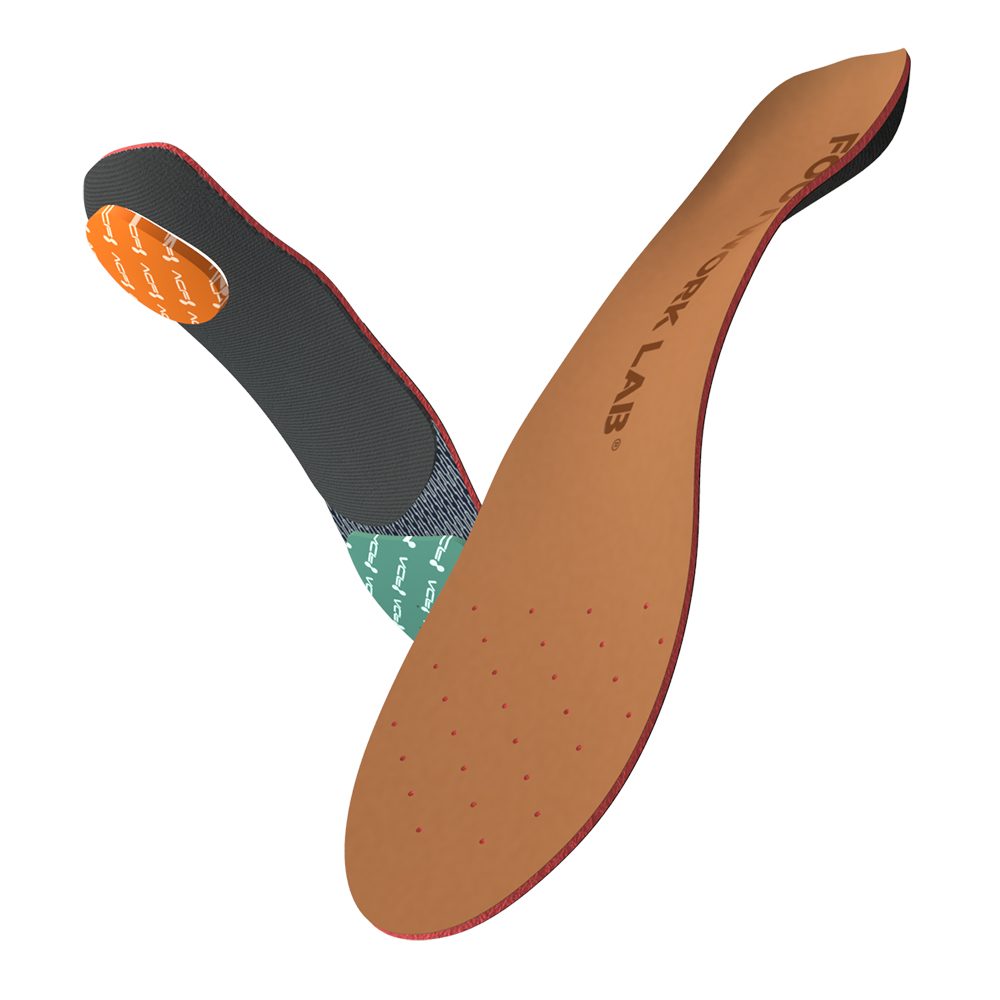
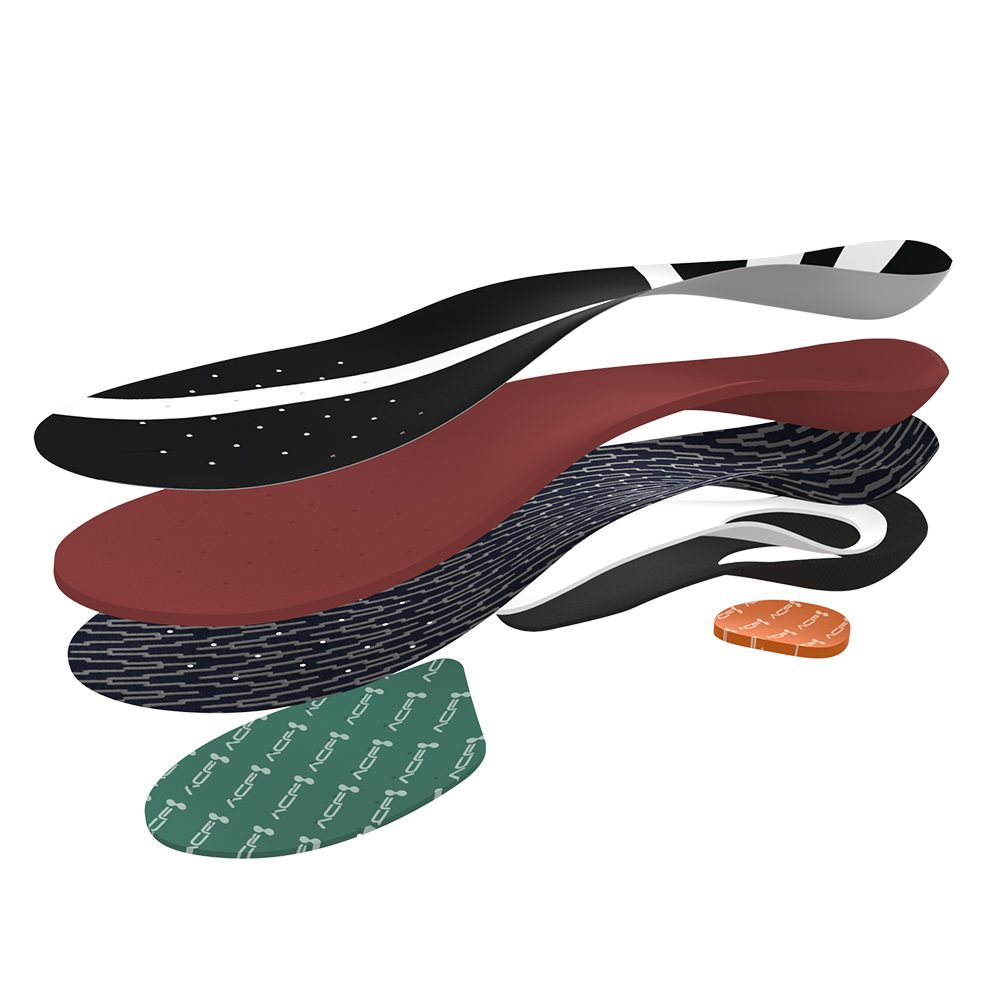
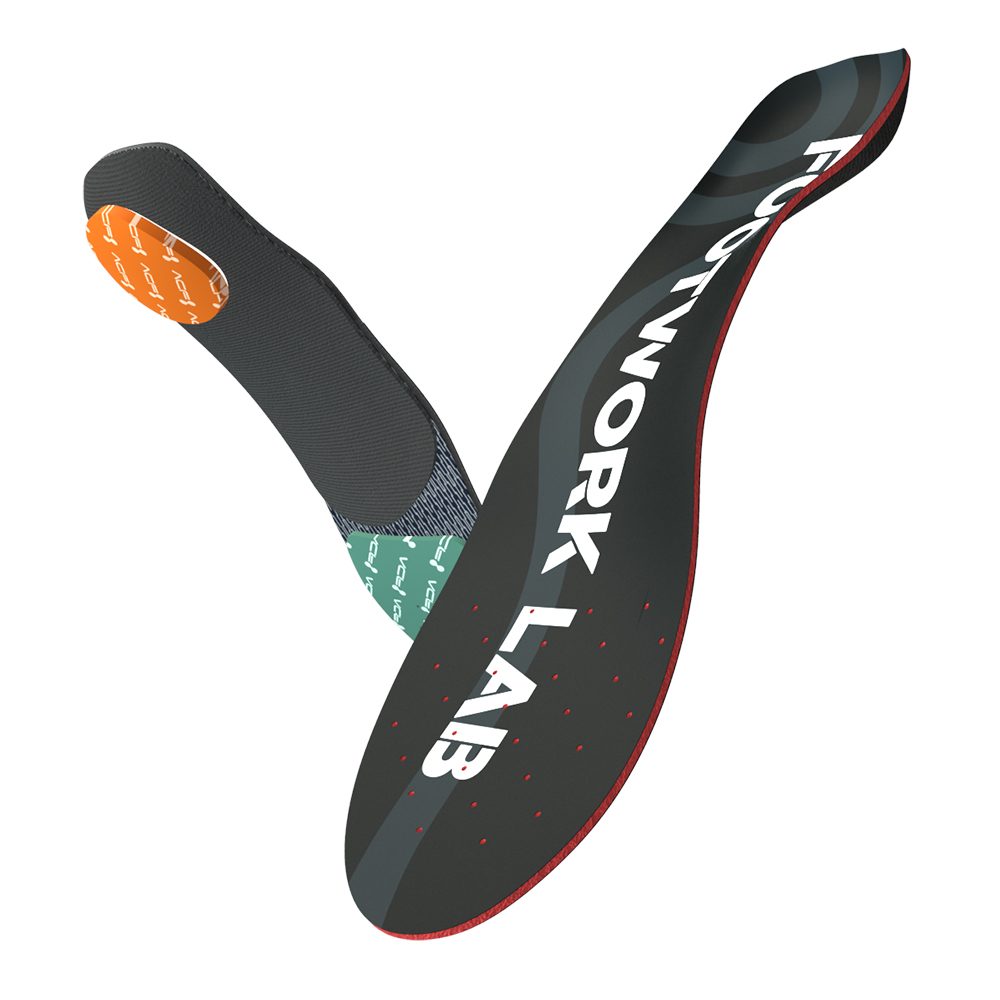
The daily leisure build, the one a restock enquiry almost always ends up ordering, is a three-layer construction, and each layer earns its place. A mesh fabric forms the face the foot stands on, chosen to breathe across a long day of wear. Beneath it sits an orthopaedic textile layer that spreads load across the sole instead of letting it pool under the heel or the ball. A shaped polymer plate closes the stack and holds the build’s form through months of ordinary walking and standing work.
The construction is graded rather than uniform: builds differ in how much support the plate carries, how much cushioning the textile layers hold, and how the assembly resists twisting underfoot. That grading is what lets a counter map a report onto a shelf, because a foot that loads softly and spreads wide needs a different build from one that concentrates load and wants firmer holding, and both sit side by side in the same size run.
The mapping stays inside its lane, and the counter script should say so out loud. The build matches the record; the record describes the foot; what the combination will mean for any particular complaint is a judgement we do not make and staff should not improvise. A daily insole sold as comfort and fit is a defensible sale; the same insole sold against a promised outcome is neither defensible nor ours to promise.
Consistency is the quiet half of the construction story. The builds a shop stocks this season are the builds it reorders next season, under the same names, because the product line — not the shipment — is what a customer’s memory points at when he comes back. We hold the standard range deliberately fixed, and we would rather drop a clever idea than change a name a counter has trained its regulars to ask for.
Ordering a curve, not a pile
The minimum order is two hundred pairs, and the number matters less than what it exists for: mixing. Two hundred pairs spread across styles and sizes lets a shop open a real curve — a couple of daily builds, a care build for the feet that need load spread off sensitive zones, and the sizes the counter actually measures — instead of two hundred of one thing that moves slowly and crowds the shelf for a year.
Samples ship within three days, and a buyer should use them before committing. Holding the structures — feeling the mesh face, flexing the plate, comparing a soft build against a firm one — turns the range description into something the counter staff can talk about from experience. We would rather ship samples to a buyer who orders a month later than a first order to a buyer who has never held the product in his hand.
Production runs at roughly five hundred to a thousand pairs on a working day, and delivery moves at three speeds: six to seven working days by courier, ten to twelve days by air, thirty to thirty-five days by sea. A first order should be placed against the slowest of the three, not the fastest, because a shelf that opens on schedule builds the assessment routine’s credibility, and a shelf that opens late quietly teaches the staff to stop mentioning the service at all.
From the minimum onward, insoles accept both ODM and OEM: we will build a shop’s own specification and its own branding within the same order terms. The standard range stays fixed regardless, so the custom work sits alongside a stable line rather than replacing it. Where the buyer adds the assessment half later, machines start from a single unit, accept ODM, and leave the factory only after seven days of testing.
The counter’s own evidence sets the reorder
After a month of sessions, the report stack in a shop’s drawer becomes the best demand forecast anyone will write. It shows which builds the foot traffic actually consumed, which sizes ran out first, which sat untouched. The next order stops being a guess against a catalogue and becomes arithmetic against the shelf, and the message to the factory becomes a single line: the curve, adjusted in three places, nothing else changed.
That message travels in the same thread as everything else. Our after-sales runs through a dedicated WhatsApp group with engineers reachable directly, and the same channel carries the restock, so one thread holds one history — the equipment questions, the reorder adjustments, the seasonal notes — with no context lost when a size curve needs tilting or a build needs re-weighting between orders.
Seasonality belongs in the reorder conversation, not in a supplier’s hunch. A counter that measures feet before a walking season, before school terms, before a local sport calendar knows its own rhythms far better than we do; the factory’s job is to hold the curve steady so those rhythms can be served. Where a size ran dry twice, the reorder widens it; where a build sat, the reorder trims it — evidence, not enthusiasm, deciding the shelf.
What we do not do is push builds the evidence does not support. A supplier who loads a shop with the pairs he prefers to sell produces exactly the slow shelf that makes owners stop believing in assessment altogether. The reorder is the customers’ vote, already counted in the drawer; our part is to honour it, ship it whole, and keep the names on the shelf matching the names in the reports.
What a factory answer to a garbled subject line contains
The reply itself should have a shape, and it is a short one. First, the decoded reading stated plainly: this looks like an enquiry about a counter device and a daily insole range, and if that is wrong, one line back will fix it. Second, a description of what we make in the words the range actually uses — families, layers, grading — so the buyer can point at the piece that matches his shelf instead of guessing at our vocabulary.
Third, the terms, stated once: minimums, sample speed, capacity, delivery windows, the twelve-month warranty on machines and the after-sales channel standing behind it. Terms restated in every message become noise; terms stated once and honoured become the reason the second message arrives at all. Fourth, the question — first device or restock — because the answer decides everything the next reply carries, from the training material to the size curve.
And the boundaries travel with the reply from the first message. The equipment records; it does not diagnose. The range matches records; it does not promise outcomes. We do not claim shape scanning of any kind — the systems capture pressure and alignment, and the shorthand buyers type into search boxes is a habit of the market, not our specification. A buyer who learns the boundaries on day one never has to unlearn a sales pitch later.
The enquiry that arrived as foot machine insolation ends, a few messages later, as a working counter: a device that records, a daily range that matches the record, a reorder thread that never resets. That is what the sender meant all along, behind the weather word. The phrase only had to be read generously once, and then answered concretely, in the order the questions actually mattered.
Frequently asked questions
What does the phrase foot machine insolation most likely mean?
A foot insole machine enquiry — a shop asking for the counter assessment device and the daily insole range the assessment feeds. Insolation is a translation artefact: it sits one letter from insulation, which sits one sound from insole in several languages.
How do you confirm a decoded enquiry before quoting?
With one plain question in the first reply, describing what we make in plain words and asking whether the shop already runs assessments or wants a first device. A real buyer answers quickly; a quotation built on an unverified guess wastes a week for both sides.
What is inside the daily insole build?
A three-layer construction: a mesh fabric face that breathes, an orthopaedic textile layer that spreads load across the sole, and a shaped polymer plate that holds the form. Builds are graded for support, cushioning and twist resistance so a report can map onto a specific pair.
What is the minimum order for the daily range?
Two hundred pairs, mixed across styles and sizes, so a shop can open a real curve instead of stacking one slow build. Samples ship within three days, and the standard range stays fixed from season to season.
How fast do production and delivery move?
Roughly five hundred to a thousand pairs on a working day, with delivery in six to seven working days by courier, ten to twelve days by air or thirty to thirty-five days by sea. A first order should be planned against the slowest of the three.
Who reads the assessment record at the counter?
A qualified professional or a trained fitter. The report records values and states that the data is for reference; the build matches the record, and judgement about what any of it means for a particular person stays with the professional.
Can a shop order its own branded builds?
Yes. Insoles accept both ODM and OEM from the two-hundred-pair minimum, and machines accept ODM from a single unit. The custom work sits alongside the standard range, which stays fixed so records keep mapping onto the shelf.
What we would do next
Send us the tangled phrase — exactly as it arrived, quotation marks and all — together with one line about the shop: what the counter assesses or sells today, and whether a device is already standing on it. We will reply with the decoded reading and the part of the range that matches, through the contact page. The insole range page lists the three families and the daily build’s structure, which is where most restored enquiries land.
Four pieces extend the picture. A footwear store that fits by record follows one shop through the changeover, and personalized foot analysis sells better takes the commercial case on its own terms. Orthopedic products sell in order explains how a foot care shelf sequences itself, and a foot care product line shows how the range is arranged to answer the record.
This article is intended for professional and educational reference. It is not medical advice. Foot assessment equipment produces measurements and images; clinical interpretation and any decision about care remain the responsibility of a qualified professional. Certification scope is limited to the documentation we hold: European Union certification and ISO quality system certification.