
He carried the pair into the shop in a plastic bag, still folded together, and put them on the counter with one sentence. They were last year’s insoles, worn from the first frost to the warm week in spring, and then rolled into the winter boots in the hallway cupboard for the summer. Now the boots were out again and the pair would not sit flat in them. The left one had taken a crease across the arch that had not been there before, the surface felt stiffer under the thumb than he remembered, and when he tried the boots on with his winter socks, everything crowded. His question was the one the counter hears every autumn, in one form or another: the pair worked last winter, so what happened to it over the summer. Nothing mysterious happened. A pair worn for part of the year lives a different life from a pair worn daily, and cold, storage and boot volume each leave their own trace on it. This article separates those three, describes what a seasonal pair actually goes through between April and October, weighs two pairs in rotation against a single pair pushed through, and makes the case for a short check before the first cold morning rather than a fresh argument in the fitting chair.
A pair with a season, not a schedule
Most conversations about custom insoles assume daily wear, and most of the guidance we publish is written for that case. A pair that comes out in November and goes away in March is a different object with a different set of habits around it. It is worn through the coldest months, inside the heaviest footwear, over the thickest socks, and then it disappears for two-thirds of the year into whatever space the hallway provides. The wearing months and the storage months make different demands, and neither of them appears on the standard care advice that comes with a daily pair.
The seasonal pattern shows up in the wear itself. A winter pair is not worn fewer hours than a daily pair, only fewer months: a working day in February can be as long as a working day in June, on harder ground, inside stiffer footwear. So the contact surfaces wear at a rate closer to a daily pair than the calendar suggests, while the customer’s mental model says barely used. When the pair comes back to the shop, the wear pattern on the surface often surprises the owner, who remembers the pair as lightly used because it was out of sight for most of the year.
There is also a memory problem, and it belongs to the customer rather than the pair. A daily wearer knows their insoles; they notice a loose edge within a week. A seasonal wearer re-learns the pair every November, and everything that changed over the summer arrives at once, mixed in with the ordinary settling-in of a new season. Sorting which is which is the shop’s job, and it starts with understanding what the storage months actually do. That is where the cold and the cupboard come in.
What the cold months and the cold cupboard do
Temperature changes how the materials in a pair feel and behave, and the effect is ordinary physics rather than a defect. In deep winter, carried in a cold boot from an unheated hallway, the cushioning layers read firmer underfoot for the first stretch of the day, and the pair flexes less readily than it does at room temperature. Warm the pair back up inside and the familiar feel returns. Nothing in that cycle is damage, but it explains a comment the counter hears every December: the pair feels different outdoors than it did in the fitting chair. It does, briefly, and the difference is the temperature of the material, not a change in the build.
The storage months bring the reverse. A pair left in a cupboard over a warm, humid summer sits in conditions no workshop would choose for materials at rest. Closed spaces hold the damp of the last wet week, and a pair that went away slightly damp in spring comes out in autumn with a surface that has aged faster than the wearing months alone would explain. Nothing dramatic, usually: the top cover feels less fresh, the edges lose a little of their spring. But the conditions of storage are part of the pair’s history, and they belong in any conversation about how the pair is wearing.
None of this can be turned into numbers at the counter, and it should not be. What the shop can say honestly is that materials feel different at different temperatures, that a season in a cupboard is not a season on a shelf in a dry room, and that the way to judge a stored pair is to look at it flat, under the thumb, in warm conditions, rather than cold from the boot. The thumb test and the eye test, done at room temperature, tell the counter what it needs. The customer’s memory of how the pair felt in March is the least reliable instrument in the room.
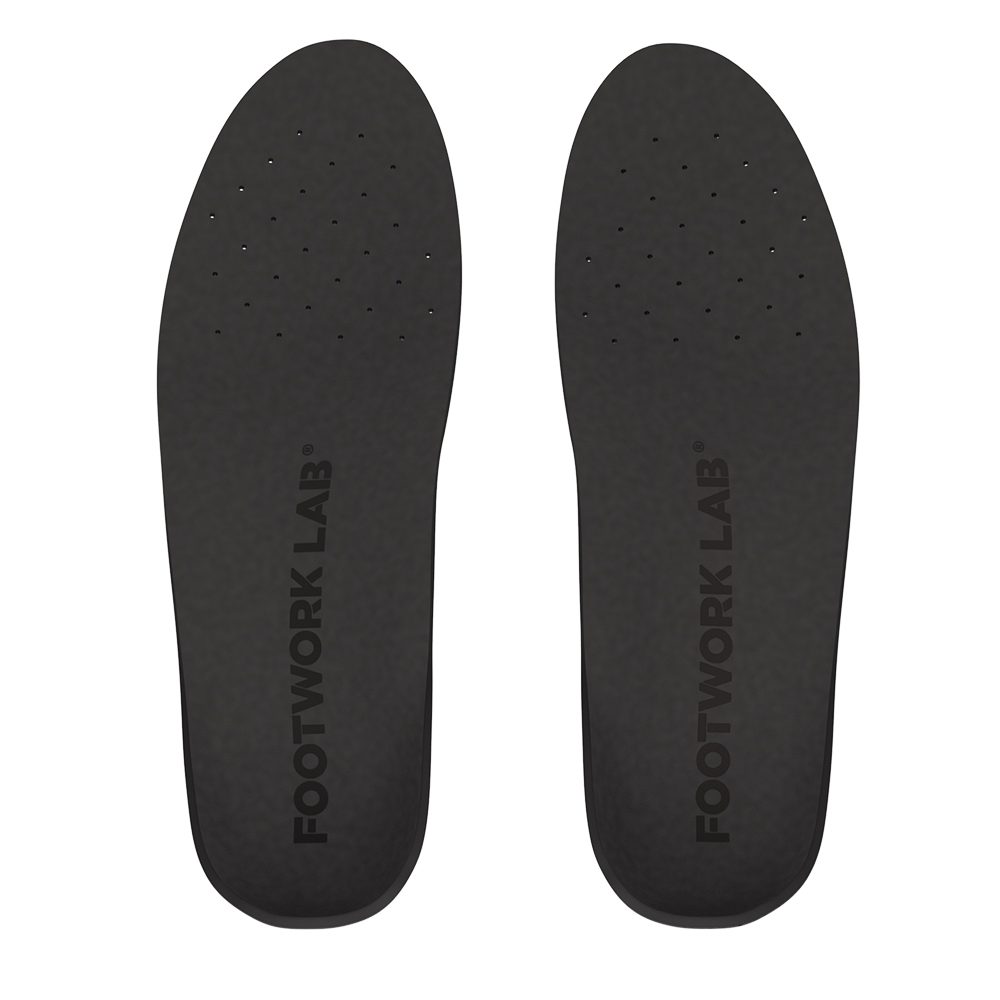
The fold in the shoe cabinet
Storage does its worst work where the pair is bent. The natural instinct is to drop the pair back into the boots and push the boots to the back of the cupboard, which leaves each insole resting on the curved floor of the boot for a season. A gentle curve over a few months is survivable. The real damage comes from the tighter folds: a pair rolled to fit a small space, wedged under a pile of other footwear, or left bent double inside a boot that has been shoved against the wall. Where the material is held in a sharp crease for long enough, the crease sets, and by November there is a visible line across the build that no amount of flattening will undo.
A set crease is more than cosmetic. It changes how the pair sits in the shoe: the surface no longer presents flat under the foot, the crease line concentrates load along its edges, and the customer feels a ridge they did not feel last season. On the counter, a creased pair announces itself immediately the moment it is laid on a flat surface and does not lie flat. That is the check worth teaching customers who collect a seasonal pair: take it out in October, lay it flat, look along it. If it lies flat, the summer was kind. If it holds a bend, the pair needs to come in before the season starts, not after the first complaint.
The advice that prevents all of this is short and worth repeating at handover of any seasonal build. Store the pair flat, outside the boots if the home allows it, in the driest spot the hallway offers; if the boots are the only practical home, lay the pair in as flat as the boot floor permits rather than rolling it. A customer who stores the pair the way the workshop stores a finished pair before dispatch will not meet the crease problem at all. The ones who do meet it are not careless people; nobody told them that a season of folding is a season of forming.
Boot volume and the thick sock
Winter boots change the room a pair has to work in. Most cold-weather footwear is built around insulation: thicker linings, warmer footbeds of their own, and interiors shaped for a heavy sock. The result is less internal volume than the everyday shoes the customer wears the rest of the year, and a pair built for one set of shoes does not transfer silently into another. The customer discovers this in October, pulling the boots on over the same pair that vanished into autumn footwear without a trace: everything feels tighter, the toes sit lower, the fit across the instep reads different.
The sock does part of the work. The thick wool pairs worn in cold months take up real space inside the boot, and that space comes off the insole’s share. A build that sat correctly under a thin autumn sock can feel crowded under a winter one, not because the pair changed but because the surroundings did. This is the same logic we describe for any build moving between shoes with different interior volumes, and winter boots sit at the extreme end of that range. The honest framing for the customer is that the pair and the boot negotiate a fit together, and the boot has strong opinions.
Where the crowding is real, the counter has a few honest options and one dishonest one. The dishonest one is to call it adaptation and send the customer away to get used to it. The honest ones: trim the pair’s edges if the build allows, within the limits of what the design can spare; check whether the boot’s own factory footbed can come out to make room, which some winter footwear permits and some does not; or accept that this pair belongs to the everyday shoes and the winter boots need their own conversation. Each option is better decided in October with the boots present than in December by phone. The insole range overview describes the build types we make, and the counter can match the discussion to whichever build the customer actually owns.
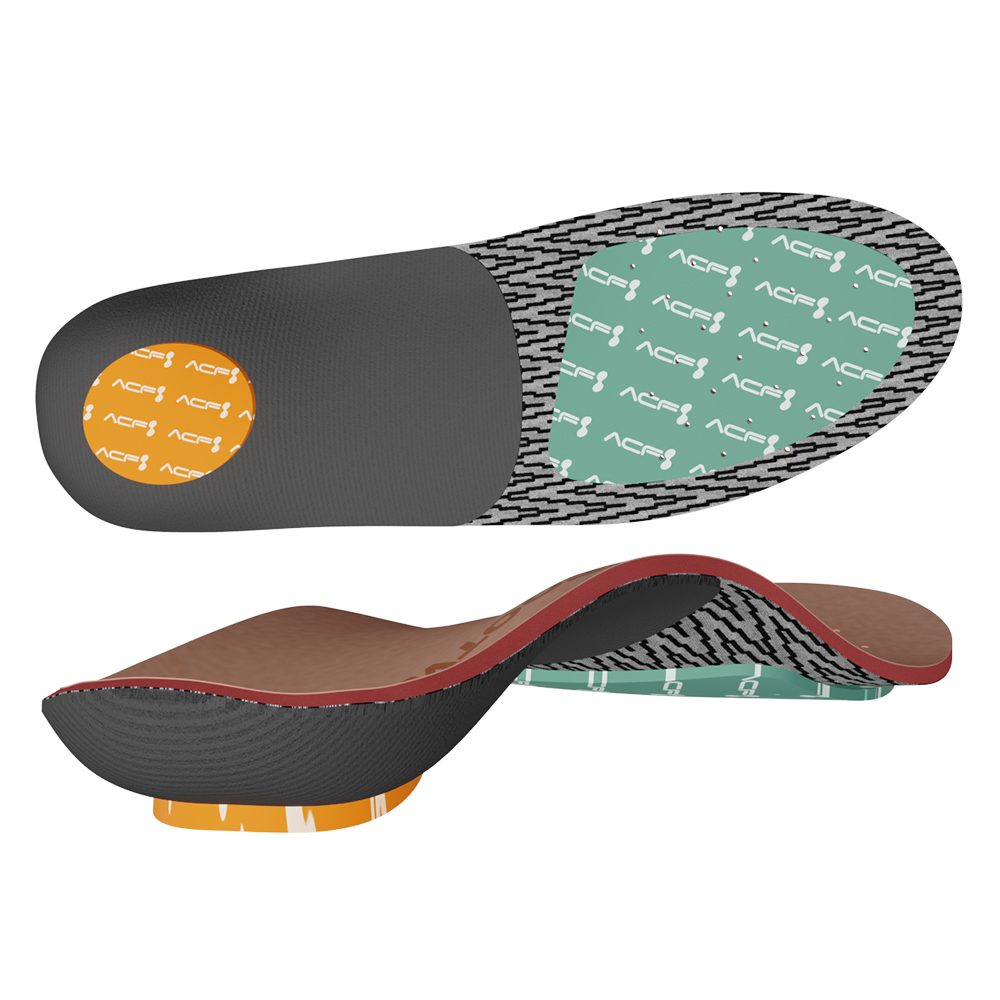
Two pairs in rotation, or one pair pushed through
The question of whether a customer needs a dedicated winter pair comes up every autumn, and the honest answer is that it depends on how the winter is lived. Someone who wears the same boots to the office, the shops and the school run all week is effectively wearing a daily pair in winter, and a single seasonal build carries that load the way any daily pair does. Someone who splits the week between insulated boots for outdoors and ordinary shoes indoors is closer to two half-time wears, and the arithmetic of one pair stretched across both starts to look worse than two pairs each doing a simpler job.
Rotation has a cost beyond the second build, and it is worth naming. Two pairs mean two records, two histories and two sets of wear to read, and the customer must keep them straight at home. Some customers manage this without effort; others arrive in January with both pairs in one bag and no memory of which went with which shoes. A single pair pushed through the season, trimmed where the boots demand it, keeps the story simple, and simplicity has real value for customers who want one answer rather than a system.
What we advise shops to put in front of the customer is the decision, not the product. Ask how the winter is actually spent, how many days a week the boots are on, and whether the same boots carry the longest walks. A customer in boots five days a week is a rotation candidate, and a pair built for the boot’s volume will serve them better than the everyday pair squeezed in. A customer in boots twice a week is not, and the everyday build with an honest warning about boot volume is the better purchase. The mistake to avoid is selling rotation as a rule; it is an answer to a pattern of use, and the pattern comes first.
The customer who arrives in autumn
Seasonal customers return to the counter once a year, which makes the autumn visit the whole relationship. The opening line is usually a complaint compressed into a sentence: the pair does not fit, the pair feels different, the pair was fine last year. The counter’s first job is not to defend the pair but to establish which of the three storage-season changes is actually present, because they look similar from across the counter and behave differently in the hand. A set crease lies flat on the counter and shows a line. Cold-stiffened material warms up in a minute under the palm and stops holding its argument. A volume conflict disappears the moment the pair goes back into the autumn shoes it was built for.
The diagnostic sequence costs five minutes and saves an argument. Lay the pair flat and look along it. Feel the materials at room temperature, not straight from the boot. Put the pair back into the shoes it was built for and listen to what changes. Only after that does the boot come out of the bag, because the counter needs to know what the pair is before judging what the boots have done to it. Skipping the sequence is how a storage crease gets misread as a build fault, and how a shop ends up replacing a pair that a flat month in a drawer would have served fine.
What the autumn visit should end with is a note in the customer’s record: what was checked, what was found, and what was advised. Seasonal customers forget, by design, for most of the year, and the note is what makes next October’s visit a continuation rather than a fresh start. A shop that logs the autumn check builds a history for each seasonal pair, and that history does more to settle next year’s opening complaint than any argument at the counter ever will.
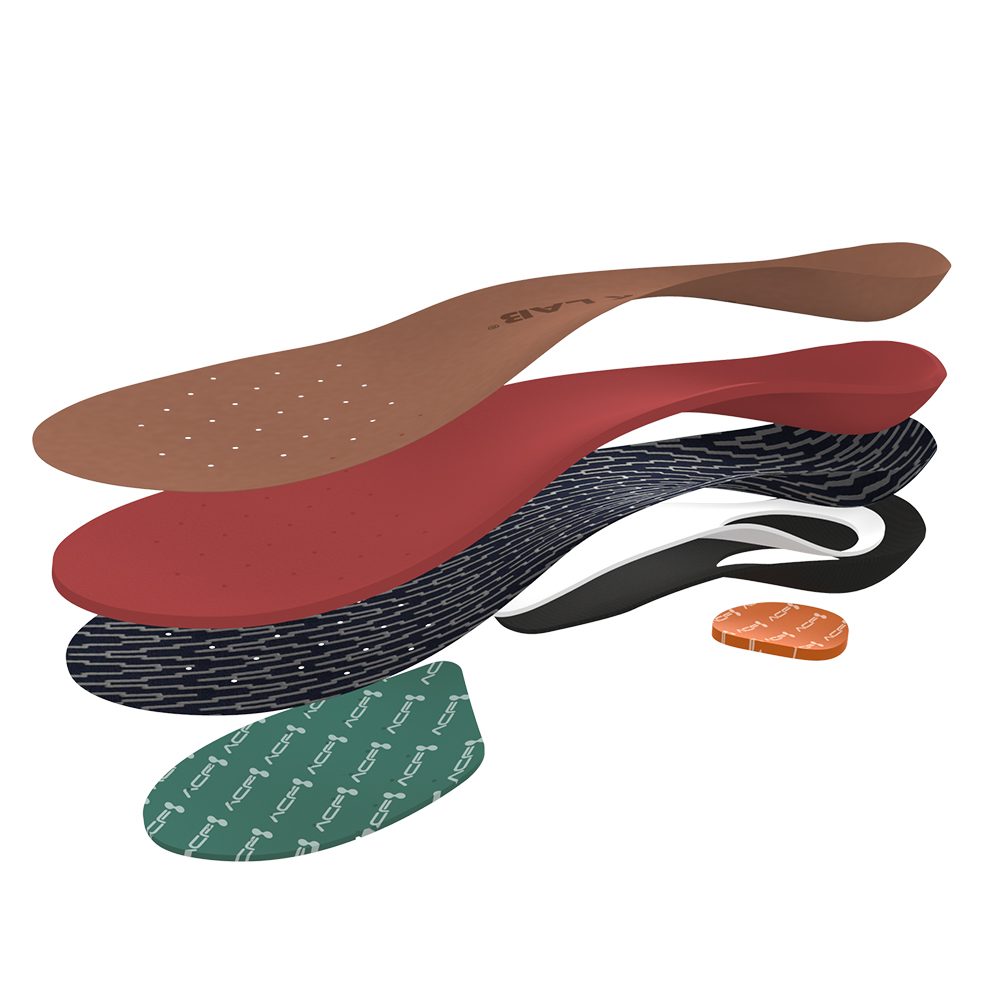
The check before the first cold morning
The last piece of the seasonal pattern is timing. Everything in this article is easier to handle in October than in December: a crease found before the season can be assessed calmly; the same crease found after six weeks of wear has been walked on, and the picture is muddier. The advice we would put on the handover card of every seasonal build is a single line, something like: bring the pair in for a look before the first cold week, not after the first complaint. The customers who follow it arrive with a pair in good condition and a straightforward question. The customers who do not arrive with a season of wear already layered on top of whatever the summer did.
The pre-season check is also the natural moment to ask whether the foot itself has moved in a year, because twelve months is long enough for it to have done. Feet change with the year’s work, the year’s walking and the year’s weight, and a pair that fit last November describes the foot as it was then. The counter does not need a full session to notice this; a quick stand on the assessment equipment, compared against last season’s record under the same conditions, answers it in minutes. Where the record reads the same, the pair carries over with confidence. Where it reads differently, the conversation about a rebuild starts in October with data, not in January with an argument.
There is a quiet commercial logic underneath the habit, and shops should be honest with themselves about it. A customer invited back each autumn returns each autumn, and the pre-season check is the appointment that keeps the seasonal relationship alive. But the logic only holds if the check is real: the pair actually inspected, the record actually compared, the advice actually given, including the advice that nothing needs doing this year. A check that always ends in a sale is not a check, and customers learn that faster than shops expect.
Frequently asked questions
Can a pair be stored inside the winter boots over the summer?
It can, laid in as flat as the boot floor allows, and this is the practical answer for most homes. What damages a stored pair is not the boot itself but a tight fold: rolled to fit a small space or bent double for a season. Flat storage outside the boots is better where the home permits it, and either way the pair should come out and be laid flat before the season starts.
Does cold change how a pair behaves underfoot?
It does, in feel rather than in build. Materials read firmer and flex less readily when cold, so the first stretch of a winter day outdoors feels different from the fitting chair at room temperature. The effect reverses as the pair warms inside. It is ordinary material behaviour, it is not damage, and it is one reason judgements about a pair should be made at room temperature.
Can the same pair move between winter boots and everyday shoes?
Only if the volumes are close. Winter boots usually offer less interior room than everyday shoes, and the thick socks of the season take more of what remains, so a pair can feel crowded in boots that it fits fine elsewhere. Trim within the design’s limits, check whether the boot’s own footbed is removable, or keep the pair for the shoes it was built for and discuss a winter-specific option separately.
Does everyone with seasonal wear need a second pair?
No. The question is how the winter is actually lived. Boots worn most days of the week behave like daily wear, and one build sized to the boot serves well. Boots worn a few days a week, alongside ordinary shoes the rest of the time, stretch a single pair across two very different interiors, and that is the case where rotation earns its cost.
When should the pair be checked before winter?
Before the first cold week, not after the first complaint. Lay the pair flat and look along it for creases, feel the materials at room temperature, and compare a quick record against last season’s under the same conditions. A finding in October can be assessed calmly; the same finding in December has a season of wear layered over it.
Is a crease in a stored pair the end of the pair?
Not necessarily, and not automatically. A set crease changes how the pair sits and concentrates load along its edges, so it should be inspected rather than ignored. Whether the pair can carry on depends on where the crease sits and how the build is constructed, which is a counter judgement, not a customer one. A creased pair that lies otherwise flat may serve a further season; one that no longer sits flat in the shoe may not.
Does the foot need re-measuring every season?
A quick comparable record once a year is a reasonable habit for seasonal wearers, because twelve months is long enough for feet and load patterns to move. The comparison only works if the conditions match last season’s record, so it belongs at the same visit, in the same footwear state, on the same equipment. Where the record reads the same, the pair carries over; where it reads differently, the rebuild conversation starts with data.
What we would do next
Write the storage advice onto the handover card of every seasonal build, and invite the customer back before the first cold week rather than after the first complaint. Then log the autumn check in the customer’s record, whatever it finds. Reading wear instead of the calendar explains how to judge a pair by what its surfaces show, working within a fixed toe box covers the volume arithmetic inside heavy footwear in more detail, and the same foot at three points in a working day describes how much a foot can move within a single day, which is the baseline behind any once-a-year comparison. The insole categories page sets out the builds we make for different patterns of use, and the FAQ page carries the answers we give most often by message.
This article is intended for professional and educational reference. It is not medical advice. Foot assessment equipment produces measurements and images; clinical interpretation and any decision about care remain the responsibility of a qualified professional. Certification scope is limited to the documentation we hold: European Union certification and ISO quality system certification.