
The dining room has emptied, the last table is being wiped down, and the waiter who carried plates past your chair all evening finally sets the tray on the service station and leans against the wall for a moment. Eight hours of arrivals, orders, refills and reruns. The tray went up on the left hand at five o’clock and came down at closing, and in between there were hundreds of crossings of the same floor — from the kitchen door to the window tables, around the corner where the carpet changes to tile, past the step down to the terrace. If you work in a podiatry clinic, a physiotherapy practice or a shoe shop, waiters arrive in your room already knowing exactly which part of the shift their feet object to. What they rarely have is a way to describe the job in terms you can record.
This piece is about doing that: reading front-of-house work as a walking pattern rather than a vague amount of standing, asking the questions that turn a shift into something assessable, and understanding what a well-made build can carry for a working night — and what it honestly cannot.
Front-of-house is walking with cargo
The easiest mistake with restaurant work is to file it under “on their feet all day” and move on. Waiting is more specific than that. It is walking with a cargo problem: one side of the body repeatedly loaded by a held or carried weight, the other side swinging free, for hours, with the load switching hands only when the service forces it. A waiter carrying plates on the left forearm is not simply standing longer than other people. He is doing a different walk — shorter checks, tighter turns at the tables, a body that tilts slightly to keep the tray level through every doorway and every corner.
The asymmetry is the signature of the job. Watch a good waiter cross a quiet dining room and then a busy one: in the busy one the cargo walk dominates, the free arm does the balancing, and the tray hand stays loaded through most of the crossing. Nobody carries a tray with a symmetric gait, and nobody should be expected to. But an assessment that only watches an empty-handed walk across a flat floor will miss the very thing the waiter spends the evening doing, which is why the questions you ask matter as much as the walk you observe.
Front-of-house also compresses an unusual amount of variety into one room. There is the carpeted dining area, the tiled aisle between the tables, the rubber matting behind the bar, the kitchen threshold, the terrace step. Each surface asks the foot to do something slightly different, and the waiter crosses all of them in the same shoes, on the same shift, back and forth, hundreds of times. That mix — asymmetric load, repeated route, varied surface — is the real job description, and it is the one the build has to answer to.
The tray side and the free side
Ask any experienced waiter which hand carries the tray and you will usually get an immediate answer, followed by an important qualification: it depends on the section. Waiters develop habitual carrying sides, but the layout of the room, the position of the service station and the direction of the kitchen door all push the load from one side to the other across a shift. The habit is real; the habit is also negotiable every evening. That is a different pattern from the office worker’s symmetric day, and it deserves a different conversation in the consultation.
The practical consequence for assessment is that the two feet may not be doing the same job. One foot spends more of the evening under a loaded, slightly tilted body; the other does more of the balancing and the pushing off. We have written elsewhere about builds where each foot needs its own answer (The Pair That Is Not a Pair: When Each Foot Needs Its Own Build), and restaurant work is one of the occupations where that question comes up most naturally. Ask which side carries more often, ask what happens on doubles, and ask whether the carrying side has changed with different rooms — the answers tell you how fixed the pattern really is.
Be careful, in this conversation, not to slide from description into diagnosis. Observing that one side does more loaded work is an observation about the job. Deciding what that asymmetry means for the person, and what should be done about it if anything, belongs to the qualified professional reading the whole assessment. Your role in the conversation — whether you sit in a clinic, a fitting room or a fitting bench at the back of a shop — is to get the shift described accurately enough that the professional has something honest to interpret.
The floor plan of a shift
Every restaurant has its own geography, and waiters know theirs the way postmen know their rounds. There is the long tiled run between the bar and the far wall, the carpeted section that slows the foot down, the rubber mat in the pass where the plates land, the step to the terrace, the door frame that everyone clears slightly sideways because the tray is wider than the doorway habit. Over a shift these crossings accumulate into the majority of the evening’s steps, and each surface deals with the foot differently.
Hard tile gives little back and asks the foot’s own structure to handle each landing. Carpet is kinder underfoot but can be uneven at the seams and edges, exactly where a hurried turn happens. Matting in the kitchen and the pass is the friendliest surface in the building and covers the shortest share of the route. The terrace step and any level changes add their own repetition, usually on the same foot, in the same direction, dozens of times a night. None of this appears on an assessment sheet that just says “stands for work”.
Get the floor plan onto the sheet. Two questions do it: “Which parts of your route are hard floor, and which are carpet or mats?” and “Are there steps or level changes on the way?” Then ask which stretch feels worst by the end of the night. The answers map the job in a way that a generic standing-hours figure never will, and they give whoever plans support and load distribution something specific to work from. A waiter who says the tiled run to the window tables is the hard part has told you more about their evening than any questionnaire item about job category.
What to ask before anything is built
A useful intake for restaurant staff takes minutes, not a form. Four questions carry most of the weight. First: which hand carries the tray, and does it switch with the section? Second: what is on the feet for the shift — the house provides shoes, or the waiter buys their own, and if the house provides them, can anything be added inside without breaking the dress rule? Third: how many shifts a week, and how many of those are doubles? Fourth: which part of the body complains first by closing time — and let the waiter answer in their own words, because “the balls of my feet by the second seating” is better data than anything you could prompt.
The third question earns its place. A five-shift week and a five-shift week are not the same thing if two of them run through the late service, and load distribution across the week shapes what the feet are asked to recover from between shifts. The second question matters just as much for a different reason: the best-designed build in the world does nothing from inside a locker while the waiter wears house shoes that will not take it. Fitting reality decides outcomes here more often than design details do.
Write the answers down as you go. The point is not the paperwork; it is that restaurant work changes with rooms, seasons and menus, and a waiter’s answers in November — terrace closed, indoor section doubled — describe a different job from the same waiter’s answers in July. When the file carries the date and the section alongside the measurement, whoever reads it next can tell which version of the job they are looking at.
Measuring the walk that carries something
Once the shift has been described, the assessment itself has a decision to make: which walk to record. The empty-handed walk across the floor is the easy one and the default one, and it is genuinely worth having as a baseline. But it is not the walk the waiter spends the evening in. Where the room allows it, watch the loaded version too — a tray, a loaded bag, even a stack of menus held the way the shift holds them. The difference between the two walks is often where the most useful observations live.
The comparison does not need to turn into a laboratory exercise. A couple of crossings each way, noted plainly, is enough: how the step length changes under load, where the extra weight visibly goes, whether the loaded side shortens its stance. Where equipment is part of the room, a pressure platform can record both versions with the same indifference — and the interpretation of what the difference means stays with the qualified professional, not with the machine. If your room also runs single-leg checks as part of a session, they slot naturally here, because the loaded phase of carrying is closer to single-leg work than flat double-support walking is.
However you capture it, keep the framing honest: these are measurements of walks, including a walk performed with a prop that only approximates the real working night. A tray in a quiet clinic is not a Friday dinner rush. Say so on the sheet. The measurement does not need to be perfect to be useful; it needs to be described accurately enough that the professional weighing it knows exactly what it was and what it was not.
What a build can carry, and what it cannot
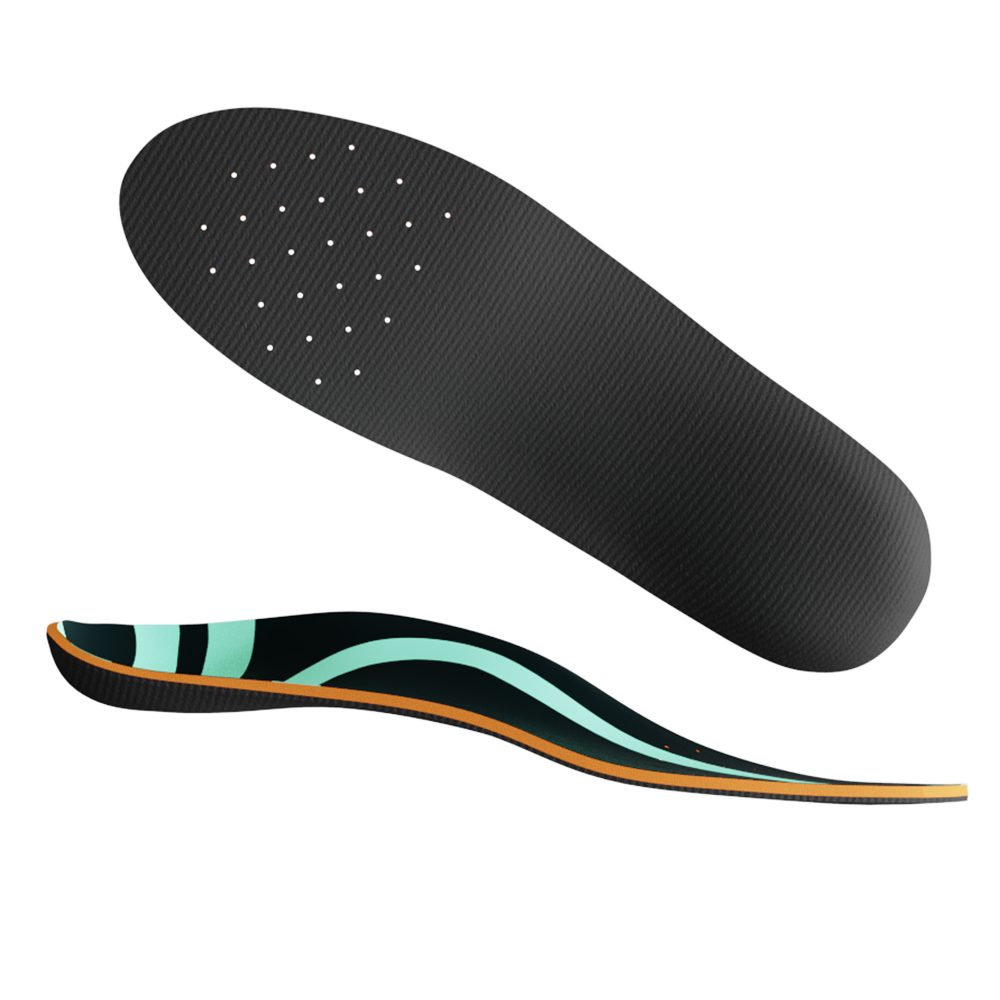
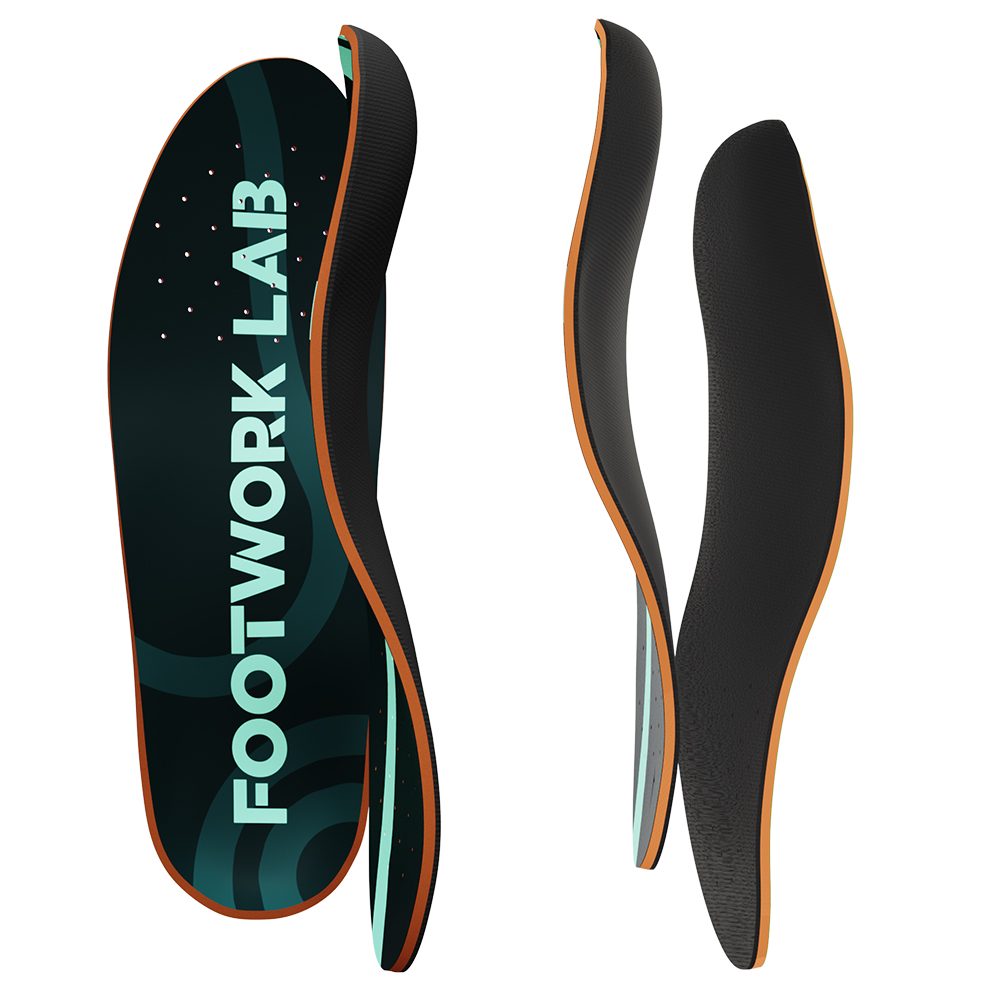
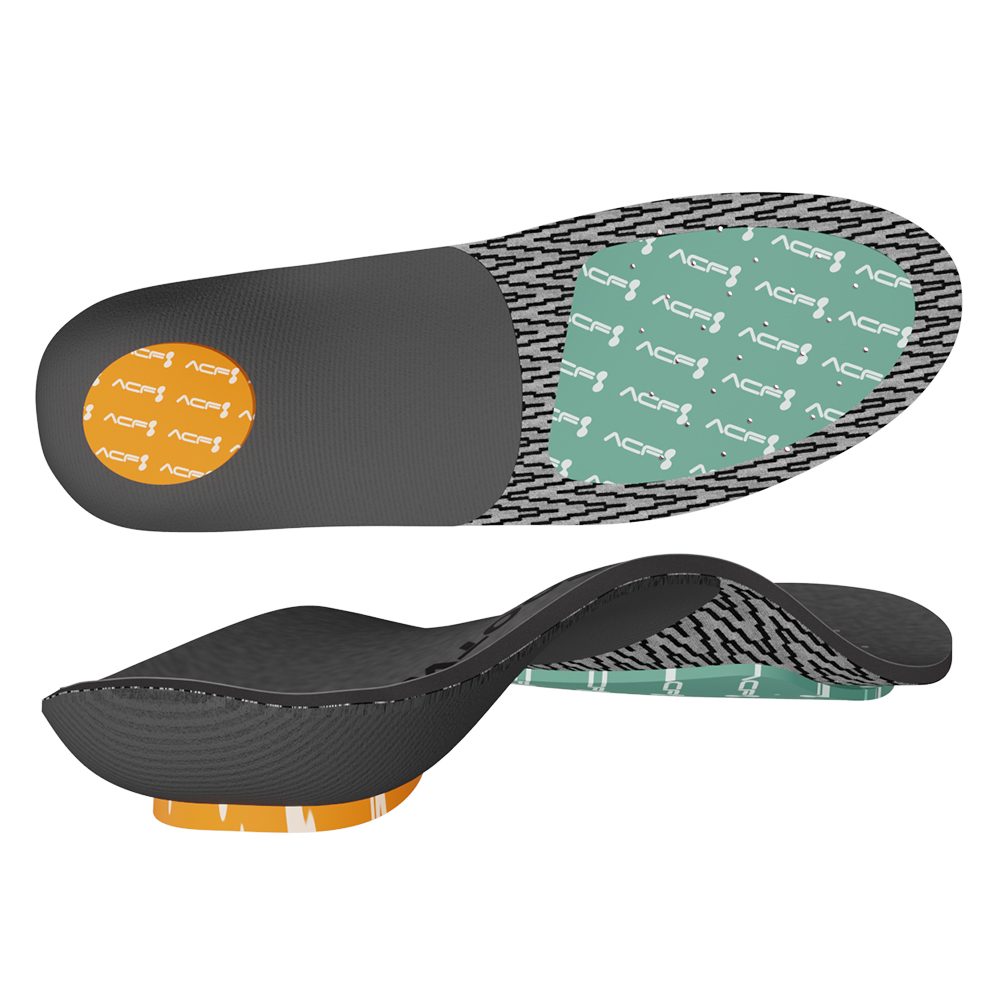
What can custom orthotic insoles such as those in the FX Daily range honestly do for a working night? The useful framing is support and load distribution. A build shaped to the wearer’s foot profile spreads the repeated landing of a loaded walk across more of the foot instead of letting the same small region take every crossing; it gives the arch a defined surface to work from through hundreds of short checks; it can be tuned for the reality that one side of the job is loaded more often than the other. Those are support tasks, and support tasks are what a build is for.
What a build cannot do is change the job. The tray still gets carried, the tile is still tile, the doubles still run late. Any conversation that drifts toward promising a waiter a painless shift has drifted too far, and it is worth pulling back deliberately. What a fair conversation sounds like is this: the measurement shows how the foot meets the floor under the conditions described; the build offers support and load distribution under those conditions; how the person feels across a shift afterwards is information only the waiter can report, and it should be asked about at a follow-up, not promised at the fitting.
That honesty is not a hedge; it is what keeps the file coherent. If the fitting notes say what the build was shaped to support, and the follow-up notes record what the waiter actually noticed across real shifts, the practice accumulates its own picture of what works for restaurant work in its own rooms — which is worth more over a year than any confident sentence spoken on fitting day.
Shoes, shifts and the reality of fitting
The last section of the conversation belongs to the shoes, because in restaurant work the shoe is the interface and the build lives inside it. House-provided slip-resistant shoes are common, and they vary enormously in depth, removable footbeds and the shape the insert has to fit into. We have written about the shoes that will not take an insole at all (The Shoe That Will Not Take an Insole), and restaurant footwear produces that problem regularly. Before any fitting, look at the actual work shoes — both pairs, if there are two — and establish what room exists inside them.
Practical points worth covering in the fitting: does the shoe’s own footbed come out cleanly, or does the build have to sit on top of it; is there a second pair for double shifts, and does it fit the same; how does the waiter get from home to work and back, because the walk either side of the shift is walked in a different shoe; and what does the dress rule actually say, in writing if possible. A build that only fits the good pair and travels in the locker on late shifts supports roughly half of the working week, and nobody planned that — it just happened because nobody looked at both shoes.
Close the fitting by booking the follow-up around real shifts, not around the calendar’s convenience. Two weeks of actual service — busy weekends included — is the minimum for a useful conversation, and the questions at follow-up are the same ones asked at intake: which stretch of floor, which hour of the shift, which side carried more. Same questions, twice, is how a practice learns whether the answer it built is working.
Frequently asked questions
Why does carrying a tray change the way a waiter walks?
A held or carried load tilts and loads one side of the body, so the tray side works under weight while the free side does more balancing. The walk shortens, turns tighten, and the pattern stays for hours. It is a genuinely different walk from empty-handed walking, which is why loaded observation belongs in the assessment.
Should an assessment watch the waiter walk with a tray?
Yes, where the room allows it. The empty-handed walk is a useful baseline, but the loaded walk is the one the shift is made of. A couple of crossings each way, noted plainly, is enough — and the measurement is still a measurement, with the interpretation left to the qualified professional.
Can one insole suit a waiter whose tray side changes with the section?
Ask first how fixed the carrying side really is. If the load alternates across rooms and seasons, the build is planned differently than for a strictly one-sided habit. Some feet genuinely need each side answered on its own terms, and the intake questions will tell you which case you are in.
What should I ask a waiter before planning any build?
Four things: which hand carries the tray and whether it switches; what shoes the shift actually runs in and who provides them; how many shifts a week and how many are doubles; and which part of the body complains first by closing time, in the waiter’s own words. Write the answers on the sheet with the date.
Do restaurant floor surfaces really matter for the assessment?
They matter enough to ask about. Tile, carpet, kitchen matting and terrace steps deal with the foot differently, and a waiter crosses all of them hundreds of times a shift. Which stretch feels worst by the end of the night is one of the most useful sentences a customer can give you.
Will good insoles make a shift feel easy?
No honest conversation promises that. A build offers support and load distribution under the conditions described; it does not lighten the tray, soften the tile or shorten the doubles. What the waiter notices across real shifts is information that comes back at follow-up — not a promise made on fitting day.
What if the house shoes will not take an insole?
Check the shoes before planning anything. Some house footwear has no removable footbed and no depth to spare. Where nothing fits inside, the conversation has to cover the whole week’s footwear, because a build that sits in the locker on late shifts supports only part of the working week.
What we would do next
If waiters come through your door, put the four intake questions on a card this week and ask them in the same order every time — tray side, shoes, shifts, first complaint — and add one loaded observation to the session wherever the room safely allows it. Neither change costs more than a few minutes per customer, and together they turn “works in a restaurant” into a shift you can actually read.
The habit worth keeping is the same one we keep returning to across these articles: describe the job before describing the foot. Restaurant work looks, from a distance, like every other standing occupation — and the cargo and the route are what make it its own case, closer in spirit to the long day around the chair than to any simple standing-hours figure.
And a question for the rooms that fit restaurant staff regularly: when you ask about the tray, do your customers switch carrying sides the way the section layout pushes them to — and has anyone tracked whether the side that complains first follows the side that carries more? We would like to hear what your files say.
This article is intended for professional and educational reference. It is not medical advice. Foot assessment equipment produces measurements and images; clinical interpretation and any decision about care remain the responsibility of a qualified professional. Certification scope is limited to the documentation we hold: European Union certification and ISO quality system certification.