
The diary allows fifteen minutes for each assessment, and the man in slot three has already been in the room for forty. His daughter came along to translate, his wife came along because she wanted to see the screen, and nobody in the family is in a hurry. Behind the door the afternoon is sliding. The receptionist has started offering the last customers of the day a choice between waiting and coming back next week, and both options leave someone disappointed.
Scenes like this repeat in every clinic, physiotherapy centre and fitting room that does foot assessment work. The diary is built around an average customer who barely exists: someone who arrives alone, on time, with a clear question and shoes that come off easily. Real sessions bend around children who will not stand still, grandparents who need an arm on the way to the plate, and customers who want to tell the whole story of their working life before anyone records anything. The record still has to come out fair, whatever the clock says. This article looks at where the time actually goes, which parts of a session can be moved out of the room, and how experienced teams keep the capture honest when the slot is already gone.
The Fifteen-Minute Assumption
The fifteen-minute slot is an accounting decision, not a clinical one. Somebody once divided a working day by a typical session length, rounded down, and the diary has defended that number ever since. The trouble is that the variables on the customer side are never average. Footwear changes the arithmetic on its own: boots with a full lace hierarchy take several times longer to remove and put back on than a slip-on, and nobody budgets for that. Mobility changes it again. A customer who transfers from a walker needs a chair with arms, clear space for the frame, and no sense of being hurried across the room. Language changes it too. When the conversation runs through a family member, every instruction is delivered twice, once for the customer and once for the interpreter, and every answer comes back carrying extra context nobody scheduled for.
None of this appears anywhere in the diary. The slot says fifteen minutes because fifteen is a tidy number, and the day starts running late from the very first session that ignores how people actually behave. Teams that handle this well stop pretending the average customer exists. They accept that some sessions are twenty-minute sessions and some are forty-minute sessions, and they shape the diary so that the difference is planned rather than discovered at four in the afternoon. That shift costs nothing. What it requires is knowing, before the customer walks through the door, which kind of session this one is likely to be. That is a booking question, not a room question, and it is answered at the front desk rather than in the assessment space.
What Actually Eats the Time
Ask a team where a session overruns and most will say the equipment. In practice the capture itself is usually the shortest part of the visit. What eats the minutes is everything wrapped around it. Untying and explaining. The customer who removes shoes and socks in the wrong order and has to start again. The story of the knee operation from a decade ago that the customer needs to finish before anyone touches their feet. The moment at the plate where a nervous customer freezes because they are suddenly the centre of attention and everyone is watching them walk.
One useful exercise for a team meeting: pick a day, and for each running-late session write down in one line what actually consumed the extra time. Not a complaint log, just a fact log. After a week the pattern is usually obvious and rarely what anyone guessed. In many clinics the biggest single thief is unstructured history-taking at the top of the session, followed closely by footwear handling. Both are movable. History can be collected before the customer arrives or in a seated conversation away from the capture area, and footwear handling can be tightened with a simple routine: shoes off first, socks second, a fixed place for both, and the assistant already knowing from the booking notes whether laces, straps or buckles are involved. Teams who log honestly for one week usually find they can recover most of the lost time without buying anything or seeing fewer customers. They just stop spending minutes in the two places where minutes quietly disappear.
Move the History Out of the Room
The first structural fix is to take the conversation away from the capture area. When history-taking happens standing next to the equipment, two things go wrong at once. The session clock is already running, so every question feels expensive, and the customer associates the room with hurry, which makes their walk stiff and unrepresentative. Moving the intake conversation to a desk, a waiting corner or even a phone call a day earlier changes the shape of the whole visit.
A practical version: when booking, send or read out four questions and note the answers in advance. What brings you in, in your own words. What does a typical working day do to your feet. What footwear covers most of your week. Has anything about your feet changed in the last year. Four questions, five minutes, and the answers are waiting in the file before the customer takes off a single shoe. In the room, the conversation starts from those notes instead of from zero, and the customer arrives feeling that someone already listened once. Teams that adopt this routinely report the same side effect: the customer walks more naturally during the capture, because the strangeness of being questioned has already been spent somewhere else. Nothing about the equipment changed. The sequence changed, and the sequence is free.
The Two-Visit Split
Some customers simply cannot be assessed well in one sitting, and pretending otherwise damages the record. Small children, customers with limited mobility, and anyone who needs an interpreter often do better across two short visits than one long one. The split is easier to sell than most teams expect, because framing matters: the second visit is not a failure of the first, it is the part where we take our time and do it properly.
A workable split for a crowded diary goes like this. Visit one: welcome, history confirmation, footwear inspection, and the static record taken while the customer is fresh and unhurried. Visit two, scheduled at a quieter hour: the moving capture, any repeats, and the conversation about what the record shows and what happens next. Spacing matters here; a gap of a week or more between visits also tells you something useful about day-to-day variation, which is a point worth making to the customer rather than hiding. For teams worried about no-shows on the second visit, tie it to something the customer already wants: the second appointment is where the findings are explained, so attendance is usually better than for a plain repeat. The two-visit split is also the honest answer when a customer arrives at the end of an already running-late afternoon. Capturing tired, rushed feet to save a rebooking produces a record that nobody fully trusts later.
A Pre-Brief Written Before the Door Opens
The second concrete habit is the pre-brief. Before the customer enters the room, whoever handled the booking writes four short lines at the top of the file: who is coming, who is coming with them, what footwear they will arrive in, and what the appointment is really for. Four lines, thirty seconds, and the session starts with knowledge instead of discovery.
The lines earn their keep on the difficult days. A note that says “mother attending, will answer for her unless you address her directly” changes how the whole team speaks. A note that says “work boots, double knot” means an assistant appears with a shoe horn and a stool instead of the customer fighting laces alone by the door. A note that says “mainly curious, brought by daughter” resets expectations: this is an introduction, not an investigation, and trying to compress a full session into it serves nobody. Over a few weeks the pre-brief becomes the team’s shared memory. New staff inherit judgement they have not yet lived through, because the reasons are sitting in the file in plain words. It also gives the reception desk a legitimate way to shape the diary, since the person writing the lines is the person best placed to see that tomorrow afternoon contains two interpreter sessions and one walker transfer, and to leave gaps accordingly.
Children, Grandparents and the Simply Curious
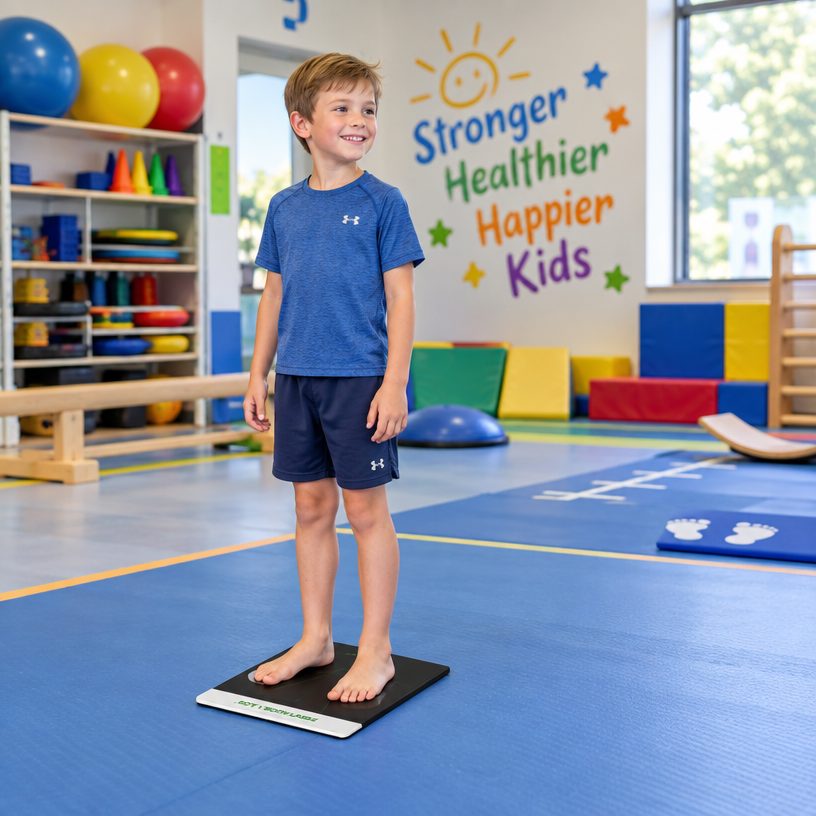
Three customer types deserve their own playbook, because they break the fifteen-minute assumption in completely different ways. Children break it through movement. A child asked to stand still on a strange plate will comply for a moment, then fidget, then leave. The working answer is speed and staging: everything prepared before the child enters, the parent holding a hand rather than giving orders, the capture done in the first minute before novelty wears off, and a genuine second attempt only if the first record is unusable. Treating the child’s visit as a game with a clear end works better than any amount of coaxing.
Grandparents break the clock through care. Transfers, balance, the walking frame that will not fit through the doorway somebody measured by eye. Here the time goes where it should: safety first, record second. Budget for it openly rather than apologising for it. The simply curious break it through conversation, and the answer is a gentle boundary set at the start: what we can look at today, what belongs to a fuller appointment, and where the boundary sits. Curious customers who get a clear shape to their visit often become the best referrals, because they were never sold anything, they were shown something. Teams that treat these three groups as exceptions to be suffered treat every week as an interruption. Teams that hold a plan for each treat them as the ordinary substance of the work, which is what they are.

Keeping the Record Fair When the Clock Is Already Gone
However good the booking habits become, some sessions will still overrun, and the question that matters is what to protect first. The answer experienced teams converge on is the fairness of the record. A fair record comes from an unhurried customer, correct footwear handling, the capture repeated if the first attempt looks wrong, and no decisions made in the last thirty seconds of a session that everyone wants to end. When time runs out, it is better to capture less and capture well than to capture everything and trust none of it.
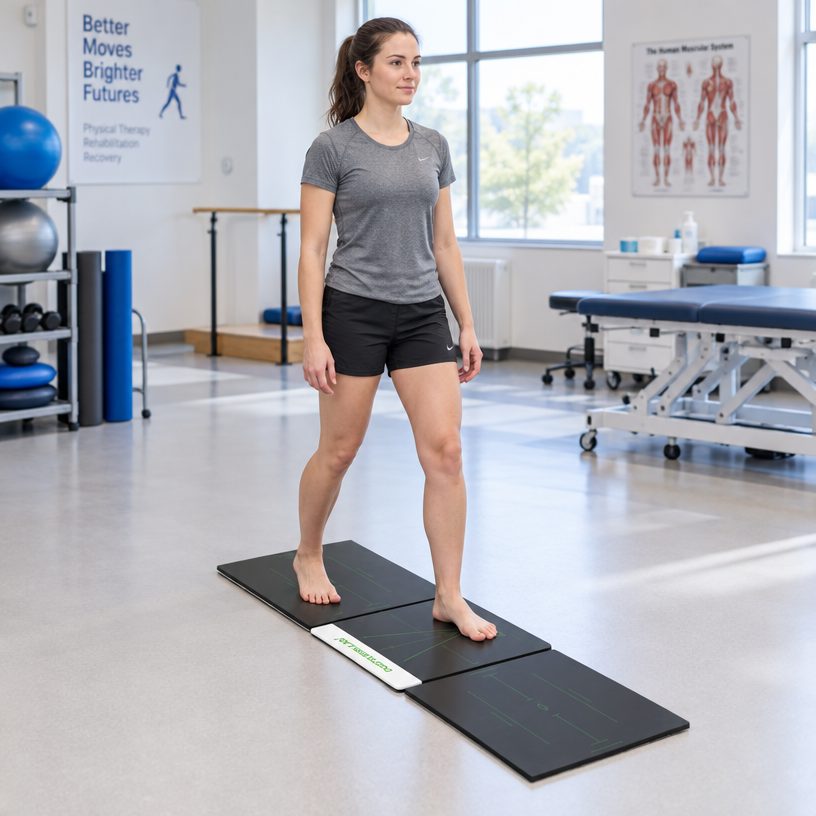
That often means saying one honest sentence: we have the part we need today, and the rest gets a proper slot of its own. Customers accept that sentence far more readily than teams expect, because it signals care rather than hurry. What undermines trust is the opposite, a session where the customer can feel the clock breathing down everyone’s neck while important choices get made quickly. The capture itself, on a pressure platform such as our gait and pressure assessment system, is short once the customer is settled; nearly everything else around it is scheduling, and scheduling can be learned. If a repeated capture is needed because the first attempt was rushed, it is worth remembering that retakes usually have ordinary causes, and hurry is the most ordinary of all. The diary is a tool for serving customers, not a contract they signed. When the two disagree, the record wins, and the diary learns.
One more group deserves a thought while the diary is running late: the customers still in the waiting room. They are watching the clock too, and a running-late afternoon is only tolerable when someone owns it openly. A front desk that states the honest position, offers the choice between waiting and rebooking, and applies the two-visit split to whoever accepts the wait keeps trust intact through even a bad day. Silence is what turns a twenty-minute delay into a complaint. Teams that communicate the delay and pair it with a visible plan, the fact log from the morning, the pre-brief lines in the next file, often find that customers describe the same overrun afternoon in completely different words afterwards: organised, or chaotic, depending on whether anyone explained what was happening.
Frequently asked questions
How long should a first foot assessment appointment be?
There is no single correct length. Many teams find that a first visit needs roughly double the time of a routine follow-up, because history, footwear handling and explanation all happen for the first time. The useful step is measuring your own sessions for a week and setting slot lengths from what actually happens.
Can the customer history be taken before the visit?
Yes, and it is the single most effective way to protect the session. Four short questions asked at booking, with answers noted in the file, move most of the conversation out of the capture room and leave the in-room time for the record itself.
What if a child will not stand still during the capture?
Prepare everything before the child enters the room, keep the parent close, and capture in the first minute while novelty still holds. If the record is unusable, book a short second attempt rather than prolonging the session until everyone is frustrated.
Is it acceptable to split an assessment across two visits?
For children, customers with limited mobility, or anyone needing an interpreter, two shorter visits often produce a fairer record than one rushed session. Frame the second visit as the proper part, not a repeat, and attendance is rarely a problem.
Does running late affect the quality of the record?
It can. A hurried customer walks and stands differently, and decisions made in the final moments of an overrun session deserve suspicion. When time is gone, capture less and capture well, and give the remainder its own appointment.
What should reception ask when booking a foot assessment?
Who is attending and who is coming with them, what footwear they will arrive in, whether any walking aid is used, and what the visit is for. The answers become the pre-brief lines that shape the session before it starts.
How do we keep the diary realistic without turning customers away?
Flag the sessions that need more time at booking and leave deliberate gaps around them, rather than padding every slot. Most teams recover enough minutes from tighter history-taking and footwear routines to fund the extra room without seeing fewer people.
What we would do next
If the diary in your clinic or fitting room runs late most afternoons, start with the fact log rather than the timetable. One week, one line per running-late session, no blame. The pattern that emerges usually points at history-taking and footwear handling first, both of which can be moved or tightened without any purchase at all.
Then try the pre-brief for a month: four lines at the top of every file, written by whoever took the booking. It costs half a minute and changes sessions you never saw going wrong. When a session truly cannot fit, split it, and space the second visit far enough apart that the comparison tells you something. If you are unsure how far apart two records should sit to make a fair comparison, it is worth reading how other teams space the second capture before setting a house rule.
Here is the question we put to fellow professionals: when your diary and a fair record disagree, what does your team protect first, and what have you stopped doing to make room for it? The comment section is open, and the answers from people who run full diaries are worth more than any template.
This article is intended for professional and educational reference. It is not medical advice. Foot assessment equipment produces measurements and images; clinical interpretation and any decision about care remain the responsibility of a qualified professional. Certification scope is limited to the documentation we hold: European Union certification and ISO quality system certification.