
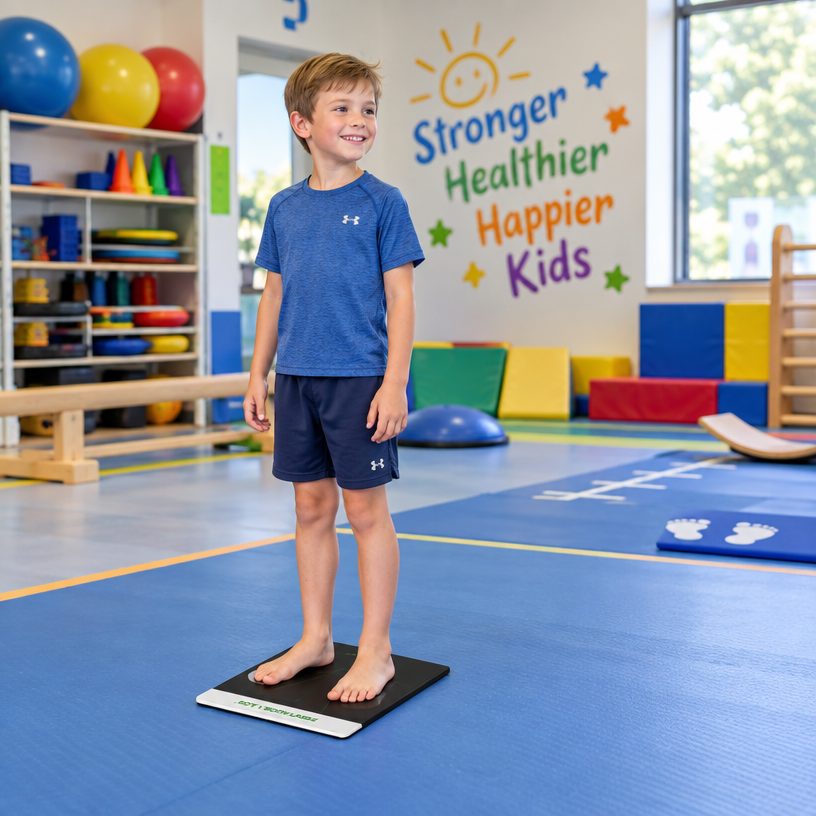
When the Customer Cannot Stand Still: Capturing a Record That Still Holds
A shifting customer is not a failed session. How operators choose frames, repeat passes and write the condition down.

A shifting customer is not a failed session. How operators choose frames, repeat passes and write the condition down.
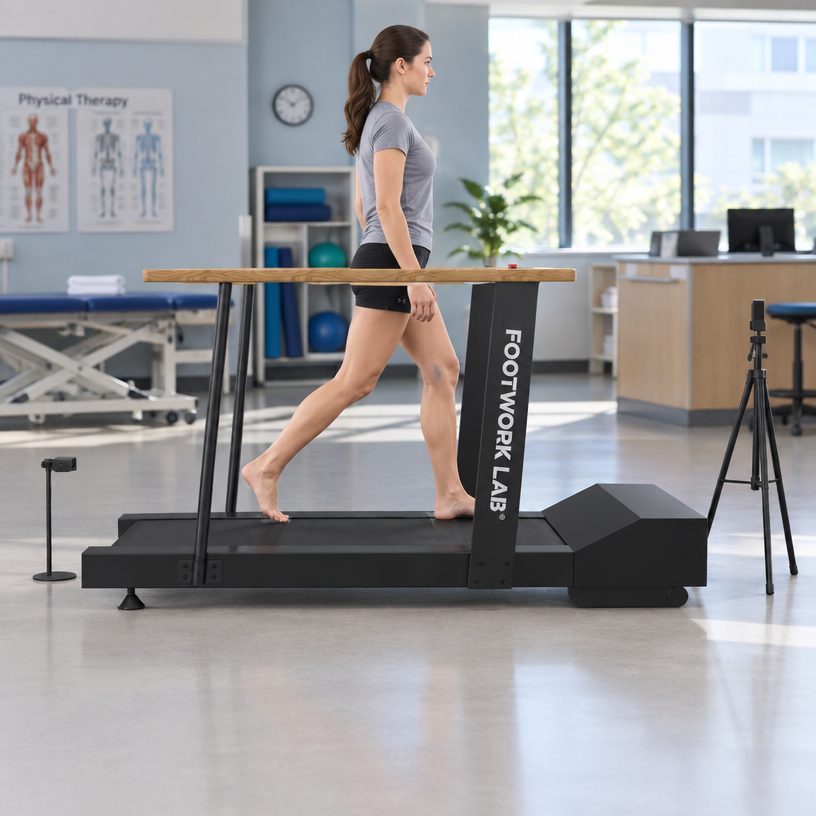
A record can show whether two sides move alike under load. It cannot clear anyone to play, and saying so is part of the job.
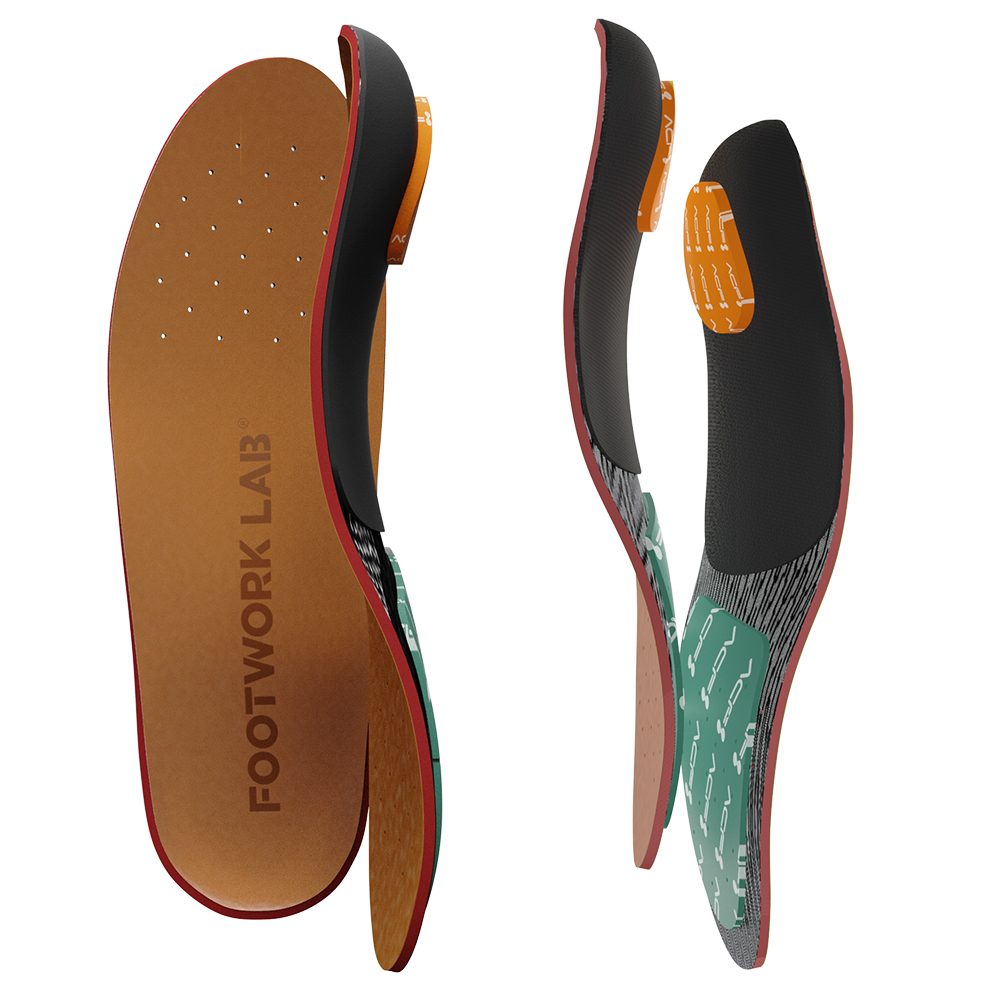
A private label order is decided as much by the box and the label as by the build. What to settle before production starts.
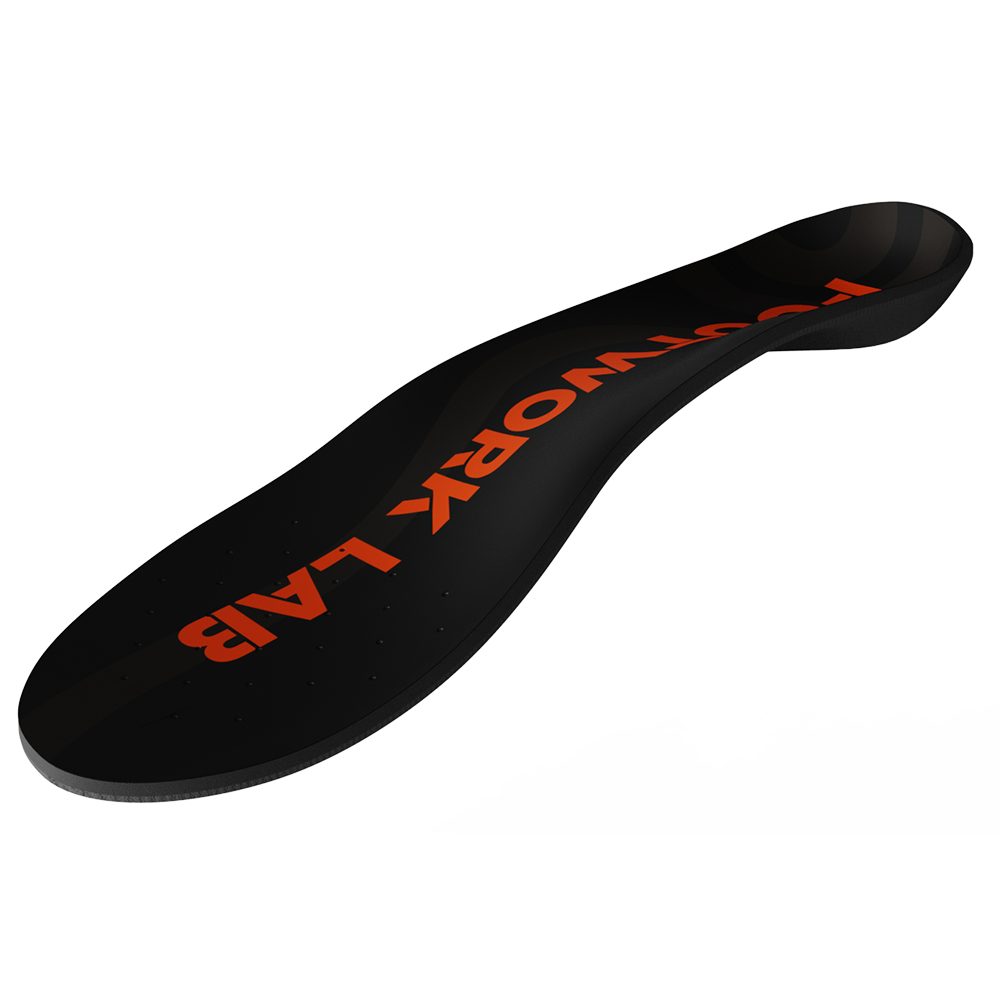
A boot carries a foot for hours on uneven ground. Volume and lacing decide as much as the insole does.
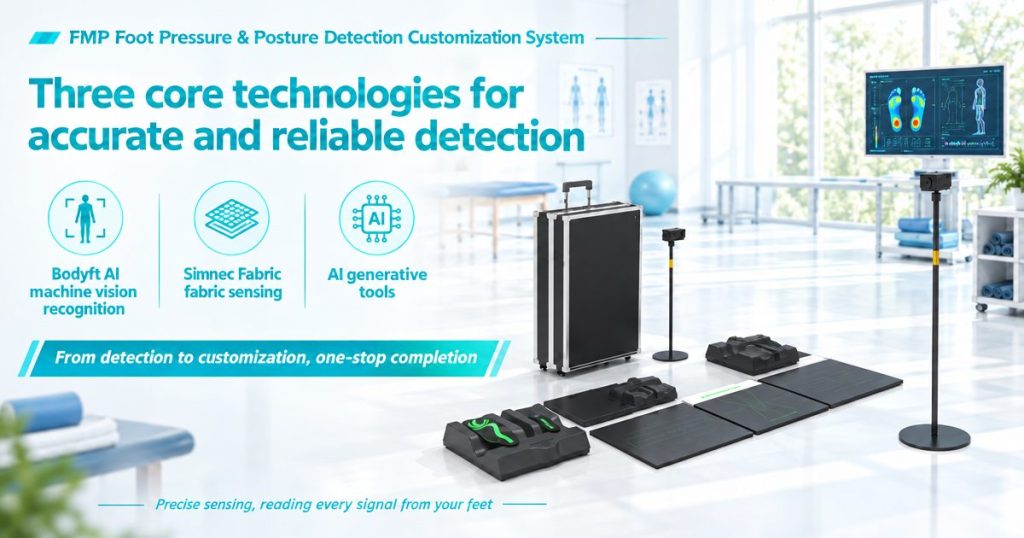
A screen shows a workflow; it does not show a room. How to run a remote evaluation that leaves few surprises on delivery day.
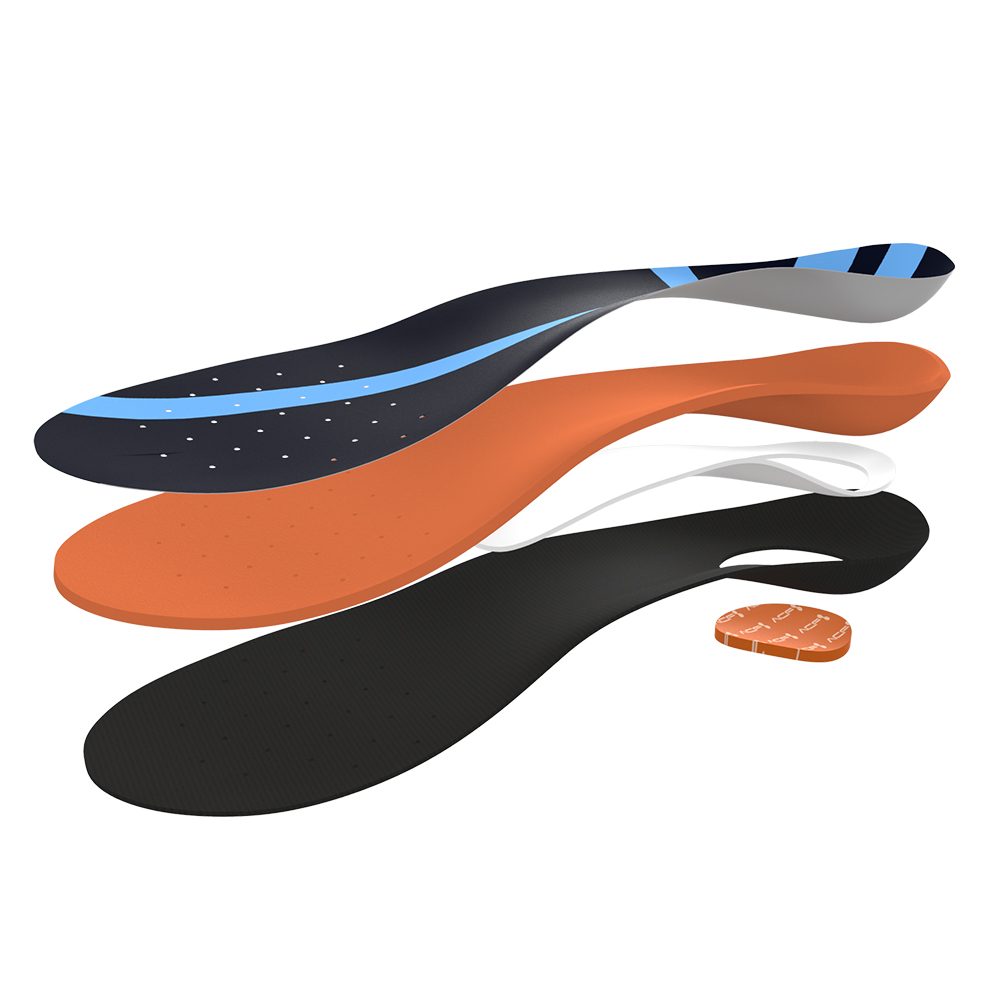
A wedge tilts the surface the foot stands on. What it changes, where it is added, and why more is not better.
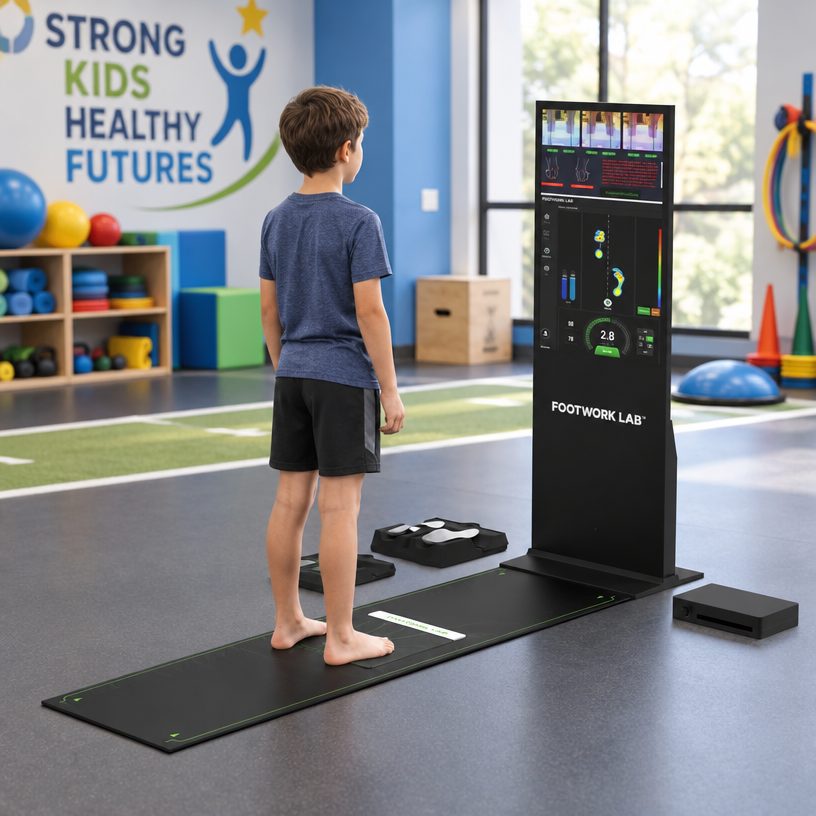
A record from last year is only useful if this year’s machine still measures the same way. The checks that keep two records in one language.
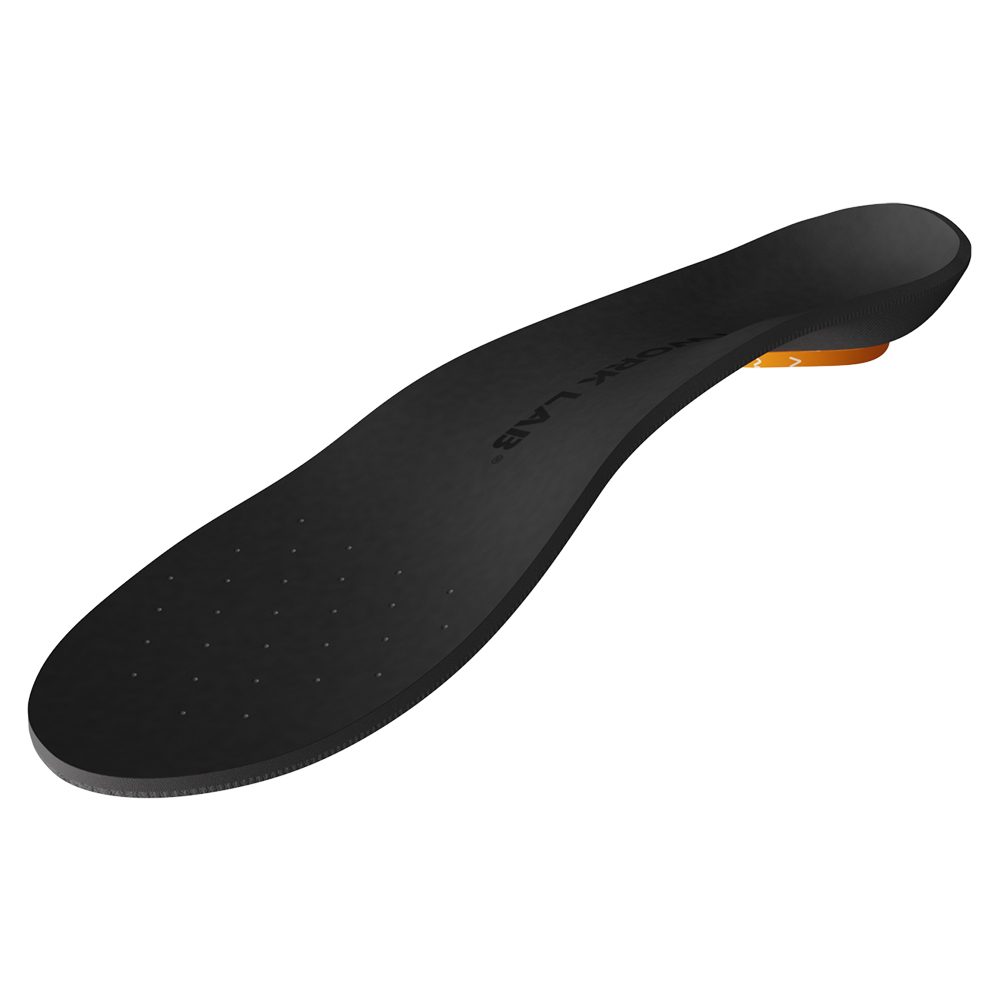
Most people are not symmetrical. When the difference is worth building for, how to write the order, and how to stop the pair being swapped.
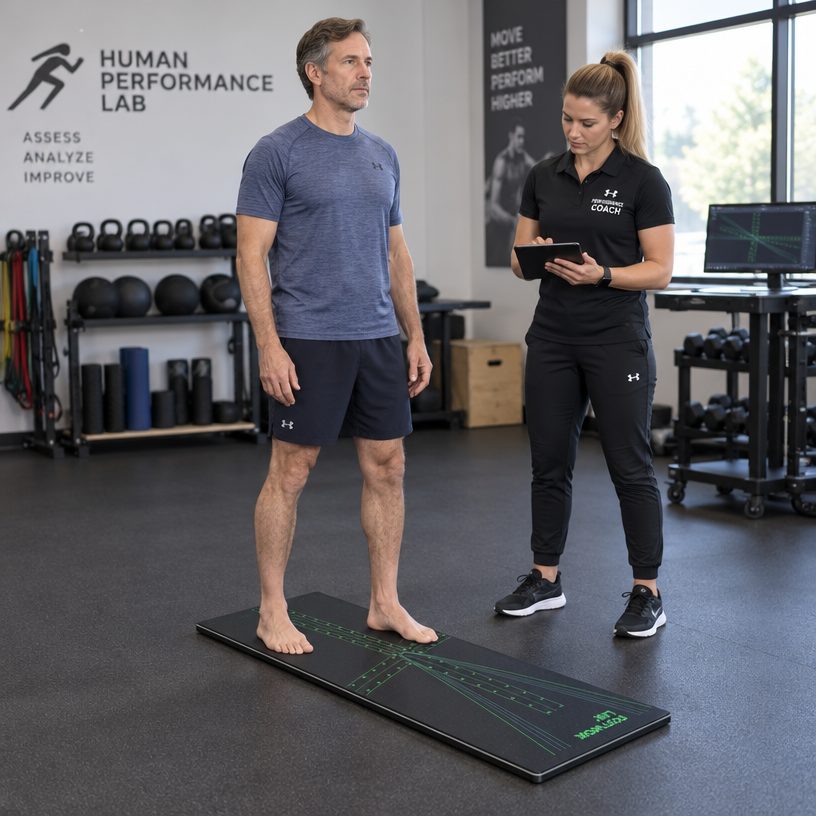
A foot measured at eight in the morning and at six in the evening is not the same foot. What changes, and how to keep the comparison honest.
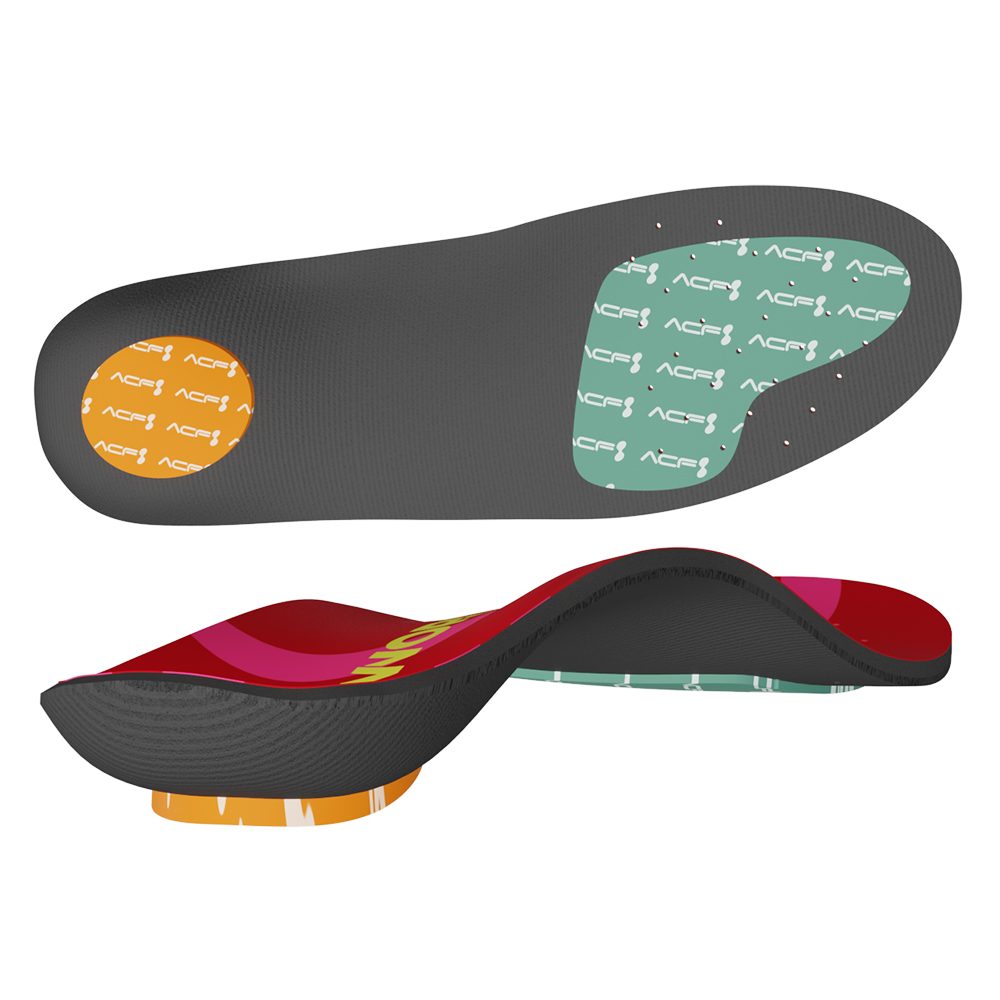
Side-to-side movement asks a different question of a shoe and an insole than straight-line running does. The shoe does most of the work.
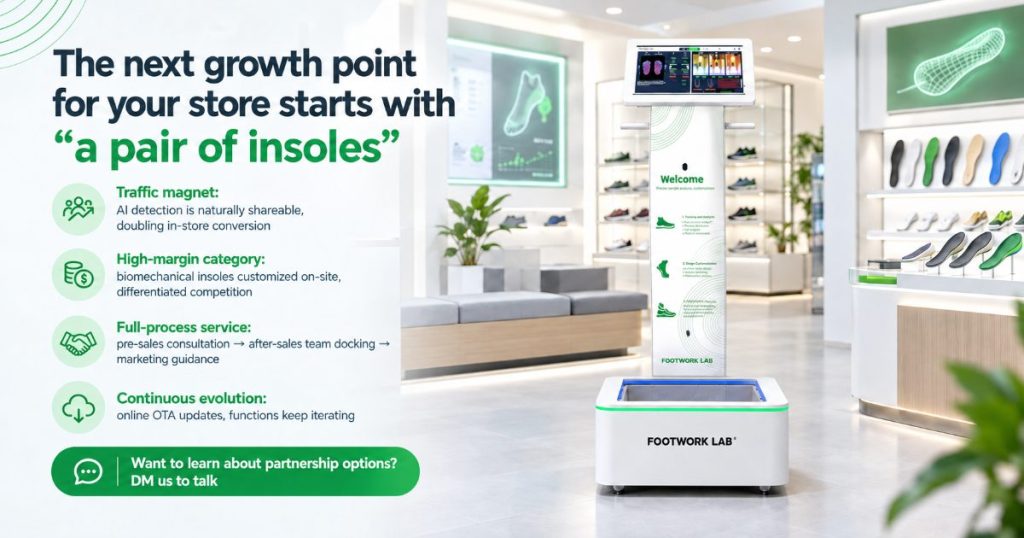
Three figures sit side by side on the page and mean different things. Reading them together is the only way they hold up.
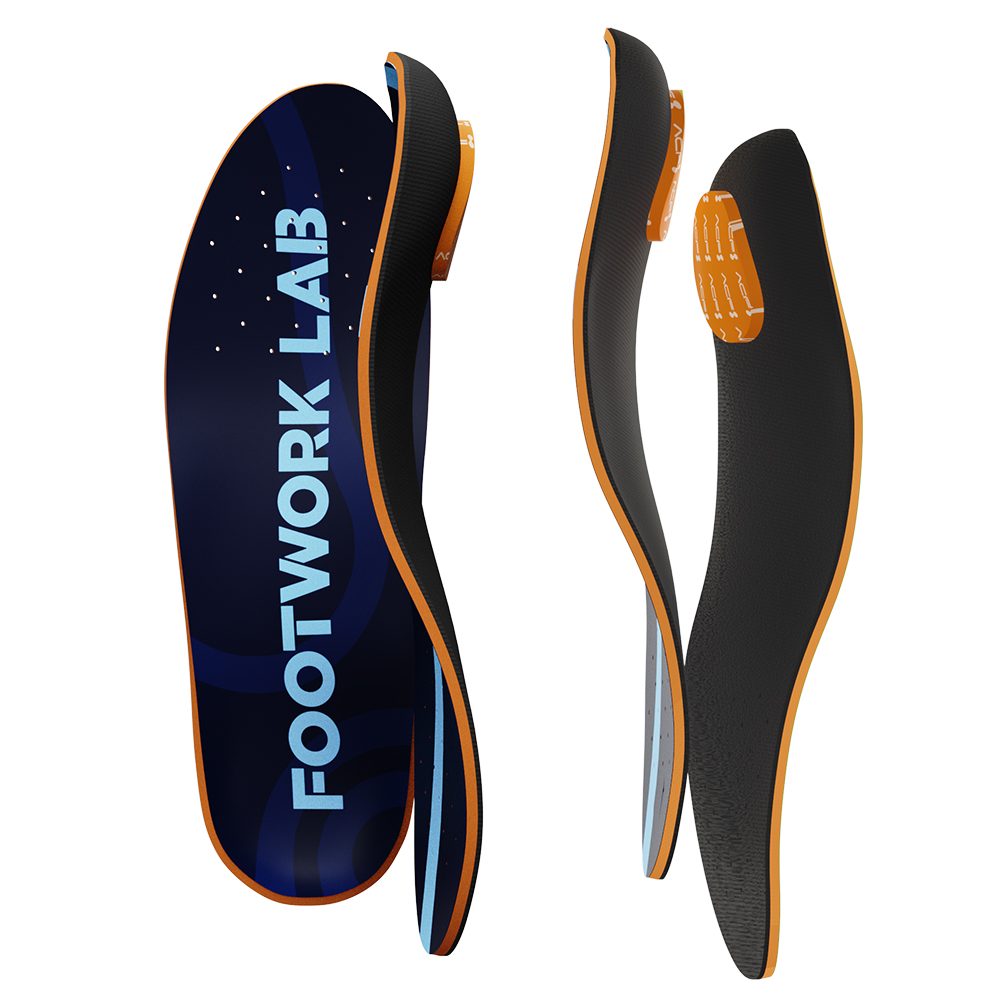
The shell usually outlives the surface. When a re-cover is enough, when it is not, and what the fitter should look at first.