

A 3D Scanner or a Pressure Mat in a Shoe Store: Two Purchases That Solve Different Problems
Shape data and load data answer different retail questions. Which one shortens fitting time, which one reduces returns, and when a store needs both.

Shape data and load data answer different retail questions. Which one shortens fitting time, which one reduces returns, and when a store needs both.

Sport names sell insoles; load profiles build them. How duration, surface and shoe volume reach the specification sheet before anything is molded.

A clinic, a shoe retailer and a workshop need different answers from the same category. How to spec a room instead of a machine.

Thermoforming and molding are often used as synonyms and rarely are. What each process does to a blank, and how to tell which one a supplier actually runs.

Where scanning sits in a real appointment: preparation, capture, the second pass, and the handover to the professional who interprets it.

Capture is the shortest part of the chain. What happens to the file afterwards, who edits it, and which checks decide whether the pair matches the design.

Quotations are rarely written the same way. How to compare scope, spares, training, software and freight line by line instead of comparing one number.

Custom insoles are a manufacturing commitment. What the fit file contains, how a mixed order is built, and which remake terms belong in writing before the deposit.

A demo is a test you design, not a visit you receive. What to prepare, what to run twice, and which questions belong in the room rather than in the follow-up email.
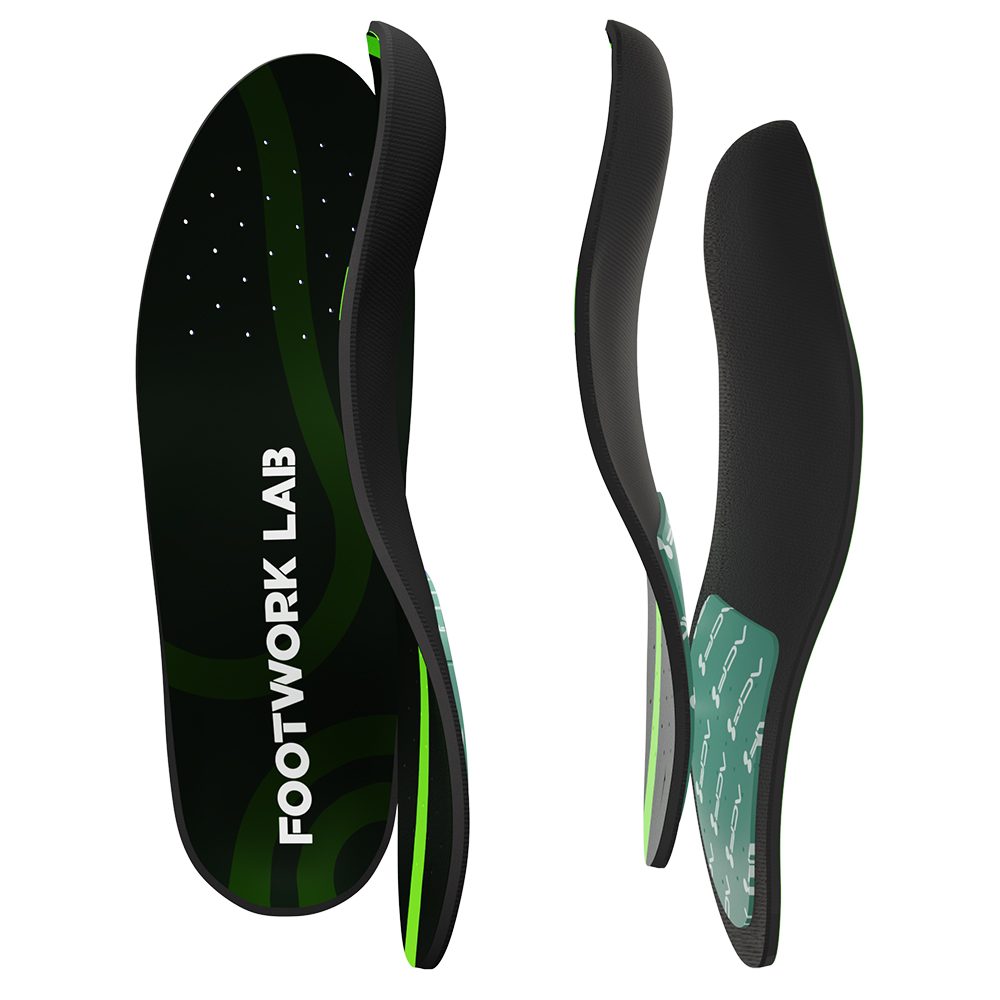
A standard insert cushions; an orthotic is built from a measurement. Where one ends and the other begins, and what that changes in the order.
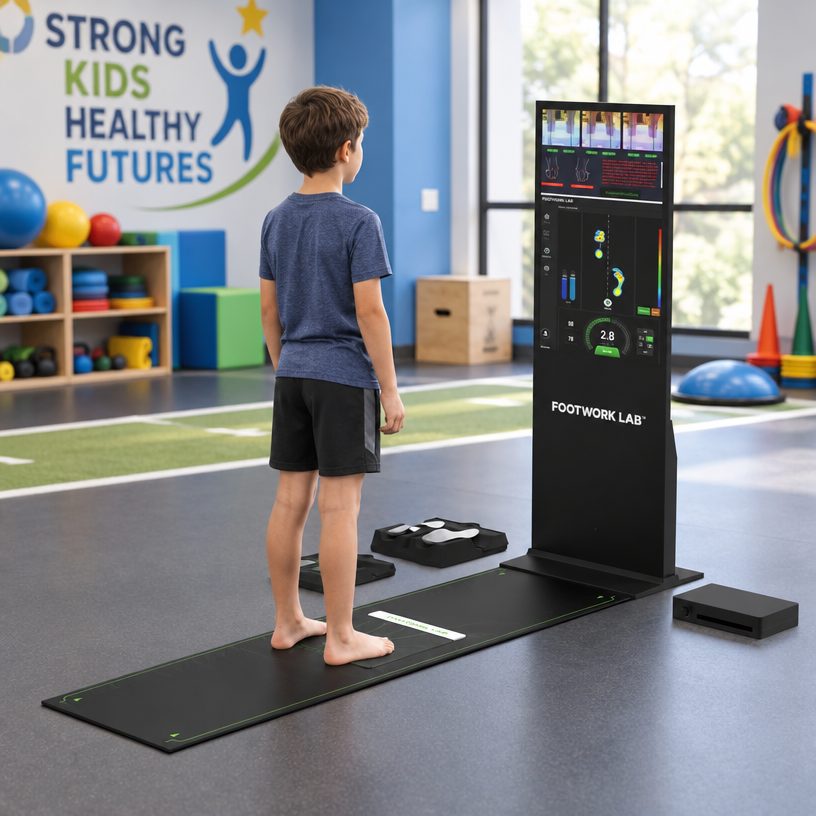
A dealer can be the right channel when the service questions are answered first: parts, training, firmware and who signs when something fails.
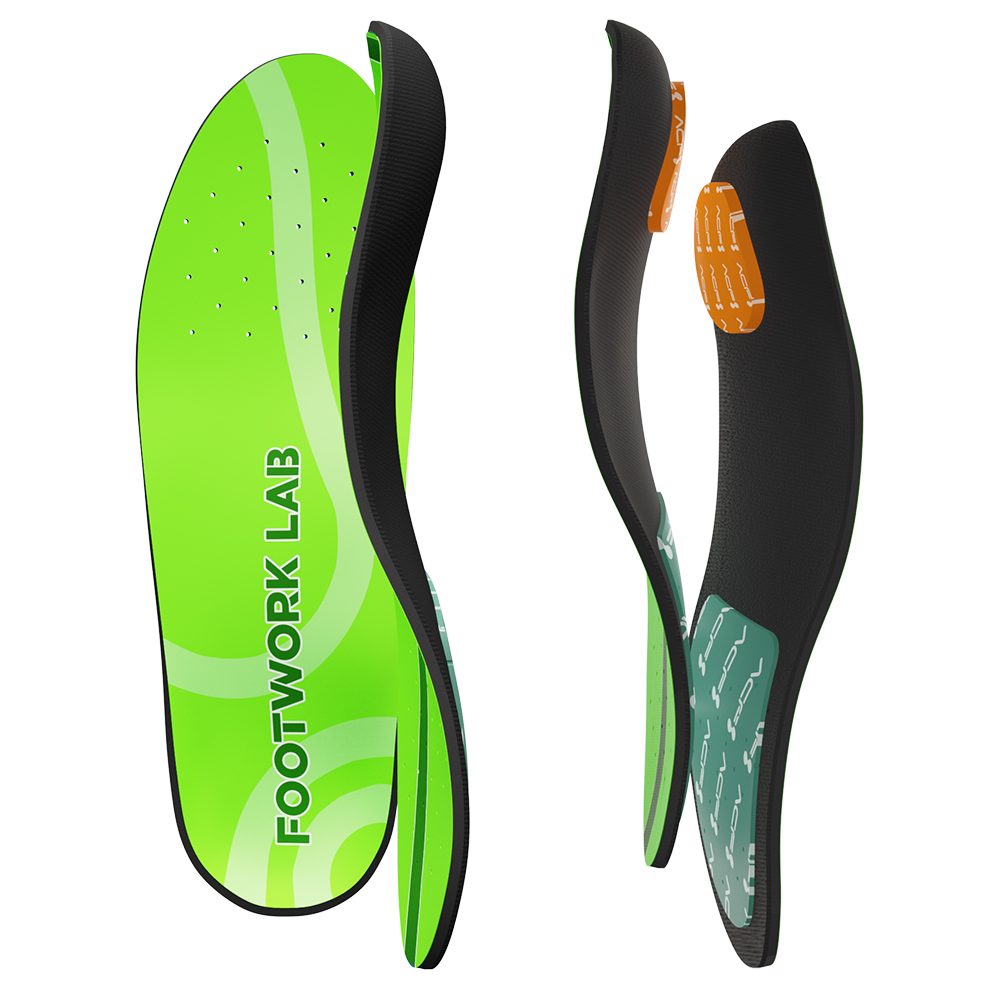
Where biomechanics enters the process: the assessment records, the design decisions they inform, and the limits that keep measurement honest.