
Foot rehabilitation devices are usually bought as a kit and used as a fraction of one, and the reason is almost never clinical. Kits fail on logistics: too many items to store, no protocol that says when each is used, no owner for replenishment, and no way to tell which items were ever taken out of the box.
That is a purchasing problem disguised as a clinical one. A room with six devices and no routine uses two; a room with three devices and a written routine uses all three and can say what each one is for.
This article sets out how to assemble a kit that survives a year of use: how to decide what belongs, how to sequence its introduction, and how to review it honestly. We build assessment equipment and insoles, so the account of what gets used comes from rooms we have equipped rather than from a catalogue of possibilities.
Kits fail for logistical reasons
The first failure is storage. Devices that live in a cupboard get used when someone remembers them, and remembering is not a system. A device that has a place on the wall or the bench gets used because it is in the way of the work.
The second is protocol. A device without a written indication is a device that depends on the practitioner’s mood. Written indications — when to use it, on whom, for how long — turn a device into a step in an appointment.
The third is replenishment. Consumable parts run out quietly, and a device that is waiting for a part is a device that has stopped existing for the staff. Someone has to own the reorder, and the owner needs a schedule rather than a memory.
None of these three has anything to do with whether the device works. They decide whether it is used, and usage is the only measure that matters in a room that has already paid for it.
It is worth naming the person who owns the kit. A kit with an owner has a schedule, a stock check and a review; a kit without one belongs to everybody and is maintained by nobody. The owner does not need to be senior; they need to be present.
There is a fourth failure that is cultural rather than logistical: a kit that arrives with a launch event and no follow-up. The event creates interest, the follow-up creates habit, and habit is what keeps a device in use after the novelty has gone.
What belongs in a first kit
Three functions, not six products. Something that measures load, something that measures or records alignment, and something that supports the plan afterwards — usually an insole or a footwear recommendation. A kit that covers those three functions has a beginning, a middle and an end.
The measurement of load can be as simple as a pressure surface used in a screening role; the alignment record can be a camera capture; the support element can be a specified insole. Each is a step in a sequence, and the sequence is the product the clinic actually sells.
What does not belong in a first kit: devices that duplicate a function already covered, devices that require a specialist to operate when no specialist is on site, and devices whose only role is to impress during a tour.
A short kit also has a commercial advantage. Three devices that are used daily generate more conversations with clients than six that are used occasionally, and conversations are what turn an assessment into a plan.
It is also worth deciding what the kit is not for. A kit assembled for screening should not be used for research, and one assembled for research should not be pushed into a screening slot. Mixing the two produces records that satisfy neither purpose.
A fourth function is worth considering once the first three are routine: something that shows change over time. That is usually a comparison capability rather than a new device, and it is what turns a kit into a programme.
Sequencing the introduction
Introduce one device at a time, with a fortnight between them. The first fortnight is for the routine: who runs it, on which appointments, and where the record goes. The second device arrives into a room that already has a habit.
Write the indication for each device on a single page, in the language of appointments rather than of conditions. ‘Use at the first visit for every new client’ is an indication; a clinical description of a device is not.
Then time the appointment again. A kit changes the length of a visit, and a room that does not re-time its slots will either run late or drop a step. Re-timing is the step clinics skip most often and regret most reliably.
The introduction sequence also gives the staff a story. A room that added three devices over six weeks can explain why each one is there; a room that installed a kit on a Friday cannot.
The introduction should also include a note to clients. A short explanation of what will happen and why tends to shorten appointments and improve the record, because a client who understands the sequence stands more naturally than one who is being moved around.
It is worth writing down what happens when a device is unavailable. A room with a fallback — a manual check, an alternative capture — keeps its appointments; one without a fallback cancels them, and cancellations are more expensive than the device.
It is also worth agreeing what the kit will not do before it is bought. A room that expects a screening kit to produce a programme will be disappointed, and the disappointment tends to be attributed to the equipment rather than to the expectation, which is the more expensive of the two errors.
Support, consumables and the invisible cost
Every device has consumables or wear items: covers, pads, cables, calibration references. Their cost is small and their absence is total, because a device waiting for a part is out of service.
Build a small stock of the two most-used wear items and set a reorder point that is visible — a label on the shelf, a line on a weekly checklist. That is the whole system, and it is enough.
Support matters more than buyers expect in the first three months. Ours is a dedicated WhatsApp group with an engineer on the other end and remote assistance when a capture misbehaves, which is the right shape for a technician-led room. Whatever the supplier offers, ask what happens at four in the afternoon on a clinic day.
Warranty is part of the same conversation. Machines carry a twelve-month warranty against non-human damage in our terms; the useful question for any supplier is what the process is when something fails, not only how long the coverage lasts.
It is worth putting a named contact on the shelf label. A room that knows who to call for a part or a question resolves both faster than one that relies on a general support address, and the label costs a minute to write.
It also helps to label the parts. A drawer of unlabelled consumables is a drawer nobody trusts, and trust is what allows a device to be used without checking twice.
Reviewing the kit after a year
Three questions are enough. Which devices were used in the last month, and on how many appointments? Which items needed a part or a repair, and how long did the room wait? Which questions did clients ask that no device in the room could address?
The answers usually produce one removal, one addition, and one change to protocol. A kit that grows without removals becomes a storage problem within two years, and storage problems are how good devices become invisible.
The review should include the insole side as well. If the support element in the kit is producing remakes, the specification is the problem rather than the device, and the fix is a field list rather than a new purchase.
Write the review down. A one-page note per year turns a kit into a managed asset, and it makes the next purchase decision evidence-based instead of aspirational.
A fourth question belongs in the review: what did the staff stop using, and why? Devices abandoned quietly are the most expensive items in the room, and the reason is usually a step that takes longer than the appointment allows.
The review should also ask whether the room’s protocol still matches its appointments. Rooms change: a clinic that adds a second practitioner, or moves to longer slots, needs a different routine, and a protocol written for the old schedule slowly becomes fiction.
It is also worth asking whether the kit’s records can be handed to another practitioner. A record that only the originating room can open is a record that binds a client to a building, and clients move.
The support element and its specification
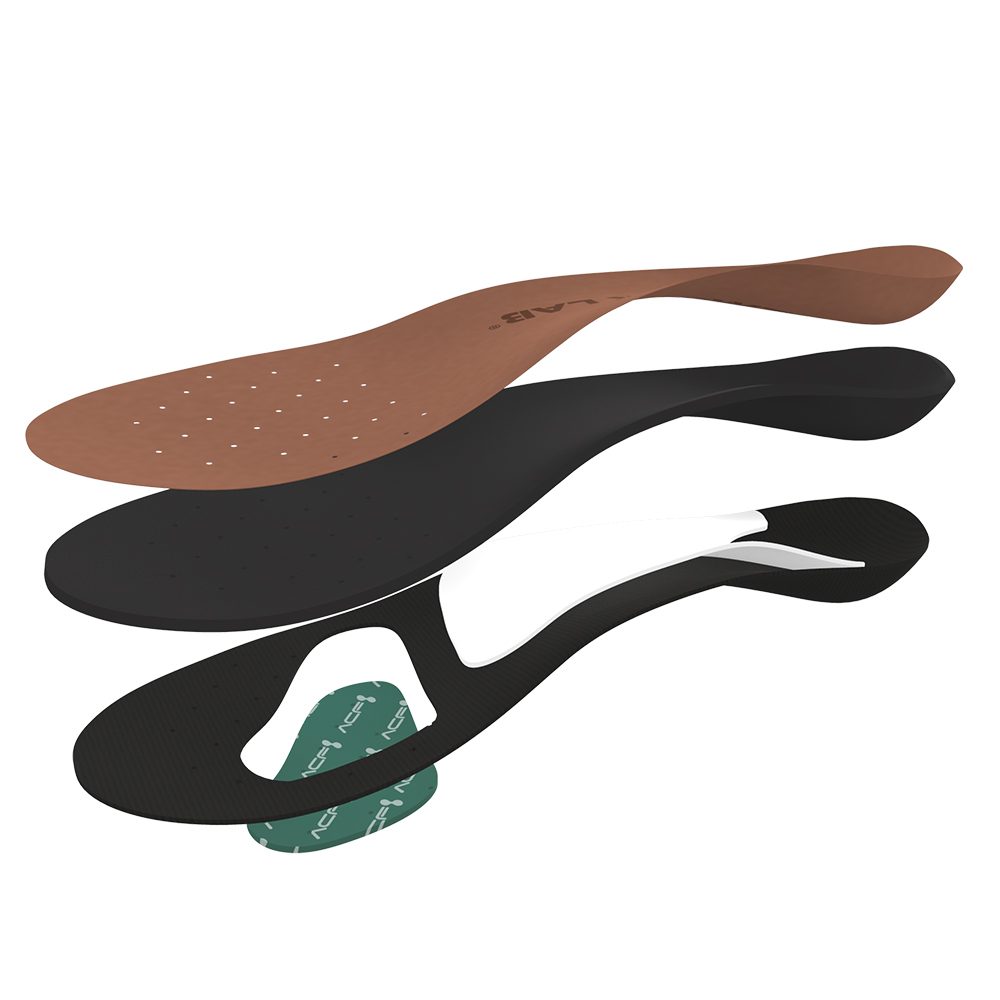
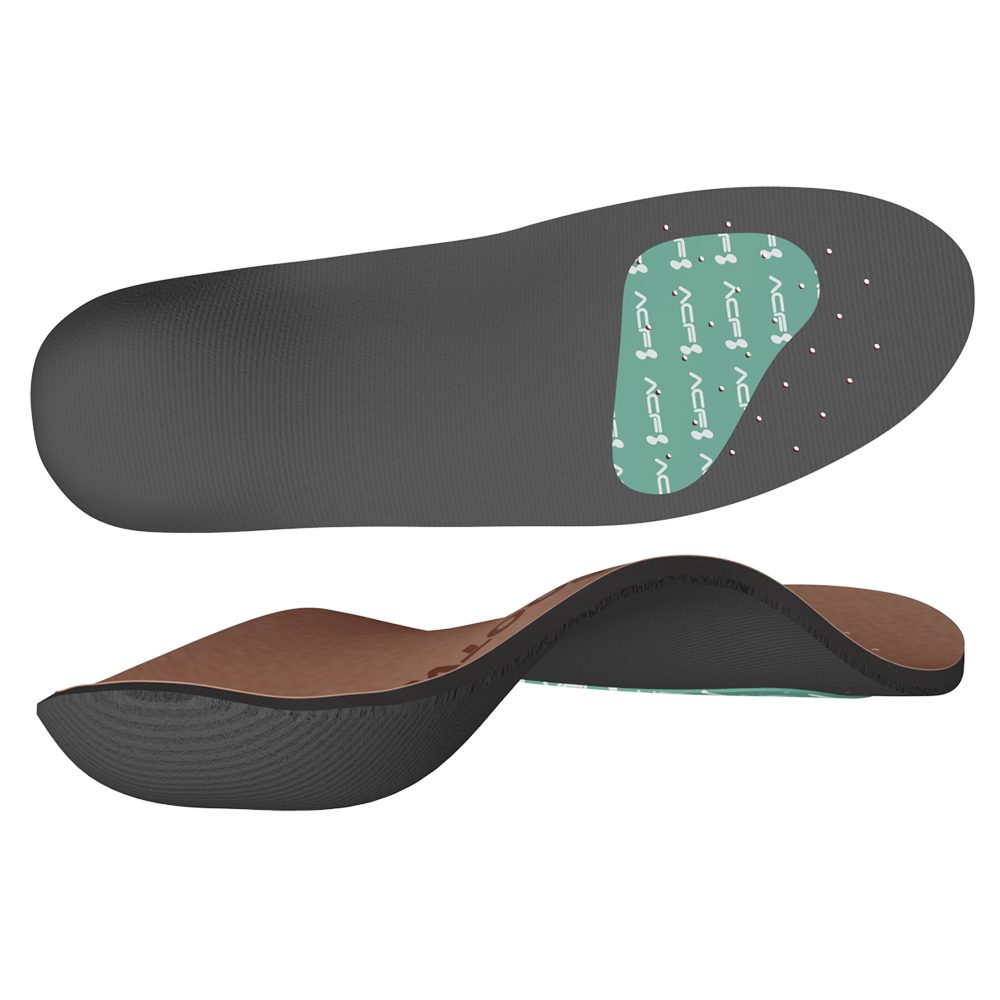
The supporting product in a kit is usually an insole, and the insole is where most of the value is delivered. It should be specified from the record the kit produces, not from a catalogue: arch geometry, heel cup, shell stiffness family, cover, thickness budget and footwear context.
That specification is also what makes the kit’s output repeatable. A pair built to fields can be rebuilt; a pair chosen by feel cannot, and the second visit then starts from scratch.
Our own production runs a two-hundred pair minimum with mixing, samples within three days, and capacity of roughly five hundred to a thousand pairs a day, which suits a clinic that reorders for a patient group rather than one that orders single pairs.
The kit and the insole should be reviewed together, because a change in one changes the other. A new device that produces a more detailed record will change the specification fields that record can support, and the insole range should follow.
The support element should also be reviewed for fit rather than for sales. A pair that generates a remake a month is telling the room something about its specification habits, and the fix is usually a field that is consistently left blank.
It also helps to keep one reference pair on the shelf. A physical reference makes a specification argument concrete, and it gives new staff something to handle before they handle a client’s pair.
It also helps to keep the specification of the support element with the kit’s own records. If the insole changes, the kit’s output changes, and a room that tracks both notices the change before a client does.
What a room actually needs
A room needs fewer devices than it wants and more routine than it has. Three functions, one page of indications, a reorder point on a shelf, and a quarterly review are enough to make a kit work in a busy clinic.
The temptation is always to add capability. Capability that is not used is cost, and cost that is not used is the fastest route to a room that stops investing in anything.
The alternative is a smaller kit that is fully used, reviewed honestly, and extended only when the review asks for it. That kit tends to grow steadily and to keep every device in service, which is the opposite of the pattern buyers fear.
Start with the appointment, not the catalogue. It is the same advice as for any equipment decision, and it is the one that survives contact with a busy Tuesday.
The last consideration is room for growth. A kit that fills every surface on day one has nowhere to add the device the review will ask for, so leaving one empty shelf is a planning decision rather than an oversight.
It also helps to write the kit’s purpose on the wall beside it. A room that can read why the equipment is there uses it more consistently than one that has to remember, and a wall note costs less than any training session.
Frequently asked questions
What devices belong in a basic foot rehabilitation kit?
Three functions: a way to measure load, a way to record alignment, and a supporting product such as a specified insole. Additional devices should follow evidence from use rather than from a catalogue.
Why do kits end up unused?
Storage, protocol and replenishment. Devices without a place, a written indication and an owner for spares tend to stop being used within months, regardless of how well they work.
How long does it take to introduce a kit?
One device at a time, roughly a fortnight apart, with the appointment re-timed at each step. Rushing the introduction is the most common reason a kit never becomes routine.
Do you supply both the assessment equipment and the insoles?
Yes. We build foot assessment systems and produce custom insoles, which means the record and the specification can come from the same supplier.
What is the minimum order for insoles?
Two hundred pairs, mixable across models and sizes, with samples shipping within three days.
What support comes with the equipment?
A dedicated WhatsApp group with an engineer, remote assistance for capture and workflow questions, and software updates delivered over the air to connected units. Machines carry a twelve-month warranty against non-human damage.
How should a kit be reviewed?
Annually, with three questions: what was used last month, what needed a part and for how long, and what questions the room could not answer. The answers usually produce one removal, one addition and one protocol change.
What we would do next
Build the kit around three functions and one page of indications, then review it once a year with three questions. The Insole Categories page lists the support products we produce, and Our Factory covers production and lead times.
The article on outfitting a first podiatry room sequences the same decisions at the level of a whole room rather than a kit.
This article is intended for professional and educational reference. It is not medical advice. Foot assessment equipment produces measurements and images; clinical interpretation and any decision about care remain the responsibility of a qualified professional. Certification scope is limited to the documentation we hold: European Union certification and ISO quality system certification.