
A foot map is a picture; an insole is a decision. Between the two sits the least discussed step in the custom insole trade: converting the coloured zones of a pressure record into the parameters a workshop can actually build from. Buyers who master that conversion write better briefs, get better first versions and spend less time in the remake loop.
The gap exists because the map speaks a visual language — hot zones, gradients, symmetry — while the factory speaks a manufacturing one: geometry, stiffness families, thickness budgets, cover materials. Nothing about either language is difficult; the trouble is that nobody teaches the translation.
We sit on both sides of it. Our assessment equipment produces the maps, and our production line consumes the briefs, in volumes of hundreds of pairs a day. This article walks the path from map to insole, marks where information is lost, and shows which fields carry the design and which are decoration.
What the map is actually showing
A pressure map is a grid of sensor readings rendered as colour: where the sole pressed hardest during a captured task, and where it barely touched. Rendered standing, it shows the resting distribution; rendered walking, it shows the sequence of landings and departures. The colours are honest, but they are a rendering — underneath is data with more structure than any single picture can show.
The zones carry the first reading. Heel, midfoot, forefoot and toes behave as regions, and the map’s first job is to show how load is shared among them: a forefoot-dominant pattern, a heel-dominant one, an inner edge that takes more than its neighbour. Most conversations between fitter and customer start here, because the zones are visible to everyone in the room.
The second reading lives in the timing. How long each region stays loaded, how quickly weight transfers between them, whether one side of the body hesitates — these are timeline facts that the coloured picture implies but does not state. A map plus its timeline is a design input; a map alone is a conversation opener.
The rendering choice matters more than buyers expect. A map rendered in one colour scale exaggerates gradients; a softer scale understates them. Our software fixes the scale across a session so the customer’s two feet are shown on the same terms, and the same terms carry across visits — because a map that changes its palette between appointments changes its story, and nobody wants a record that edits itself.
From zones to design decisions
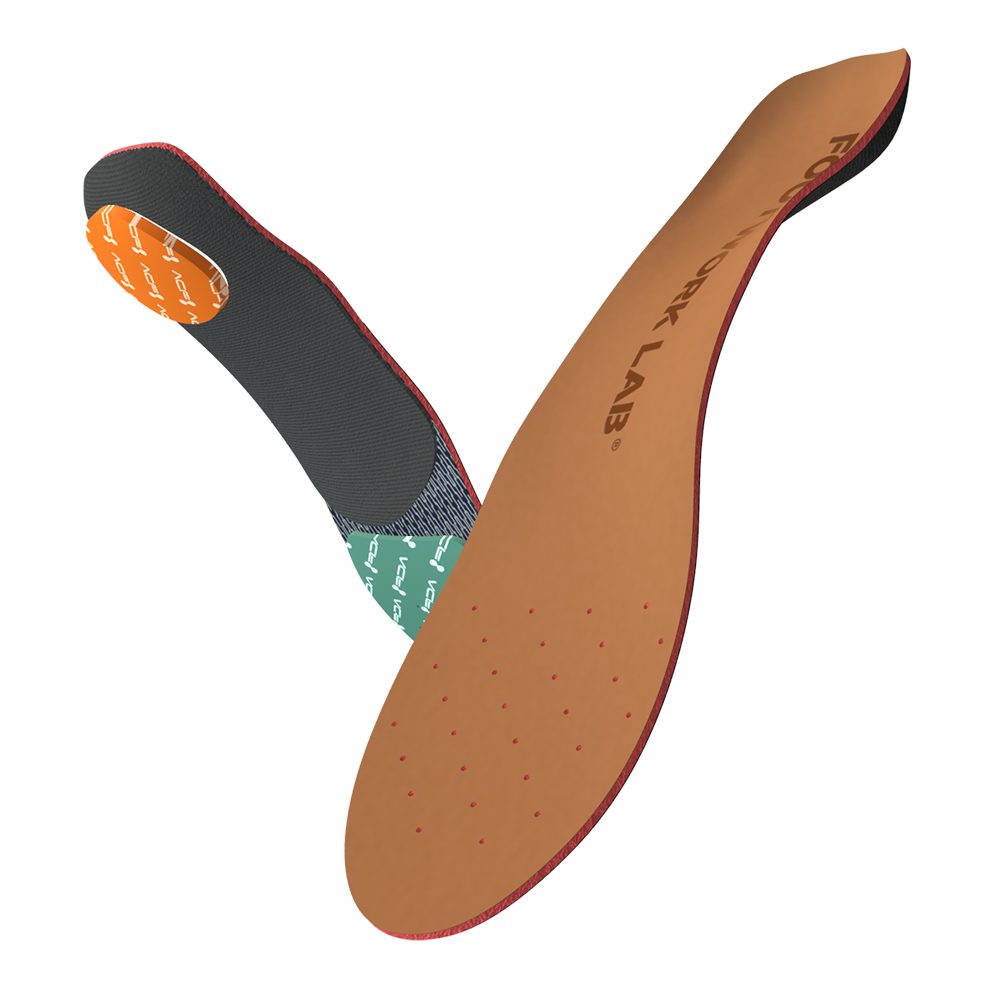
Every region of the map maps onto a region of the design file. A loaded inner forefoot becomes a question for the first metatarsal region: offload it, or spread its work outward. A shallow midfoot contact becomes a question for the arch geometry: fill to support, or leave to accommodate. A heavy heel with a short contact time becomes a cushioning and cradle decision.
The translation is not mechanical, and that is the professional’s contribution. Two maps with similar colours can warrant different briefs once the person behind them, their footwear and their hours are considered. What the map does is force the conversation to be specific: instead of a general request for support, the brief names the region, the direction and the intent.
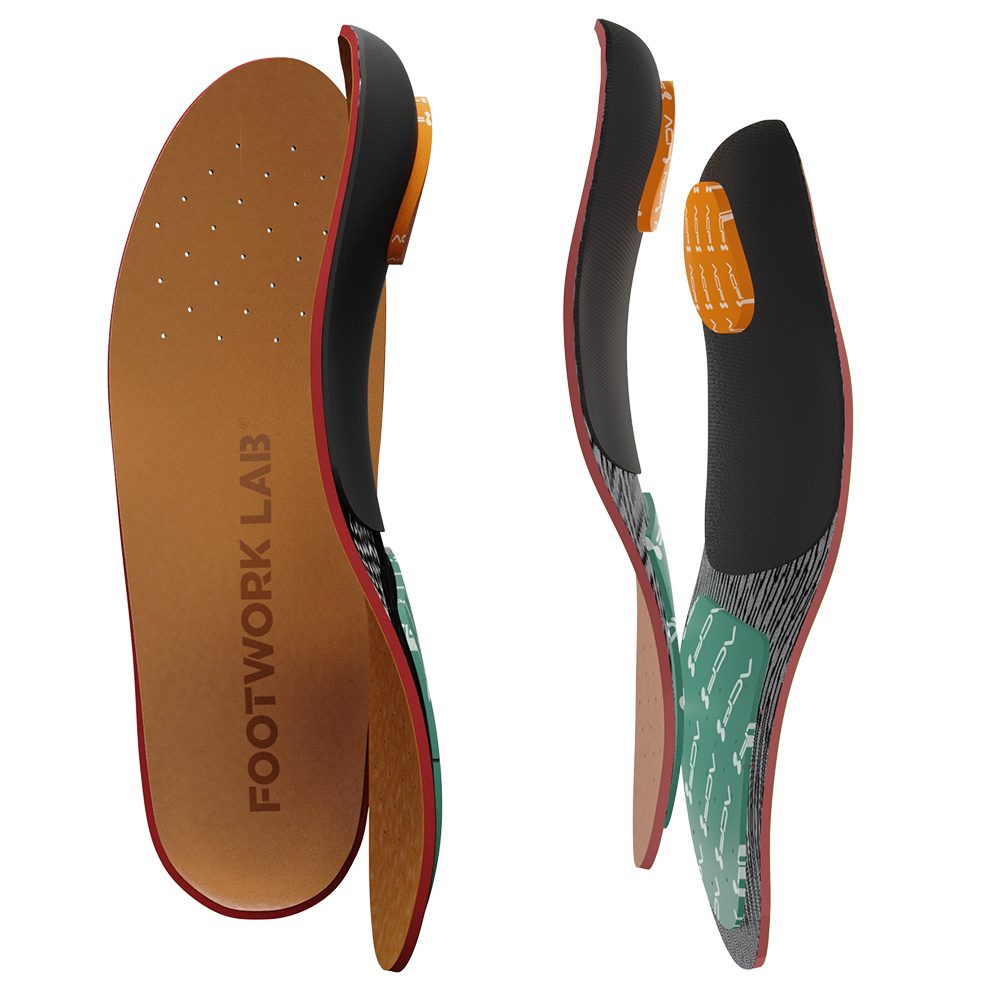
The fields that survive into production are few and concrete. Arch geometry description, heel cup depth as a design intent, shell stiffness family, first metatarsal region decision, cover material, thickness budget, wear context and shoe type. Eight lines, more or less. Everything else on a long intake form is context for the professional, not instruction for the factory.
The regional decisions also have a natural order worth following. Start where the map is loudest — the region whose concentration dominates the record — and settle its treatment first, because it constrains the neighbours. A metatarsal region decision changes what the toes region can do; a heel decision changes the arch’s room to work. Briefs written in map order read cleanly; briefs written in form order read like a checklist nobody sequenced.
What gets lost in translation — and what to do about it
The map cannot travel to the factory in its entirety, and pretending otherwise produces briefs full of screenshots. What travels is a set of decisions made from the map, written in the factory’s language. That loss is not a defect; it is how design briefs have always worked. The skill is in writing the decisions so they survive the handover.
Numbers help only where both sides share a vocabulary. An instruction like a firmer shell family travels well, because the factory’s stiffness families are named. An invented scale — a seven out of ten for firmness — travels badly, because nobody knows what seven means. Our specification template uses named families precisely so that a first order and its remake mean the same thing.
Photographs close the remaining gaps: the shoe interior for volume, the foot for skin-level context, and the map itself for reference. A brief with named decisions, the record attached and the shoe photographed gives the production team everything except the parts that never leave the clinic — and it gives the remake procedure something to measure against.
Translation losses can be audited cheaply. After the first pair arrives and is fitted, the fitter rereads the brief and marks which written decisions produced which felt outcomes. Two or three orders of that audit give a room its own dictionary — which of the named families it can feel, which of its written habits the factory honours. The dictionary is private, local, and more useful than any supplier’s glossary, because it is written in outcomes rather than in vocabulary.
Where the camera completes the map
The pressure map describes the sole; it says nothing about what stood above it. Camera capture adds posture and alignment — how the ankles lined up, whether the knees tracked inward, how the pelvis carried the pass. In the map-to-insole path, those frames frequently change the reading of a zone: an inner forefoot hotspot may read very differently once the alignment above it is visible.
This is why our assessment systems are specified as pressure sensing plus camera capture, assembled by the analysis software into one report rather than two documents. The pairing is not a luxury feature; it is what makes the map interpretable by the professional who must decide what the factory receives.
For buyers comparing systems, the question is again synchronisation: were the pressure and camera records captured in the same session, aligned in time? Two documents from different moments cannot be read together, and a system that produces them is selling two instruments where one was needed.
Camera capture also settles a dispute the map alone cannot: whose reading is right. When two fitters read the same hot zone differently, the alignment frames usually show which reading accounts for more of the record. Rooms that adopt the frames as the tiebreaker stop relitigating readings and start accumulating decisions — a quiet operational gain that buyers rarely anticipate and always appreciate.
The brief, the proof and the first article
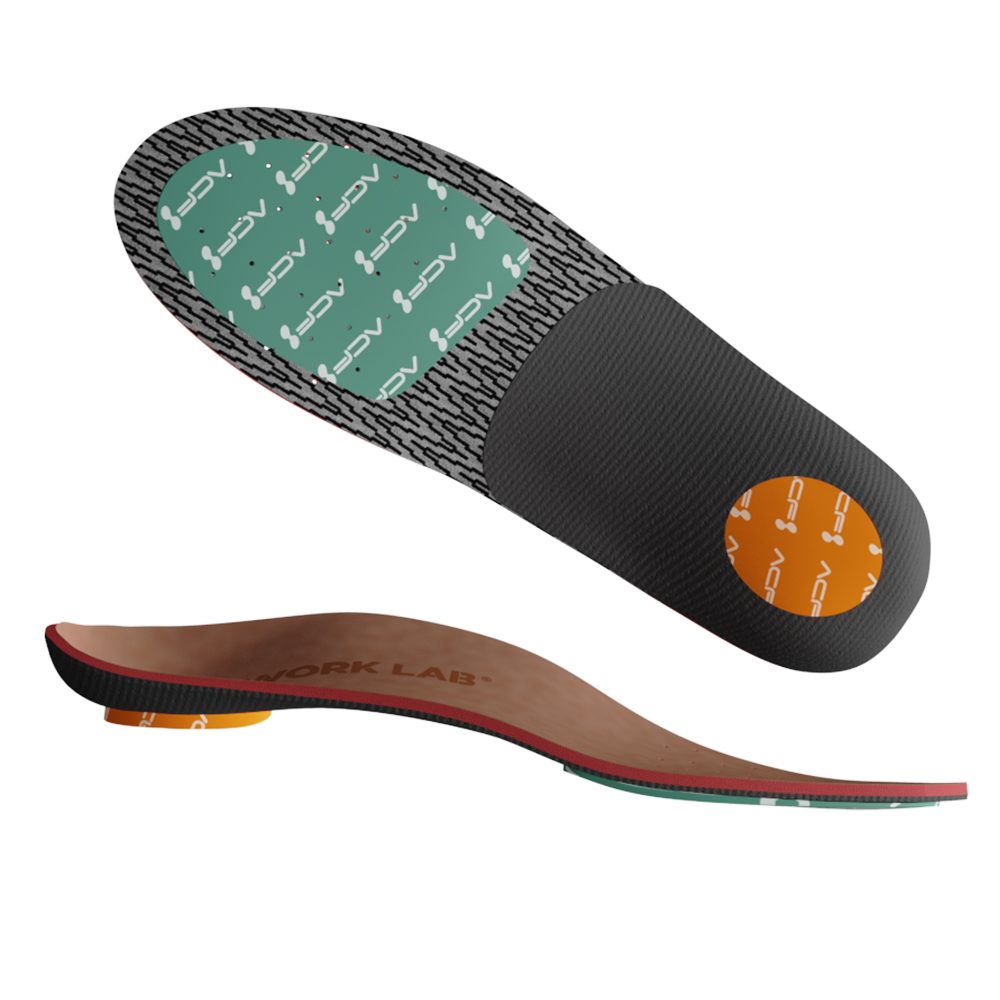
Once the brief is written, the production path is short. Our line runs from a received specification to a formed pair with a fixed internal sequence — design entry, forming, finishing, quality check against the brief — and the sample stage exists for the orders where the shoe context needs a physical test. Samples ship within three days of agreement.
The first production article is where the translation gets audited. A pair that arrives matching the brief but feeling wrong in the customer’s shoe is not a factory failure; it is information the brief lacked — usually about the shoe or about how the customer tolerates a new geometry. That is what the remake clause is for, and why ours measures against the written specification rather than against memory.
Buyers running a custom insole service should expect that audit to repeat per design, not per order. A first article for each new design family, tested in the target shoe, prevents a whole season of remakes. Our two hundred pair minimum mixes across models and sizes precisely so that those first articles can be ordered without overcommitting.
The first article discipline has a flat fee worth paying: one sample pair per new design family, tested in the target shoe, before the production run. The sample costs days; a season of remakes costs a season. Our sample route ships within three days, and the production minimum’s mixing exists so that several families’ first articles can ride one order. Buyers who adopt the discipline early keep it; the ones who skip it once rarely skip it twice.
Volume, consistency and the factory’s side
Consistency is the factory’s half of the translation. A brief that arrives twice must produce the same pair twice, which is why our production runs against named families and written specifications rather than against the memory of the last order. The published capacity — in the hundreds of pairs per day — is what makes that consistency repeatable across a season of orders.
Quality control closes the loop. Each pair is checked against its brief: geometry, stiffness family, cover, thickness budget. The check is documented, so a dispute arrives with a record attached rather than with two opinions. This is unglamorous machinery, and it is what separates a production partner from a workshop with good intentions.
For the buyer evaluating factories, the tell is how they talk about your map. A factory that asks for the specification rather than the screenshot is one that has translated before. A factory that promises to match the colours exactly has not, and the first remake will teach you both something.
Consistency has a seasonal enemy worth naming: drift. A workshop that quietly adjusts its interpretation of a named family — a little firmer here, a touch wider there — produces pairs that each fit and that no longer match their briefs. Our quality check exists to catch exactly that drift, and buyers should ask every supplier who audits the auditors. The question sounds paranoid until the first remake proves it wasn’t.
A one-page path worth adopting
The whole article compresses into a page: capture the map with its timeline, add the camera frames, make the regional decisions, write them in named families, photograph the shoe, attach the record, send the brief, test the first article, and keep the specification as the remake reference. Every step is small; the discipline is in doing all of them every time.
Clinics and dealers who adopt the path report the same two effects: first versions fit more often, and remakes stop being arguments because there is a document to appeal to. The path works with any competent factory, which is deliberate — buyers who specify clearly get better product from everyone, and the whole trade moves up a grade.
Our specification template implements the path and is available through our contact page. We would rather a buyer use it with any factory than skip it with ours: the orders that arrive written are the orders that arrive again.
The one-page path ends where it began: with the capture. A room that captures well — same instructions, same scale, same naming — feeds the path from its start, and every downstream improvement inherits the quality. Buyers upgrading their insole service should therefore spend their first effort on capture discipline, not on factory selection; the factory can only be as good as the brief, and the brief can only be as good as the record.
Frequently asked questions
Can I send the pressure map itself to the factory?
Attach it as reference, yes — but the factory builds from written decisions, not from colours. Name the regional decisions in the specification and let the map support them.
Which fields actually drive the insole design?
Arch geometry, heel cup intent, shell stiffness family, the first metatarsal region decision, cover material, thickness budget, wear context and shoe type. Everything else is professional context, not production instruction.
Why do I need camera capture if I have the pressure map?
The map describes the sole; posture frames show what stood above it. An alignment view frequently changes how a pressure zone should be read, which changes the brief.
What is a named stiffness family and why does it matter?
It is a factory-defined, repeatable descriptor of shell firmness. Named families make sure a first order and its remake mean the same thing — an invented one-to-ten scale does not.
How fast is a sample?
Samples ship within three days of agreement. They exist to test the design in the target shoe before the production pairs are formed.
What is your minimum order?
Two hundred pairs, mixed across models and sizes, so first articles for several designs can be ordered together without overcommitting.
How are remakes measured?
Against the written specification the order was built from. The evidence rule is stated in the quotation, so a remake is a procedure rather than a negotiation.
What we would do next
Ask for the specification template behind this article and send us your first brief in it — our production team reviews every incoming brief and returns the questions marked before forming begins.
If the maps themselves are the gap, our foot assessment systems produce pressure records with camera capture in one synchronised session — the front half of the path, built by the same factory that runs the back half.
This article is intended for professional and educational reference. It is not medical advice. Foot assessment equipment produces measurements and images; clinical interpretation and any decision about care remain the responsibility of a qualified professional. Certification scope is limited to the documentation we hold: European Union certification and ISO quality system certification.