
The ten minutes between a customer stepping onto a platform and a factory accepting an order are where custom orthotics are won or lost. Most of what goes wrong later — the first version that misses, the remake that surprises, the file nobody can find — traces back to a field that was skipped in those ten minutes because nobody wrote down that it mattered.
This article is that field list, written from the production side. We receive briefs daily at volumes of hundreds of pairs, and the orders that run smoothly share a capture-and-specify routine so consistent it can be described step by step. The orders that wobble skip steps, usually the same ones.
What follows is the workflow: what to capture, what to record alongside it, what to write, and what to send. It assumes an assessment system in the room — ours or anyone’s — and a factory that accepts written specifications. The routine is deliberately boring; boring is what repeatable looks like.
Minute one and two: the standing record
Start standing, before anything about the session suggests a way to stand. The static capture takes seconds and shows the resting geometry: arch shape, heel position, how load shares across the sole. It is the calmest picture the foot will give all day, and it becomes the baseline every later comparison leans on.
Record the instructions with the capture — feet shoulder width, looking ahead, weight even. The note costs ten seconds and decides whether a re-assessment next month is a comparison or a re-start. Rooms that skip it produce records that cannot be repeated, and the failure surfaces exactly when the follow-up is most needed.
Name the session file while the customer is still there: date, name, task. Storage discipline sounds administrative until the week a remake needs the original record and three candidate files exist. The rooms that never lose records are not more organised people; they are rooms where naming happened at capture time.
The two-minute standing capture also sets the session’s tone, and tone is operational. A capture that begins with clear instructions and a calm surface produces a cooperative subject; a capture that begins with the customer already on the sensors produces a record of surprise. The protocol’s first line is therefore about pace: the customer is briefed before the sensors are involved, every time, no exceptions for queues.
Minute three to five: the walking record
Then movement. A short walking task over the sensor surface — enough steps for the software to compare stride against stride, at natural speed, in footwear close to what the insole will live in. The timeline shows what the standing print cannot: how load transferred, where it lingered, whether the two sides behaved alike.
Keep the footwear variable honest. A walking record captured barefoot answers different questions from one captured in the target shoe, and the brief must say which was captured. Our specification template carries a footwear field on the first page precisely because mismatched footwear assumptions are the most common quiet cause of a first-version miss.
Watch the customer during the task. The camera frames will show posture and alignment, but the operator’s eye catches what no frame holds: the hesitation at the platform edge, the stride shortened by self-consciousness, the second attempt more natural than the first. Note it; the professional will want it when reading the record.
The walking task’s instruction sheet should also name its own flexibility. A client who cannot manage the full task — post-operative cases, cautious walkers — should be recorded doing what they can, with the deviation noted in the session file. A record of a limited task, honestly labelled, is worth more than no record; the protocol exists to make the labelling automatic rather than heroic.
Minute six: the shoe, photographed and described
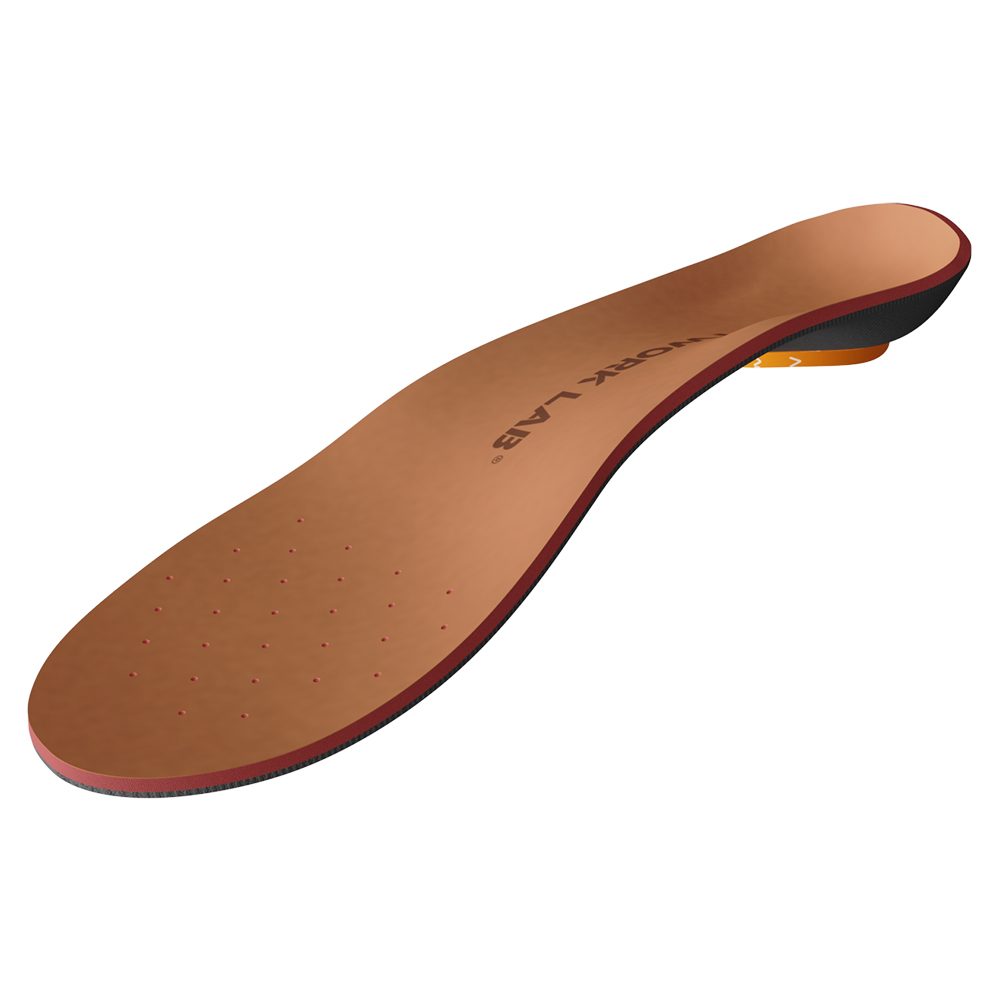
The shoe is half of the insole’s world, and it enters the record as photographs and three written facts. Photograph the interior from above and the sole from below. Write the shoe type, how many hours a day it is worn, and any volume oddity the customer already knows — the tightness over the instep, the heel that slips.
Those three facts feed the thickness budget, the single scarcest resource in the design. An insole that ignores the shoe’s available volume arrives beautiful and unusable, and the remake conversation begins with a sentence nobody enjoys: the shoe cannot take this design.
For rooms serving one customer across several shoes, capture the dominant pair and note the others. The specification names the target shoe; the remake clause covers what happens when the customer changes shoes mid-season, which they will, because customers do not read our templates.
The shoe photographs also serve the remake conversation that nobody plans. When the customer returns with a different shoe — and they do — the original photographs establish what the design was built for, and the discussion starts from evidence rather than from recollection. Stores that keep the shoe photos with the brief resolve those visits in minutes; stores that keep only the insole invoice relitigate the design.
The shoe conversation also has a follow-the-pair rule worth teaching: when the customer’s shoes change, the brief changes — even mid-season. A design budgeted for a roomy trainer behaves differently in a fitted dress shoe, and the specification should be revised rather than the expectation lowered. Practices that adopt the rule file fewer disappointments and more revisits, because the customer learns that the store tracks the shoe, not just the sale.
Minute seven and eight: the professional’s decisions
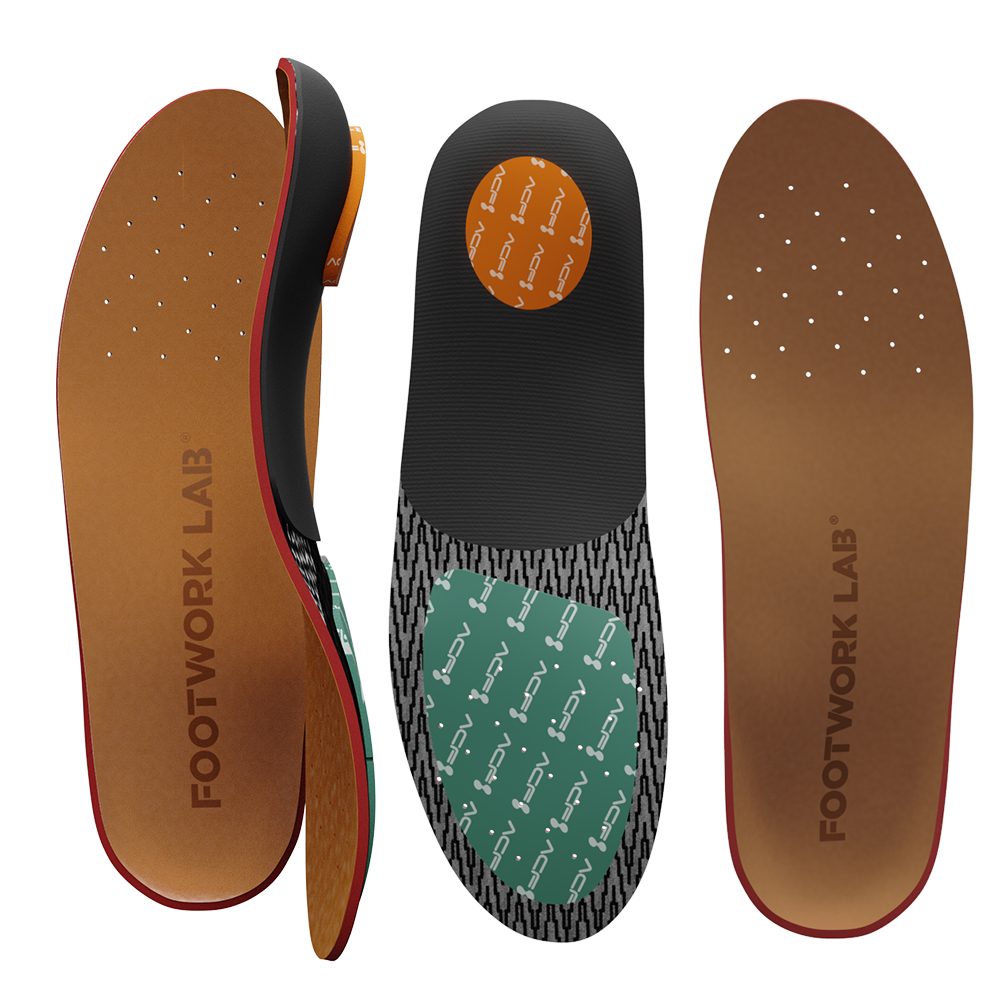
Now the part only the professional does. Reading map, timeline and frames together, they make the regional decisions the factory will build: arch geometry intent, shell stiffness family, the metatarsal region treatment, cover material, thickness budget within the shoe’s allowance, and the wear context from daily hours to sport.
The decisions go into the specification in named families, not adjectives. Firmer-than-last-time is a memory; a named stiffness family is a build instruction. Our template uses the factory’s own family names so that a first order and its remake share one vocabulary, and so the quality check compares the pair against the page rather than against recollection.
A comments block carries the reasoning. Not for the machine — for the professional who reads the file at the review visit, and for the remake discussion if one comes. Briefs with reasons age well; briefs with only conclusions age like instructions nobody remembers issuing.
The professional’s decisions also benefit from a second-reader habit in busy rooms. A colleague who reads the brief against the record for ninety seconds catches the transcription slips — the stiffness family circled twice, the cover field left blank — before they become production questions. The habit costs two minutes and prevents the class of remake that embarrasses everyone precisely because it was avoidable by anyone.
Minute nine: the fields most rooms miss
Three fields repay their ten seconds every time. First, the customer’s daily hours on their feet — it tunes cushioning choices more than any sensor reading. Second, the activity split: work, sport, ordinary walking, in proportions. Third, the tolerance note: whether this customer has worn insoles before, and how the last pair felt by the end of a day.
None of these come from the sensor layer, which is exactly why they get skipped — the equipment cannot collect them, so the workflow must. Yet they are frequently the deciding fields when a first version misses: the design was right for the foot and wrong for the day the foot lives in.
Rooms that add these three fields to their intake form report fewer surprises at fitting, which is the whole economic argument for the ten seconds. A remake costs the factory a production slot and the room a return visit; the fields cost nothing but the asking.
The three missed fields have a fourth sibling worth adding to the intake form: the customer’s own words about the complaint, copied verbatim. The phrase a customer uses — the same sentence they will use at the fitting — gives the professional a reference point the sensor layer cannot supply, and it gives the remake discussion a shared vocabulary that predates the first pair. Verbatim, not paraphrased; the paraphrase loses the emphasis that matters.
The tolerance field deserves one more sentence about how to fill it: ask about the last pair’s worst hour, not its best. The customer who loved a pair all morning and hated it by evening is describing a different brief than the one their morning praise suggests — cushioning that survives the day, geometry that survives the swelling. The worst hour is the specification; the best hour is the advertisement.
Minute ten: sending and confirming
Send the brief as a document, not as an email thread. Attach the record, the shoe photographs and the completed template. Then require the one reply that makes the loop safe: the factory’s confirmation, in its own words, of what it understood the specification to say.
Our production team confirms every incoming brief before forming, and marks questions rather than assumptions. Buyers should treat a confirmation-free acceptance as a warning sign in any supplier: a factory that starts building on its own reading of your brief is building its interpretation, not your design.
Log the confirmation with the order file. When the pair arrives, the quality check at our end ran against the same document, and if a remake is needed, the discussion starts from the specification rather than from memory. Ten minutes, one page, one confirmation — the whole hygiene of the custom trade in three artefacts.
The confirmation reply deserves a reading protocol of its own. The buyer should check it the way a pilot reads a clearance: every field, in order, against the brief. Ninety seconds. The check exists because a confirmation that drifts from the brief is worse than none — it manufactures agreement that was never reached. Buyers who read confirmations carefully almost never meet the surprises that buyers who skim them describe at trade fairs.
After the ten minutes: what the factory does with it
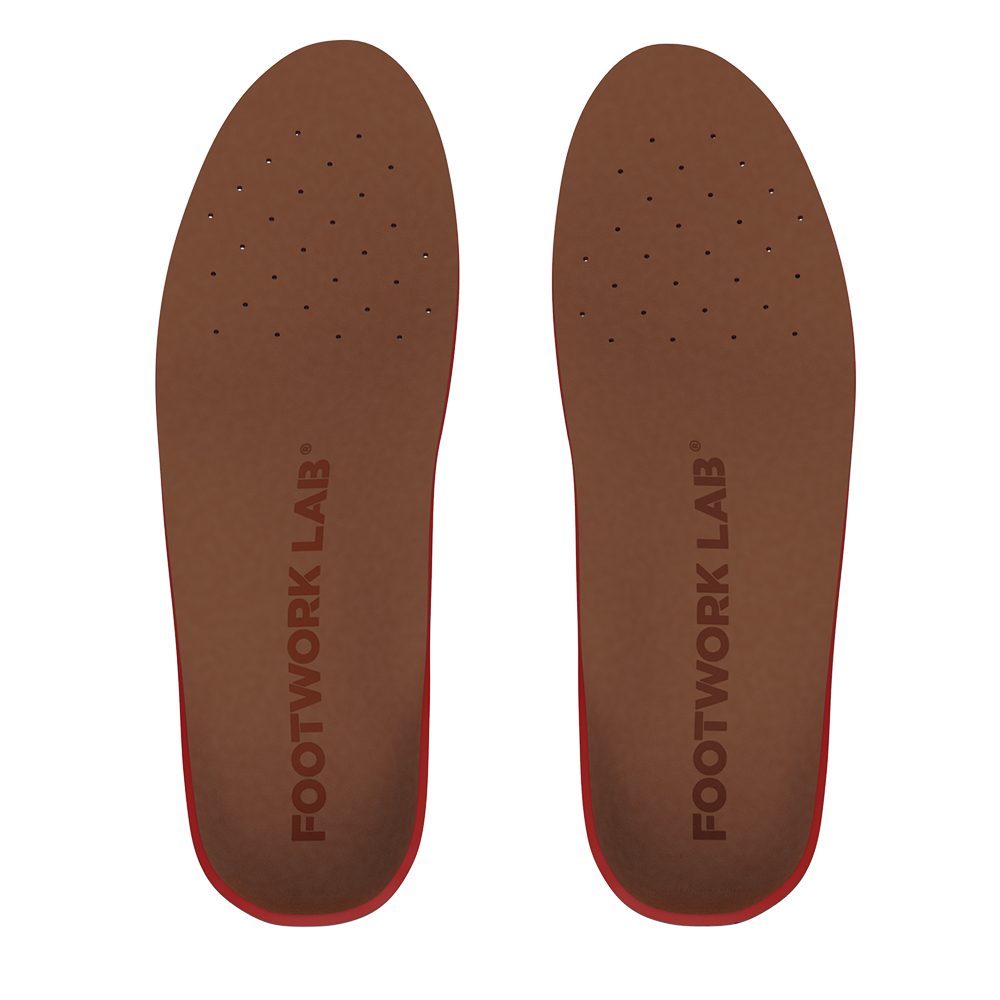
On our side the brief enters a fixed sequence: design entry against the template, forming, finishing, quality check against the specification, packing to the order’s branding requirements. The line runs in the hundreds of pairs per day, which is why the written, named, unambiguous brief matters — volume production has no time to interpret enthusiasm.
Samples ship within three days of agreement for orders where the shoe context needs a physical test, and production minimums start at two hundred pairs mixed across models and sizes. OEM and ODM terms cover branding and packaging, agreed in writing before the line starts.
And when the pair reaches the fitting and the customer says something the brief did not anticipate — as happens — the remake clause runs from the specification: what was built, what changed, what the revision says. The ten minutes you spent at capture are the reason that conversation is short.
The production sequence’s last step — quality check against the brief — is also the buyer’s entry point into our floor. Buyers are welcome to ask what the check inspects and what it records, because the answer describes the pair that will arrive: inspected against named fields, recorded against the document, packed to the agreed branding. A factory that describes its last step plainly is describing its whole discipline, and the description is the quotation’s best footnote.
Frequently asked questions
How long should a capture session take?
About ten minutes: the standing record, the walking task, shoe photographs, the professional’s decisions and the daily-hours fields. The routine is designed for a normal appointment slot.
Should the walking record be captured barefoot or in shoes?
In footwear close to what the insole will live in, whenever the question allows it — and the brief must say which was captured, because the two records answer different questions.
Why photograph the shoe?
The shoe sets the thickness budget and the forefoot volume. Interior and sole photographs, plus shoe type and daily hours, prevent the most common first-version miss: a design the shoe cannot host.
What are the daily-hours fields and why do they matter?
Hours on the feet per day, the activity split, and prior insole experience. They tune cushioning and tolerance decisions that no sensor reading can supply.
Does the factory receive the raw record?
The record travels as reference; the factory builds from the written decisions in the specification. Raw data stays with the room as baseline for follow-up.
How does the factory confirm the brief?
Our production team confirms every incoming brief in its own words before forming, and marks questions rather than assumptions. A confirmation-free acceptance from any supplier is a warning sign.
What are the ordering terms?
Two hundred pair minimum, mixed across models and sizes; samples within three days; OEM and ODM branding agreed in writing; remakes measured against the written specification.
What we would do next
Adopt the ten-minute routine with our specification template — request it through the contact page, and send your first brief as a draft if you like; the production team reviews and returns questions before forming.
If the capture side is the gap, our assessment systems record static, dynamic and posture data in one synchronised session, with engineer support through a dedicated WhatsApp group and updates over the air.
This article is intended for professional and educational reference. It is not medical advice. Foot assessment equipment produces measurements and images; clinical interpretation and any decision about care remain the responsibility of a qualified professional. Certification scope is limited to the documentation we hold: European Union certification and ISO quality system certification.