
Every catalogue divides custom made functional orthotics from accommodative ones, yet the words describe different factories. Functional describes a shell that participates in walking — sharing load, supporting alignment while the foot moves through each step. Accommodative describes a shell that accepts the foot as it is and spreads the pressure points that remain. On a production floor the two families are made with different materials, different forming choices and different checks. This article walks through what changes, layer by layer.
Buyers often inherit the vocabulary without the production meaning, and the gap shows up in orders that disappoint quietly: a functional shell ordered where an accommodative one was needed feels harsh in the customer’s shoe, and an accommodative shell ordered where a functional one was needed feels like nothing at all. Neither failure is a defect; both are specification mismatches that one sentence in the order sheet would have prevented. The article ends with that sentence, ready to copy into a specification.
We manufacture custom orthotic insoles and the assessment equipment that feeds them at our plant in Ruichang, Jiangxi — a company founded in 2014, producing since 2018, exhibiting at the Canton Fair and in Dubai, Vietnam, Brazil and Hong Kong. Both families leave our line, often inside the same order under our mixed minimum, and the production differences below are written from the bench rather than from a brochure. Where a decision belongs to the prescribing professional, the text says so plainly.
One catalogue word, two design philosophies
The functional family is defined by participation. A functional shell does not simply rest under the foot; it engages with the walking cycle, holding the arch shape through midstance, managing how load transfers from heel to forefoot, and supporting alignment while the body passes over it. That engagement is engineered: the shell carries stiffness deliberately, its geometry pushes back against specific motions, and its shape assumes the foot will move through a fairly conventional gait pattern. It is the more demanding product to manufacture and the more demanding product to fit, and both of those demands are intentional.
The accommodative family is defined by acceptance. Its shell takes the foot’s existing shape as a given and works on what remains: spreading concentrated pressure, cushioning bony prominence, and filling the shoe so the foot sits consistently. The materials run softer, the tolerances run wider, and the geometry follows the foot rather than arguing with it. For customers whose priority is comfort under a shape that will not change, this family answers honestly. It is not a lesser product; it is a different brief, with different materials chosen for a different job. Precision here lives in material handling rather than in geometry.
The distinction is a specification matter, not a quality ranking, and that framing matters when the order reaches a factory. A workshop receiving a brief that says only custom will choose for itself, and its choice may not match the customer in the shoe. Everything else in this article — shell stiffness, forming, inspection, shoe requirements — follows from which of the two families the brief names, which is why the naming line is worth its own section below. One line of text steers an entire production run; few ordering decisions carry that leverage. It is the cheapest sentence on the order sheet.
What functional means inside the shell
Shell stiffness is the first decision in a functional build. The shell has to resist deformation enough to hold its geometry through midstance and push-off, yet stay compliant enough that the foot tolerates it for a full working day. We work in stiffness families — firmer shells for higher-load wear contexts, more forgiving ones for lighter use — and the professional’s brief sets the family. Writing stiffness as a named family rather than as a vague adjective is what makes the choice reproducible on reorder. A reorder that has to guess stiffness is a remake waiting to happen.
Geometry follows stiffness. A functional design places its features where they do mechanical work: an arch contour that meets the foot early in stance, a heel cup deep enough to hold the calcaneus steady, a forefoot platform that manages how load leaves through the ball of the foot. Each feature is a load-distribution decision, and each one assumes the shoe above allows it. That assumption is why the shoe context field sits next to the geometry fields in our template rather than at the end. A functional shell in an undersized shoe fights the shoe and loses, taking comfort with it.
The word functional also carries a boundary worth repeating: it describes design intent, not a promised result. A functional shell is built to participate in load distribution and alignment support during walking; whether it achieves the intended effect for a particular person is a question the prescribing professional evaluates at fitting and review. Our specification paperwork uses that wording deliberately, and buyers importing the range under their own brand are welcome to the same discipline. It protects everyone in the chain: the factory builds to intent, the professional judges outcome, and the customer hears neither party promise what an insole cannot promise.
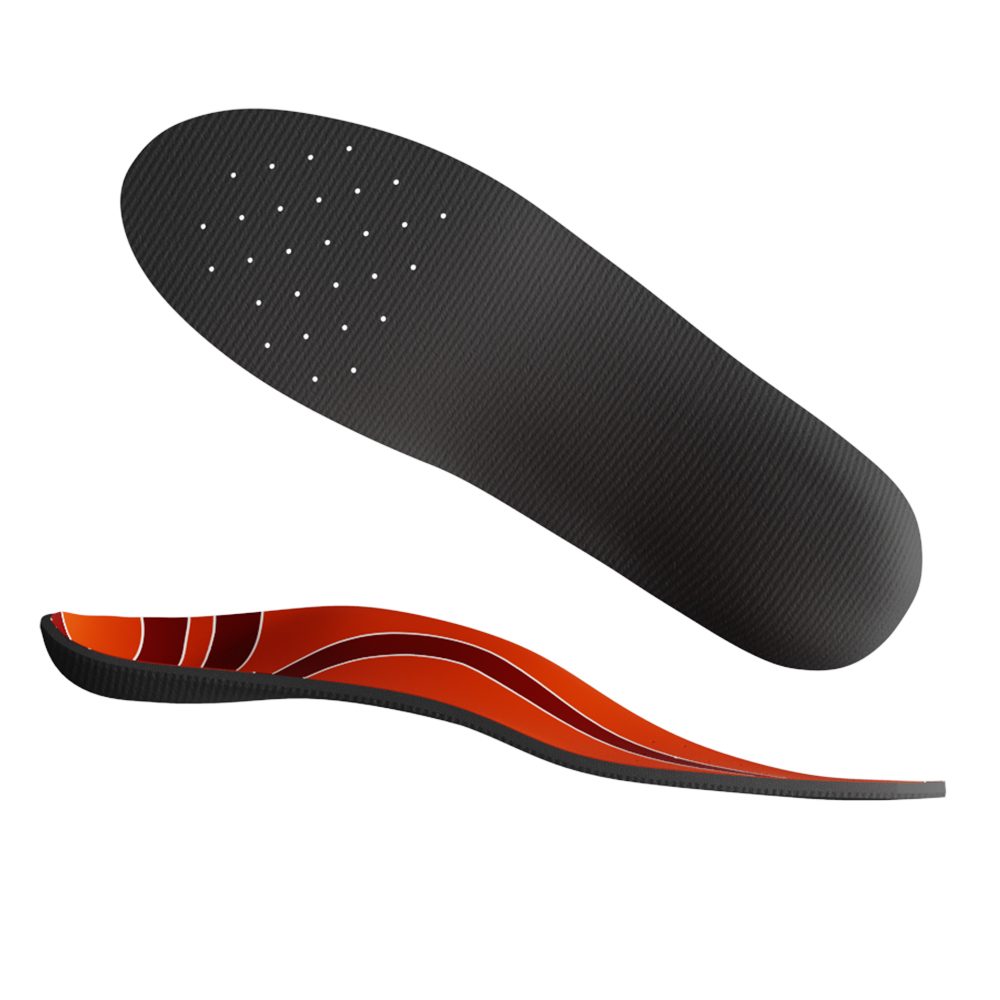
What accommodative means inside the shell
An accommodative build starts from a different question: what does this foot need removed from beneath it? The design identifies concentrated pressure regions and works to spread them — softer contact layers under prominent areas, graduated cushioning through the midfoot, and a shell flexible enough to accept the foot’s existing shape rather than resist it. Tolerances are wider by design, because the goal is consistent comfort across a shape that will not be argued with. Softness, in this family, is an engineering parameter rather than a comfort gesture. It is chosen, layered and verified like any other specification line.
Material selection drives most of the difference at the bench. Accommodative builds lean on cushioning foams and compliant top layers that manage pressure through deformation; functional builds need structural materials that remember their shape under repeated load. The same thermoforming equipment serves both, but the forming parameters differ — temperature profiles, cooling behaviour and pressing pressure are set per family — and a workshop that runs the two identically will ship one family well and the other indifferently. Ask a prospective supplier to describe how their forming parameters change between the families; the answer reveals the workshop quickly.
Accommodative work has its own honest boundary. The shell spreads pressure and improves fit inside the shoe; it does not change the shape it accommodates, and no copy should imply otherwise. In practice this boundary is easier to keep than the functional one, because accommodative customers usually measure success in daily comfort rather than in mechanical change. Our product copy for the accommodative lines is written around pressure spreading and fit, and dealers co-writing copy under OEM terms inherit the same wording. Products with modest claims generate fewer disputes, which is why the modest wording survives contact with real customers.
Two families, two production paths
On the line, the families separate at forming. Functional shells are thermoformed around their structural layer first, so the shell sets before cushioning is bonded; the sequence preserves the geometry the design depends on. Accommodative builds form with their cushioning stack in a single pressing, because the goal is conformity rather than structure. The presses are the same; the recipes, dwell choices and cooling handling are not, and each family runs against its own parameter sheet. A parameter sheet per family sounds bureaucratic until the day a mixed order ships, when it is the reason nothing needs reworking.
Finishing differs too. A functional shell needs its edges resolved precisely, because a stiff edge in a shoe is felt immediately; grinding and top-cover bonding are inspected at that stage. An accommodative build spends its finishing attention on the contact surface — seams, layer transitions and the cushioning bond — because that is where its quality lives. Neither path is faster in any meaningful sense; they are simply different sequences, and mixing them blindly costs rework. Buyers touring a factory can watch for exactly this: two families, two routines, one floor. A single identical routine for both families is worth asking about.
Volume planning follows the same split. Functional shells consume stiffer structural material and take a firmer hand at finishing; accommodative builds consume more cushioning stock. A plant running both families daily — ours runs at a daily capacity between five hundred and a thousand pairs — carries inventory for both, and that dual inventory is part of why a mixed minimum order works: the two hundred pair floor can be filled from either family, or from both, without one starving the other of material. Buyers who mix families in one order should confirm this dual stock exists; a single-family workshop cannot.
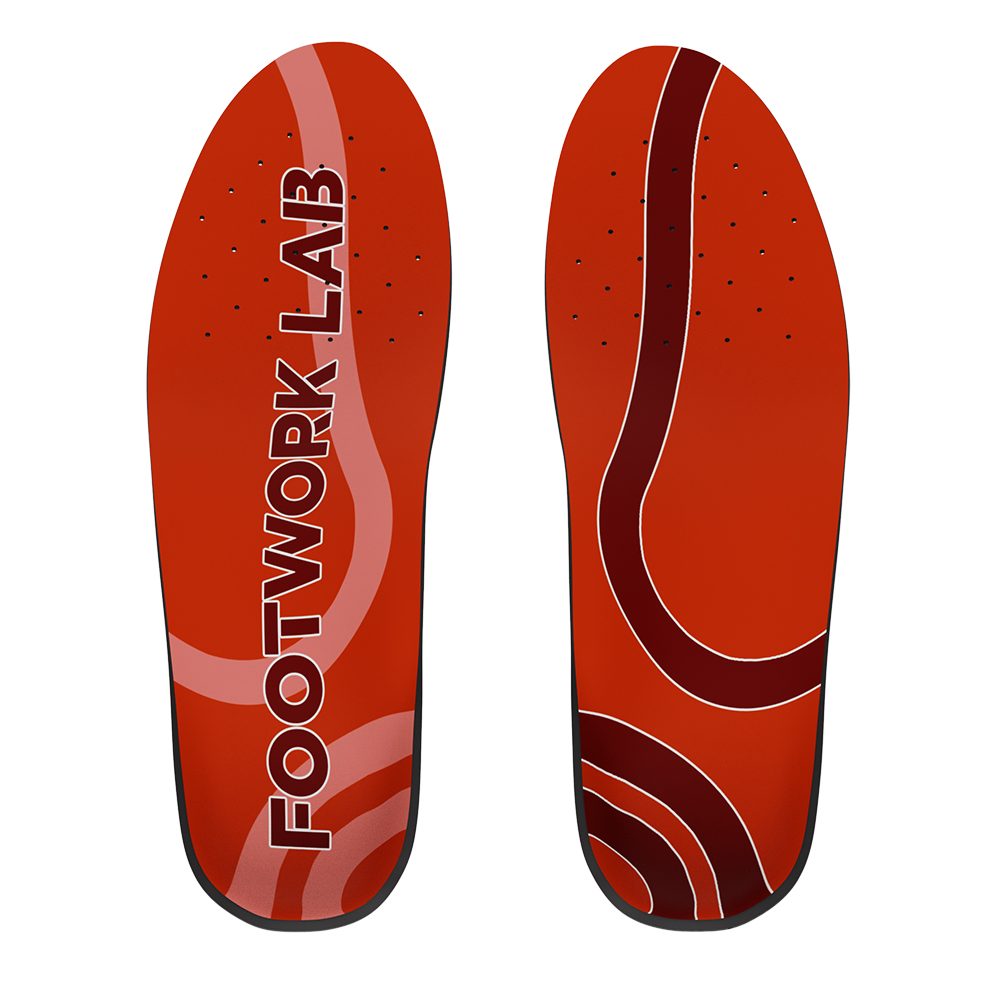
How inspection differs between the families
Quality control reads the two families against different questions. A functional pair is inspected for stiffness family and geometry: does the shell match the named stiffness specification, does the arch contour sit where the design file places it, is the heel depth to drawing. A pair that passes those checks will behave predictably in the shoe, which is the entire point of the functional brief. Stiffness drifts are caught here rather than by the customer, because a shell that softened in forming would quietly undo the design’s intent. Forming, not design, is where functional pairs most often fail, so forming is where we look.
An accommodative pair is inspected for what its customers will feel: pressure-spreading regions in the right places, cushioning bonded without voids, top layers smooth enough not to irritate, and edges that disappear inside the shoe. The measurements are softer than a stiffness check but no less real — region placement is checked against the specification, and material thickness against the build sheet. A comfortable-feeling pair with the spreading regions misplaced fails here, before it can disappoint in a shop. Consistency is the accommodative promise, and the inspection bench is where that promise is kept, visit after visit and pair after pair.
Both families share the documentation trail: every pair carries its build sheet, every order its specification, and every remake is measured against the same documents rather than against a memory of the first attempt. Buyers auditing a supplier should ask to see a build sheet from each family side by side. If the two sheets look identical, the workshop is making one product with two names — and the customer in the shoe will eventually notice. Paperwork differences are the cheapest early warning a buyer will ever get. Ask for the sheets during a quotation, not after a complaint.
Naming the family in one line
The remedy for family confusion costs one line on the specification. A useful version reads: family — functional, for active load distribution and alignment support during walking; or family — accommodative, to accommodate the existing foot shape and spread concentrated pressure. That single sentence decides shell stiffness, material stack, forming recipe and inspection focus before any other field is read. It is the highest-leverage line on the sheet, and it is absent from most first orders we receive. When the line is present, our quotation returns with the right questions asked and none of the wrong ones; when it is absent, the first exchange is a guess we would rather not sell.
Buyers who prefer plainer wording can use even less: state the customer’s priority in one clause. If the brief says the foot must be held steady through the walking cycle, the factory reads functional; if it says the foot has a shape that must be accommodated and pressure points that must be spread, the factory reads accommodative. Either style works. What fails is silence, because silence delegates a judgement to whoever happens to open the order. Factories build what is written; professionals decide what is written. Keep the two sentences in that order, and quoting stays honest.
Where does the family line come from? From the assessment record and from the professional, in that order of evidence. The record shows load distribution and shape; the professional decides whether the plan engages with walking or accommodates the existing structure. Our equipment is built for the first half — pressure sensing, camera posture capture, analysis software that exports the record a brief consumes. The family decision itself stays where it belongs, with the person qualified to make it. A factory that volunteers to make that decision instead should be read as a warning, not as service.
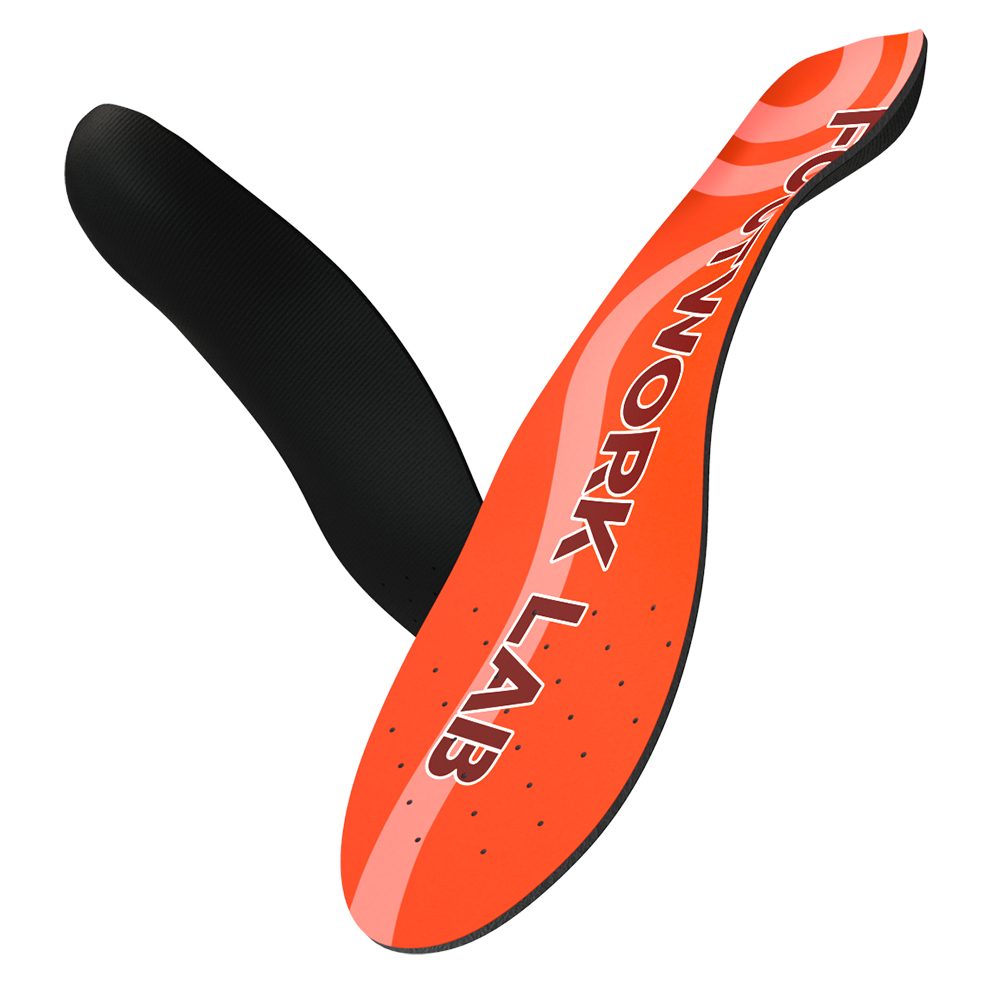
Both families in one order
The practical consequence for buyers is that the families can share a purchase order. Our insole minimum is two hundred pairs, mixable across models, sizes and both families, so a distributor can open with functional stock for active customers, accommodative stock for comfort-first ones, and a custom slot for clinic briefs — all inside one order, one shipment and one quality standard. Family mixing is not a special arrangement; it is how the minimum is designed. For a new market, that means one decision funds a complete two-family presentation instead of a half-shelf. A half-shelf tests slowly; a full one tests the range the way customers will meet it.
Samples follow the same logic. Insole samples ship within three days of agreement, and a sensible sample set draws one pair from each family in the sizes the target market wears most. Testing then answers a different question per family: does the functional shell hold its geometry in the intended shoe through a working day, and does the accommodative build spread pressure where the record showed concentration. Three days of shipping buys a trial that covers both conversations. Run the trial with an assessment record attached and the results write their own specification for the first order.
Commercial terms close the loop. Insoles are available as ODM and OEM, so both families can carry the buyer’s brand with co-written copy that keeps the family distinction intact. Production capacity sits between five hundred and a thousand pairs a day, machines at a few units daily, and the FAQ page publishes transit figures — express in six to seven working days, air in ten to twelve, sea in thirty to thirty-five. Both families, one supplier, terms in writing. Ask for the written terms during the quotation; we supply them unprompted because guesswork is not a term.
Frequently asked questions
What is the difference between functional and accommodative orthotics?
Functional shells participate in walking: higher shell stiffness, more active geometry, engagement with load distribution and alignment support through the cycle. Accommodative shells accept the existing foot shape and spread concentrated pressure, using softer materials and wider tolerances. The family named in the specification decides materials, forming and inspection on our line.
Can we order both families in one shipment?
Yes. The two hundred pair minimum is mixable across models, sizes and both families, so a first order can carry functional stock, accommodative stock and custom briefs together. Both families run daily on our line with their own parameter sheets, so neither waits on the other.
Which family should a new market start with?
That depends on the customer base and should be decided by the professional advising you, not by the factory. Comfort-led retail foot traffic often starts accommodative; clinic-linked channels often start functional. Our sample programme — one pair per family, shipped within three days — exists precisely so the decision can be tested rather than guessed.
How do we state the family in a specification?
One line: family — functional, for active load distribution and alignment support during walking; or family — accommodative, to accommodate the existing foot shape and spread concentrated pressure. Add shell stiffness family and shoe context, and the quotation returns with production-ready questions rather than assumptions.
What is your minimum order and sample speed?
Insoles carry a two hundred pair minimum, mixable across families, models and sizes. Samples ship within three days of agreement. Daily production capacity sits between five hundred and a thousand pairs, which keeps reorders predictable for distributors running both families in parallel.
Do you offer ODM and OEM for both families?
Yes. Custom insoles are available as ODM and OEM, covering design to specification, branding and packaging, agreed in writing before production. Product copy for both families follows the wording discipline described in this article — load distribution, pressure spreading, fit and support — with no claims beyond what the products do.
What support and shipping terms apply?
A WhatsApp support group with an engineer, remote assistance and over-the-air updates for connected equipment; a twelve-month warranty and seven days of factory testing before shipment. Insole transit runs six to seven working days by express, ten to twelve by air and thirty to thirty-five by sea. We are the factory, not a trading company — quotations come from the production side.
What we would do next
Tell us which family your market needs first — or send a draft specification with the family line included — and our team will return a quotation structured around it, with the two hundred pair minimum, three-day samples and capacity figures stated in writing. Factory-direct, no trading layer.
Questions about assessment equipment that feeds family decisions — pressure sensing, camera posture capture, analysis software — are answered by our engineers directly, with support terms, the twelve-month warranty and shipping options published on our FAQ page, or start through our contact page.
This article is intended for professional and educational reference. It is not medical advice. Foot assessment equipment produces measurements and images; clinical interpretation and any decision about care remain the responsibility of a qualified professional. Certification scope is limited to the documentation we hold: European Union certification and ISO quality system certification.