
A device does not assess anyone. The session around it does. That sentence is worth keeping in view during any purchase, because the language of the category implies otherwise. Devices are sold as assessment systems, and a buyer can easily conclude that the assessment happens inside the box. What happens inside the box is capture. The assessment is a sequence of decisions made by a person, using a record, in a room, with a patient.
The practical consequence is that two practices with identical equipment can offer completely different services. One has a session with a beginning, a middle and an end, a protocol, a report and a follow-up. The other has a machine that is switched on when someone asks. The difference between them is not on any specification sheet, and it is the difference that decides whether the equipment pays for itself.
We build assessment systems and insoles from the same plant, and we have watched both kinds of practice buy them. What follows is the session written out in the order it actually happens, from intake to follow-up, with the decisions that belong at each stage and the equipment requirements those decisions create.
Intake: what to know before anyone stands on a plate
Intake decides what the session is for. A short conversation about why the person has come, what they do during a day, what they wear on their feet and what has changed recently gives the operator a frame for everything the capture will show. Without that frame, the image leads the conversation, and the image does not know why the person is there.
Intake also decides which capture to run. A person with a fitting question needs a standing record and a shoe in the frame. A person whose concern is about walking needs a walking protocol and the room for it. Running every capture on every person produces a file that is long and a session that is slow, and neither is a service.
Written intake also protects the practice. A short form, with the person’s own words recorded, becomes part of the record and answers the question a complaint asks six months later: what was this session for? Practices that rely on memory answer that question from the position of whoever is being asked, which is rarely the strongest position.
Preparation: the conditions that make a record comparable
Preparation is where comparability is won or lost. The same stance, the same surface, the same footwear convention, the same settling time, the same operator where possible. None of those is expensive; all of them are easy to skip when the waiting room is full, which is why they belong on a card beside the equipment rather than in a manual.
Footwear deserves a specific decision. Barefoot, socks and shoes are different tests, and a practice that mixes them has several populations inside one database. The choice matters less than its consistency, and the consistency has to survive a busy Saturday, which means the default has to be obvious.
The room is the third condition. A level floor, a fixed standing position, a camera at a fixed distance and light that does not silhouette the person. A practice that changes rooms between sessions has changed the test, and the records will show it before anyone notices why.
Preparation also includes the equipment itself, and this is where a routine pays for its keep. A plate checked with a known load at the start of a day, a camera lens wiped, a battery charged, a session folder open and named. Four habits, two minutes, and the difference between a record a practice can defend and one it has to explain away. Practices that write them on the same card as the stance instructions tend to keep them; practices that rely on memory keep them until the first busy week.
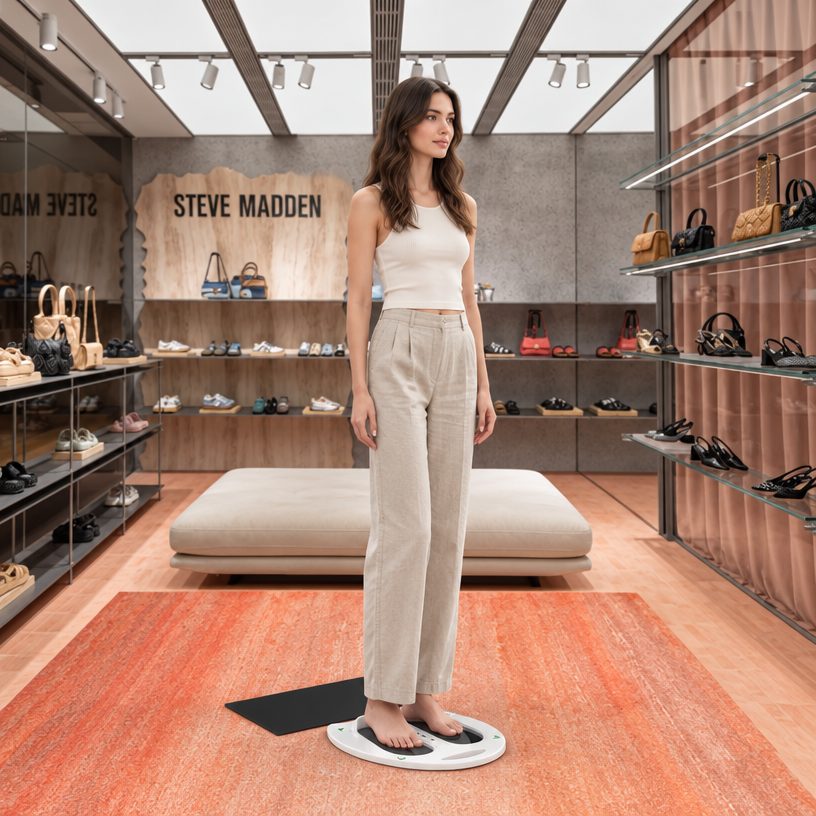
Capture: what the operator does while the device works
Capture is a two-minute activity with a person in it, and the person is the part that needs managing. A scripted instruction, spoken the same way each time, produces a more stable record than an improvised one. The operator’s voice is part of the protocol, which sounds excessive until a practice compares records taken by two different people.
The second operator task is noticing. A foot partly off the surface, a stance that is rotated, a person shifting weight — these are visible in the room and often invisible in the record. The operator who notices and re-captures is producing better data than the operator who accepts what the screen shows.
The third task is a short explanation while the record saves. Two sentences about what has been captured and what happens next keeps the person engaged and gives the session a middle. Sessions that go silent while software loads feel longer than they are, and a session that feels long is a session a practice stops offering.
The fourth operator task is a decision recorded on the spot: is this capture good enough to keep? A record that is kept because the room was busy is a record that will be misread later, and the practice will blame the equipment rather than the session. Discarding a poor capture and running it again takes a minute and protects the whole dataset, which is why the instruction belongs in training rather than in a manual.
Interpretation: the part that belongs to the professional
Interpretation is the professional’s work and the equipment’s output is an input to it. A pressure distribution says where load sits; it does not say why. A posture image shows alignment; it does not explain it. The professional brings the history, the examination and the conversation, and produces a judgement the record supports rather than replaces.
The discipline that keeps this honest is language. Describing what the record shows is a different act from concluding what it means, and a report that blurs the two is harder to defend and harder to teach. Practices that write their findings in descriptive language, and their conclusions in a separate section, produce records that hold up under a second reader.
There is also a commercial dimension. A practice that describes the record accurately is a practice a referring clinician can trust, and referrals follow trust. A practice that presents an image as a verdict is a practice that eventually has to walk one back, usually in front of the person who paid for it.
The practical habit that supports all of this is a two-column note. Left column: what the record shows, in descriptive language. Right column: what the practice proposes to do, and why. A note written that way can be read by a colleague in a minute, defended in a conversation, and taught to a new member of staff without a lecture on theory. It also makes a second visit faster, because the previous reasoning is on the page rather than in someone’s recollection of the appointment.
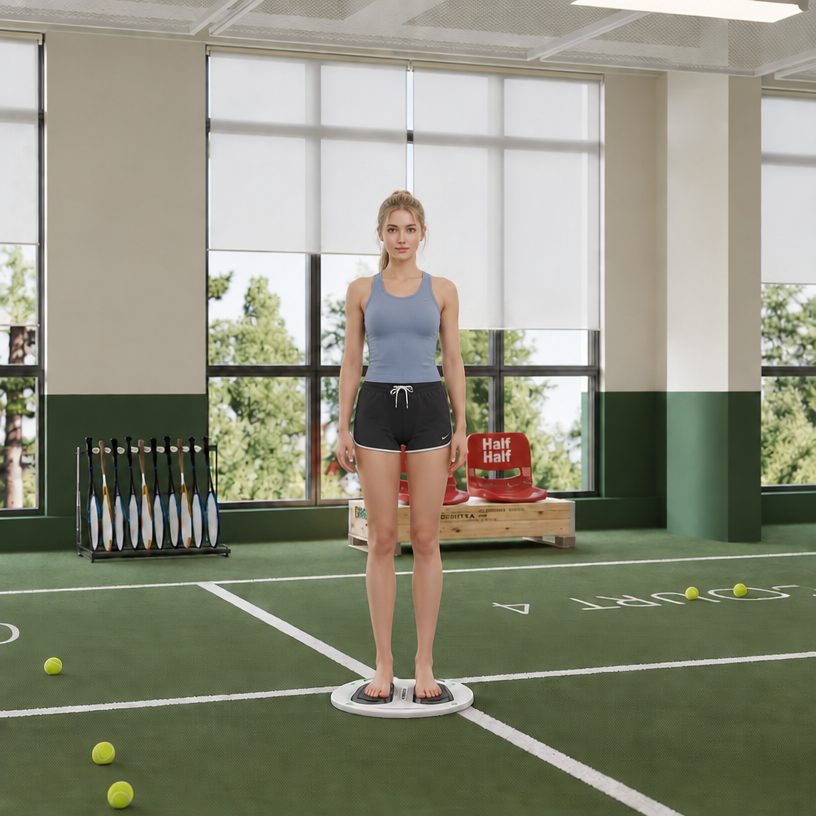
Report: what the person takes away
A report has two audiences and it is easy to serve only one. The person in the chair wants to understand what was found and what happens next; the colleague or file wants the images, the conditions and the notes. A single document can serve both if it is structured, and it fails both if it is a screenshot.
A report also benefits from being produced while the person is still in the room, even if it is printed after they leave. A practice that writes the plan before the next appointment starts captures the reasoning at its freshest, and the writing takes less time than reconstructing it later from images. That habit is the single largest difference we see between practices that use their records and practices that store them.
The useful structure is short: what was captured and when, what the capture shows, what the operator observed, what the plan is, and when the next session is. Five sections, one page, and a practice can produce it in the time the person is putting their shoes back on.
The plan and the review date are the sections that turn a session into a relationship. A report that ends without a next step is a curiosity; one that ends with a date is a service. Practices that add a review date report more second sessions, which is the number that predicts whether the equipment was worth buying.
Follow-up: the second session is the product
The second session is where the equipment’s value actually appears. A single record is an observation; two records taken under the same conditions are a comparison, and a comparison is what a professional can act on. Practices that plan a review from the first session have a dataset; practices that do not have a folder of first visits.
The comparison should be prepared before the person arrives. Two records side by side, the plan from last time, and the observations from the previous session. Ten minutes of preparation turns a follow-up into a decision, and a practice that prepares reports that follow-ups are shorter and more useful than first appointments.
The third session, if there is one, is where the habit forms. Practices that reach three sessions with a proportion of their customers describe the equipment as central to their service, and practices that rarely reach two describe it as a cost. The difference is in the booking, not in the hardware.
It is worth saying what a follow-up does not need. It does not need a full repeat of the first session, and it does not need every capture re-run. A short session that repeats the two captures the plan depended on, and nothing else, produces a comparison in fifteen minutes. Practices that treat a follow-up as a smaller appointment rather than a repeat appointment keep the habit, and the habit is what the equipment was bought for.
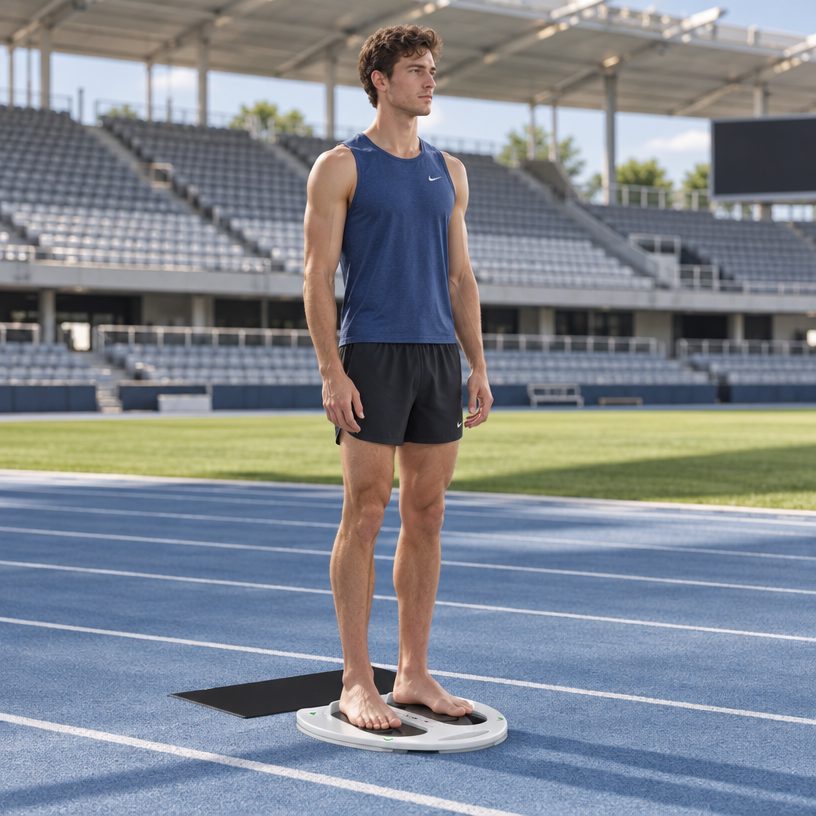
Training the session, not the device
Most installation training covers the device: where the buttons are, how to start a capture, how to save. That is necessary and it is not the session. The session includes intake, preparation, the script, the explanation, the report and the booking of a review, and every one of those is a habit that can be taught.
The most effective training we see is short and repeated. A single long session at installation is forgotten within a month; three short sessions across the first quarter, each addressing what has actually come up, produce a team that uses the equipment consistently. Departments and practices that plan for the second and third training get more from the same hardware.
Training should also cover the awkward moments, because those are what erode a routine. A person who cannot stand still. A room that is too busy. A capture that looks wrong and nobody knows why. A team that has rehearsed those three situations keeps using the equipment on the days it is difficult, and a team that has only rehearsed the ideal session quietly stops on those days.
What to write down for the next person
A one-page session document is the most valuable artifact a practice can produce. What the session includes, in what order, with what conditions, and who reads the report. It survives staff changes, it makes training faster, and it is the document a new colleague needs on their first day.
It also settles arguments about equipment far faster than a demonstration does, because it describes the work rather than the hardware, and hardware can be measured against work in a way it cannot be measured against a preference.
The document also makes a purchase decision much easier. A practice holding one can compare equipment against its own session rather than against a brochure, and the comparison takes minutes. A practice without one is comparing catalogues, which is why so many purchases are decided by a demonstration rather than by a requirement.
Frequently asked questions
How long should a foot assessment session take?
A capture with a short explanation and a report fits inside a normal appointment. The length depends on the protocol: a standing record is quick, a walking protocol needs a room and several passes.
Do we need to capture walking as well as standing?
Only if the protocol asks a question about movement. A standing record with a posture image serves fitting and footwear decisions; a walking record serves questions about change over time.
What should a report contain?
Five sections: what was captured and when, what it shows, what the operator observed, the plan, and the review date. The plan and review date are what turn a session into a service.
Is a review session necessary?
The second session is where a comparison becomes possible, and comparison is where the equipment’s value sits. Practices that book a review from the first session report more second visits.
What warranty and support come with the equipment?
Twelve months against non-human damage with free parts, seven days of testing before dispatch, training at installation, and support through a dedicated WhatsApp group with engineers, remote assistance and over-the-air updates where connected.
Can we order insoles built from the assessment?
Yes. Our plant builds insoles to a written specification, with a two hundred pair minimum mixed across models and sizes and samples shipping within three days of agreement.
What we would do next
If you are designing an assessment session, send us the draft — even three lines — through our contact page, and we will return the configuration that serves it and the report structure we would use.
Our F2 and FMP systems are the units most practices start with, and the FAQ page covers warranty, support and transit.
This article is intended for professional and educational reference. It is not medical advice. Foot assessment equipment produces measurements and images; clinical interpretation and any decision about care remain the responsibility of a qualified professional. Certification scope is limited to the documentation we hold: European Union certification and ISO quality system certification.