
The room is nearly finished: rubber flooring, two racks along the wall, a turf strip for sled work, a balance corner with pads and a wobble board, and a recovery bay with compression sleeves and a fridge for ice. On the shelf by the door sits a plastic tub of insoles in assorted sizes, bought a year ago by somebody who has since left, and nobody in the building can say which of the players is wearing which pair or why. The kit manager walks the room with a clipboard and asks the question that this article is about: where does the foot line go? Not the tub — the line. He means the whole small system that a serious sports rehabilitation room needs if the feet coming through it are going to be recorded rather than guessed at. This article answers that in room terms: which zone the foot line crosses, what it is actually made of, where the capture point belongs on the floor, how a stock of insoles is graded by sport instead of by size, and when the retest belongs in a calendar that already has too much in it. It is written from the manufacturer’s side, for the people who have to make a small room work hard.
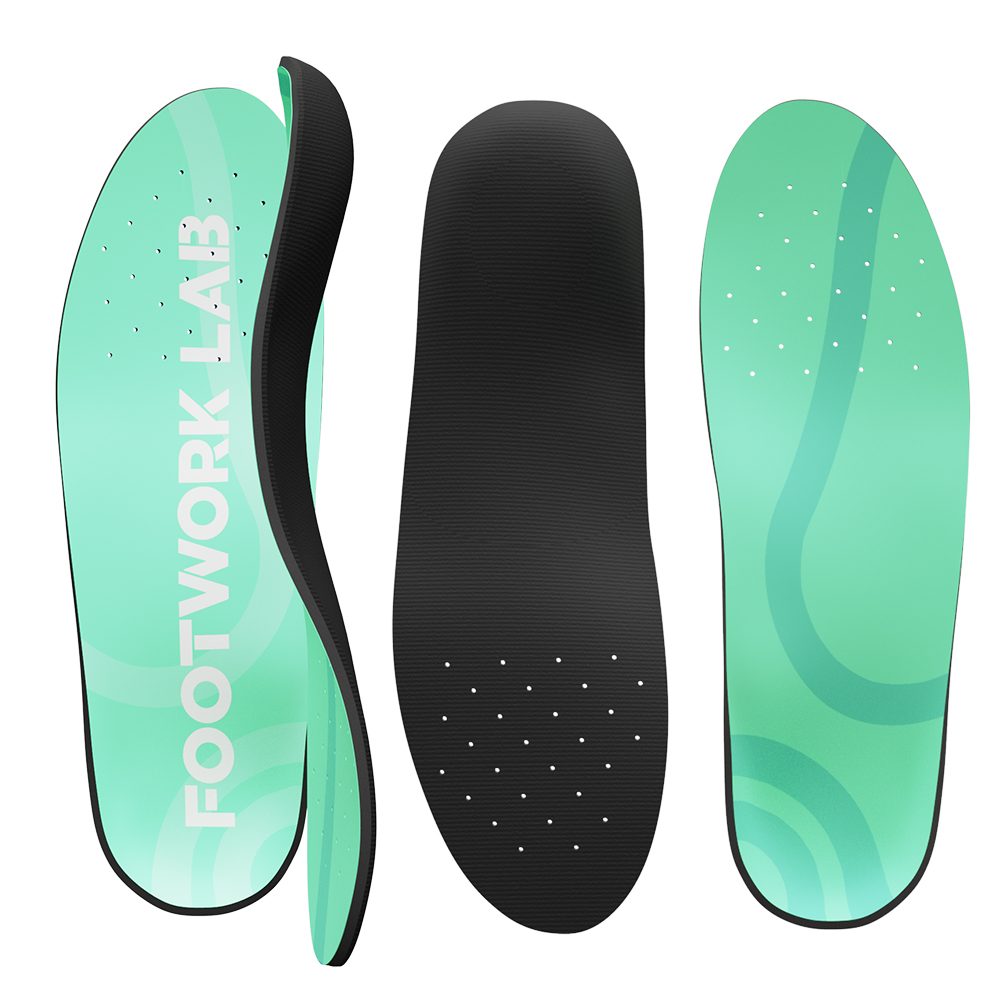
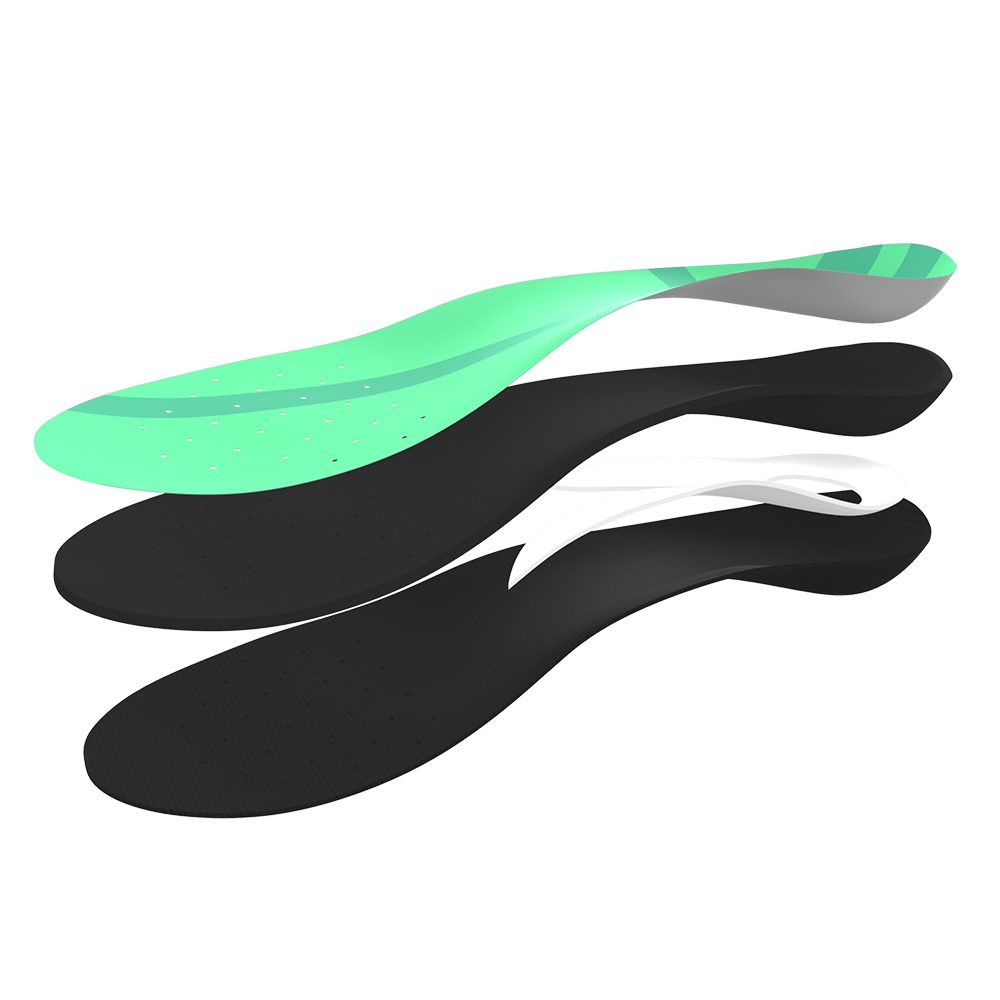
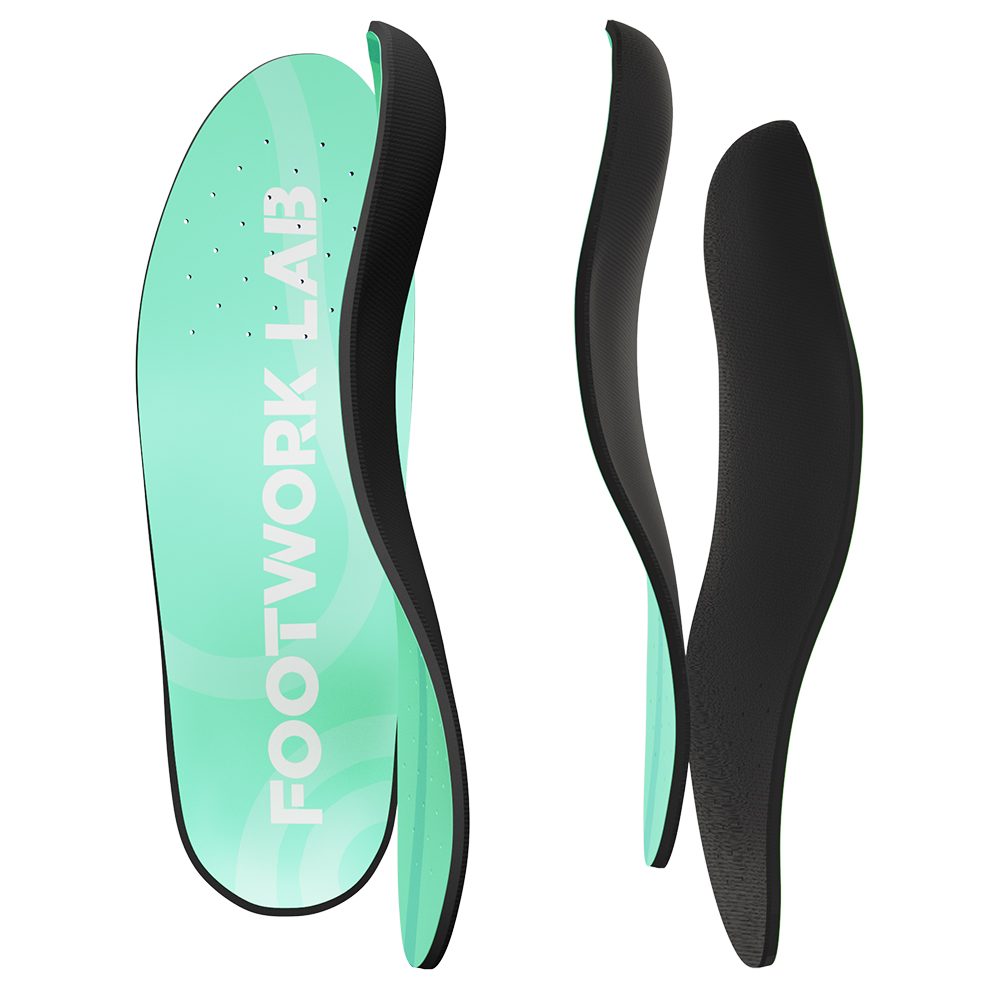
One clarification before the layout. The foot line in this article means two things working together: a capture system that produces a record of how a player’s feet load and align, and a graded range of custom orthotic insoles built from that record. Our FX Sport series is the second half of that pair, specified in four grades — support, torsion, cushioning and launch — and used alongside a foot pressure system rather than instead of one. Neither half is much use alone in a sports room, which is exactly why the line has no natural home when a room is planned zone by zone.
A rehab room is zoned before it is equipped
Sports rehabilitation rooms get planned in zones, and the logic is sound. A strength zone takes racks, bars, plates and a clear floor for lifting. A balance and proprioception corner takes pads, boards, single-leg work and something to hold on to. A conditioning strip takes turf, a sled, maybe a bike. A recovery bay takes the things that make a player sit still for twenty minutes. Each zone has a floor area, a piece of equipment and a person who owns it.
The foot line refuses that arrangement because it does not belong to a zone. It begins at the door, where the player arrives and takes their boots off. It passes through the assessment area, where the record is taken. It sits on the treatment bench, where an insole is fitted or swapped. It returns to the calendar, where the retest is booked. Four locations, one line, and no natural owner unless somebody is appointed.
There is a fourth zone in most plans, and it is the one that gets funded last: the assessment corner. It holds a bench, a screen, a chair for the person waiting and whatever produces a record. When the budget tightens, this is the corner that becomes a store cupboard, which is a decision with a long tail — a room can replace a pad in a week, but a room that never had an assessment corner has no history to compare against, and no way of telling whether the last eight weeks of work changed anything at all.
That is why the tub by the door happens. In the absence of a line, a room buys a product, puts it where products go, and hopes. The tub is not a failure of purchasing; it is a failure of layout, and it is fixed by deciding the sequence before deciding the shelving: record first, build second, fit third, retest fourth. Everything else in the room can be arranged around that sentence, and most of it already is.
What the foot line is actually made of
The first component is a capture point: a place where a player stands and walks and a record comes out. In a sports room that record needs to hold more than a footprint. It needs the static load under each foot, the way load travels through a step, the alignment of the leg above the foot, and something about posture, because a player whose pelvis drops on one side will load the opposite foot differently by the end of a session.
The second component is a graded range rather than a product. Sport insoles are not one object with a logo on it. A build for a runner training on tarmac is not the build for a basketball player landing repeatedly on a wooden floor, and neither is the build for a golfer who spends four hours rotating over a fixed stance. Support, torsion, cushioning and launch are the four grades we specify, and the point of grading is that a fitter can choose a build for the sport and the foot instead of choosing whatever is in the tub.
The third component is a date. A foot line without a retest is a purchase, not a programme. The date is what turns a fitting into a comparison, and it needs to be entered somewhere before the player leaves the building, because a retest that depends on somebody remembering does not happen. In practice this is the component rooms most often skip, and it is the one that costs nothing to add.
Where the capture point goes on the floor
Put it where the player already walks in bare feet, which in most buildings is the treatment area rather than the gym floor. A capture point in the middle of a working gym is a plate people step around, and a plate people step around is a plate that gets used on quiet afternoons only. The line works when it sits on an existing route: boots off, socks off, stand, walk, then treatment.
Allow for the walk, not just the stand. A static record is taken in a few seconds and can happen in a corner; a dynamic record needs a clear approach and a clear exit, because a player who has to turn on the plate or step over a cable produces a walk that describes the room. Two or three metres of clear floor in front of the plate is the difference between a record of a stride and a record of an obstacle course.
Then consider the operator’s position. The screen has to be visible from where the person running the session stands, and the person running the session is usually a physiotherapist with a player on the bench and a coach at the door. A capture point that needs two people — one to instruct, one to press — will be used less often than one that needs a single pair of hands and a written routine taped to the wall.
Finally, the wet-boot problem, which is real in every winter sport. Grass, mud, snow and grit travel on boots and end up on a plate. A mat at the door, a rule about socks, and a cloth in the cupboard are not glamorous parts of the layout, but a room that ignores them spends its first season cleaning sensors and its second season not using them.
Length of appointment is the last layout constraint and the easiest to get wrong. A player arriving for treatment has a slot, and the record has to fit inside it rather than beside it. That is an argument for the capture point sitting on the route rather than in a separate room: the walk is recorded while the player is already there, and the conversation about the report happens during the treatment rather than in a second appointment nobody books.
Grading stock by sport instead of by size
Sports rooms usually stock insoles the way shoe shops stock socks: a range of sizes, one build, replenished when the box empties. It is the cheapest way to hold stock and the least useful way, because the questions the room actually receives are not about size. They are about sport, load and surface. A sprinter and a goalkeeper wear the same size and need different builds.
The grading that works is coarse and disciplined. Three or four builds cover most of what a single club or clinic sees: a firmer, more supportive build for court and field sports with a lot of direction change; a cushioned build for distance running and hard surfaces; a build with more torsional resistance for sports played over a fixed stance; and a lighter everyday build for training days and travel. Anything beyond that is a specialist conversation, and a room that tries to hold everything holds nothing properly.
Stock depth then follows the calendar rather than the warehouse. Pre-season is when most fittings happen, so the grades used by the largest squads need to be deep before pre-season and thin afterwards. Return-to-play periods create a second, smaller wave. A room that orders once a year will be short in the week it matters and overstocked in the week it does not, which is a stock problem that a mixed order solves: our insole minimum is two hundred pairs, and styles and sizes can be mixed freely inside it.
There is a fitting consequence too. A graded range only helps if the person fitting knows which grade belongs to which sport and can explain the choice to a player in one sentence. That is a training matter, not a purchasing one, and it belongs in the same week the shelving goes up. Grades on a shelf with nobody briefed are just a tidier version of the tub.
The retest belongs to a calendar you already keep
Sports rooms already run on dates: pre-season screening, return-to-play reviews, mid-season testing, end-of-season reviews. The retest does not need a new calendar. It needs a slot inside the existing one, which is why the first question to ask is not how often but which existing review the record can attach to. An attached retest survives a busy month; a standalone one does not.
For most rooms the useful rhythm is three points. A baseline at the start of a block, which may be pre-season or the first week after an injury. A mid-block check, timed to the review the coaching staff already hold, so the comparison arrives with the training decision rather than after it. A discharge or end-of-block record, which is the one that gets shown to a player who wants to know whether the work did anything.
Comparability is the condition, and it is entirely within the room’s control. Same footwear or same bare feet, same approach speed instruction, same starting foot, same plate position on the floor, same time of day where possible. A room that changes its routine between records produces two documents that cannot be subtracted from each other, and the retest becomes an anecdote about how the player feels rather than a comparison of how the player loads.
One more discipline: the record should be taken before the session, not after. A player who has just done forty minutes of sled work walks differently from one who has just arrived, and both are legitimate records, but they are not the same record. Rooms that capture whenever there is a gap end up with a file full of interesting documents that cannot be lined up in a series.
What the foot line does not do
It does not diagnose. The record holds load, alignment, posture, contact area and the path of the centre of pressure; it does not say what is wrong with a player or what should be done about it. Reading a record is the work of a qualified professional who has examined the person, and a coach who reads a report aloud in the changing room is doing something the equipment does not license.
It does not replace the physiotherapist, the strength coach or the rehab plan. An insole sits inside a shoe and changes how load is distributed during the hours it is worn; it does not do the work of a programme, and a room that fits insoles instead of running a programme has bought a product and skipped the treatment. We are explicit about this because the alternative sells better and helps less.
It does not promise fewer injuries, and we will not write that sentence for anybody’s brochure. A record makes a conversation more specific and a comparison possible. Whether a squad stays fit depends on load management, training design, recovery, luck and a dozen things no insole factory controls.
Commercial limits, stated here rather than discovered later: we do not publish prices in an article, because a quotation depends on the build, the volume and the destination. We do not promise regional exclusivity. Sample pairs ship within three days so a room can test a build in a real boot before committing to a stock order, and that is the honest way to choose between grades.
Frequently asked questions
Does a sports rehab room need a capture system, or are insoles enough?
Insoles without a record are a guess with a size on it. The record is what tells the fitter which grade suits which foot, and it is what makes a later comparison possible. A room can start with a record and a small graded stock, and add depth as the fitting routine settles.
How many insole grades does a single club realistically need?
Three or four cover most of what one club or clinic sees: a firmer supportive build for court and field sports, a cushioned build for distance running, a build with more torsional resistance for fixed-stance sports, and a lighter everyday build for training days.
Where should the capture point sit in the room?
On the route a player already walks in bare feet, usually between the door and the treatment bench, with two or three metres of clear floor in front of the plate. A capture point in the middle of a working gym gets stepped around and then stops being used.
What is the minimum insole order, and can grades be mixed?
Two hundred pairs, with styles and sizes mixed freely inside that number, which suits a room that needs depth in two grades before pre-season and very little afterwards. Sample pairs ship within three days if a build needs testing first.
When should a player be retested?
At the start of a block, at the review the coaching staff already hold, and at discharge or the end of the block. Attaching the retest to an existing date is what keeps it happening; a standalone appointment competes with training and usually loses.
Does the record or the insole treat anything?
No. The record describes load, alignment and posture; the insole changes how load is distributed while it is worn. Interpretation and any decision about care belong to a qualified professional, and every report we ship carries a reference line saying so.
How long does delivery take once an order is placed?
Express runs six to seven working days, air freight ten to twelve days and sea freight thirty to thirty-five days. Rooms that order against a pre-season date should count backwards from the date rather than forwards from the purchase order.
What we would do next
Draw the room on one page and mark four things on it: where boots come off, where the player stands and walks, where the bench is, and where the insole stock lives. If those four marks sit on a single route, the line will work. If they are scattered, the tub by the door is already being planned, whatever the purchase order says.
Send the drawing through the contact page and we will tell you which parts of it a record can serve and which parts are a staffing question. The insole range page sets out the sport series and the four grades, and the F2 system page covers the capture side for rooms that are still deciding what the record should hold.
Two pieces are worth reading alongside this one. Orthotic sport insoles are ordered by sport explains the grading logic from the factory’s side, and foot rehabilitation programmes need a baseline covers what a retest is worth when there is nothing to compare it with.
This article is intended for professional and educational reference. It is not medical advice. Foot assessment equipment produces measurements and images; clinical interpretation and any decision about care remain the responsibility of a qualified professional. Certification scope is limited to the documentation we hold: European Union certification and ISO quality system certification.