
It is Thursday afternoon in the staffroom, and a teacher is describing a spot on the floor rather than a spot on her feet. The front of the classroom, near the whiteboard. The same few tiles she has stood on for six periods a day, five days a week, for years. The floor never changes; the timetable never changes; only the ache moves around — the ball of one foot this term, the heel the last one. Around the table, half the colleagues nod. The other half have their own version: the playground duty, the corridor supervision, the lab bench they lean against.
Teachers are one of the largest standing professions in any country, and they stand in a particular way: mostly in one place, on hard surfaces, in shoes chosen for the dress code rather than the floor. For physiotherapy and rehabilitation centres, shoe retailers, and orthotic workshops that serve school staff, this combination deserves its own assessment routine — not a generic standing-worker template. This article walks through what a teaching day actually does to the feet, the questions worth asking before recommending anything, and how a clinic or retailer can build a service that school staff return to every term.
Why Classroom Standing Is Its Own Category of Load
Standing still is not walking with fewer steps; it is a different mechanical situation altogether. When a person walks, the load moves through the foot in waves — heel to midfoot to forefoot, hundreds of times an hour, and the calf muscles pump blood back up with every push-off. When a person stands in one spot for a whole lesson, load parks in the same regions for long stretches, the muscle pump goes quiet, and the same few tissues hold tension while the mind is busy with thirty children. Many teachers report that a full teaching day leaves their feet feeling worse than a much longer shopping trip, and the physiology of static standing explains why.
The classroom adds conditions that most standing workplaces do not have. Floors in school buildings are frequently hard tile or polished concrete, chosen for durability and cleaning rather than for the people standing on them. The shoes are frequently flat, thin-soled, and chosen to match a dress code. And the day is fragmented: stand for a lesson, walk quickly to collect a class, stand again for assembly, supervise a yard in cold air. Feet move between static load, brisk walking, and cold-induced stiffness all day, which is a harder pattern than either pure standing or pure walking.
For the professional assessing a teacher, this matters because the complaint rarely arrives as “my feet hurt when I walk”. It arrives as “by the last period I cannot wait to sit down”, or as a description of one region that complains while the rest stays quiet. The vocabulary of the classroom day — periods, duties, corridors — is the context any recommendation has to survive in, and it is the first thing an assessment should capture on paper.
Five Questions to Ask Before You Recommend Anything
A quick routine that fits into a standard consultation: five questions, asked before anyone looks at a record or a shoe. First, which floors — ask the teacher to name the surfaces of a normal day, because tile, carpet, playground asphalt, and polished concrete load differently and the answer shapes the support conversation. Second, what shoes does the dress code allow, and are there laces or is it a slip-on? A recommendation that cannot go into the permitted shoes is a recommendation that will live in a cupboard.
Third, how long are the uninterrupted standing stretches, and when do they come in the day? A teacher with two double periods back to back has a different load profile from one whose day is chopped into short blocks with walking between. Fourth, where does the day complain — not “does it hurt” but which region, on which side, and by which hour? That answer later becomes the comparison point for any follow-up. Fifth, what has already been tried: gel mats, supermarket insoles, new shoes, stretching? The failures in that list are diagnostic gold, because they tell you what this person’s feet have already rejected and why.
Write the five answers at the top of the record sheet, in the teacher’s own words. They cost nothing to collect, they take under three minutes, and they convert an anonymous “standing worker” into a specific person with a specific floor, a specific shoe policy, and a specific afternoon. Every recommendation that follows — footwear advice, support choices, or a referral conversation — will be stronger for it, and the follow-up visit will have a baseline to compare against.
What an Assessment Adds for a Teacher
Once the history is on paper, the assessment has a job to do that the interview cannot: show how this particular foot distributes load in the conditions described. A static record captures the arch profile and the standing load distribution under quiet stance, which answers the fitting question — where does this foot park its weight when the lesson demands it stand still. A dynamic capture at the teacher’s own walking pace answers the corridor question — how the load travels when the day switches to movement. Both are measurements; neither is a diagnosis, and the interpretation belongs to the qualified professional in the room.
Timing of the assessment is worth a deliberate thought. A capture taken on a Saturday morning, after two days off, shows a different foot from the one that walks out of school on a Tuesday. Neither is wrong; they are different records of the same person, and the useful one depends on the question. If the visit is about the end-of-day complaint, capturing after a teaching day — tired feet, the actual shoes — tells the truer story. If it is a first fitting visit, a rested record may give a cleaner picture of structure. Write down which condition you chose, so the next visit can be compared honestly.
The conversation matters as much as the capture. Teachers are professional explainers, and they will meet the assessment halfway if you show them their own record and connect it to their five answers: here is the static load, here is the walking pattern, here is the region you named by the last period. Turning the screen around and walking through the three together usually produces more useful history than any form, because the teacher starts remembering specifics — the term the ache moved, the year the duty rota changed.
Matching Support to a School Day, Not to a Diagnosis
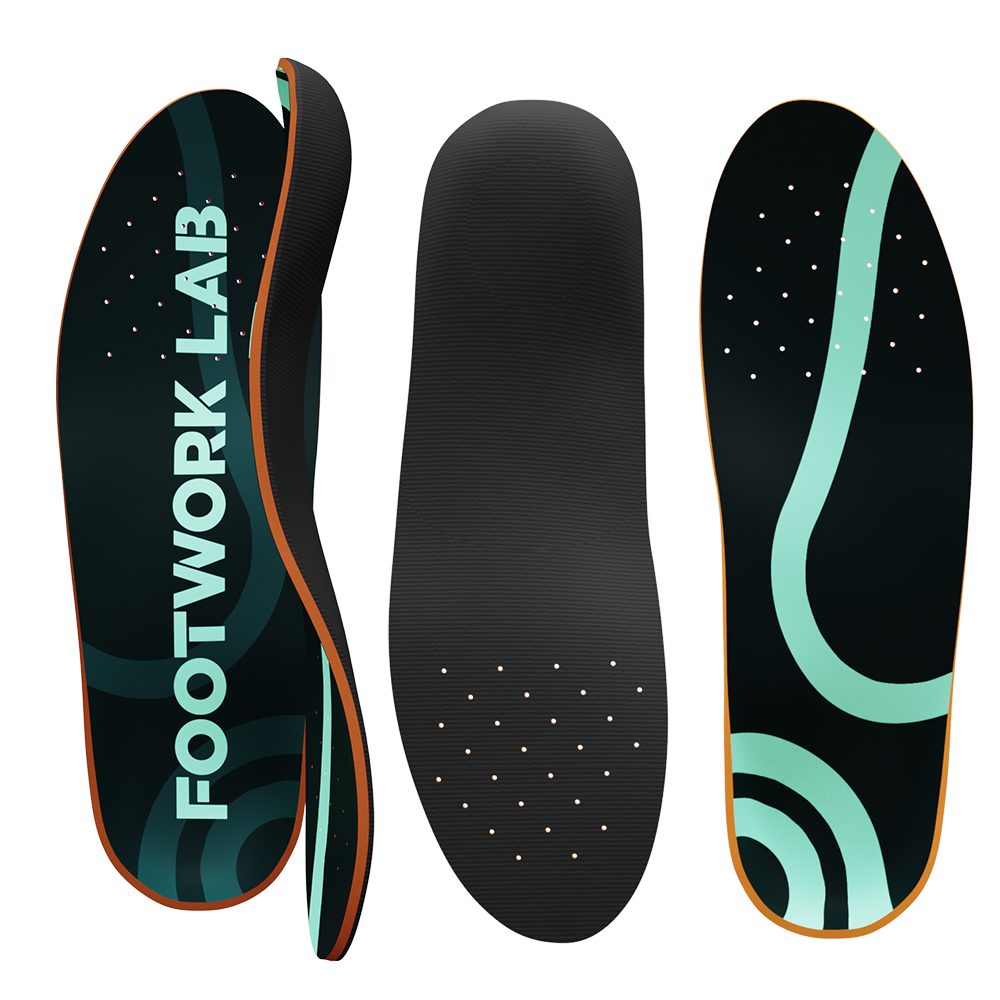
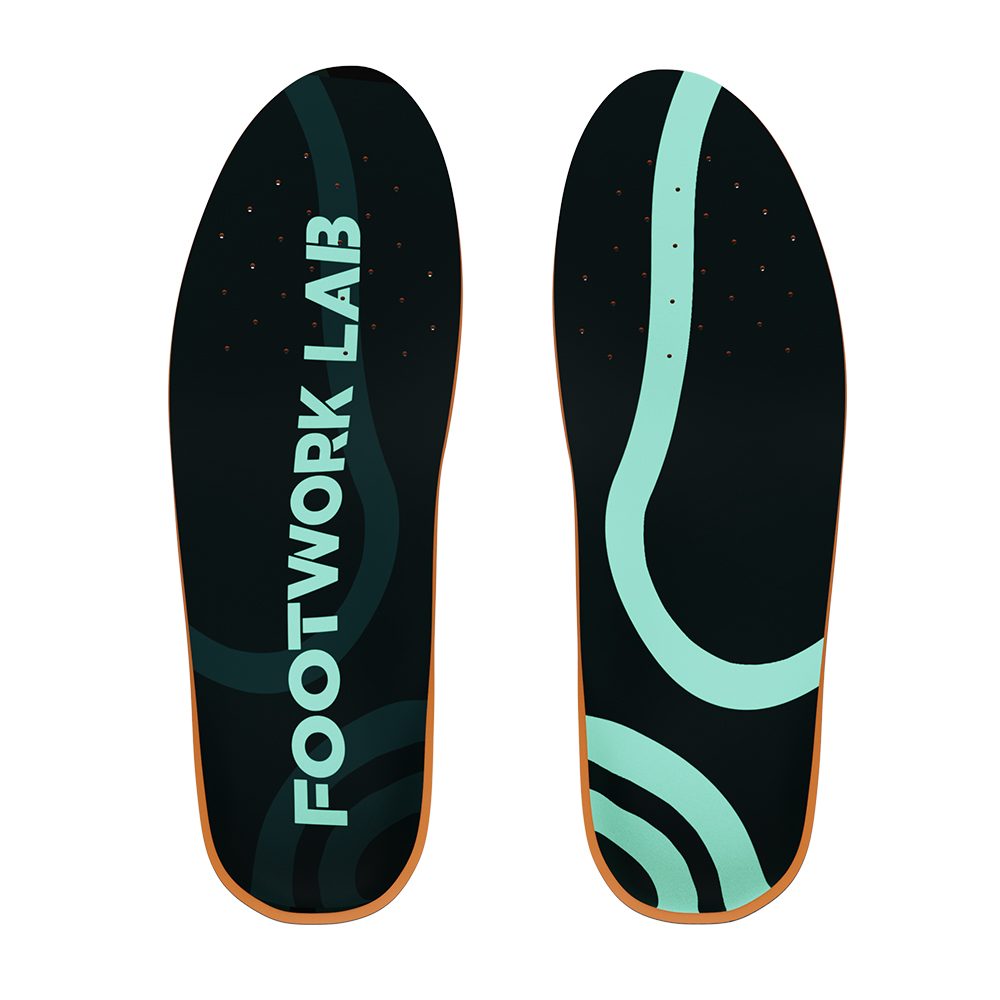
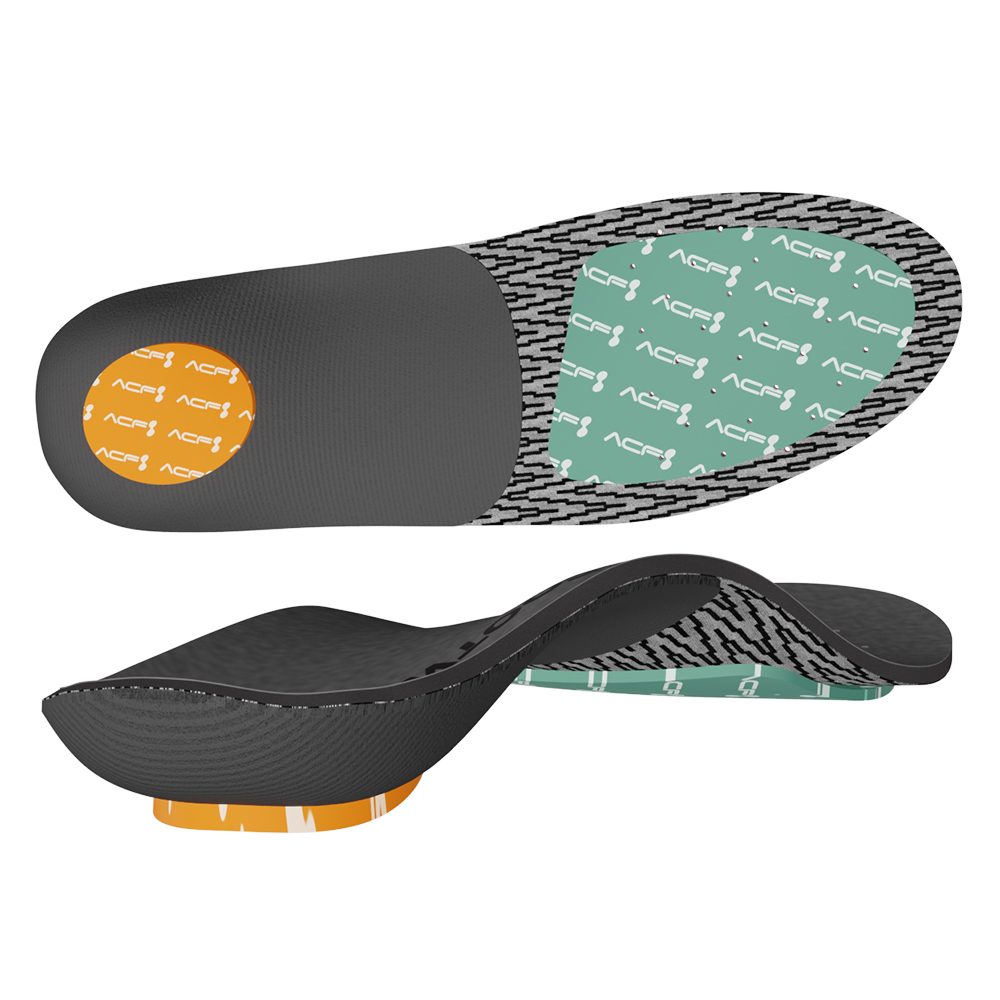
When the professional’s interpretation supports some form of foot support, the classroom context does the deciding, not the catalogue. A teaching day asks for three things from whatever goes inside the shoe: support that holds the arch through long static stretches, a load distribution that stops parking everything on one region, and enough comfort that a person can ignore their feet for six periods. Custom orthotic insoles exist to serve exactly that trio — support, alignment, and load distribution — and the assessment record is what tells the workshop which of the three this particular foot needs most.
Resist the temptation to recommend by profession alone. Two teachers with the same timetable can need different support, because their arch profiles, their shoe choices, and their five answers differ. The record plus the history is what individualises the decision; the job title is only the scene. This is also the honest boundary to hold with the customer: the insole is a tool that changes how load is distributed inside the shoe, the professional decides what that distribution should aim for, and no support product replaces an examination where one is warranted.
For retailers and distributors, the classroom day also sets practical expectations that are worth stating upfront. School shoes are shallow; whatever goes inside must fit without lifting the foot into the toe cap. Term dates are the natural rhythm for follow-ups — an end-of-term check lands when the teacher has accumulated a real opinion of the pair. And teachers talk to each other: one good outcome in a staffroom travels further than any advertising, which is why getting the first fitting right matters more with this group than with almost any other customer base.
Shoes First, Then What Goes Inside Them
No insole conversation with a teacher should skip the shoe itself, because the shoe is the fixed condition around which everything else is arranged. Bring the assessment to the shoe: put the teacher’s actual school pair on the bench, check the removable stock insole, and measure the depth and width the replacement would have to live in. A dress-code pump with a thin, glued-in insole offers a very different working envelope from a lace-up brogue, and pretending otherwise produces returns rather than outcomes.
Three checks at the bench take two minutes and prevent most disappointments. One: does the shoe have a removable insole, or is the footbed glued? Glued footbeds force a thinner solution and a frank conversation about what is achievable. Two: is there depth over the toes once the foot sits on the proposed support? The foot must not ride upward into the toe cap, or the teacher will trade one complaint for another within a week. Three: does the closure actually hold the foot on the support — a slip-on with elastic sides lets the foot slide around whatever is underneath it, and the support effectively never engages where it should.
Where the school shoe fails all three checks, the useful conversation moves to the shoes the teacher controls: the commute pair, the weekend pair, the shoes worn at home in the evening. Support can begin its work in the shoes people choose freely while the dress-code constraint is worked on separately — sometimes a different permitted style, sometimes a conversation with the school. The professional decides what is appropriate; the retailer’s job is to make sure the options on the bench are honest about what each can and cannot do inside the shoes the teacher actually wears to work.
Serving School Staff as a Group, Not as One-Off Customers
Teachers rarely arrive alone. They arrive because a colleague said something in the staffroom, and they leave and report back the same afternoon. That social physics makes school staff one of the few customer groups where a structured programme outperforms one-off fittings. The practical shape is simple: partner with a school or a group of schools, book assessment sessions in the staffroom calendar — a half day at the start of a term works well — and run the five questions plus capture for everyone who signs up, with each person leaving with their record and a scheduled follow-up.
The logistics deserve the same respect as the clinical routine. School staff span every shoe size and both dress codes, which means a fitting service needs a genuine size range on hand rather than a guess. Workshops supplying this market typically work from an assessment record per person, produce in batches after the session, and keep a recheck slot at the end of term for anyone whose pair needs adjustment. For distributors weighing whether to serve schools at all, the supply side is straightforward: custom insole production at scale is an established manufacturing category — our own samples ship within three days and full orders are produced at rates measured in hundreds of pairs a day — so the constraint is the assessment capacity, not the factory.
The recheck is where the programme earns its reputation. Feet adapt to new support over weeks, first impressions settle into informed ones, and the term-end review catches both the pairs that need trimming and the teachers who need a different solution entirely. Rooms that skip the recheck discover the difference at enrolment time next year; rooms that keep it find the staffroom does their marketing for them.
Frequently asked questions
Are insoles useful for people who stand still all day rather than walk?
Static standing is a distinct load situation: weight parks in the same regions for long stretches, and the natural load-shifting of walking never happens. Whether support helps a particular teacher is a professional decision based on an assessment, but the classroom pattern of long static stretches on hard floors is precisely the situation where load distribution inside the shoe matters most.
What should a teacher bring to a foot assessment appointment?
Their actual school shoes, including the spare pair if the dress code allows two styles, plus a sentence about which region complains by which hour of the day. The shoes are not optional: whatever is recommended has to fit inside them, and the bench check happens with the real footwear present.
Can a custom insole be worn in dress-code school shoes?
Often yes, but it depends on the shoe. A removable stock insole and enough toe depth are the two conditions that make it workable; thin glued-in footbeds limit what fits. The honest answer comes from the bench check, not from the brochure, which is why the shoes come to the appointment.
How long does it take to get used to a new pair?
There is no fixed timeline, and anyone promising one should be treated with caution. Most people go through an adjustment period of a few weeks while feet and habits adapt to a new load pattern. A scheduled follow-up after that period is more useful than a prediction made on day one.
Should a teacher be assessed after a teaching day or on a rest day?
It depends on the question. A rested capture gives a cleaner picture of structure for a first fitting; a capture after a real teaching day shows the foot under the actual conditions of the complaint. Either is valid — write down which condition you chose so the next visit can be compared fairly.
Do teachers need different support from retail or healthcare staff who also stand?
The profession sets the scene, not the prescription. Teachers stand mostly in one place, on hard floors, in dress-code shoes — but two teachers with identical timetables can need different support based on their own records. The assessment, not the job title, decides what the pair aims to do.
How often should classroom staff have their feet reassessed?
A term-end follow-up after a new pair is the natural first checkpoint, because it lands when the teacher has a real opinion of the support. After that, an annual reassessment or a visit whenever the complaint, the shoes, or the timetable changes materially keeps the record current.
What we would do next
If you serve school staff, our suggestion is to start smaller than a programme: take the five questions in this article, print them on the front of your record sheet, and run them for every teacher who walks in this month. The pattern across your own files will tell you whether a staffroom session is worth organising, and it will do so in your customers’ own words rather than in market research. Teachers are the most articulate describers of standing work you will ever meet; let a month of their answers do the planning for you.
On the supply side, the pieces are standard: an assessment record per person, a workshop that produces from that record, and a recheck on the calendar. Custom orthotic insoles built this way are the category we manufacture daily — our insole ranges are produced at the Ruichang factory with samples shipping within three days — and retailers extending into school programmes usually begin with a single pilot school before scaling. Related reading that fits this article: standing commuters face a similar static-load pattern in Standing Room Only: Insoles for the Daily Commute, fitness instructors share the fragmented-day problem in Teaching Five Classes and Taking None, and pharmacists stand on the same tile all shift as described in Behind the Counter, On the Same Tile.
Here is the question we would leave with the room: when a teacher sits down in front of you, which of the five answers changes your recommendation most often — the floor, the shoe policy, the timetable, the region of the complaint, or what they have already tried? Ask your own files before you answer. We ask ours.
This article is intended for professional and educational reference. It is not medical advice. Foot assessment equipment produces measurements and images; clinical interpretation and any decision about care remain the responsibility of a qualified professional. Certification scope is limited to the documentation we hold: European Union certification and ISO quality system certification.