
A consult room at eight, a kennel block at nine, and a dog that outweighs the table by ten. Anyone who has worked a veterinary day knows the rhythm: dry, clean floors in the consulting rooms, wet concrete in the kennels, a farm call after lunch, and a large animal deciding at the worst possible moment that it would rather not be lifted onto anything. The staff complain about their feet in the same flat tone they use for everything else, usually on the way out the door.
Veterinary work is one of the few jobs that mixes clinic hours with farm strength inside a single shift, and the footwear and support choices that suit one half of the day rarely suit the other. This article is for the clinics, practices and distributors who supply or advise that workforce. It breaks the day into its actual load types, describes what staff tend to report, sets out how an assessment can be run for a whole team without swallowing the rota, and explains what a sensible insole brief looks like for this setting, with the honest limits stated plainly.
A day that changes jobs every hour
The first step is to stop treating veterinary work as one job. It is several jobs stitched together, and each one loads the feet differently. Morning consults are standing work: the staff member is planted on hard flooring for back-to-back appointments, shifting weight between feet, leaning over examination tables that force a bent-forward posture. Kennel rounds are walking and cleaning work: long corridors, wet surfaces, repeated bending to floor level. Theatre days are the longest single stands in the building, sometimes hours in one spot with no chance to step away. Then there is the handling work nobody schedules: catching a frightened animal, restraining it, lifting it onto a table or into a bath.
Each of those load types asks something different of a foot. Standing consults ask for support that holds a position over time. Corridor work asks for cushioning that survives thousands of steps on unforgiving floors. Theatre standing asks for load distribution that keeps one spot on the sole from taking the whole shift. Handling asks for stability during sudden, asymmetric efforts that no schedule can predict. A support choice built for only one of these four will leave the other three unanswered, which is why the complaints that reach a supplier or clinic tend to sound contradictory when staff compare notes.
The practical consequence is that any conversation about insoles for a veterinary team should start with the rota, not with a product. Map which staff members do which blocks most often, and you will find the answer is not one configuration but a small set of them, matched to the actual mix of duties each person carries in a week. The rota, in other words, is the first document in the file, ahead of any record or product discussion.
The floors are the first problem
Veterinary buildings are floored for hygiene, and hygiene chooses materials that feet pay for. Washable, sealed, hard surfaces run from the front desk through consulting to kennels and theatre, because they clean fast and survive disinfectant. From the foot’s point of view, that means nearly every step and every standing hour happens on the least forgiving surface the building contains, with the possible exception of the yard. There are no soft sections to recover on. Staff walk from one hard floor directly onto another, shift after shift.
Standing is the part that wears people down fastest. During a consult, the feet stay planted while the upper body leans and reaches, and the small position changes that would normally redistribute load never happen. Staff describe it afterwards as a burning feeling under the balls of the feet or a stiff ache through the heels, and those descriptions are workload descriptions, not diagnoses; interpreting them belongs to a qualified professional. What you can do as the person advising the team is notice which rooms produce the worst end-of-day reports and how long the longest uninterrupted standing blocks actually run.
One actionable suggestion for the practice itself: walk the building with the rota in hand and time the standing blocks. Two consulting rooms side by side can produce very different outcomes if one has an anti-fatigue mat at the table and the other does not. The mat is not the whole answer, but knowing where the worst surfaces and the longest stands overlap tells you exactly where support matters most, and it turns a vague request for “better insoles” into a specific brief with named shifts attached. Practices that keep that note on file a year later find their repeat conversations almost mechanical, because the workload map changes slowly and the rooms change more slowly still.
The surprise load problem
Then there is the part of the day that never appears on any schedule. An animal that fights the table, a crate door that jams, a patient that bolts halfway through a bath, a large breed that decides the consult is over and acts on it. Handling moments like these load the feet through positions and angles that normal walking never rehearses: a braced stance, a twist, a sudden asymmetric lift with one foot turned sideways on a wet floor. The feet take whatever arrives, in whatever posture the moment allows.
This is the feature that separates veterinary teams from most clinic populations, and it has two implications for anyone advising them. The first is that stability matters as much as cushioning. An insole that softens steps but lets the foot slide inside the shoe is worse than useless in a handling moment, because the foot needs a defined position to brace from. Support and hold come before softness in this setting, which surprises visitors who assume a wet, hard-floor job mainly needs padding. It is worth saying that sentence to the team itself, because it resets expectations before the first fitting.
The second implication is about footwear rotation, and it is worth saying to every team you advise: no single insole can be expected to serve consult standing, kennel corridors and a farm call equally well. Where the duties are genuinely mixed, a rotating setup, one configuration for the standing-heavy blocks and another for the walking-heavy ones, works better than searching for a compromise that serves neither. Our article on theatre stagehands (/news/6590//) describes the same pattern from a different industry: unpredictable loads reward stability first, everything else second. And the same article carries a second lesson worth importing: the staff who handle the biggest surprise loads are usually the quietest about them, so ask directly rather than waiting for reports.
What staff report, and how to collect it properly
Veterinary staff are terrible complainants, in the useful sense of the word. They are used to working through discomfort, they minimise, and their complaints come out in asides rather than appointments. If you wait for formal reports, you will hear from two people and miss fifteen. Collect the information the way the building actually talks: short conversations at shift change, a simple note on the staff noticeboard, one specific question asked consistently. Where does it sit, and when in the shift does it start?
Run the question for a fortnight and a pattern usually appears. The kennel staff name their heels and the long corridors. The consult-heavy nurses name the balls of their feet and the afternoon block. The theatre team names the end of the longest lists. These are workload descriptions, and they are valuable precisely because they are not diagnoses; they tell you where the load concentrates before anyone decides what, if anything, should be done about it. Any interpretation and any decision about care belong to qualified professionals, and the questions you ask should be framed as building a workload picture, not as screening for conditions.
Write the answers on a single sheet with the rota beside it, because the two together are the brief. A team member who does four consult blocks and one kennel round a week is a different case from a colleague with the opposite mix, even if their complaints sound similar. The sheet takes an afternoon to build and saves months of guessing, and it gives every later recommendation something to be checked against rather than an opinion to be argued with. It also changes how the team talks about feet, because once the questions exist on paper, staff start answering them before they are asked.
What an assessment adds before recommending anything
Once the workload picture exists, a foot assessment gives each person’s file its second column. A static record shows how the foot organises itself: arch profile, standing alignment, how weight sits across the sole at rest. A dynamic pass shows how load moves through the foot in actual walking, which is the part standing conversations cannot reach. A pressure platform produces these measurements in a few minutes per person, and the same visit can cover a whole team if the rota is planned around it. The equipment produces measurements and images only; what they mean, and whether any support is appropriate, is decided by the qualified professional running the session.
For teams, three comparisons do most of the work. Compare each person’s two feet, because handling work pushes load onto one side repeatedly. Compare staff with different rota mixes, because the records tend to reflect the duties. And compare the feet that complain with the feet that do not, quietly, without promising that any difference found explains anything. Records rarely settle a question by themselves; they settle it next to the workload sheet you built in the previous section.
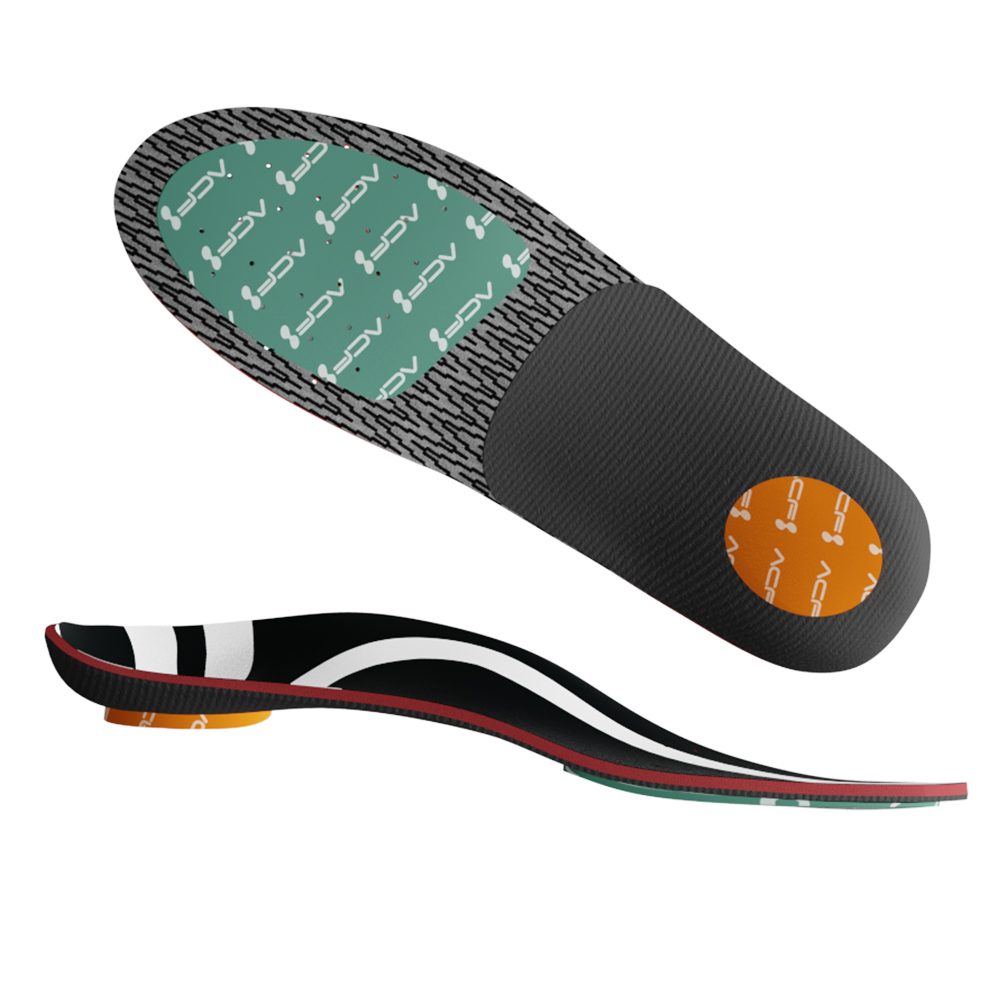
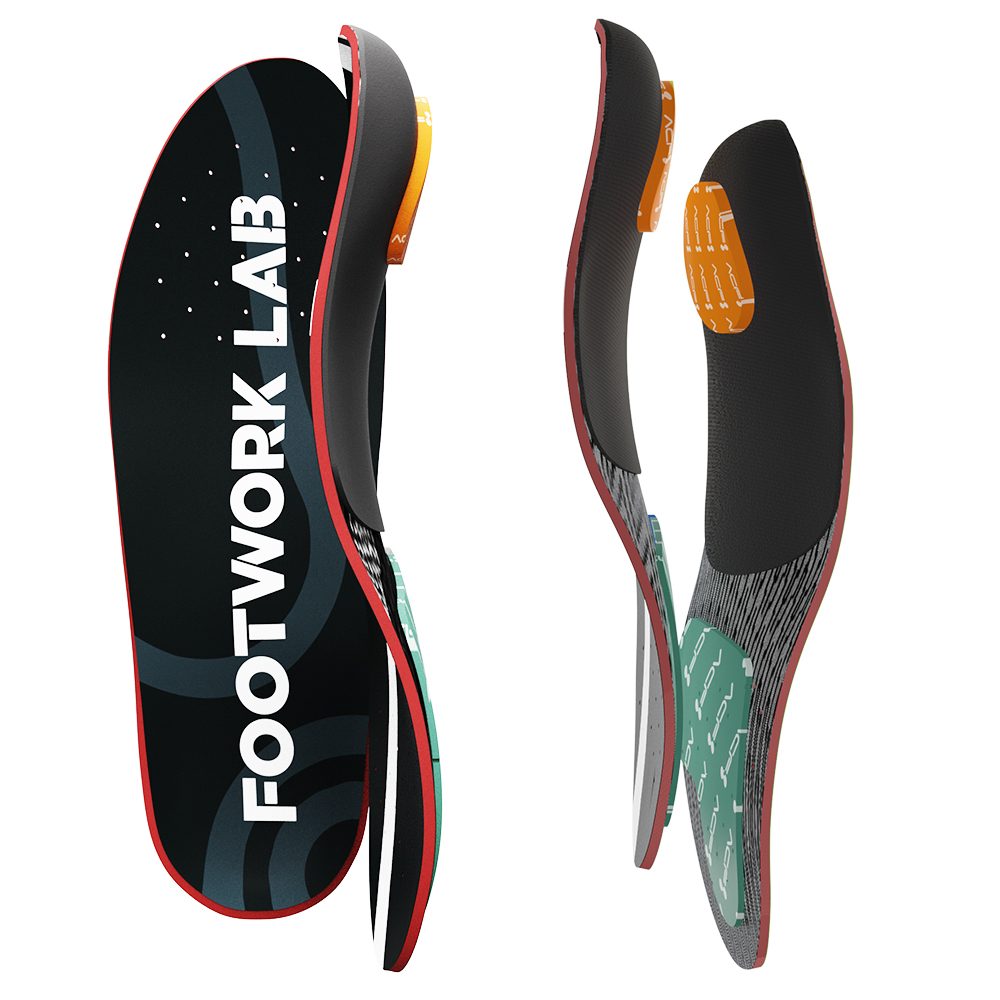
If the professional concludes that support is appropriate for some of the team, custom orthotic insoles built to each individual record, like the ranges listed on our insole categories page, are one way to translate that record into something the person can wear on shift. The point of the assessment was never the product. It was making sure that whatever goes under a foot answers the load that foot actually carries, in the shoes it actually works in. Everything the professional needs for that decision is now in one file: the rota, the workload sheet and the record, each answering for the others.
Writing the brief for a workday insole
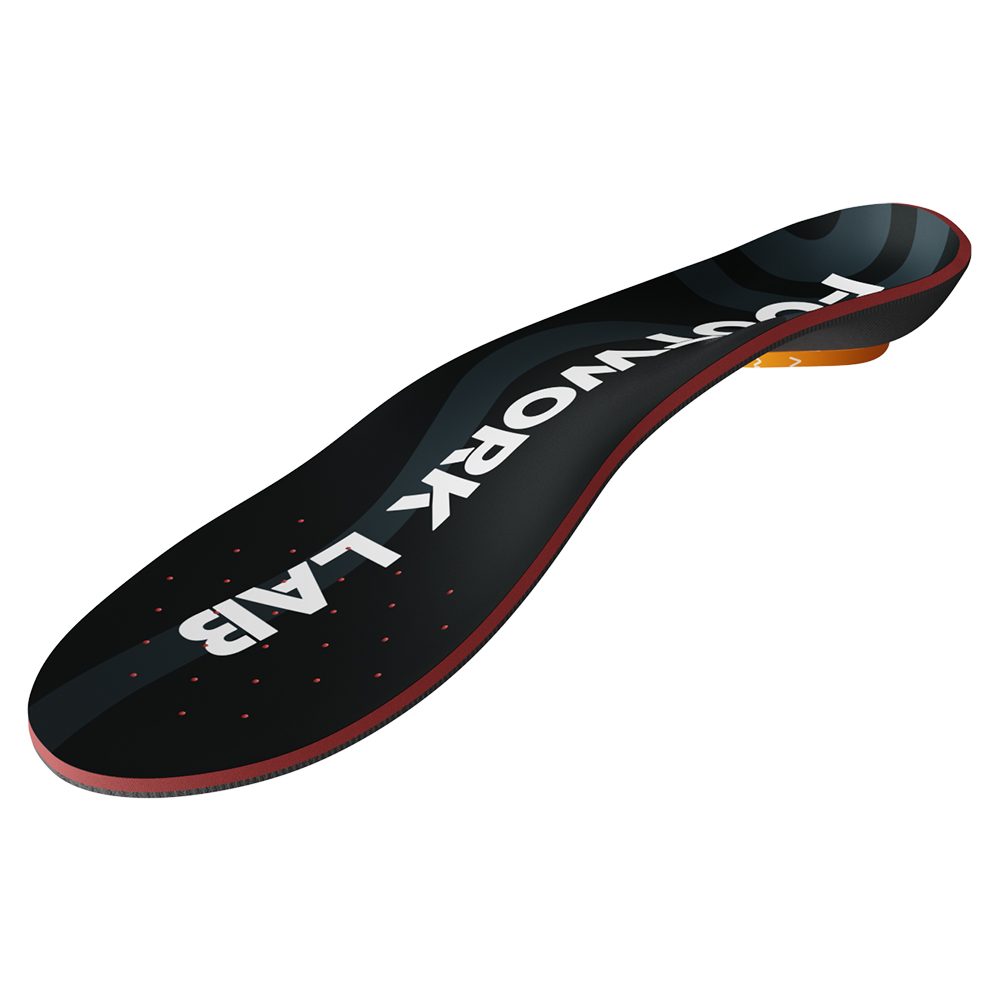
A veterinary brief should be written from the rota, not from a catalogue. For consult-heavy staff, lead with support and load distribution under the forefoot, because their complaint is long standing on hard floors with a forward lean. For kennel-heavy staff, lead with heel cushioning that survives wet corridors and constant steps, plus a cover material that copes with being washed, because hygiene rules will not bend for anyone’s feet. For theatre staff, lead with even load distribution for the longest uninterrupted stands in the building.
For everyone, add the handling line: the foot must be held firmly in position inside the shoe, because the surprise moments demand a stable brace, not a soft one. That single line changes material choices, top shapes and how the fit is checked, and skipping it is the most common reason a pair that felt good at the desk fails in the kennels. Note each person’s actual shift shoes on the brief too, including the clogs, the boots and whatever the farm call requires, since the same insole may need to move between them or the team may need a pair per duty.
Be equally explicit about what the brief does not promise. It does not promise to change anyone’s foot structure, and it does not promise that discomfort will disappear; it aims to give the foot a defined working position and spread load across more of the sole, which is the honest answer to a hard-floor week. Saying that out loud when you take the brief protects everyone later, especially in a workplace where staff are professionally inclined to carry on regardless and under-report until something stops them. It also gives the review conversation its vocabulary, because an aim stated in support and load terms can be checked in the same terms.
Rollout, rotation and the honest limits
Roll the support out the way the rota works, not all at once. Give each person their pair with a short first-week plan: a few shifts at first, building to full weeks, so feet that have carried hard floors unaided for years get time to adjust to a new working position. Book a review a few weeks out, and use the workload sheet from the first conversation as the yardstick: same complaint, smaller, larger, or moved to a different spot. Teams adapt fast, but they adapt to being taken seriously as much as to any product, and the review is where that shows.
Handle the limits the same way you handle the rota, in writing. Some staff complaints will not be workload complaints at all, and no insole conversation should replace a clinical one; where a report suggests something beyond fit and fatigue, the file goes to a qualified professional, full stop. Some pairs will fail on practical grounds, a boot that cannot take the added volume, a cover that does not survive the disinfectant rota, and those are supply conversations, not clinical ones. Separating the two keeps everyone’s role clear.
The practices that get lasting value from this work treat feet like any other piece of working equipment: assessed at induction, reviewed yearly, recorded in the same file as everything else. The cost of one afternoon of assessments is small against the cost of a experienced nurse quietly reducing her shifts because the floors won. Write the review into the diary at the same time as the fitting, because a review that lives only in good intentions quietly becomes next year’s conversation. If your team serves veterinary practices, the pattern in this article transfers directly, and the FAQ page answers the production questions that usually follow, from ordering quantities to sample timing.
Frequently asked questions
Do veterinary staff need different insoles from other clinic workers?
The standing half of the job resembles any clinic role, but the handling half changes the brief. Sudden, asymmetric loads with the foot braced at an angle reward hold and stability more than softness, and wet kennel floors make a foot that slides inside the shoe a genuine problem. A veterinary brief should combine support and load distribution with a firm position inside the shoe.
Can one pair serve consults, kennels and theatre work?
Often, if the duties are genuinely mixed, but the honest answer is that the rota decides. Consult-heavy and kennel-heavy roles concentrate load in different places, so where a team member’s week is dominated by one duty type, a configuration matched to that duty serves better than a compromise. Where the mix is even, a single well-briefed pair usually works.
Why do consult staff complain about the ball of the foot?
Consulting is standing work with a forward lean over a table, which keeps load concentrated under the forefoot for whole appointment blocks. The position changes that would normally spread the load never arrive, so the same small area carries the shift. That is a workload description, and its interpretation belongs to a qualified professional.
What should kennel staff look for in an insole?
Heel cushioning that survives long corridor walking on hard, wet floors, a cover that copes with regular washing, and above all a firm hold inside the shoe so the foot stays put during cleaning and handling. Softness alone answers only part of that job, and a foot that slides is its own complaint waiting to happen.
How do you assess a whole team without closing the practice?
Plan around the rota rather than around the equipment. Short static records and dynamic passes take only a few minutes per person, so a team can be covered across a normal working day if sessions are slotted between consult blocks. Collect the workload notes beforehand so every record has a rota to be read against.
Will insoles help with existing foot complaints?
No claim of that kind should be made or accepted. Insoles aim to give the foot a defined working position and spread load more evenly under it; what any individual complaint means, and whether support is appropriate, is a matter for a qualified professional. Where a report suggests something beyond workload and fit, the conversation moves to clinical care.
What does a practical rollout look like for a practice?
Short first weeks to let feet adjust, then full-time wear, with a written review against the original workload notes a few weeks in. Keep the sheet that recorded where each complaint sat and when it started, because it is the only fair yardstick for the review. Staff who see their notes taken seriously engage with the process far better than those handed a product cold.
What we would do next
The working order, in short: build the workload sheet from the rota, run the assessments around the shifts, brief each insole against both, and review in writing. None of it needs the practice to stop working for a day, and all of it produces records that make next year’s conversations shorter. If the supply questions come next, minimum orders, mixed sizes, sample timing, the contact page is the fastest route to a direct answer.
The part we would flag for colleagues is the under-reporting problem. Veterinary staff carry on past discomfort as a professional habit, so the sheet built at shift change will hear more than any formal survey would, and the quiet people on it are often the ones carrying the heaviest rota mix.
Which brings us to the question we would ask anyone running this process: when your workload sheet shows a staff member whose complaints have clearly outgrown any insole conversation, how does the handover to clinical care actually happen in your practice, and who owns that file? We ask because we see the supply side of this and not the clinical side, and the teams who have answered that question well run noticeably smoother programmes than the ones who have not.
This article is intended for professional and educational reference. It is not medical advice. Foot assessment equipment produces measurements and images; clinical interpretation and any decision about care remain the responsibility of a qualified professional. Certification scope is limited to the documentation we hold: European Union certification and ISO quality system certification.