
The officer steps off the kerb, walks six paces up the street, stops, and stands again — for the fourth time in ten minutes, and there are six more hours of this. Pavement, kerb, road surface, back to pavement: the patrol route is a repeating staircase of small climbs, small drops and small stops, performed in uniform boots with soles specified for grip and nothing else. By mid-shift the standing is not restful anymore, and by the end of it the walk back to the vehicle has a stiffness in it that the officer has stopped mentioning, because everyone she works with has the same stiffness and mentioning it has never changed anything.
For the professionals who advise uniformed and field-based workforces — occupational health teams, physiotherapy practices, procurement officers with a duty-of-care brief, footwear retailers with a fitting service, insole workshops — patrol work is a distinctive case. It mixes standing with sudden short walks across surfaces nobody chose for comfort, in footwear chosen for everything except the foot inside it. This piece looks at what kerbside work actually does to feet over a shift, what to ask before building anything for a patrol officer, what such a build has to cope with, and how to follow up once the pair is on patrol.
Kerbside geometry: stand, walk, stand again
The defining pattern of traffic and parking enforcement is the stop-start cycle. The officer stands at a vehicle writing a notice, walks a short distance to the next one, stands again, crosses the street, stands again. The distances are short — rarely long enough for a walking rhythm to establish — and the standing spells sit between them like punctuation. Over a full patrol the arithmetic is striking: hours of accumulated standing, stitched together by hundreds of short walks, none of them long enough to count as “walking” in anyone’s mind and all of them landing on the feet anyway.
That structure produces a load profile neither pure standing nor pure walking explains. The standing spells load the heel and forefoot as plateaus; the short walks break them up, but each walk starts from stillness and ends in stillness, so the leg never gets the warm, rhythmic, load-sharing gait that a long walk provides. Instead the officer performs hundreds of cold starts — first steps out of a stationary stand, first steps off a kerb — and cold starts concentrate load at the heel strike and the forefoot push-off in a way that an established stride does not. Add the kerb climbs and drops, each one a single-step ascent or descent on an uneven edge, and the patrol day becomes a long sequence of small maximal efforts.
Step counts mislead here in both directions. The total looks respectable, so the job reads as “active”; the individual walks are so short that none of them delivers walking’s benefits. The professional who hears “I walk all day” and prescribes for distance has misread the job, just as one who hears “I mostly stand” and prescribes for static load has also missed it. The honest description is interrupted standing, and everything that follows flows from building for that.
Surfaces nobody chose for comfort
The patrol environment is assembled from other people’s decisions, and none of them were made with feet in mind. Pavement slabs are hard, jointed and often rocked by tree roots, so each step lands on a surface that may shift a few degrees underfoot. Kerbs are sharp-edged and vary in height from street to street. Road surfaces — asphalt, block paving, painted markings — each return load differently, and the wet-weather versions of all of them change grip and demand different footwork. The officer crosses all of these surfaces dozens of times an hour, usually while reading plates or writing, with attention directed anywhere but the ground.
This inattention is worth taking seriously, because it changes the mechanics. A pedestrian looking ahead on a known surface rolls through the foot; a patrol officer glancing down at a windscreen, walking backwards alongside a vehicle, or stepping off a kerb while writing, plants the foot flat and trusting. Flat plantings concentrate load, and uneven plantings — half on slab, half on joint — load the foot in torsion. Over a shift, the surfaces do not just impose hardness; they impose unpredictability, and the foot’s stabilising muscles pay for every surprise.
Weather multiplies everything. Rain makes painted markings and metal grates slick, so strides shorten and plantings stiffen. Cold stiffens boots and feet together. Heat swells feet inside boots fitted for a cool morning. The professional assessing a patrol officer should ask not just “what surfaces?” but “what surfaces in what weather, in what season?” — because the build that works for a dry summer route may sit differently in the boots of a wet November shift. A pressure record can show how load lands across these variations; what the pattern means for this officer is professional judgement, made with the weather and the route in hand.
The stop-start load pattern and what it costs
Interrupted standing has a cost profile that pure standing does not. The standing spells park load on the heel and forefoot as plateaus, as they would in any static trade. But each transition — stand to walk, walk to stand, kerb up, kerb down — is a transient peak, and the foot meets hundreds of transitions per shift. Peaks and plateaus alternate all day: the plateau softens tissue under sustained compression while the peaks stress it in quick impacts, and the alternating pattern is more tiring than either alone, which is why patrol officers describe a fatigue that feels out of proportion to the distances involved.
The transitions also recruit the ankle and the small stabilising structures differently than steady gait does. Stepping off a kerb is a controlled drop; stepping onto one is a single-step climb; turning at the end of a row of vehicles is a pivot on a hard surface. Each is a small event, none is worth mentioning alone, and together they constitute the job. The complaint pattern that emerges — heel soreness from the cold starts and the standing, forefoot ache from the push-offs and kerb work, and a general end-of-shift heaviness — maps cleanly onto that alternating mechanism.
This is also why a patrol officer’s assessment should include the transitions, not just the walks and the standing. A record that captures a cold start, a kerb descent and a standing spell, alongside ordinary walking passes, shows the alternation that defines the job. Equipment produces the measurements; reading what they mean for this officer’s boots, routes and shift pattern is the professional’s interpretation. But without the transitions in the record, the build gets designed for a job the officer does not actually do.
What to ask before building for patrol work
Start with the shift shape. How long is the patrol, how much of it is vehicle-based versus on foot, and how are the standing spells distributed — clustered at enforcement hotspots or spread evenly? Ask about the route surfaces in order of time spent, and about the seasonal version of the same route. An officer on inner-city pavement beats a different foot pattern than one working a car park with long flat standing, and the same officer’s winter route is not her summer route.
Then the boots, in detail — this is where patrol work differs most from civilian trades. Are boots issued, chosen from an approved list, or personal? What is the sole specified for, and how worn is it now? Do they have a removable footbed with any depth, or a glued-in skim? Are they fitted for the swollen end-of-shift foot or the morning foot? Ask how many pairs she rotates, because uniformed services often issue more than one pair, and a build that lives in only one of them will be forgotten on the wrong days. Ask about the socks too; uniform sock rules are real, and sock thickness changes boot fit.
Then the open questions that let her narrate rather than confirm: where do the feet end up by end of shift, what has she tried, what does she do when it gets bad? Patrol officers’ improvised habits — leaning on the citation clipboard against a wall, standing one-legged while the other rests, walking the kerb edge like a balance beam out of boredom — are clues about where load wants to go. Close with measurement, framed honestly: static and walking records plus the transitions, in the boots she patrols in, at her own pace. The record makes the eventual recommendation defensible; the interpretation belongs to the professional.
What the build has to cope with
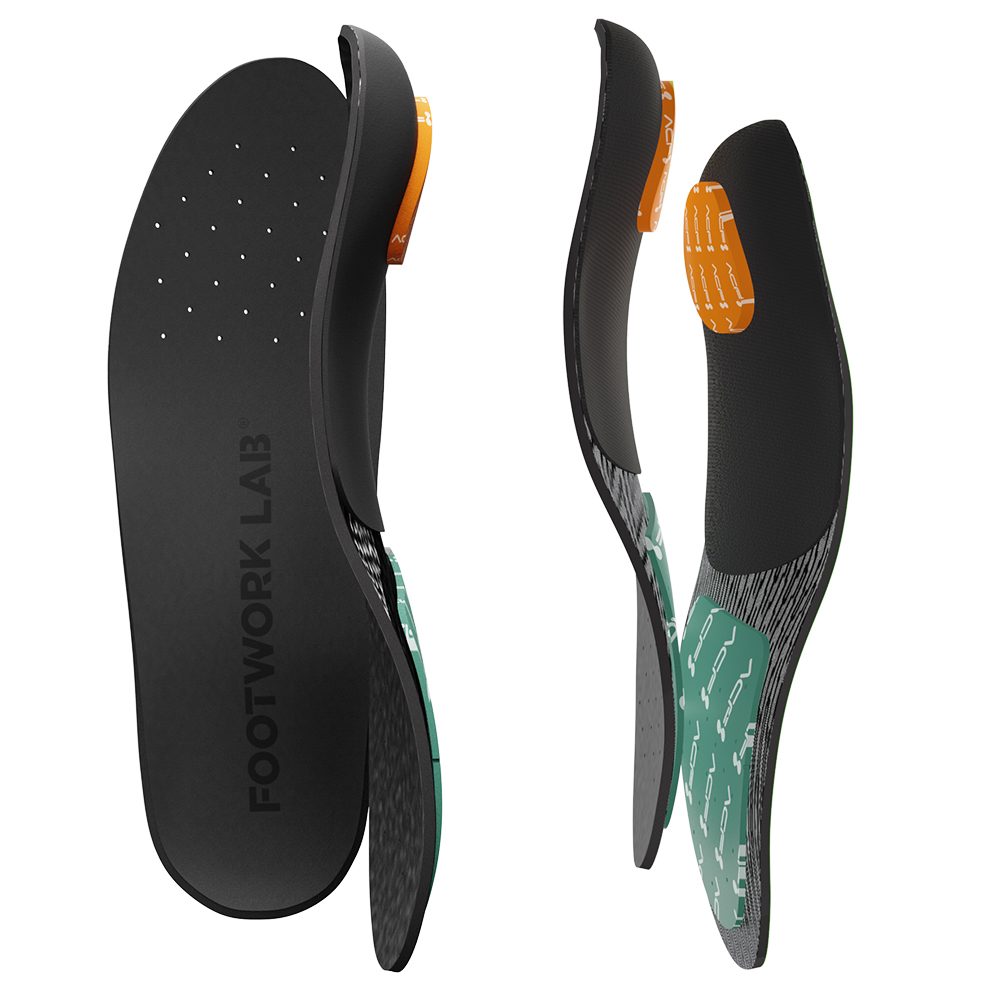
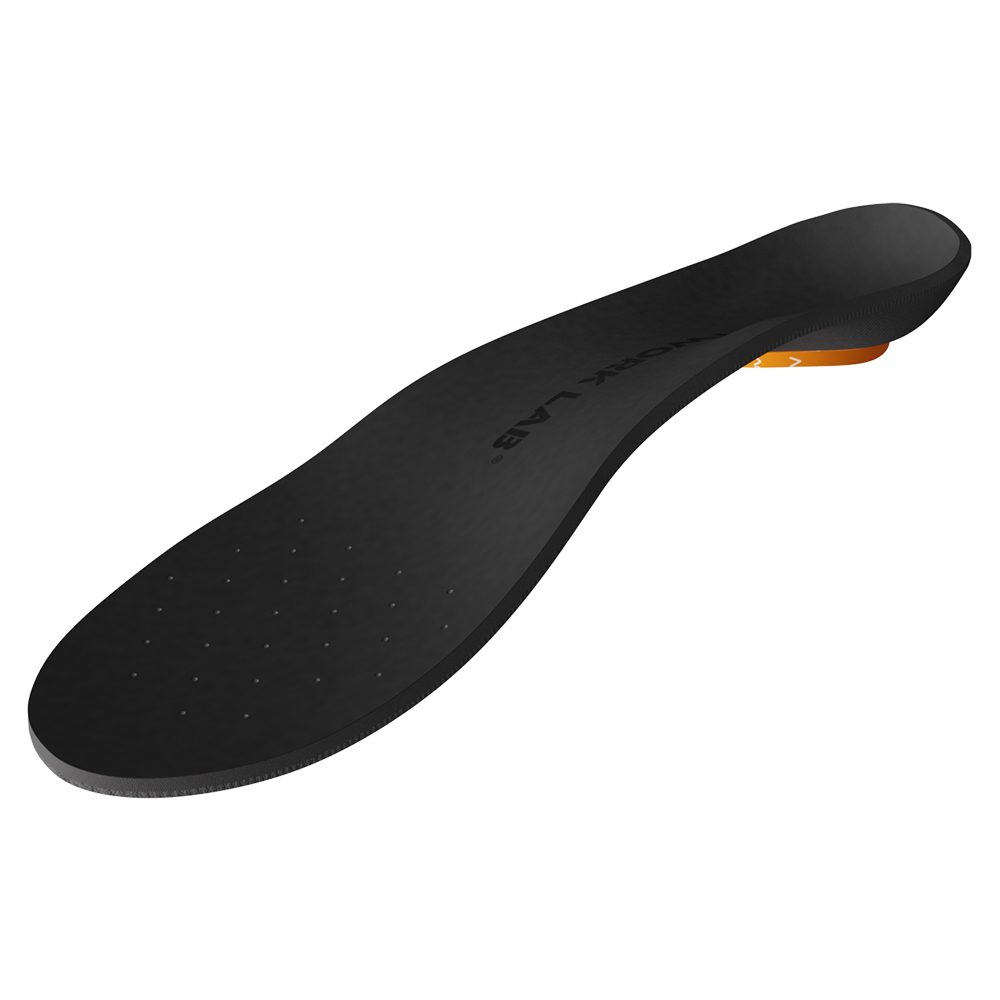
A patrol build has to serve the alternation, and that defines everything about it. Its first job is load distribution across both sides of the pattern: spreading the standing plateaus away from heel and forefoot using the measured arch profile and the contours a proper build can address, while managing the transient peaks of hundreds of cold starts and kerb steps. A pair of custom orthotic insoles shaped to a measured standing and walking pattern is one of the few interventions that handles both jobs while travelling with the officer along the route rather than waiting at any fixed station. The goal is support and load distribution — stated plainly, nothing more dramatic.
The second job is surviving the boot. Uniform footwear is stiff, protective and conservative, with limited internal volume and a fit governed more by regulation than by anatomy. A build that is technically excellent but makes the boot tight, raises the foot into the tongue, or changes how the lacing sits will be pulled out before the first ticket is written. Check volume, toe-area thickness and foot height with the actual issued boot on the foot, laced the way she laces it, and confirm the build does not conflict with any toe-cap. If the service issues boots, build against the issued pair or say plainly at the start that it cannot be done in that boot.
The third job is weather stability. Patrol happens in rain, cold and heat, and a build that packs down, deforms or turns unstable when damp will fail on exactly the shifts that are hardest anyway. Specify for the wet version of the route, not the fitting-room version, and ask the workshop what the construction does across a soaked shift. The fourth job is respecting the transitions: nothing in the build should fight the kerb step or the pivot, only give those events somewhere better to land.
Boots, uniform rules and getting the pair worn
Uniformed services add a layer of friction that civilian fittings never meet, and it must be dealt with at the fitting, not discovered afterward. First, the rules: some services regulate footwear appearance, sole colour, even visible modification, so confirm the build stays invisible when the boots are worn. Second, the rotation: if two pairs of boots are issued and worn alternately, either build for both or be explicit that the recommendation assumes one pair — a build remembered “some days” is a build that quietly stops being worn. Third, the fit check in full uniform context: socks as issued, lacing as worn, standing the way she stands on shift.
Walk her through the first weeks honestly. A new pair changes how load sits under the foot, and there is an adjustment period during which short patrols or half-shifts beat full deployments. One punishing first shift, followed by the pair retiring to a locker, is the classic failure — and it is preventable with a sentence at the fitting. Offer a habit anchor instead of a lecture: the build goes in when the boots go on, at the start of shift, every shift. In a job that starts with a kit check anyway, anchoring the build to that check is the most reliable version.
Set expectations with the same honesty you would want as a customer. What a build can realistically offer is better load distribution across an alternating shift — felt, and worth having. What it cannot do is level the pavement, shorten the shift, or rescue a boot that fights the foot. Saying that at the fitting is not underselling; it is what keeps the officer reporting back honestly at the review, and it is what makes the service safe to recommend to the whole crew — a recommendation that travels fast in uniformed teams, where colleagues compare notes more openly than customers do.
After the first month on patrol
Book the review before she leaves, because “come back if it hurts” filters out everyone who has adapted silently and everyone who has simply given up. A month is long enough for the adjustment period to be over and short enough that the boots have not reshaped themselves around a bad fit. At the review, let the pair speak before she does, in this order.
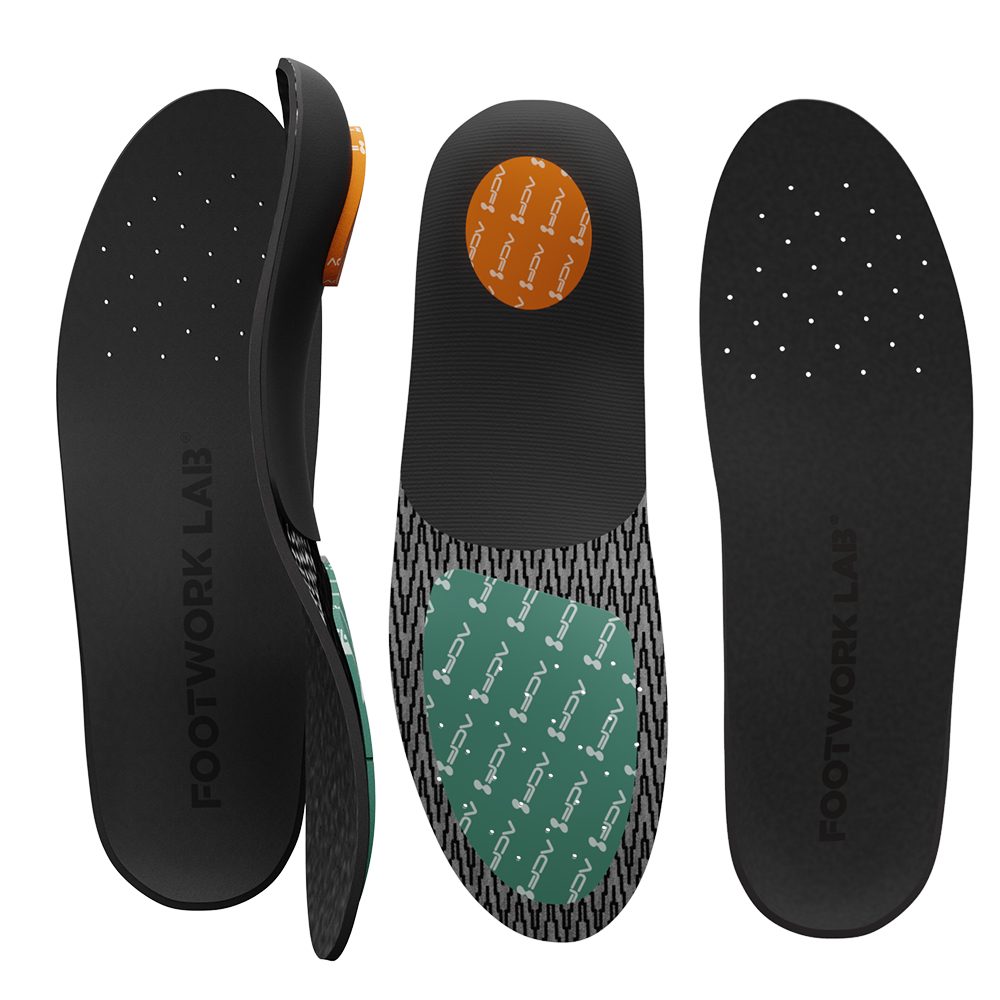
First, the wear surface. Patrol wear has a recognisable signature: density under the heel from the cold starts and the standing spells, forefoot density from the push-offs and kerb work, often heavier on the dominant side. Wear packed down at a single spot means load never redistributed, and the build needs re-reading against a fresh measurement — not more reassurance. Second, the habits: is she still leaning on the wall at every write-up, still resting one foot behind the other? Habits that persist are data. Third, her own account, in her words — better, same, worse, or the most useful answer of all, “I stopped noticing my feet by the afternoon,” which is what success sounds like at the end of a patrol.
Then close the loop with the service, not just the foot. If the issued boot, the sock rule or the route surfaces are working against the build, say so to whoever manages equipment and rosters, because the recommendation carries further when the professional names the environment as part of the problem. And log the case. A workshop that can show a year of patrol and field-workforce follow-ups — including the rebuilds — is a workshop that duty-of-care managers learn to call first, and for uniformed services the crew-level argument is usually the one that opens the door.
Frequently asked questions
Is patrol work a standing job or a walking job?
Neither, precisely — it is interrupted standing: hours of accumulated standing spells stitched together by hundreds of very short walks and kerb transitions. The walks are too short for a walking rhythm to establish, so every one is a cold start out of stillness, and every standing spell parks load as a plateau. The combination of alternating peaks and plateaus is why the fatigue feels out of proportion to the distances walked.
Why do kerbs and uneven pavements matter so much?
Because patrol surfaces impose unpredictability as well as hardness. Slab joints, rocked flags, kerb edges and slick markings are crossed dozens of times an hour, often while the officer’s attention is on plates or paperwork, so the foot plants flat and trusting instead of rolling through. Each flat or uneven planting concentrates load and loads the foot in torsion, and the stabilising muscles pay for every surprise across a full shift.
What should we ask a patrol officer before recommending insoles?
Shift shape first: vehicle time versus foot time, how the standing spells distribute, route surfaces by time spent, seasonal variants. Then the boots: issued or approved-list, sole condition, removable footbed, fit for the swollen end-of-shift foot, how many pairs rotate, sock rules. Then open questions about where the feet end up by end of shift, what she has tried, and her improvised habits — they are clues about where load wants to go.
Do uniform boots make a build harder to fit?
Yes, and the difficulty is mostly volume and regulation. Uniform boots are stiff, protective and conservative, with limited internal depth, and some services regulate appearance and modification. A build that raises the foot into the tongue or conflicts with a toe cap will be removed immediately. Check the fit with the actual issued boot, laced as worn, and confirm the build stays invisible and compliant before promising anything.
Should the assessment include kerb steps and cold starts, not just walking?
Yes. A record of ordinary walking passes and standing alone misses the transitions that define patrol load — the hundreds of cold starts, kerb climbs and kerb descents per shift. Capturing a cold start, a kerb step and a standing spell alongside walking passes shows the alternation the build must serve. The equipment produces measurements; interpreting them for this officer’s boots and routes is the professional’s judgement.
How long before a new pair feels normal on patrol?
Most people need an adjustment period while load sits differently under the foot, and short patrols or half-shifts before full deployments prevent the classic failure of one punishing opening shift followed by the pair living in a locker. By roughly a month the adjustment should be over, and the wear surface will show where the patrol actually happened — which is why the review belongs in the diary at the fitting itself.
When should a pair built for patrol work be rebuilt or replaced?
At the month review, read the wear surface first. Patrol wear shows heel density from cold starts and standing, forefoot density from push-offs and kerb work, often heavier on one side. Wear packed down at a single spot means load never redistributed, and the build needs re-reading against a fresh measurement. Persistent habits and any change of issued boot are further reasons to re-read the build against new conditions.
What we would do next
If your service covers uniformed and field workforces, take two things into your next patrol fitting: a question sheet built from the interview above, with cold starts and kerb transitions written in as named load cases, and the habit of confirming boot regulations and rotation before promising anything. Then add the transitions to the assessment — a cold start, a kerb step, a standing spell — alongside the walking passes, because the patrol day lives in the transitions as much as in the steps. The closest cousin in the field-workforce family is the postman’s round, which shares the pavement and adds the weight of the bag (Six Miles of Pavement, Rain Included: Insoles for Postal Rounds).
For workshop teams building at scale, uniformed services are a natural case: whole crews can be measured and built for in production runs, and insole production capacity of roughly five hundred to a thousand pairs a day exists precisely so a service can outfit a staff rather than a staff member. If you run fits like these, here is the question we would put to you: when an officer reports at the month review that the afternoon heaviness is gone, do you credit the build, the boots, or the route change that moved her off the worst pavement in the district? We ask because our own logging has never fully separated the three, and the honest answer changes how we follow up the next crew.
This article is intended for professional and educational reference. It is not medical advice. Foot assessment equipment produces measurements and images; clinical interpretation and any decision about care remain the responsibility of a qualified professional. Certification scope is limited to the documentation we hold: European Union certification and ISO quality system certification.