
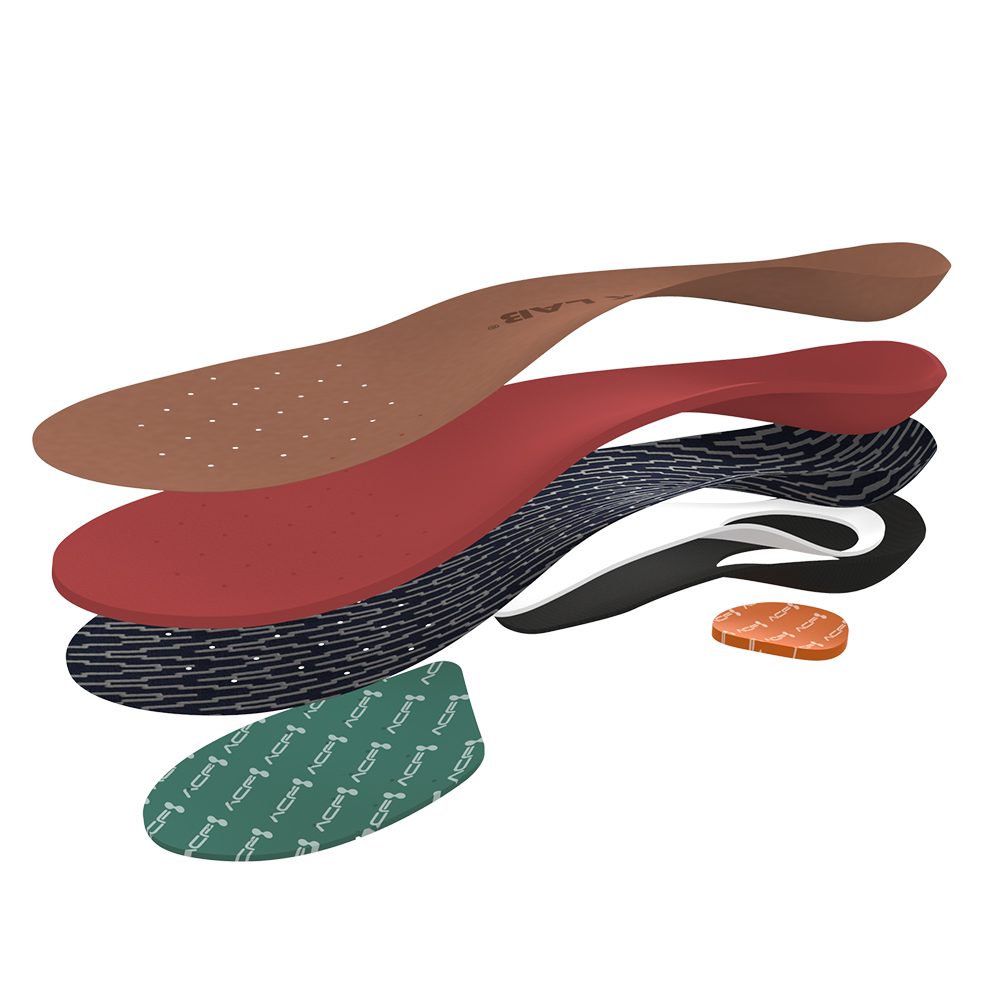
Insoles for Shoes: How to Specify a Pair That Suits the Footwear You Supply
An insole occupies space the shoe was not designed to give away. The three constraints that decide whether a design is ever worn.
nes
An insole occupies space the shoe was not designed to give away. The three constraints that decide whether a design is ever worn.
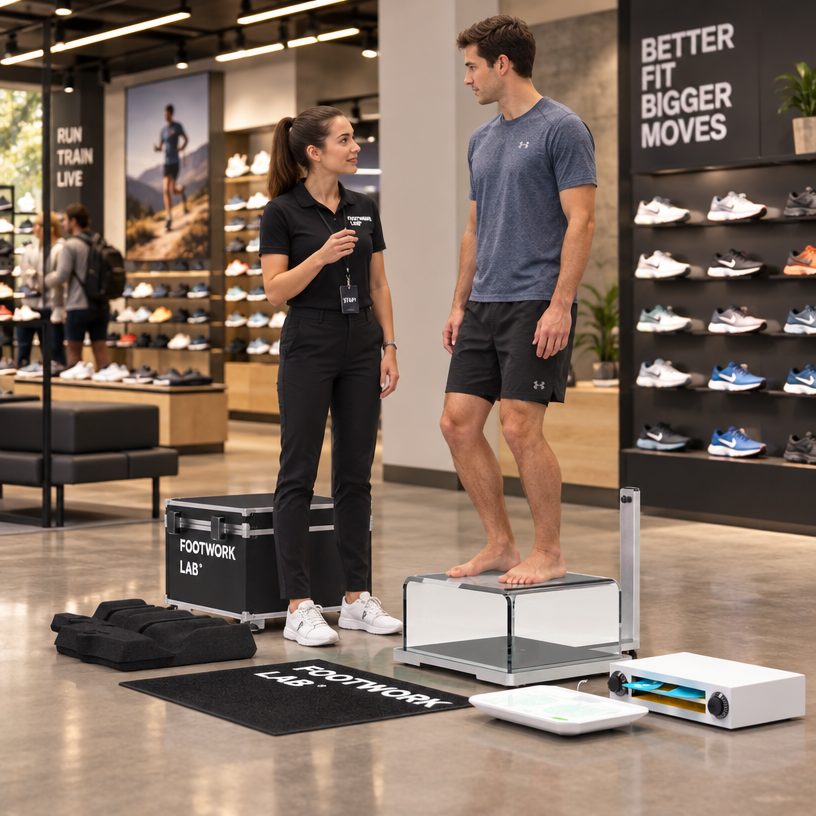
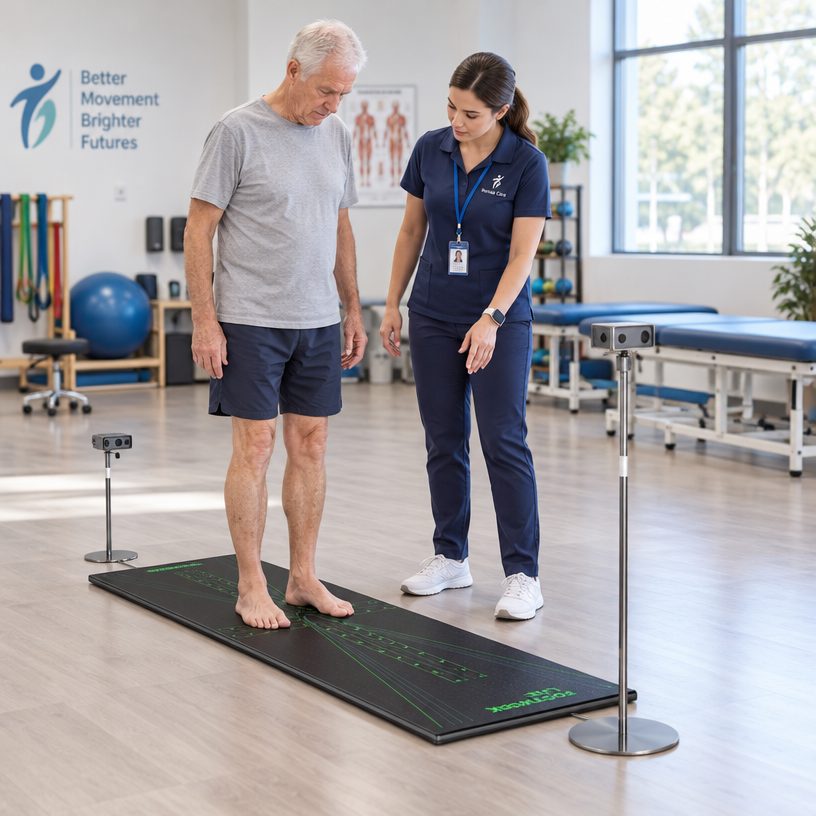
A dynamic pressure map is evidence, not a verdict. How to record it consistently and how to keep interpretation inside its limits.
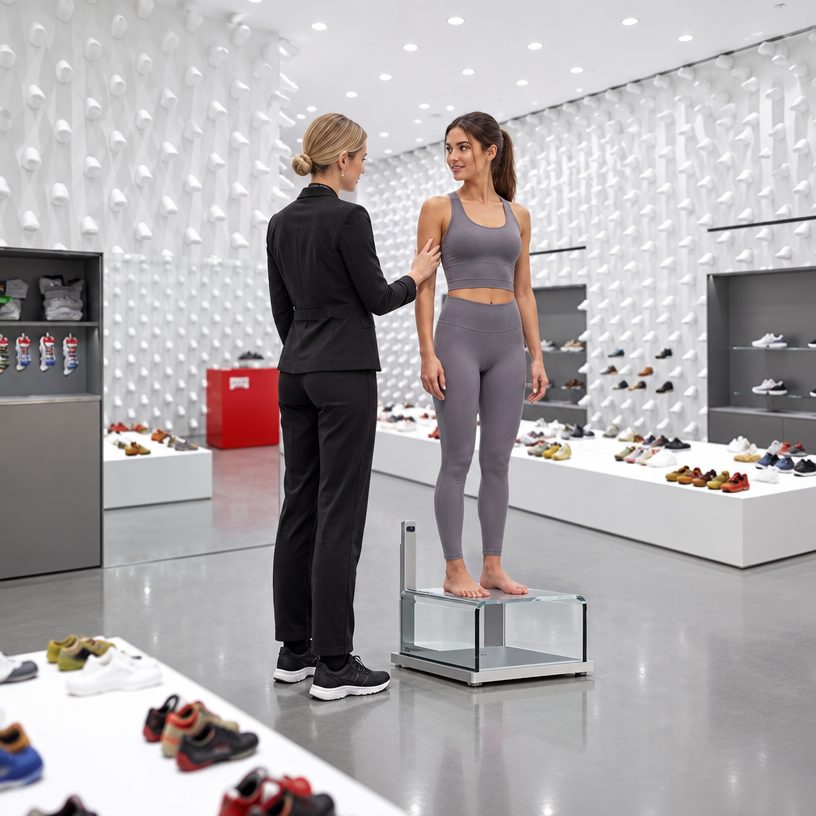
Three measurement families, one vocabulary, and a clear boundary between what equipment reports and what a professional decides.
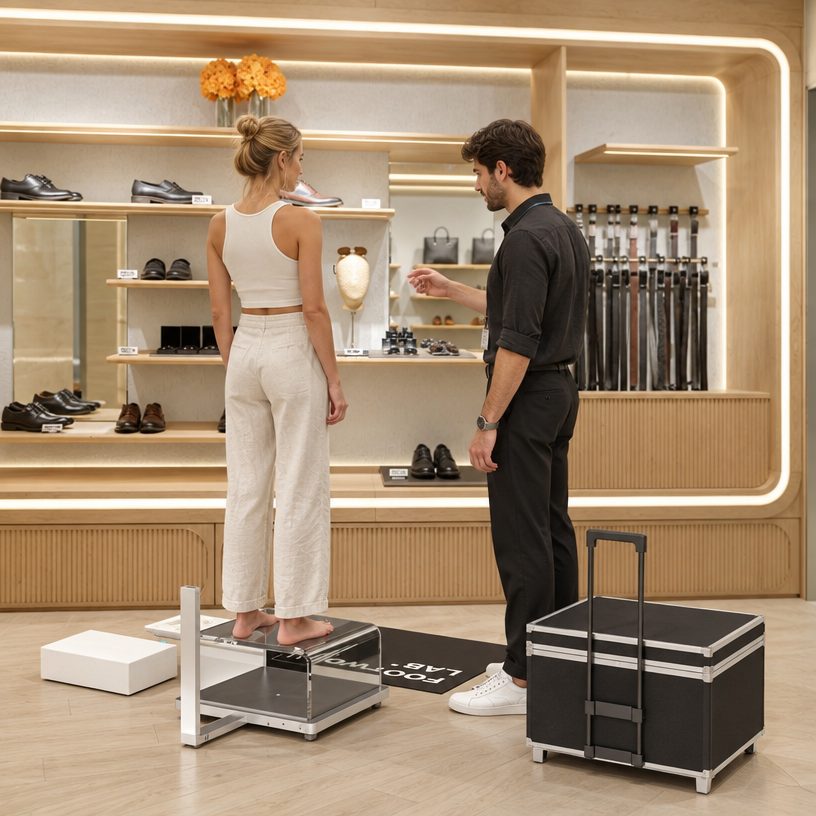
Listings borrow the phrase so freely that it no longer narrows the field. What to check instead, and how to tell what a unit actually records.
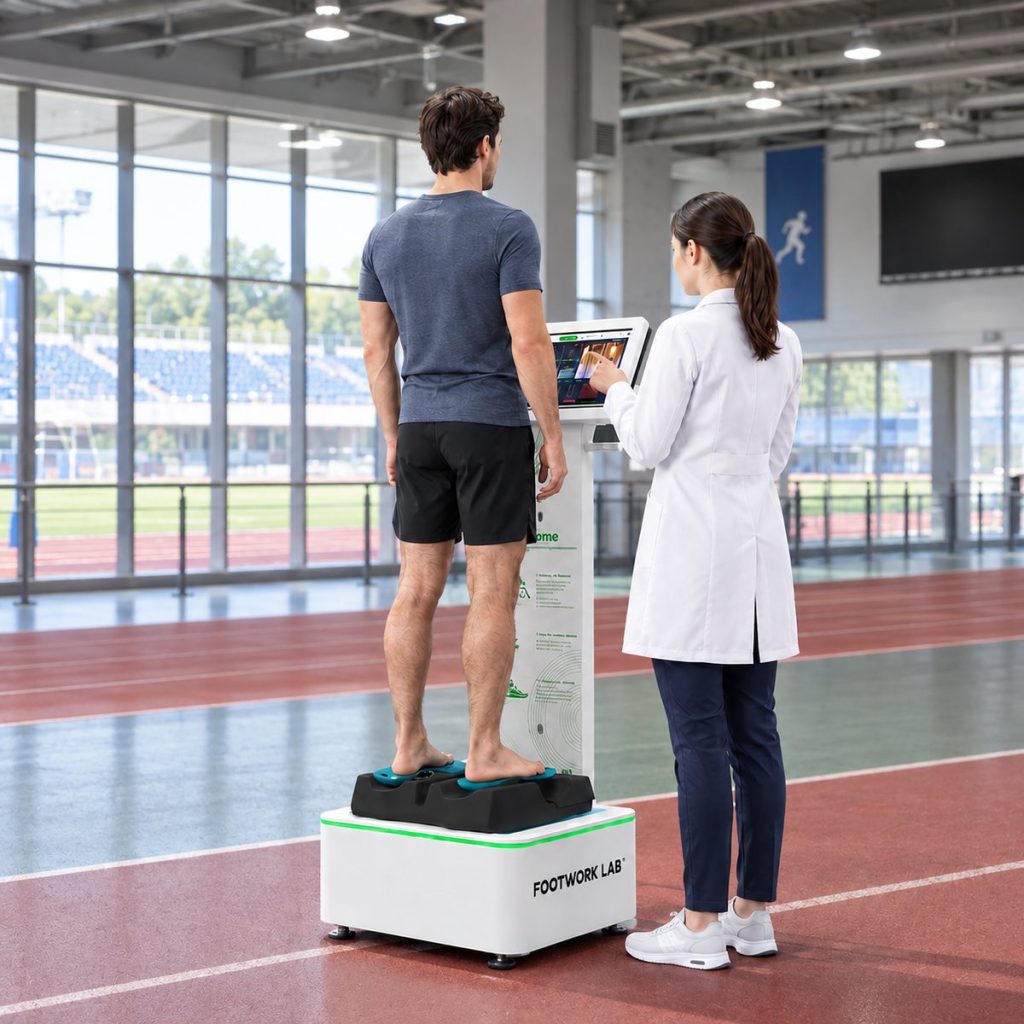
Used for posture observation, a foot scanner produces a standing record, a centre-of-gravity reference and an alignment image. Here is what that record covers, and the limits a clinic should keep in view.
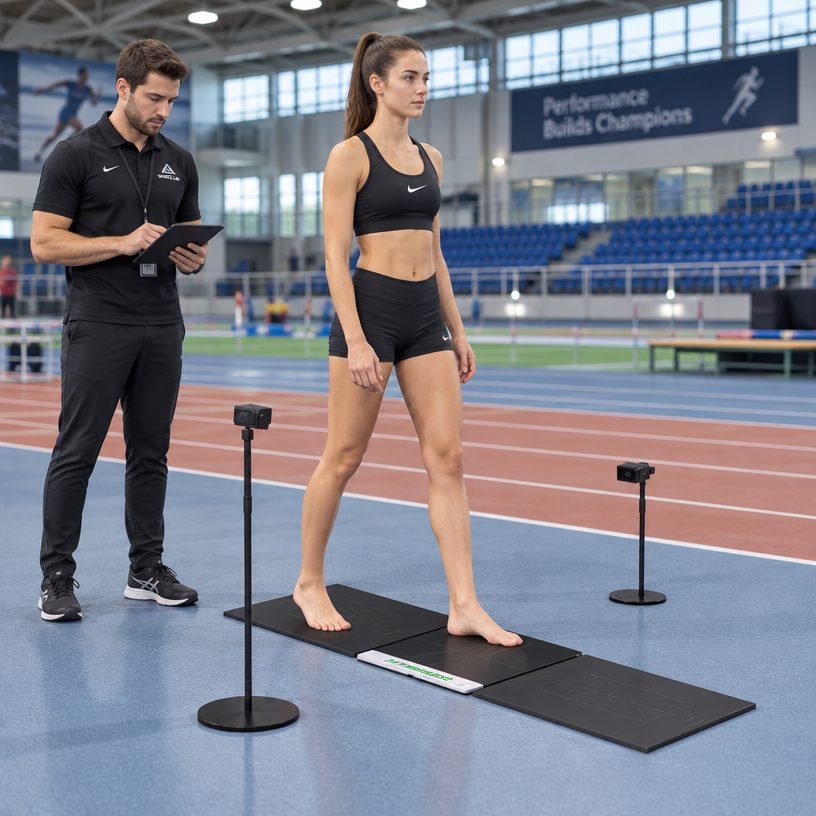
A walk-through of what a gait report actually contains — gait cycle, plantar pressure, centre of pressure and symmetry — and where the measurement stops and clinical interpretation begins.
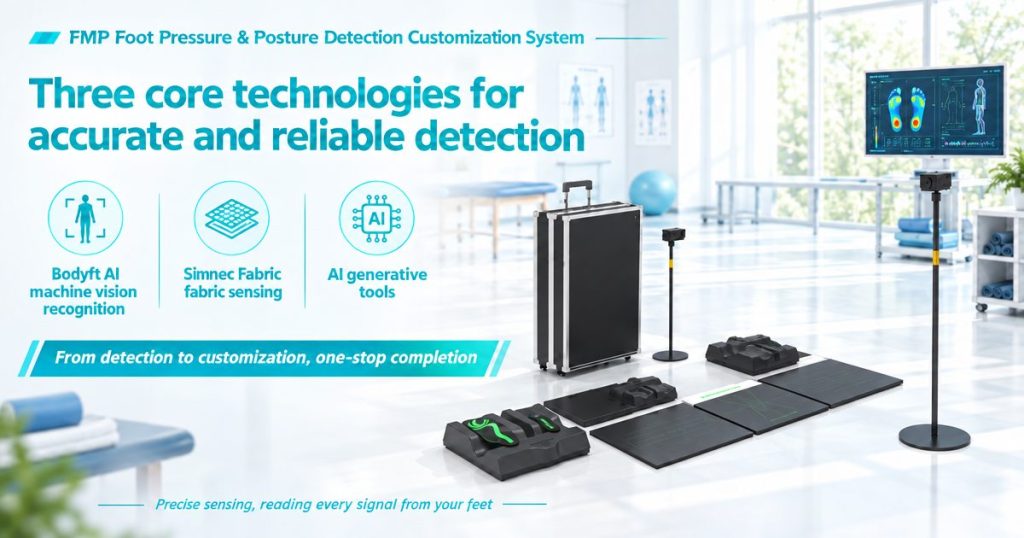
How a walkway gait assessment platform fits a rehabilitation unit: room and route, appointment timing, who reads the data, and comparing visits over time.
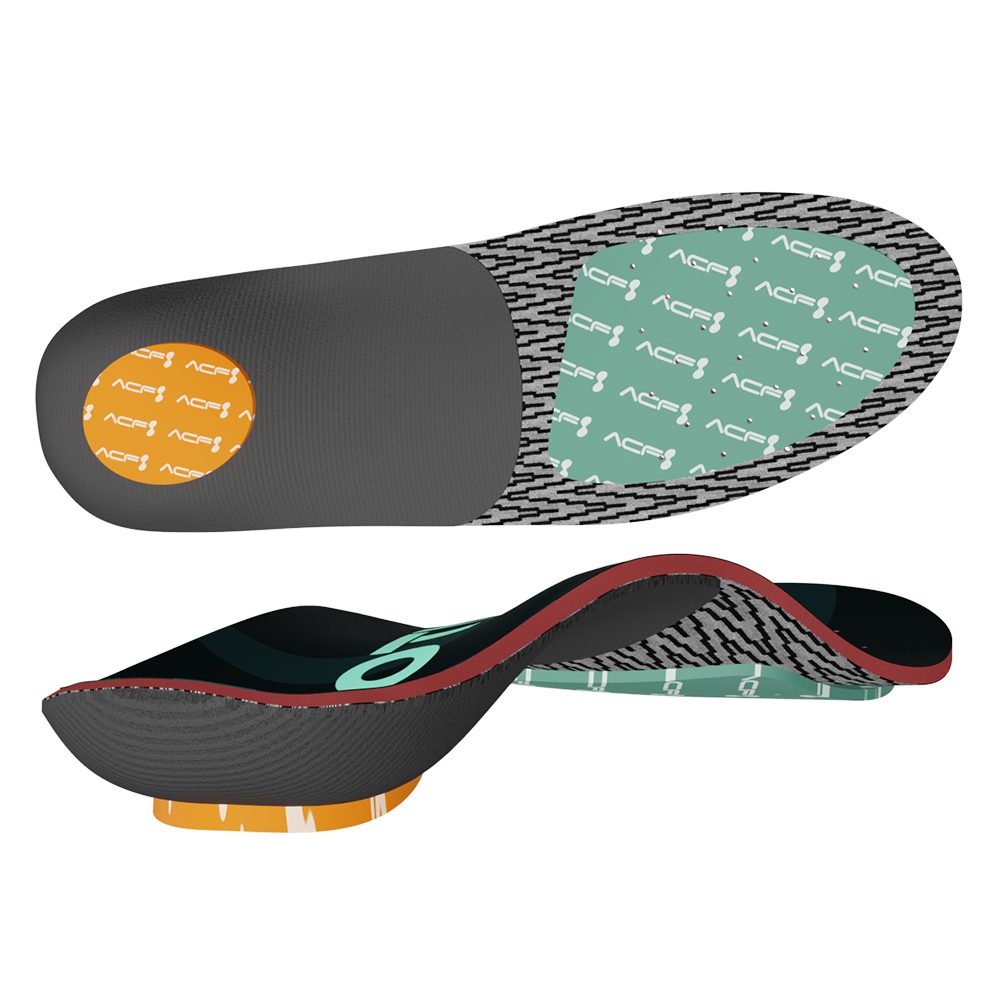
A production-side look at arch support insoles: material families, forming steps, hardness and thickness zones, inspection, and the ODM/OEM sampling route.
How the arch support in a custom insole is specified: arch profile, material zones, forming method, and the four inputs a buyer must supply.
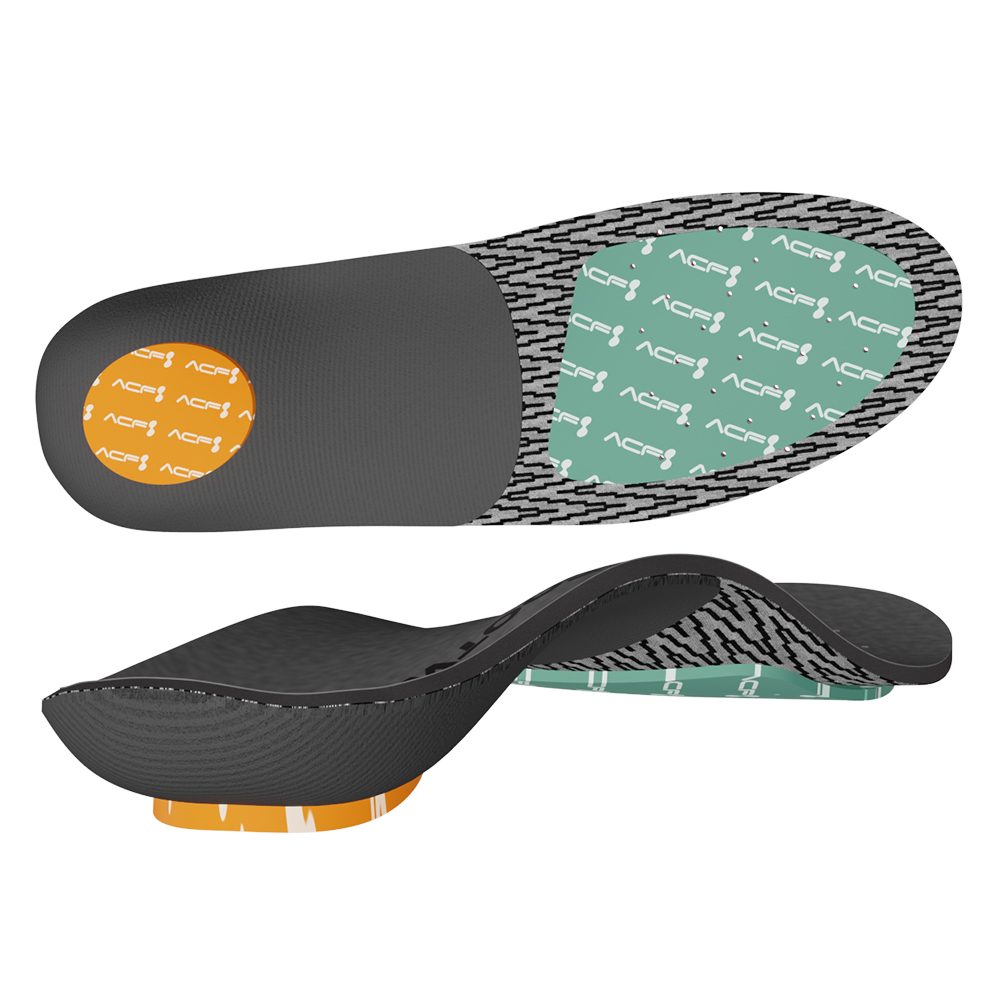
What clinics and retailers should confirm before ordering custom insoles for flat feet: shoe matching, mixed sizes, samples and reorders.