
Most small labs buy equipment in the order they encounter it, which is usually the order of the sales calls rather than the order of the work. A forming machine arrives first because it looks like the heart of the operation. Then the lab discovers that the capture stage was the constraint all along, and the machine sits idle while everyone learns to measure feet properly.
A production line is a sequence, and equipment should be bought against the sequence. Five stages: capture, specification, forming, finishing and packing. Each has its own equipment decisions, its own failure modes and its own case for being outsourced rather than owned.
FOOTWORK LAB manufactures foot assessment systems and custom orthotic insoles in our own plant in Ruichang, Jiangxi Province. We run these stages daily at a capacity of roughly five hundred to one thousand pairs, which means we know which parts of the line are worth owning and which are better bought in. This article maps the stages for a lab that is starting rather than scaling.
The five stages, and what each one needs
Capture produces the data: plantar pressure in stance and motion, plus posture and alignment views. Specification turns the data into a build instruction. Forming produces the shell. Finishing trims, bonds, cleans and checks. Packing protects the pair and carries the record.
Only one of those stages is genuinely capital intensive, and it is not the one most buyers expect. Forming can be done with modest equipment and a great deal of skill. Capture requires an instrument that produces comparable recordings, which is a different kind of purchase altogether.
The sequence also tells you the order of spending. Money spent on capture improves every pair the lab makes. Money spent on forming improves throughput, which only matters once the capture stage can feed it.
Capture: the stage that decides everything downstream
A capture system for an insole lab needs three outputs: a static pressure recording, a dynamic recording across several walking passes, and posture views from the front and rear. Anything less and the brief has gaps that the specification stage has to fill with judgement.
The practical requirements are unglamorous. A defined capture position. A walking path of several steps. Even light for the camera views. Software that exports a record readable without the software installed. A written routine that a second operator can follow.
What the lab should not accept is a system that produces impressive images and no comparable data. The test is repeatability: the same patient, captured twice, should produce recordings a colleague recognises as the same foot. If that test fails, the equipment is a demonstration tool rather than an instrument.
Budget-wise, this is the stage where buying properly pays. A marginal capture system produces briefs that are marginal in the same way, and no amount of forming skill recovers a brief that did not know what it was specifying.
Specification: software, templates and the weak link
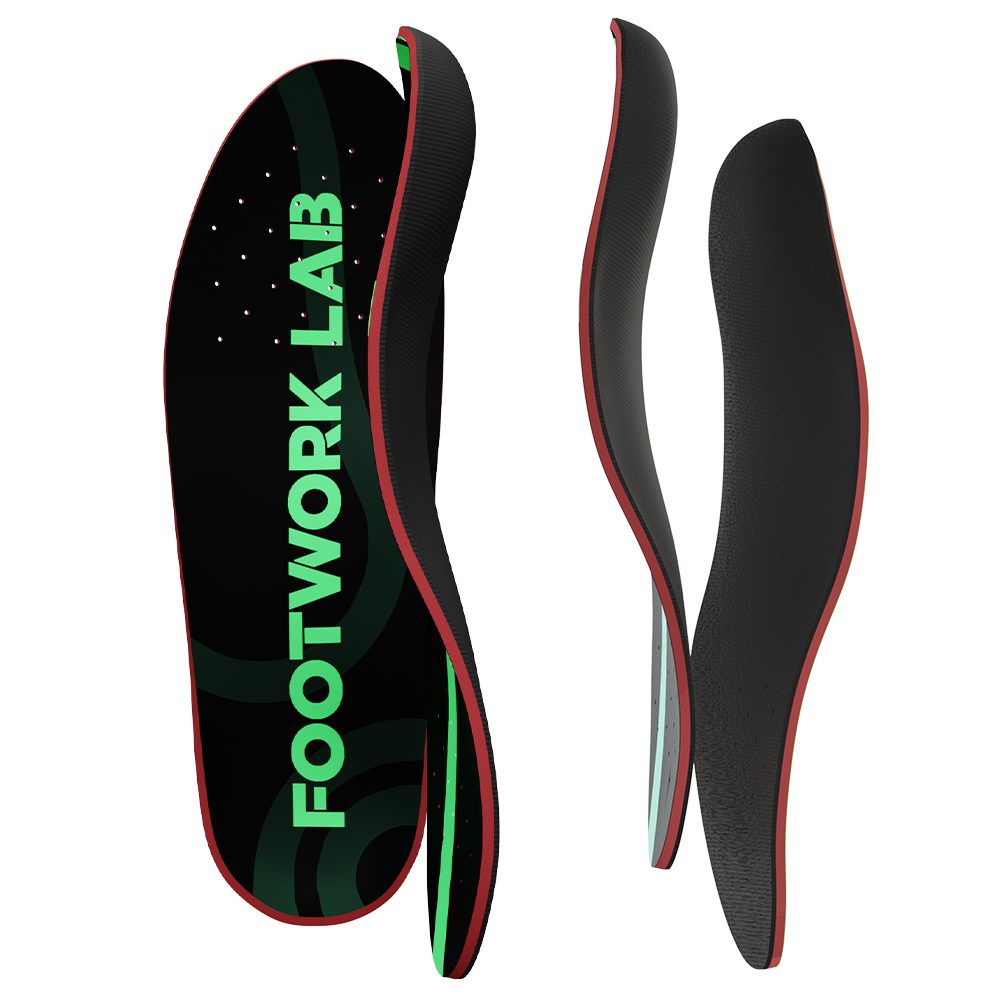
The specification stage is usually software plus a human. The software holds the recording; the human decides what the build should do. Templates are what make that decision repeatable, and they are usually the weakest part of a small lab’s setup.
A good template asks the same questions every time: where does load concentrate, where should it be distributed, how much contact area should the shell add, what stiffness is needed, and which shoe is the pair for. Five questions, answered in writing, produce a brief a factory can build.
A poor template is a form with twenty fields, half of which nobody fills in. It creates the appearance of rigour and the reality of inconsistency, because the fields that matter are mixed in with fields that do not.
No equipment purchase resolves this stage. It is a document, and it costs an afternoon to write. Labs that skip it end up buying more equipment to compensate for briefs that were never specific.
Forming: presses, ovens and benches
Forming equipment ranges from a heat source and a vacuum bag to a purpose-built press with temperature control and a mould carrier. The right choice depends on the volume and the build types the lab intends to produce.
For a lab producing a small number of pairs with frequent specification changes, a simple setup with good temperature control is usually enough. The constraint is the operator’s skill, not the machine’s capability. For a lab producing batches of a settled design, a press with a mould carrier pays for itself in consistency.
The mistake is buying for a volume that does not exist. A machine sized for a busy production line will sit idle in a lab doing a handful of pairs a week, and idle capital is worse than a longer lead time. Start with the smallest setup that produces a pair you are willing to put your name on.
Where the lab does not intend to form at all, the whole stage can be outsourced to a factory that produces to specification. That converts a capital and labour problem into a purchasing problem, and for many clinics it is the better trade.
Finishing: the stage everyone underestimates
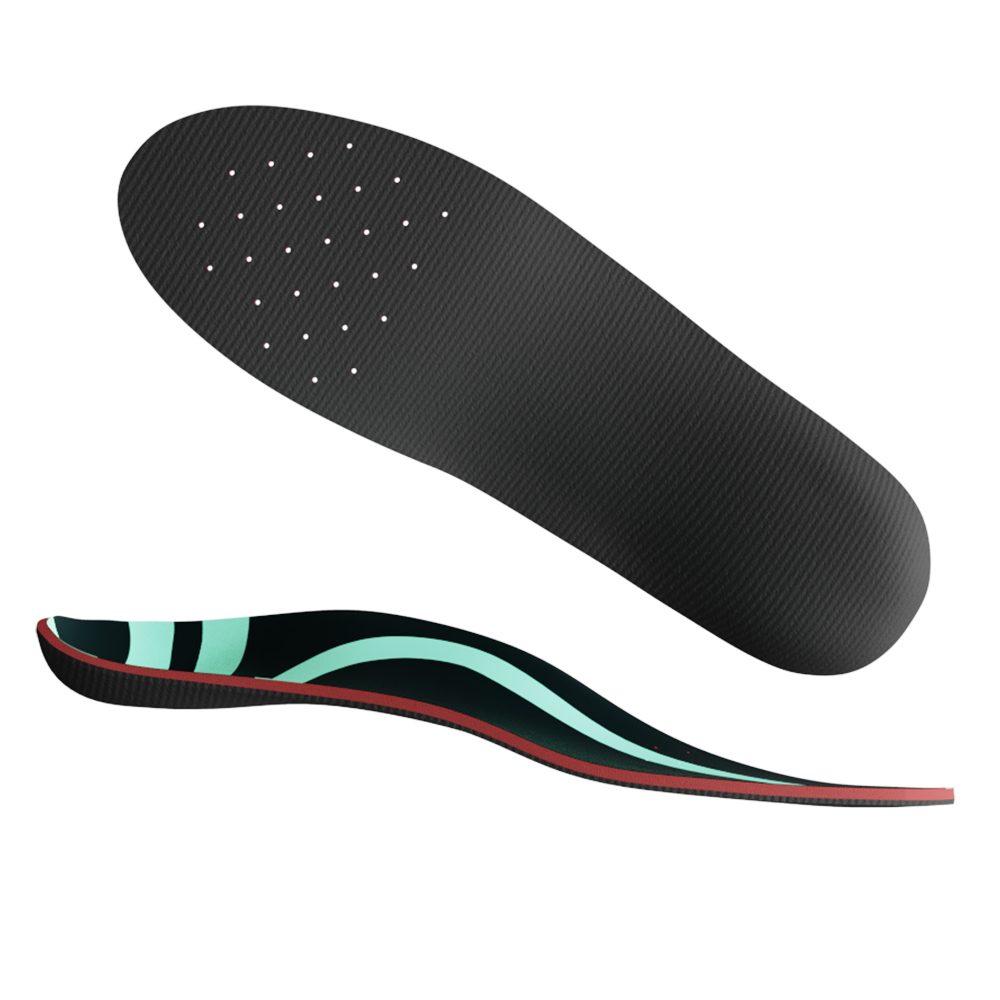
Finishing is where a lab’s reputation is made. Trimming, edge dressing, bonding the top cover, cleaning, checking against the specification. None of it is technically difficult, and all of it takes time and attention.
The equipment is modest: a trimming station with good light and extraction, a bench with the right adhesives, and a check station with the specification and a reference pair. The cost is low; the discipline is high.
This is also where most quality failures originate. An edge that is not dressed becomes a pressure line. A cover bonded with a bubble becomes a hot spot. A pair that was not checked against the specification becomes a return that nobody can explain.
A lab that invests in finishing discipline rather than finishing machinery usually produces better pairs than one that does the opposite. The machines are the cheap part; the habit is the expensive part.
Materials and consumables, stage by stage
Equipment gets the attention and consumables get the budget surprise. Capture consumes top covers and cleaning materials. Forming consumes blanks, release agents and trimming blades. Finishing consumes adhesive, top cover stock and edge dressing. Packing consumes boxes, labels and inserts.
None of these is expensive per unit, and all of them scale with volume in a way that a purchase order does not. A lab that budgets for equipment and not for consumables will discover the gap in the second month, usually at the worst possible moment.
Ask every supplier for the consumable cost per pair in writing, alongside the equipment price. Then multiply by the volume you actually expect, not the volume you hope for. The answer is the real operating cost of the line, and it is the number that decides whether the business model works.
Quality control at each stage
Each stage needs its own check, because a defect that passes one stage becomes invisible at the next. At capture, the check is the repeat: does a second recording of the same patient look the same? At specification, the check is completeness: are the five decisions written down? At forming, the check is dimensional: does the shell follow the model or the file? At finishing, the check is tactile and visual: edges, bond, cover, symmetry.
These checks take minutes and they are the difference between a lab that learns and one that repeats. A defect caught at capture costs an appointment. The same defect caught by a patient costs a return, a conversation and a reputation.
Keep a simple log per pair: date, operator, build, checks passed, anything noted. Over a year, that log is the most useful document in the lab, because it is the only record of how the line actually behaves rather than how it was designed to.
When to add a second capture position
The trigger is a queue, not a target. When appointments are being scheduled around equipment availability rather than patient availability, the capture stage has become the constraint. That is the moment to add capacity, and not before.
A second position also changes staffing. Two capture rooms can be run by one practitioner only if the appointments are staggered, which means the schedule becomes a designed artefact rather than a list. Labs that add equipment without redesigning the schedule end up with two idle rooms instead of one busy one.
What to outsource and what to own
Own the stages that differentiate you. If the lab’s value is the assessment and the specification, own capture and specification, and buy finished pairs to that brief. If the value is speed and same-day service, own forming and finishing as well.
Outsource the stages that are commodity work. Packing, printing, and standard component production are rarely worth owning at small volume, and buying them in frees attention for the stages that matter.
Be careful with the middle. A lab that owns capture but outsources specification has outsourced the part that turns data into a product, and the resulting briefs will be generic no matter how good the recordings are.
Write the decision down. A one-page document that says which stages the lab owns and which it buys is the most useful planning artefact in the whole project, and it prevents the drift that happens when a new machine arrives and quietly changes the business model.
Layout, power and the room itself
The room constrains the line more than the equipment list does. Capture needs a walking path. Forming needs ventilation and a heat source with clearance. Finishing needs light and a surface that can be cleaned. Packing needs storage that is not the same shelf as the materials.
Flow matters as much as space. A pair should move in one direction through the room, from capture to packing, without crossing back through a wet area or a dusty one. Labs that ignore this lose time on every pair and blame the equipment.
Utilities are the other constraint. Forming equipment draws power and generates heat; extraction needs a route out of the building; compressed air, if used, needs a reliable supply. These are landlord questions as much as engineering ones, and they should be settled before a purchase order rather than after delivery.
One more design decision worth settling early: where the pair waits between stages. A shelf beside the forming area and a shelf beside finishing prevent the pile that forms on the only flat surface in the room, and a labelled tray per order prevents the mix-up that happens when two similar pairs are in progress at once.
A phased purchase plan
Phase one is capture and specification, plus a finishing bench. This combination can produce pairs by sending specifications to a factory, which means the lab can start trading before it owns any forming equipment.
Phase two is forming, bought once the capture stage is producing more briefs than an outsourced supply can turn around in the promised time. That trigger is a business signal rather than a date, and it is the right one to wait for.
Phase three is throughput: better finishing equipment, more storage, a second capture position. By then the lab knows which stage is the real constraint, because it has been living with the line rather than imagining it.
Our own production runs the whole sequence, and we sell the capture stage as a product while producing insoles to specification for labs that prefer to buy finished pairs. Both models work; the difference is which stages the lab wants to own.
Frequently asked questions
What equipment do I need to start an insole lab?
A capture system that records static and dynamic pressure plus posture views, a specification template, a finishing bench and a supply of blanks or finished pairs. Forming equipment can wait until volume justifies it.
Can I start without forming equipment?
Yes. Send specifications to a factory and buy finished pairs. That model converts capital into a purchasing cost and lets a lab start trading before it has mastered forming.
How much space does a small lab need?
Enough for a capture position with a walking path, a finishing bench and storage for materials. Forming adds ventilation and clearance. The flow matters more than the total area.
Do your systems capture both pressure and posture?
Yes. Our assessment systems record plantar pressure in static stance and during walking, plus camera-based posture and alignment views from the front and rear. Interpretation remains with the qualified professional.
What is the minimum order for finished pairs?
Two hundred pairs, mixed across models and sizes, with samples dispatched within three days of specification approval.
Do you supply the forming and finishing equipment?
No. Our scope is foot assessment systems and finished custom orthotic insoles. We will help specify an insole that suits a forming routine, but we do not manufacture presses or trimming equipment.
What support comes with a capture system?
A dedicated WhatsApp group, direct engineer access, remote assistance where the site allows it, over-the-air updates for connected units, and a twelve-month machine warranty on non-human damage.
What we would do next
Draw the five stages on one page and mark which ones you intend to own. Our F2 and FMP platform covers the capture stage in one session, and the article on building an in-house fitting service follows the same sequence from the clinic side.
If you would rather buy finished pairs to a specification, the insole categories page shows the builds, and the FAQ page covers minimums, samples and logistics. Contact our team to talk through a layout.
This article is intended for professional and educational reference. It is not medical advice. Foot assessment equipment produces measurements and images; clinical interpretation and any decision about care remain the responsibility of a qualified professional. Certification scope is limited to the documentation we hold: European Union certification and ISO quality system certification.