
Put the two instruments side by side and the difference is not in the hardware — it is in the question each one is asked to answer. A foot scanner and a pressure plate both put a client’s foot on a screen and both produce something a professional can read. Buyers compare them constantly and usually compare the wrong rows: resolution against resolution, price against price, as if they were two sizes of the same product. They are not. They are two answers to two different questions, and the room that knows which question it needs buys correctly the first time.
We manufacture on the pressure side of this comparison — plantar pressure measurement systems with camera posture capture — and we sell into rooms that also own, or are considering, the other family. This article is written from inside one side but with the other side described fairly, because the comparison only helps buyers when both columns are honest.
The structure is simple: what each instrument physically does, what each can never do, where they overlap, how to decide, and what the buying conversation looks like when it is done well.
What each instrument physically does
A pressure plate senses load. The client stands on it or walks across it, and an array of sensing elements reports where the sole presses and how hard. Software turns that into a map, and into indices a professional can track: regional loading, left-right comparison, and — on a walking pass — timing, the sequence in which regions engage and release. It is a record of force, anchored to the moment the body met the surface.
A foot scanner, in the most common use of that loose phrase, captures shape. Cameras or projected light reconstruct the surface of the foot: length, width, arch height, heel form, the volume of the forefoot. The output is a geometric model — genuinely useful wherever the next step is an object built to that geometry: a last, a shell, a fitting aid, a made-to-measure product.
Posture capture is the third member of the family conversation. A camera system records how the foot and lower limb are arranged above the load — alignment, stance, the visible structure that gives the pressure map its context. Our own systems combine the pressure layer with this camera capture in one session, which is why we are careful with the vocabulary: we sense load and record posture; we do not reconstruct surface geometry, and we say so plainly, because a buyer who confuses the families will compare us against instruments that answer different questions.
Every one of these families can render an impressive rotating foot on a screen. The rendering is presentation. The sensor is the product. That sentence, kept in view, is worth more than any comparison table.
Why does the confusion persist in a market full of competent buyers? Because the vocabulary moved faster than the products. Buyers search with the words they have — words borrowed from other industries, from consumer devices, from whatever a colleague owns. Suppliers answer in the buyer’s vocabulary, because the first rule of a listing is to be found. Somewhere in that exchange, the words detach from the sensors, and a category that should sort cleanly by physics sorts messily by phrasing. The buyer’s defence is not better vocabulary; it is the habit of asking each instrument the physics question — what did you physically sense — and letting the marketing language fall where it may.
What each one cannot do
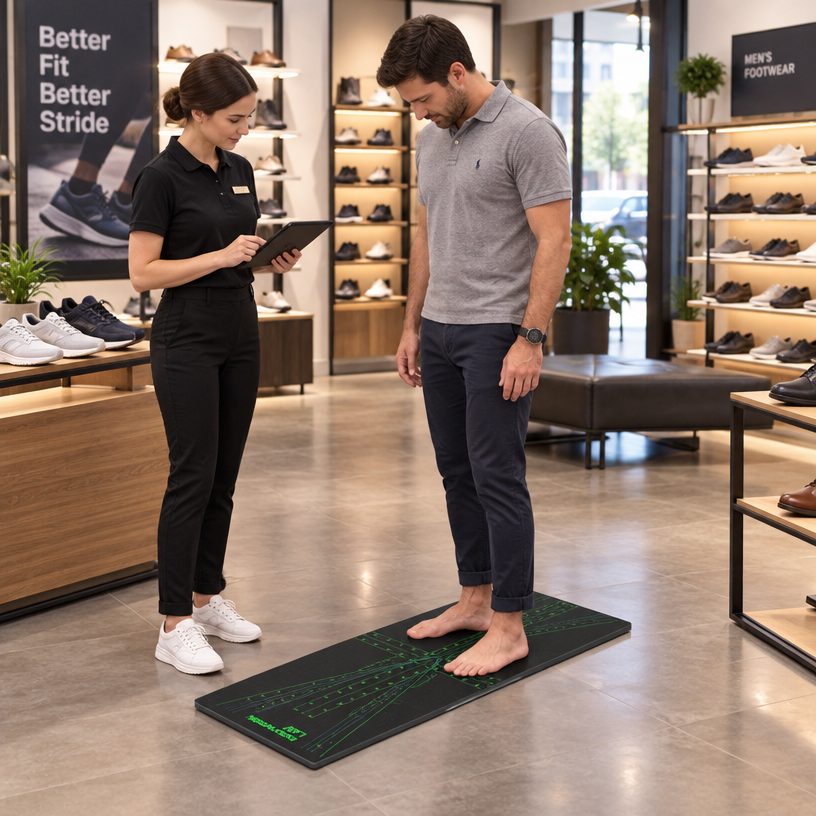
The pressure plate cannot tell you the shape of the foot. Two clients with identical load maps can have different arch heights, different heel forms, different forefoot volumes. If your process needs geometry — a shell cut to a shape, a shoe fitted to a foot — the pressure record is context, not input. Buying a plate to produce geometry is buying the wrong sensor for a real need.
The shape scanner cannot tell you how the foot behaves under load. A foot held in the air and a foot carrying a person are different objects in the parts that matter most, because the arch is a structure that responds to weight. A surface model is a starting geometry, not a statement about support. Buying a shape capture to answer load questions produces beautiful files that answer nothing the consultation asked.
The posture camera cannot do either — it records arrangement, not force and not surface. Its value is context: the reading that makes a pressure map interpretable instead of merely colourful.
Neither instrument interprets. This boundary belongs to both columns: plates and scanners produce measurements and images; what they mean, and what should follow, remain professional judgements. Any supplier whose brochure promises outcomes from a capture is describing a product that does not exist, in either family.
There is a second, quieter limitation worth naming: both instruments record what happens at the instrument. Neither follows the client out the door. A load map describes the hour in your room; the shape file describes the foot as it was that day. Everything the client does afterwards — the surfaces they walk on, the hours they stand, the footwear they choose — lives outside both records. Professionals know this and design around it; the honest ones say it aloud at the point of capture. Buyers evaluating instruments should include the sentence in their comparison: what does this record claim to describe, and for how long does the claim hold? Instruments that answer modestly are the ones whose records still make sense a year later.
Where the two overlap, and where they genuinely compete
They compete for one thing: the first look. In a screening or retail setting, both instruments can start a conversation — the plate with a live pressure image, the scanner with a live shape view. Both are fast, both are visual, both give the client something recognisable to react to. In this narrow role the choice is legitimate and can go either way depending on what the room wants to talk about next.
They stop competing the moment the room’s output is specified. An output that is a physical object built to a shape — orthotic shells for milling, made-to-measure footwear, precise fitting — needs geometry, and the scanner family owns that job. An output that is a record of how load behaves — tracked across visits, compared left to right, annotated by a professional — needs the pressure family, and no amount of surface resolution substitutes for it.
Rooms that need both should buy them in sequence rather than in a bundle. Start with the sensor that serves the current appointment, learn what its data changes in your decisions, and let that experience specify the second purchase. Bundling both at once is how a clinic ends up with a cabinet used once a month and a routine that never absorbs either instrument fully.
The sequencing logic has a financial twin. The instrument bought first teaches the room what its clients actually ask, and that knowledge reprices the second purchase: some rooms discover the scanner family was the need all along; others discover the record was doing all the work and the second instrument is unnecessary. Either discovery is cheap after one purchase and expensive after two. Buyers sometimes read this as hesitation advice. It is the opposite — it is the fastest route to a confident decision, because it replaces speculation about what the room needs with observation of what the room uses.
How to decide: four questions for your own room
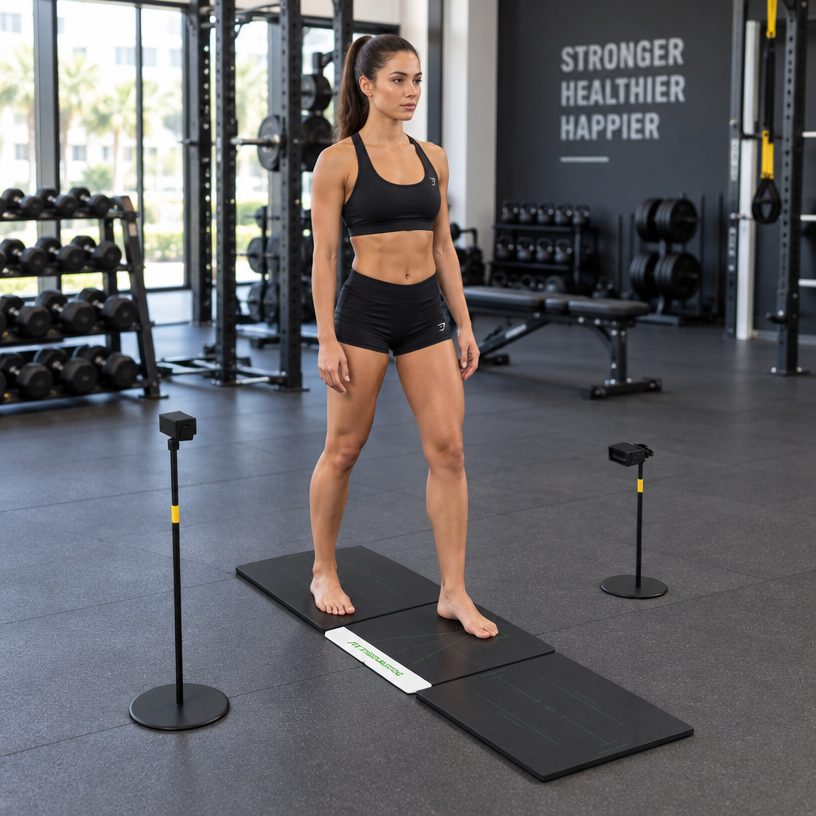
First: what does your service charge for? If the client pays for a product built to their shape, geometry is the revenue and the scanner is the tool. If the client pays for informed professional judgement about load and support, the record is the revenue and the plate is the tool. Commercial honesty resolves most technical debates faster than the debates themselves.
Second: what does your next step consume? A milling service consumes shape files. A consultation report consumes load records. Match the sensor to the file format your real workflow opens, not to the file format that demos best.
Worth pausing on, because it sounds abstract until it is made concrete: write down the last five outputs your service actually delivered. Not the services offered — the outputs delivered. A set of records filed for review, a product built to shape, a recommendation conversation, a before-and-after comparison. The list takes ten minutes and turns the sensor question from a philosophy debate into a tally. Whichever family of instrument appears in four or five of the five outputs is the family your room has already chosen, whatever the showroom suggested. The mismatch buyers discover in this exercise — offering one thing and delivering another — is usually more valuable than the purchase decision that follows it.
Third: what will you compare in six months? Progress conversations, program reviews, repeat clients — these need records that hold still. Load records captured under the same conditions compare honestly across time. Ask any instrument you consider how its sessions are archived and reopened; a screen that forgets is a conversation tool, not a clinical record.
Fourth: who operates it, and how often? A room with rotating staff needs the guided workflow; a specialist room can afford depth. Both families span that range, so ask in terms of your staffing rather than in terms of features.
A fifth question closes the set, aimed at the space rather than the sensor: what does the room give up? Every instrument has a footprint — the plate wants its landing zone and its approach path, the scanner wants its positioning space and its light, and both want power where nobody trips. Bring the floor plan to the comparison. Rooms that skip this step meet the constraint on delivery day, when the only remaining options are rearranging the building or living with an instrument placed where it fits instead of where it works. The tape measure has ended more equipment debates than any datasheet, and it costs nothing to consult early.
Reading the specifications honestly
Specification lines are written to be compared, which means they are written to be won. The defence is to sort every figure into its family before comparing. Numbers describing surface subdivision belong to shape capture. Numbers describing sampling and refresh belong to dynamic pressure. Numbers describing optical alignment belong to posture capture. Comparing across families is not a small error; it is a category error, and it is the single most common reason buyers end up disappointed by instruments that were never competing for the same job.
Within a family, the figure that matters most in practice is the one least often printed: repeatability. The same input, the same output, twice. Ask for the demonstration done twice — same client, second capture, ten minutes apart, maps side by side. The regional pattern should be recognisably stable. This check costs a coffee and filters implementations faster than any datasheet.
And read the software column with the same discipline. What file leaves the system, does the archive open without the vendor, can reports be adjusted by your staff? An instrument is a decade-long relationship with its software, and the software questions belong in the first conversation, not the last.
One final specification habit, borrowed from experienced buyers in every equipment category: read the exclusions before the features. What is not covered by the warranty, what is not included in the base configuration, what the software does not export, what the support hours do not reach. Features are chosen by the supplier; exclusions are chosen too, but they are where the surprises live. Two quotations with identical feature rows can differ enormously in their exclusion rows, and the difference in price usually tracks the difference in exclusions rather than the difference in quality. A buyer who compares exclusions across the shortlist is comparing the part of the offer the supplier could not polish.
If the decision lands on pressure
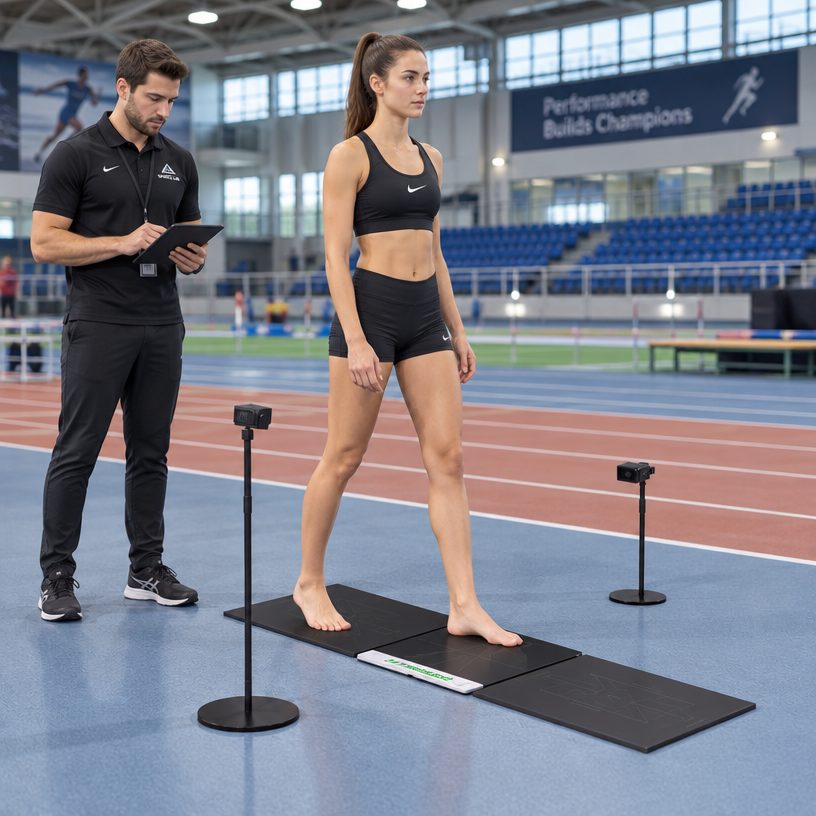
Then the buying conversation continues on the pressure side, and the questions are the ones this site answers in writing: what the sensor physically captures, how the camera layer adds the posture context, how records are archived and compared, what the commercial terms are. Our systems — the F2 configuration most rooms start with, the X3 platform, the F5 LAB walking analysis setup — are described in those terms, with machine orders from a single unit and support stated before the order rather than after the first problem.
If the decision lands on shape instead, buy the shape instrument with the same discipline: verify the sensor family, run the repeatability check, read the terms. The comparison framework in this article is deliberately brand-free because it is meant to survive past this page — into whichever room, whichever vendor, whichever instrument your Tuesday actually needs.
Frequently asked questions
Is a foot scanner the same thing as a pressure plate?
No. The phrase foot scanner is used loosely across the market for shape capture, pressure mapping and posture systems. A pressure plate senses load; a shape scanner captures geometry; a posture camera records alignment. Read what the sensor physically does before comparing any figure.
Which one should a clinic buy first?
The one that matches the appointment’s output. Services that build physical products from geometry need shape capture; services that assess and track how load behaves need pressure records. Most assessment-led rooms start with pressure plus posture, and add shape capture later if their workflow genuinely consumes geometry.
Can one system do both?
Some systems combine sensors, and combined systems can be good value. But every bundle still has a primary sensor, and the primary sensor sets what the session is fundamentally about. Ask which sensor is primary before treating a bundle as having removed the choice.
What does your equipment measure?
Pressure and posture. A pressure-sensing layer records how the sole carries load while standing and walking; camera capture records the alignment of the foot and lower limb; the software assembles both into a report. We do not reconstruct surface geometry, and we say so wherever it matters.
Can the records be compared across visits?
Yes — sessions are stored under the client’s file and later captures can be laid beside earlier ones under the same conditions. That comparability is the main reason rooms choose records over live views.
Can we order a single unit to evaluate?
Yes. Machine orders start at one unit, ODM is accepted on equipment, and the warranty runs twelve months on non-human damage with free replacement parts. A clinic should be able to evaluate a service without buying a fleet.
How fast is delivery after an order?
Every machine passes a seven-day test before dispatch, and capacity runs three to five units a day. Transit is six to seven working days by express, ten to twelve by air and thirty to thirty-five by sea.
What we would do next
Compare the configurations directly: the X3 pressure platform for the floor-standing plate role, the F2 system for the pressure-plus-posture room, the F5 LAB walking platform where the dynamic record is the point, and the full range for everything between. The FAQ page carries the commercial terms in writing, and pressure plate or pressure mat extends this comparison to the two forms the plate family itself takes.
This article is intended for professional and educational reference. It is not medical advice. Foot assessment equipment produces measurements and images; clinical interpretation and any decision about care remain the responsibility of a qualified professional. Certification scope is limited to the documentation we hold: European Union certification and ISO quality system certification.