
Biomechanics is the word this trade reaches for when it wants to sound rigorous, and the honest question is where the biomechanics actually enters the product. In many offerings it enters nowhere: the word sits on the box while the product inside was sized from a chart. In the best offerings it enters early, measurably and traceably — a documented record informing a design, a design informing a build, a build matching its specification. This article walks the second version, because we manufacture it and believe buyers should be able to demand it.
We produce custom orthotic insoles at five hundred to a thousand pairs a day, and the equipment that produces the measurement records — plantar pressure systems with camera posture capture — comes from the same company and the same building. That vertical view is what lets this article describe, station by station, where biomechanical substance is added and where it is most often quietly dropped.
The article is also a defence of modesty. Biomechanics, used honestly, is a discipline of measurement and limitation — it tells you what is, precisely, and leaves the deciding to the professional. Every section below keeps that boundary in view.
What biomechanics contributes, stated plainly
Strip the word to its working content and it contributes three things to an insole project. It describes how load distributes across the foot — where weight sits, how it travels, how the sides differ. It describes the arrangement above the load — how the foot, lower limb and body are aligned when the load lands. And it supplies the discipline of comparison — the same measurement, taken the same way, so that change over time is observable rather than remembered.
Those three contributions are exactly what a pressure-and-posture session records. The pressure layer maps the load; the camera records the arrangement; the documented conditions make the record comparable with the next one. None of it is exotic. What is rare is the chain of custody: each contribution surviving the journey from record to design to build without being replaced by habit, convenience or a size chart.
The chain is worth defending because each link is a place where biomechanics quietly exits the product. A record taken under undocumented conditions exits immediately — it can never be reread honestly. A design that mirrors one side onto the other exits at the drawing stage, discarding the left-right comparison that was the record’s most personal information. A build produced without tolerances exits at the factory, where the specification becomes an inspiration. The buyer who knows the chain can keep it intact with questions rather than expertise.
This is also why “custom biomechanical orthotics” is a claim about process, not about substance. The substance is ordinary — pressure, posture, comparison. The process is the product.
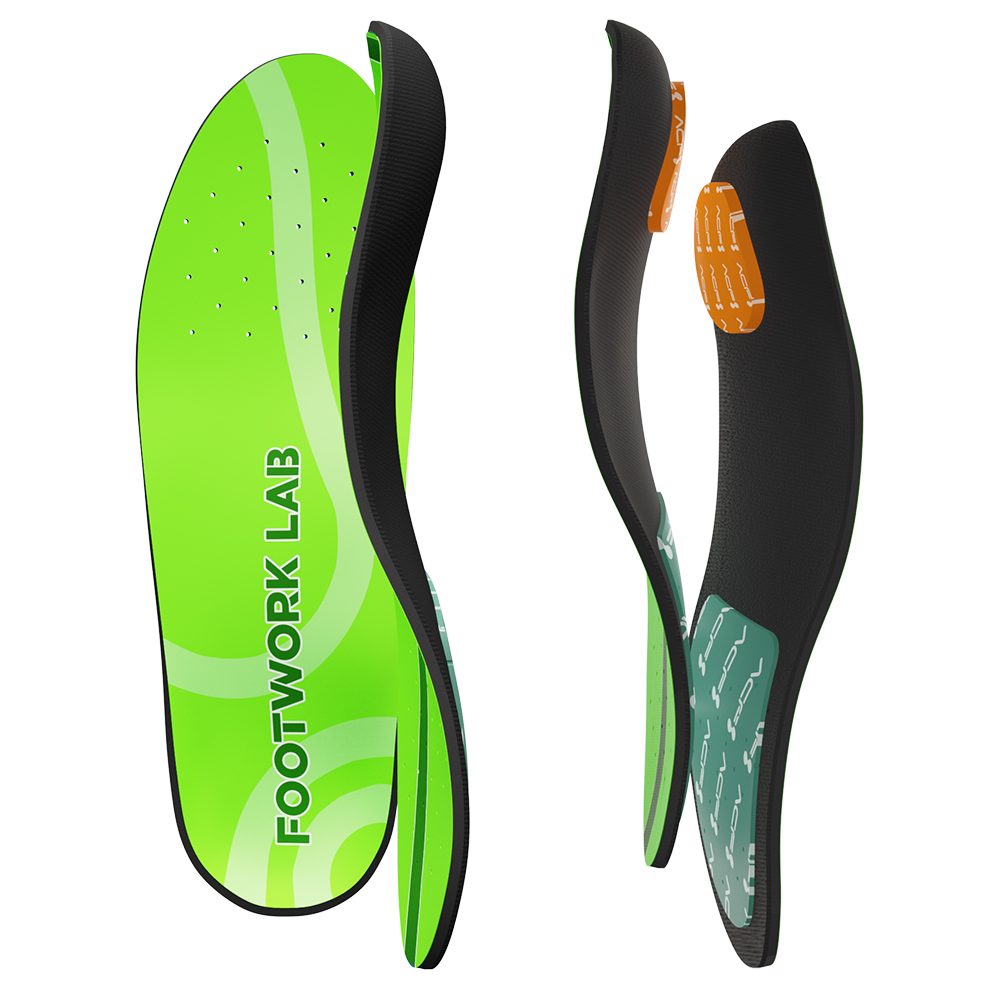
Station one: the record and its conditions
Everything downstream inherits the record’s quality, so the chain starts with the conditions sentence: what was captured, standing or walking, in what footwear or without, on what date, with a repeat capture to confirm stability. This is the cheapest discipline in the entire workflow — a minute of writing — and the most commonly skipped, because its absence is invisible until someone tries to reread the record months later and discovers it cannot be interpreted.
The walking pass deserves its emphasis in biomechanical work. A standing map describes load at rest; walking describes behaviour in motion, and behaviour is what repeats in daily life. Where the service supports it, the record should include both — the resting distribution and the travelling one — because designs informed by both are conversations, while designs informed by one are monologues.
Posture capture is the third component and the most overlooked. The camera record shows the arrangement above the load — the context that turns a pressure map from a pattern into a situation. Our equipment captures both in one session deliberately: the two records were made to be read together, and separating them across systems and archives is how rooms lose the habit.
One boundary belongs at this station: the record measures, it does not conclude. What the pattern means for this person, and what should be done, are professional judgements made in the room. A workflow that respects this boundary produces records a professional can defend; a workflow that blurs it produces reports that flatter the software and quietly take authority the measurement never earned.
A practical word for the professional who takes the record: the client conversation that accompanies it is part of the measurement. What the client says about their hours, their footwear rotation, their goals and their previous experience with devices is context the sensors cannot capture, and the rooms that write it down produce designs that fit lives rather than feet. Our context sheet asks for the named footwear and the activity profile for exactly this reason — the record describes the foot; the conversation describes the demand. Both belong in the same folder before the design conversation starts.
Station two: from record to design
The design step is where the record’s information becomes the product’s specification, and it is the step most vulnerable to substitution. The substitute is always the same: production habit. A contour that has worked for thousands of similar records, a firmness the line prefers, an extent that fits the tooling — each is legitimate engineering knowledge, and each becomes a problem the moment it silently overrules the record in front of it.
The defence is visibility. Our design summaries show their work: which regions carry support and why, referenced to the record; which decisions are per-side; which firmness and extent were chosen and what informed them; which footwear the design assumes. The professional reviewing the summary can see where the record drove the design and where convention did — and can push back on either, which is the point. A design summary that cannot show its work is not a summary; it is a receipt.
Per-side specification is the station’s visible marker. Real clients present real differences between their feet, and the record usually shows them. A design that mirrors one side to the other has discarded that information before production ever sees it. Our summaries specify left and right separately, and the build sheets carry the difference to the line — one of the clearest ways a buyer can check, from paperwork alone, whether measurement actually enters the product.
The station closes with written confirmation. The summary becomes the agreed version — dated, referenced, attached to the order — and production builds that version. Everything after the confirmation is execution; everything before it is conversation. Mature workflows keep the two apart, which is what makes remakes decidable and reorders faithful.
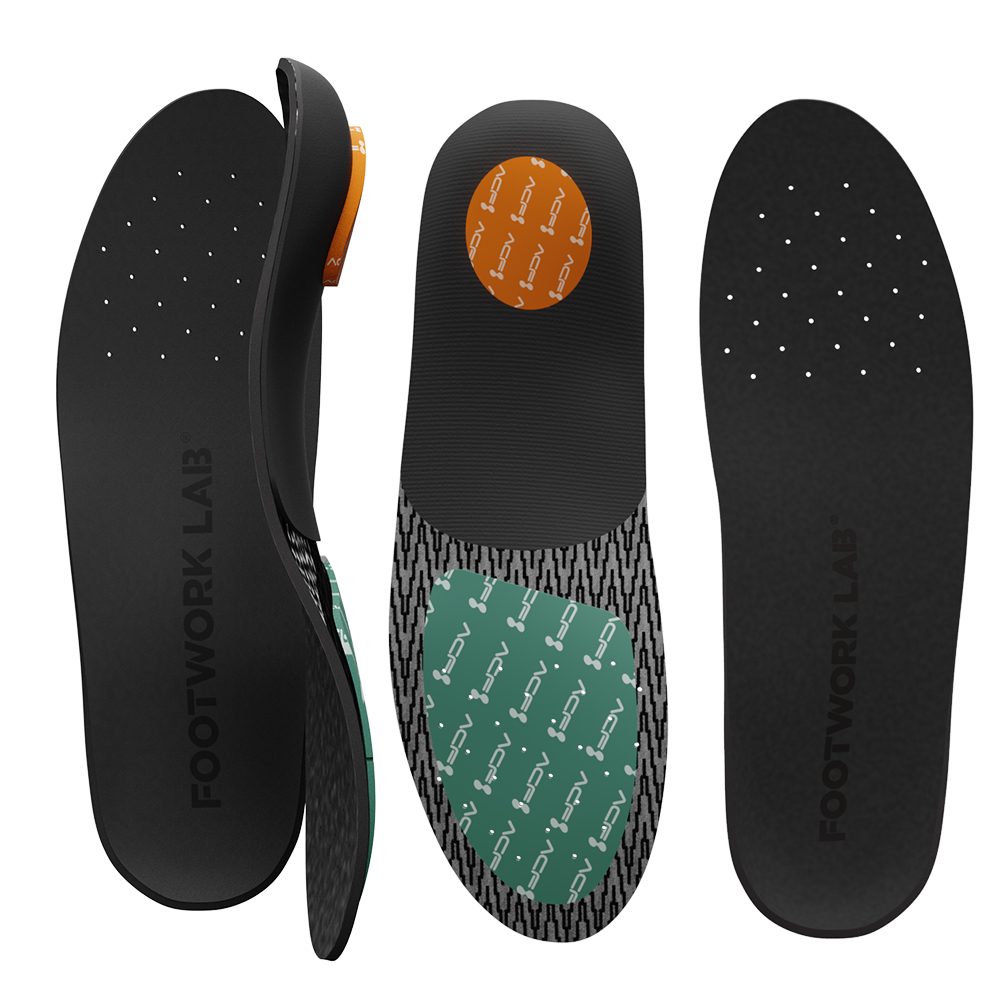
The design step also has a failure mode worth naming because it hides behind effort: over-design. A record full of information invites the temptation to act on all of it — every region supported, every nuance contoured. The mature design acts on what the client’s need justifies, and leaves the rest of the record as context. Devices that do everything usually do nothing in particular, and the professional’s restraint is as much a part of the biomechanics as any contour. A design summary crowded with interventions is a summary asking for a second opinion.
Station three: the build, and what tolerances mean here
A biomechanical specification only survives production if production is bound to it, and the binding is tolerances. Contour heights, region extents, firmness placements — each carries an acceptable band, and the line checks against the bands. A shell that misses its band is not a slightly different product; for a design intending to influence load distribution, it is a different device wearing the same label. This is why tolerance discipline is not factory pedantry; it is where the biomechanics survives or dies.
Our line runs the checks station by station: dimensions against the build sheet, contours against the shape record, materials against the confirmed map. A pair that fails is traced back to its station and the trace is written down. At five hundred to a thousand pairs a day, this is the minimum structure that lets a mixed order ship with pairs that match their own specifications rather than resembling them.
Materials deserve their station note too, because in biomechanical builds the material is part of the mechanics. The same contour in two stiffness families distributes load differently; the same top cover changes what the client feels and reports. The confirmed material map — family by family, layer by layer, per side — is part of the specification, which is why our reorders rebuild from records rather than from memory.
The honest boundary at this station is the mirror of the first: production can verify that the build matches its specification, and can say nothing about whether the specification serves the client. That judgement lives upstream, with the professional, and the workflow that keeps the two stations distinct is the same one that keeps responsibility clear when questions arise.
Production scale plays a quiet role in the chain’s integrity. A line that runs one bespoke pair a month can inspect every pair obsessively; a line that runs hundreds daily must inspect by system — stations, tolerances, records. Both can produce excellent work, but only the second can produce it repeatably for a growing service. Buyers building volume should weight the system evidence — the logs, the traces, the batch records — over the artisan story, because their reorder will arrive from the system, not from the story.
What “biomechanical” promises, and what it must not
Assembled honestly, the word promises a traceable chain: documented record, visible design, bounded build, kept records. Each link can be checked by a buyer without technical training — ask for the conditions sentence, ask for the design summary, ask for the tolerances, ask what is kept. Suppliers who run the chain will answer in documents; suppliers who use the word decoratively will answer in adjectives, and the contrast between them is the easiest quality signal in this trade.
What the word must not promise is outcomes. A product built from a record supports load distribution as designed — that is its construction, and the construction is checkable. What the distribution means for any individual’s comfort, activity or life is the professional’s judgement, informed by the record and by the person. Factories that attach outcomes to orthotics are borrowing authority the measurement does not confer, and buyers should hear every such promise as a statement about the supplier rather than about the product.
The same modesty applies to the word “custom”. In this workflow custom means made to a documented, individual specification — not “chosen from more options”. The distinction is checkable in one request: show me the design summary, with its connection to the record. Everything else is vocabulary.
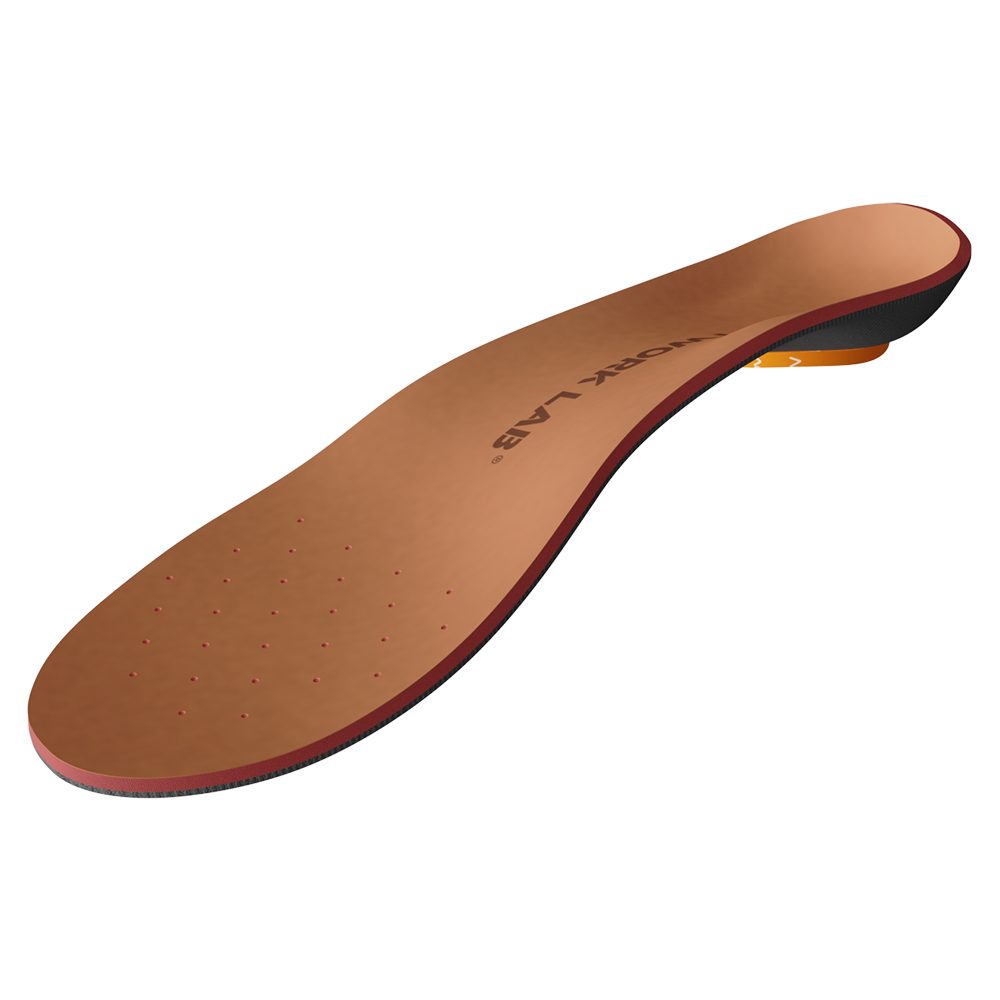
Buying the chain, not the box
For clinics and distributors, the practical buying strategy is to purchase the chain rather than the product. Does the supplier capture or accept documented records? Do their design summaries show their work? Do their builds carry tolerances and their reorders carry continuity? Is the remake boundary written down? A yes to all four is a biomechanical supplier regardless of vocabulary; a no to any is a decorator with better printing.
Where the chain is missing a link — often the record — the missing piece can be built rather than sourced. Our equipment side exists for exactly this reason: rooms that want to own the first station of the chain can add the pressure-and-posture capture that feeds it. Owning the record changes the service in ways that outlast any single pair of insoles, because records accumulate into histories, and histories are what make a professional service defensible year over year.
And for buyers evaluating our own chain, the invitation is the one we extend everywhere: run the four questions against us, request the documents, walk the line by live video. A company that publishes its boundaries can afford inspections, and prefers them — the inspection is where the trust in a traceable chain actually gets built.
Frequently asked questions
What makes an orthotic “biomechanical” in your workflow?
The chain, not the label: a documented load and posture record, a design summary that shows which decisions came from the record, a build bounded by tolerances, and records kept so reorders are faithful. Remove any link and the word becomes decoration.
What measurement do you need to start?
A pressure record with documented conditions — standing plus a walking pass where possible — and posture capture, plus a short context sheet: footwear, activity, hours, goals. Geometry-only records limit what the design can honestly claim, and we say so at quotation.
Are the two sides really built differently?
Where the record justifies it, yes — height, extent and firmness are specified per side, and the build sheets carry the difference to the line. Mirroring one side onto the other discards the most personal information in the record.
How closely does the pair match its design?
Within written tolerances, checked at the stations and recorded. A pair that misses its band is traced and handled inside the factory’s process, not shipped to become the client’s discovery.
What is the minimum order and the sampling route?
Two hundred pairs, mixed across styles and sizes. Samples leave within three days of design confirmation, made with production materials, so the specification can be validated before volume.
What does the remake policy cover?
A remake caused by a production fault is ours; a remake caused by a changed design decision is a new order. The division is written into the order documents before anything ships.
Do you promise results from the insoles?
No. The product supports load distribution as designed — that construction is checkable. What it means for any individual is the professional’s judgement. We state this boundary in our quotations and our product pages alike.
What we would do next
Walk the chain yourself: the insole categories page shows the product families, the FAQ page states the commercial frame, and the F2 plantar pressure system page describes the equipment that owns the first station. For the reading discipline behind the records, how plantar pressure mapping works covers the sensor layer, and what belongs in a foot analysis report covers its output.
This article is intended for professional and educational reference. It is not medical advice. Foot assessment equipment produces measurements and images; clinical interpretation and any decision about care remain the responsibility of a qualified professional. Certification scope is limited to the documentation we hold: European Union certification and ISO quality system certification.