
Custom foot orthoses is a wider term than custom insoles, and buyers use the two interchangeably right up to the moment a specification has to be written. The word orthoses covers devices that sit under the foot, devices that extend beyond it, and devices whose scope is defined by the professional who fits them rather than by the factory that produces them.
That ambiguity is expensive in a quotation. A supplier reads orthoses one way and prices accordingly; the buyer reads it another way and expects something else. The documents look compatible and the products are not, and the discovery happens at the fitting bench.
This article sets out the scope of the term as buyers actually use it, draws the line where a factory’s responsibility ends, and offers a field-based way to agree on scope before a specification is written. We produce insoles, so the boundary described here is the one we negotiate with customers every week.
What the word covers
In clinical use, orthoses describes a family of devices that modify load or position: insoles that sit in the shoe, ankle-crossing structures, toe devices, and footwear modifications. The common thread is function, not form, which is why the word resists a single product definition.
In trade use, the word has narrowed to mean the in-shoe device, usually custom-made, that a clinic or laboratory supplies. That narrowing is convenient for catalogues and confusing for specifications, because the same word then describes a product and a category at once.
For a buyer, the practical resolution is to ask what the term means in the document in front of them. A quotation that says custom foot orthoses without a field list is asking to be interpreted, and interpretation is where the mismatch enters.
The field list is the answer, and it works regardless of the vocabulary: where the device sits, what it is built from, what it is built to, and what happens after delivery. Four questions that settle scope in a single exchange.
The word also carries a professional implication that the trade version does not. In clinical settings an orthosis is usually prescribed or specified by someone accountable for the decision, whereas an insole can be sold from a shelf. That difference in accountability is what a buyer should look for when reading a quotation.
It is worth noticing how the word behaves in a contract. A quotation that names a device by category and price invites a dispute about what the category means; one that names fields invites a dispute about whether the fields were met. The second dispute is resolvable, and resolvable disputes are cheaper than unresolvable ones.
Where a factory’s responsibility ends
A factory is responsible for producing to a specification, consistently, with the checks that make consistency visible. That responsibility is real and it is bounded: the factory does not examine the person, does not decide what the device should do, and does not interpret the outcome.
Saying that plainly is part of being useful. We manufacture insoles and assessment equipment; we do not examine patients, and we do not produce ankle-crossing devices. A buyer who knows where our scope stops can route each part of an order to the right supplier instead of discovering the gap mid-project.
The boundary has a second edge: customisation scope. Insoles are available as ODM and OEM, so a design can follow a customer’s specification and carry their branding. That is production customisation, not clinical customisation, and the two are worth naming separately in a contract.
Factories that blur the line tend to overclaim in marketing and underdeliver in production. Factories that state the line clearly are easier to work with, even when the answer is no.
The boundary has a commercial upside for the buyer. A supplier that states what it does not do is usually a supplier that has thought about quality control in the area it does cover, because the two disciplines come from the same habit of mind.
Four questions that settle scope
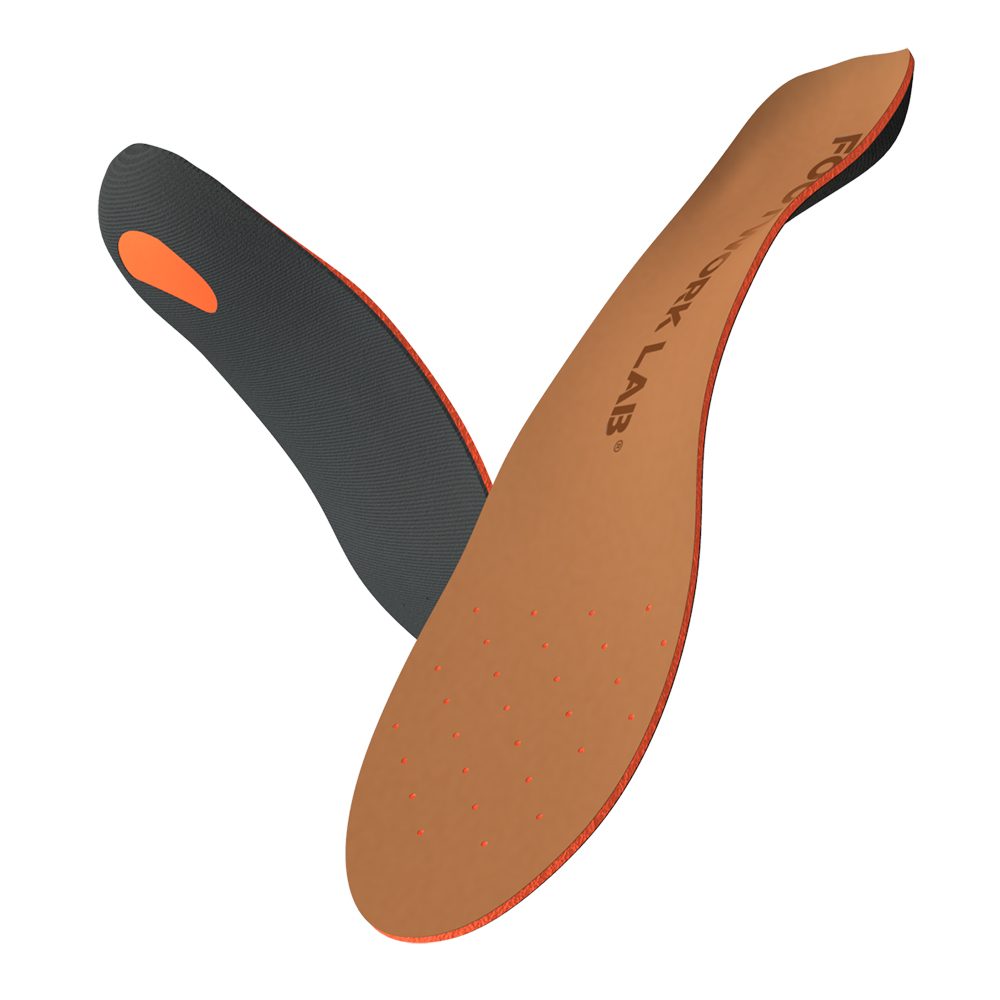
First, where does the device sit? Inside the shoe, or crossing a joint. The answer decides whether the order is a production document or a fitting process, and it decides which suppliers can quote at all.
Second, what is it built to? A measurement, a joint position, or a library design adjusted to a size. Each answer implies a different production route, a different consistency regime, and a different remake conversation.
Third, what is the device expected to change? Load distribution, position, accommodation of a shape, or comfort during a stated activity. Describing the expectation in behaviour terms rather than outcome terms keeps the specification honest and keeps the factory inside its competence.
Fourth, who adjusts it after delivery? If the answer is a professional in the market, the order needs to include the information that professional will need — geometry, material family, the approved sample — rather than a finished object with no documentation.
A fifth question sometimes helps: what documentation will travel with the order? A field list, an approved sample record and a batch note are what allow a market to answer its own customer without going back to the factory.
It is also worth asking how the four answers are recorded. A supplier that writes them down on the quotation is a supplier that will build from them; one that repeats them back verbally is relying on the memory of whoever took the call. Memory is not a specification.
Why the vocabulary drifts
Vocabulary drifts because the market searches by words and buys by jobs. A clinic that wants a firmer device for daily wear searches orthoses because that is the term its patients see; a retailer that wants a retail-ready pair searches insoles because that is what the box says. Neither is wrong, and both arrive at products that overlap.
Suppliers reinforce the drift by using the wider word in marketing and the narrower word in production. The gap between the two is not usually dishonest; it is the ordinary gap between how a category is sold and how it is made.
Buyers can close the gap on their side by writing the field list into the enquiry. A supplier receiving four answered questions cannot drift, because there is nothing left to interpret.
It also helps to keep two documents: one for the customer-facing page, using the word the market searches, and one for the factory, using the fields. The two documents describe one product from two directions, and neither needs to compromise.
The drift is not unique to this category. Footwear, orthotics and podiatry all use overlapping vocabularies, and every market localises them differently. A supplier working across markets learns to hold two vocabularies at once: the one that sells and the one that builds.
There is also a translation cost that buyers underestimate. Every handover between vocabularies is a chance for a field to be dropped, and dropped fields are the most common cause of a pair that satisfies the document and disappoints the wearer.
Customisation levels and what they cost
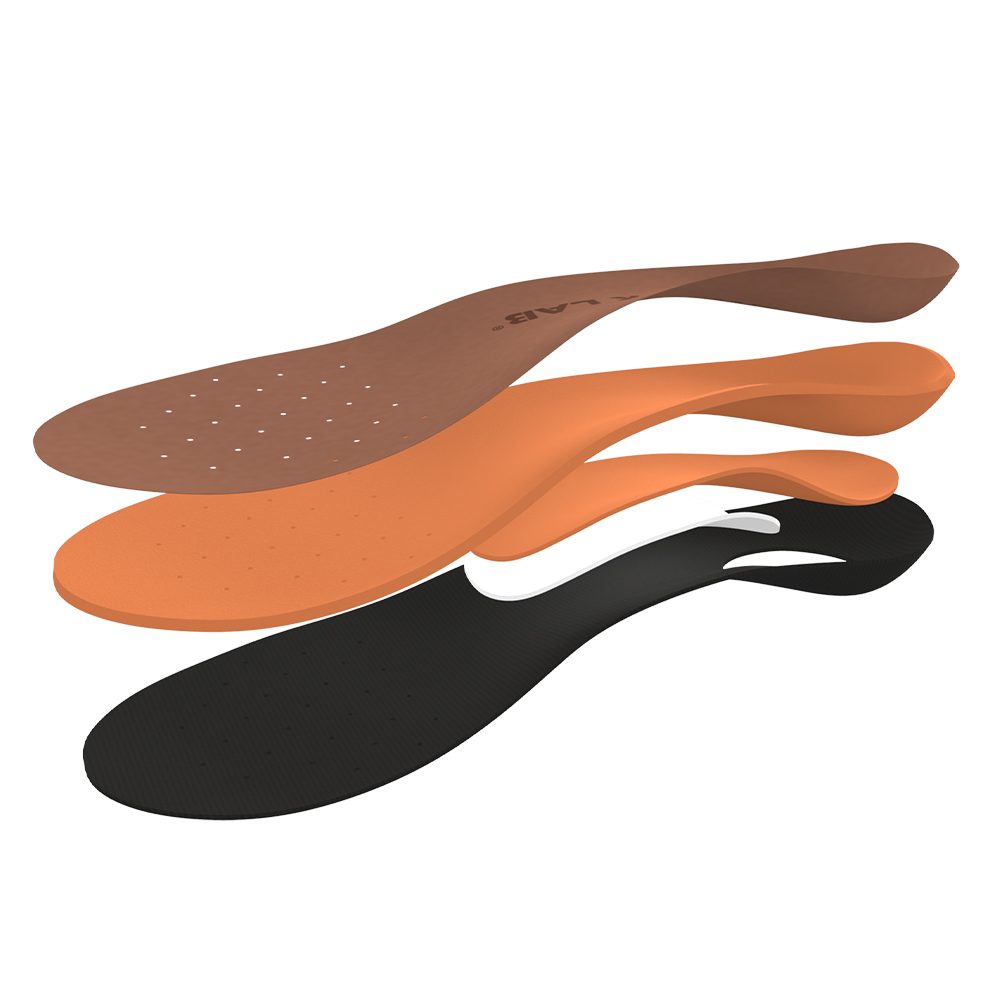
There are three levels in practice. Size-adjusted production starts from a library design and adjusts to a size; specification-adjusted production changes geometry and materials against a written brief; measurement-based production starts from an individual record and builds a pair for one foot.
Each level has a different cost structure, and the difference is not only in the factory. Size-adjusted work is cheap per pair and needs little input from the market. Measurement-based work is expensive per pair and needs a record, a review and a remake route, which means the clinic must have those processes.
Most distributors settle on the middle level, because it matches what their customers can supply: a specification rather than a measurement. That is also the level at which our two-hundred pair minimum with mixing is most useful, since a range can be built from several designs at once.
The mistake to avoid is paying for measurement-level customisation while supplying specification-level input. The result is a batch that was built from an average because that was all the information available, and a customer who expected individual geometry.
It is worth adding the fourth level that buyers occasionally ask for: design authorship. A customer who supplies a design file and asks only for production is at a different point in the chain than one who asks for a design to be created, and the responsibility for fit moves accordingly.
It is worth asking a supplier which level it is quoting for before comparing prices. Two quotations that look far apart are often quoting different levels, and the difference in price is the difference in work rather than a difference in margin. Naming the level turns a price comparison into a specification comparison.
Order terms that make scope concrete
Minimum order, customisation scope, sample terms, capacity and lead time. Those five terms belong in every quotation, in that order, because each one narrows what the previous one left open. A quotation without them is a price, not an offer.
Our own terms are these: two hundred pairs minimum for insoles, mixable across models and sizes; ODM and OEM available; samples shipping within three days; capacity of roughly five hundred to a thousand pairs a day; and transit by express, air or sea depending on urgency.
Add the remake clause, because scope after delivery is part of scope. What counts as out of specification, who decides, who pays, and how a replacement is triggered. A factory that produces to fields can answer all four; one that produces to adjectives cannot.
Add the documentation that will travel with the shipment: the approved sample, the field list, and the batch record. Documentation is what allows a market to defend the product to its own customer, and it costs the factory almost nothing to include.
Documentation is also the cheapest form of after-sales. A factory that sends the field list with the batch is effectively training the market’s fitter, and a trained fitter generates fewer remakes than a hopeful one.
The terms also make a comparison possible. Two quotations that state the same five terms can be compared item by item; two that state a price and nothing else can only be compared on price, which is the least informative comparison available.
A scope statement worth signing
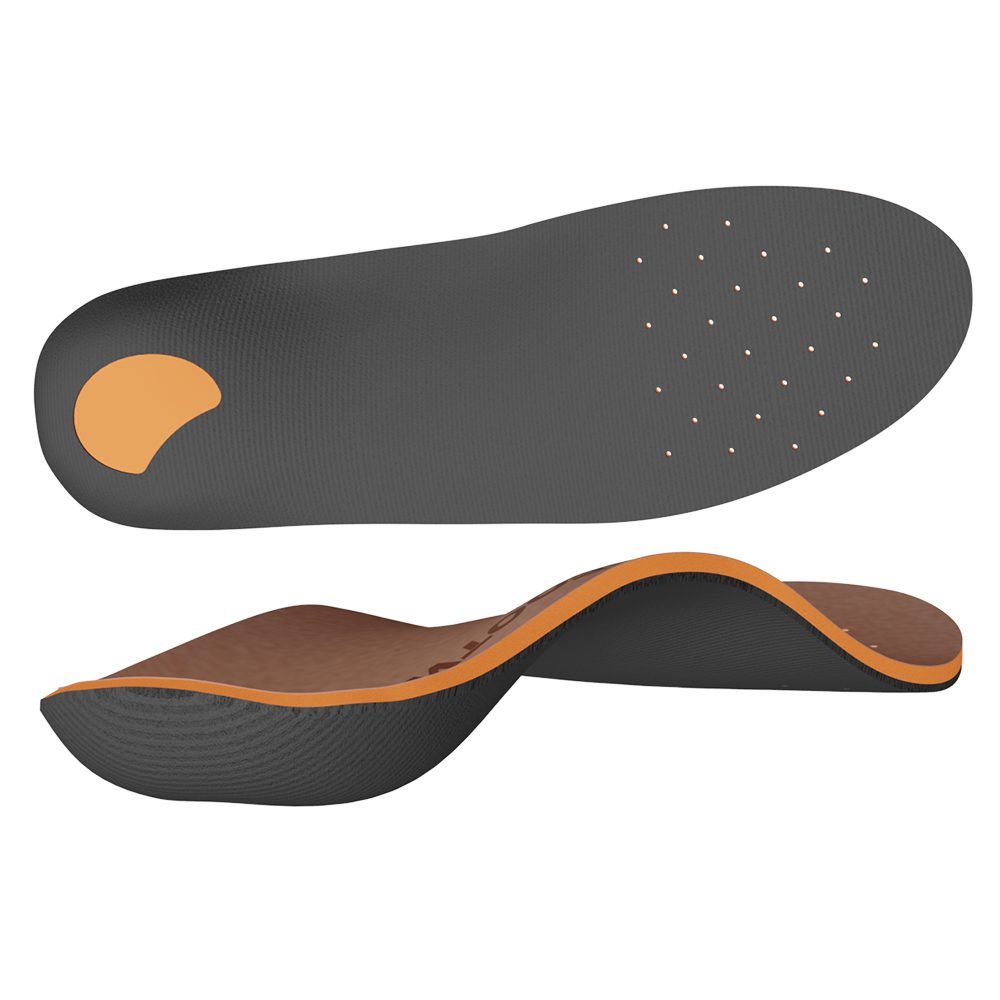
A useful scope statement is one page and reads like a boundary rather than a promise: this is what we produce, this is what we need from you, this is what we do not do, and this is what happens if the output differs from the approved sample.
It should name the device in both vocabularies, so that the customer-facing page and the production document agree. It should name the fields and the skill level assumed on the buyer’s side. And it should name the person accountable on each side, because accountability without a name is a paragraph.
Buyers who ask for that page get a clearer picture of a supplier than any brochure provides, because a supplier willing to write boundaries has usually thought about them.
It is also a useful filter at the start of a search: ask three suppliers for a scope statement and compare the answers. The comparison tells you more about fit than a quotation, and it costs a week rather than a quarter.
The statement is also useful internally. A factory that has written its boundaries can train new staff against them, and the sales conversation stops drifting into promises that production cannot keep.
Frequently asked questions
Are custom foot orthoses the same as custom insoles?
In trade use the two usually describe the same in-shoe device. In clinical use orthoses is broader and can include devices that cross a joint. The field list — where it sits, what it is built to, what it should change — settles the meaning.
Do you produce devices that cross the ankle?
No. We produce custom orthotic insoles and foot assessment equipment. We state that boundary early so an order can be routed correctly.
What can you customise for our market?
Geometry, shell stiffness family, cover material, thickness budget and branding. Insoles are available as ODM and OEM, with the scope agreed in writing before production.
What is the minimum order?
Two hundred pairs for insoles, mixable across models and sizes. That structure supports a range rather than a single product.
How do samples work?
Samples ship within three days. Test them in the target shoe under the target activity, then correct the specification fields before volume production.
Can we verify a batch against the sample?
Yes, if the approved sample and the field list travel with the shipment. That documentation is what makes a batch checkable rather than merely acceptable.
How long does shipping take?
Express runs six to seven working days, air ten to twelve, and sea thirty to thirty-five, after production. Samples ship within three days of confirmation.
What we would do next
Ask for a one-page scope statement with the next quotation: what is produced, what is required from the buyer, what is out of scope, and what happens if the output differs from the sample. The Insole Categories page lists what we produce, and Our Factory describes how a design review works.
The companion article on what a custom insole order should contain turns the scope statement into a buildable specification.
This article is intended for professional and educational reference. It is not medical advice. Foot assessment equipment produces measurements and images; clinical interpretation and any decision about care remain the responsibility of a qualified professional. Certification scope is limited to the documentation we hold: European Union certification and ISO quality system certification.