
A customer limps into a foot-care shop on a Tuesday and asks, in the vocabulary the internet gave her, whether you do sprained foot treatment here. The question arrives in the first week after the injury, and the honest answer is no — not because the shop lacks equipment, but because the first week of care belongs somewhere else entirely: to a clinician, in a setting where a swollen foot can be examined and a recovery decided. The search phrase and the shop’s actual role are simply not in the same week. What a foot measurement offers comes later, at the stage when the foot starts bearing weight again and the question changes from “how do I treat this” to “how am I walking now” — and that stage is where a record earns its place. This article maps the stages properly, because the map is what keeps reception honest. It covers what the search is really asking and when, what belongs to clinical care and why the record waits, what changes when weight-bearing begins, what the record shows at that point and what it deliberately does not, where the insole sits in the sequence and what it never replaces, and the reading rules we state plainly from the manufacturer’s side. It is written for clinic and shop staff who receive this search in person, weekly, and need an answer that is both kind and correct.
Some context on the phrase itself. Sprained foot treatment is one of the most common injury-related searches a foot-care business will ever meet, and it arrives charged: the person typing it is usually standing in pain, deciding whether the problem can wait until morning. Everything a business does with that person in the room should be measured against the fact that she is not shopping. She is asking who can help her, and the correct answer is often a referral — which, handled well, is the beginning of a long relationship rather than the end of a sale.
What the search is really asking, and when
The search arrives early, and it arrives with the wrong timetable attached. In the first days after a sprain, the person asking wants three things: confirmation of how bad it is, relief, and a date when it will be normal again. No retail measurement answers any of the three. A pressure plate cannot examine swollen tissue, a camera cannot tell a strain from a tear, and any number the equipment produced in that window would be a record of a foot in its worst state — which, as this article will show, is not even the useful record for later comparison.
What the search is really asking, beneath the vocabulary, is “who owns this problem”. The answer in the acute stage is unambiguous: the clinician does. Diagnosis of the injury, decisions about imaging, the management of swelling and pain in the first week — all of it sits in a setting the shop or the assessment room cannot stand in for. An establishment that answers the treatment question with a scan has misdirected someone at the most consequential moment of her week, and she will remember it, whichever way the injury turns out.
The timetable matters commercially too, though that is the least important reason to get it right. The person who searched in the first week is still searching, or limping past the window, in the fourth week — and by then the question has genuinely changed. The business that answered the first question with an honest referral is the one she returns to when the question becomes one the measurement room can actually serve. The referral is not a lost sale; it is the down payment on the later one.
So the first rule of staging is a sentence every front desk should hold ready: the first week belongs to a clinician, and when weight-bearing returns, come back — there is something useful to measure then. That sentence answers the search honestly, redirects it correctly, and keeps the door open without promising anything the equipment cannot deliver.
What clinical care owns, and why the record waits
The acute stage is a clinical jurisdiction, and it is worth spelling out what that contains. Assessment of the injured foot by a qualified professional, decisions about what the injury is, the plan for the first phase of care, and the judgement about when weight-bearing may begin — each of these is a decision made with trained hands and, where needed, imaging. None of it is recordable by standing on a plate, and any establishment that blurs the boundary is not merely overselling; it is delaying care that has a real timetable.
There is also a measurement-specific reason the record waits, beyond the boundary question, and it is less obvious: an early record would be a bad baseline. In the first days the foot is swollen, guarded and load-shy; its pressure distribution and its gait are not the foot’s normal behaviour but its emergency behaviour. Filed and compared against later, such a record misleads — the retest would show improvement that belongs to the swelling leaving, not to the foot recovering. The record is worth taking when it can tell the truth, and the truth is not yet available.
Where the assessment room can legitimately appear early is at the edges of the acute stage, and only in service of the clinician. A clinic that owns the equipment may record when the treating professional asks for it. A retail establishment’s role, in our recommendation, is to describe what the device can and cannot do and to refer — a script the desk can hold without any clinical training at all. The distinction between the two settings is not about equipment; it is about who is in the room to read the findings.
This is the point to say plainly what the equipment is: a measurement instrument. It captures pressure distribution, alignment images, gait phases — recorded quantities, all of them, and none of them a name for what happened in the ligaments on the stairs. The naming belongs to the clinician. The sooner a business is comfortable saying that sentence out loud, the easier every stage that follows becomes.
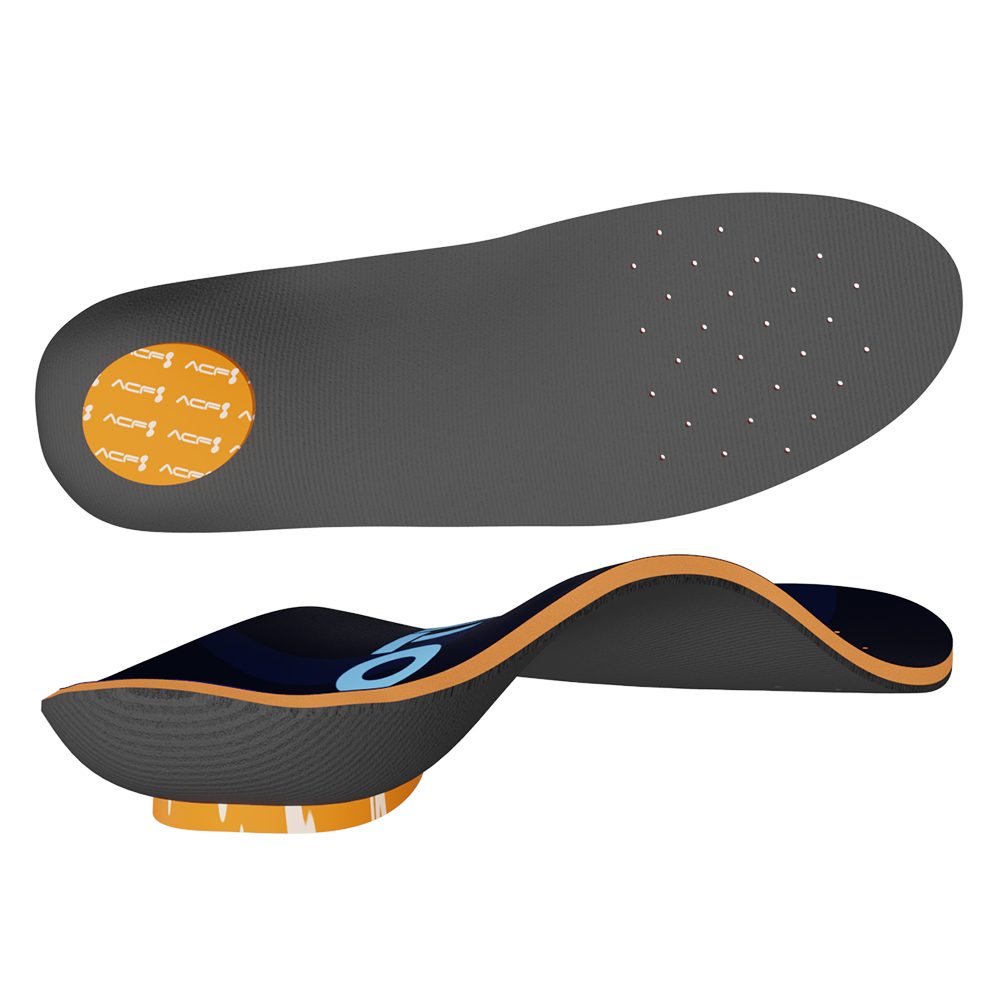
The recovery stage: when weight-bearing returns, the question changes
Weeks later — and how many is the clinician’s call, not the shop’s — the picture inverts. The swelling has settled, the brace or the crutch has been retired or is on its way out, and the person is now allowed to walk. That is the moment the original question finally meets its answer: she no longer needs to know how to treat the foot; she needs to know how the foot is behaving now that it is being asked to work. This is the stage the record was waiting for.
What makes the stage measurable is that the foot is doing its ordinary job again. A walking pass across the plate captures how load travels through the step: where it begins, where it peaks, how the foot axis points, how long the foot spends in contact. The cameras add how the leg aligns above the foot — and after weeks of guarding, that alignment is often where the interesting things show, because the body has spent the acute period walking around the injury rather than through it.
Those compensation patterns are precisely the recovery-stage conversation. A person who bore weight on the outside of the foot for three weeks may still be doing it on the fourth, not because the injury demands it but because the habit does. The record makes the habit visible: the load still resting off-centre, the two sides behaving differently, the axis still pointing where the pain used to be. None of this is a diagnosis; all of it is a picture the treating professional and the patient can look at together.
The comparison is where the record earns its keep. Against a retest a month later, the same routine shows what has changed — load returning to centre, the sides converging, the phases normalising. Progress stops being a feeling and becomes a pair of documents. But comparison only works on records taken the same way: same instructions, same crossing count, same routine. That discipline belongs to this stage too, and it is the difference between evidence and anecdotes.
What the record shows at that stage — and what it does not
A recovery-stage record contains the same quantities as any other: footprint dimensions, contact area, pressure distribution, foot axis angle, contact and flat phase proportions, centre-of-pressure travel, and the alignment images from the cameras. What changes at this stage is the reading, and the reading has one owner. The treating professional reads the numbers against the injury she managed; the patient reads the pictures; the equipment reads nothing at all.
What the record does not contain is any statement about the injury itself. It cannot say what was torn, how badly, or whether the recovery is on schedule — those judgements sit with the professional who examined the foot. A report that shows an off-centre load pattern is a description of a walk, and it is the professional who connects it to the clinical history. The shop or the assessment room serves the stage by producing the description cleanly and handing it over without adjectives.
There is a discipline in the description worth defending. The report should be allowed to say what it measured and nothing more — the load sat outside, the left and right differ, the axis points inward — because every extra adjective on the page is a small act of interpretation the document was never licensed to make. We build our reports to the measured line for exactly this reason, and we advise buyers to resist any temptation to summarise the findings for the customer in stronger words than the report itself uses.
And the record has one more honest limitation to state: it shows the stage the foot is at, not the stage it must reach. Retests show direction, not a destination or a date. When a patient asks, standing at the screen, whether she is better — the professional answers that from the whole clinical picture, of which the record is one input. Businesses that keep this straight find the record becomes more trusted over time, not less, because it never promised what it could not deliver.
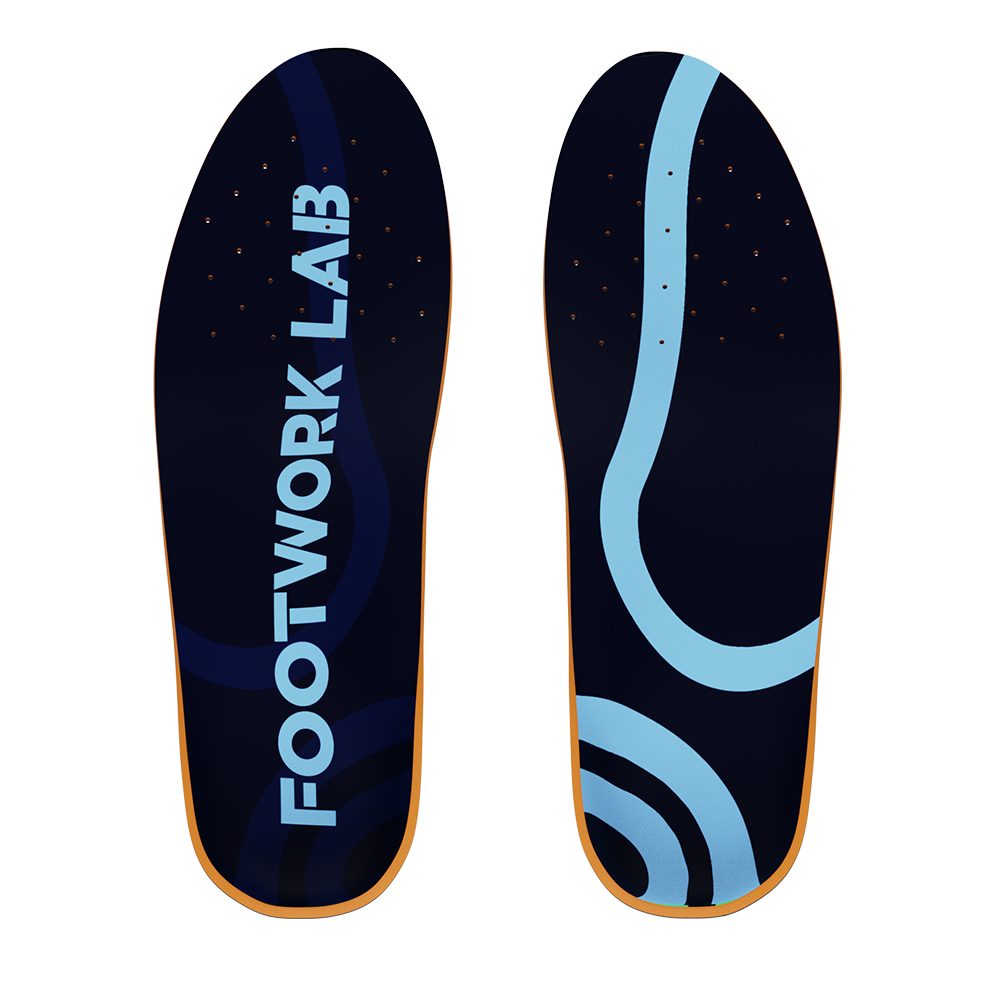
Where the insole sits, and what it never replaces
Only after the clinical phase — and the clinician’s clearance — does the insole question belong in the room at all, and even then it enters as a late-stage support, not as an element of treating the injury. The sequence matters: assessment, professional’s decision, then, if indicated, a build fitted to the foot as it has recovered. An insole introduced into the acute stage is a product answering a clinical question, which is the one transaction this trade should never run.
What the insole never replaces is bracing, and the sentence is worth printing at the desk. A sprain’s early protection is the brace, the taping, the clinician’s plan — structural support doing a structural job. An insole is a build inside a shoe, fitted to a recovered or recovering foot; it does not stabilise a joint in the acute sense and must never be presented as though it did. Buyers who keep the two roles separate never have to walk back a promise; buyers who blur them will, eventually and publicly.
Where the insole does sit is the longer tail of the story. A foot that has recovered from a sprain often carries the compensation habits into ordinary life — the outside edge still doing the work, the arch still guarding. The recovery-care builds in our FX range exist for such groups: design directions for the flat foot group, pressure relief under a loaded sole, hallux valgus and the plantar fasciitis group, each available in four grades — support, anti-torsion, cushioning and starting ability. Which combination suits a particular foot is a fitter’s judgement made with the foot in the room, informed by the record taken at the recovery stage.
The economics of the late stage reward the businesses that staged honestly. The customer who was referred in week one, measured in the recovery weeks and supported afterwards is a customer whose whole arc the business has served without once overstepping — and she tells that story. In our experience the referral script and the staged record do more for a foot-care business’s reputation than any single product on the shelf, including the insole, which is saying something worth taking seriously.
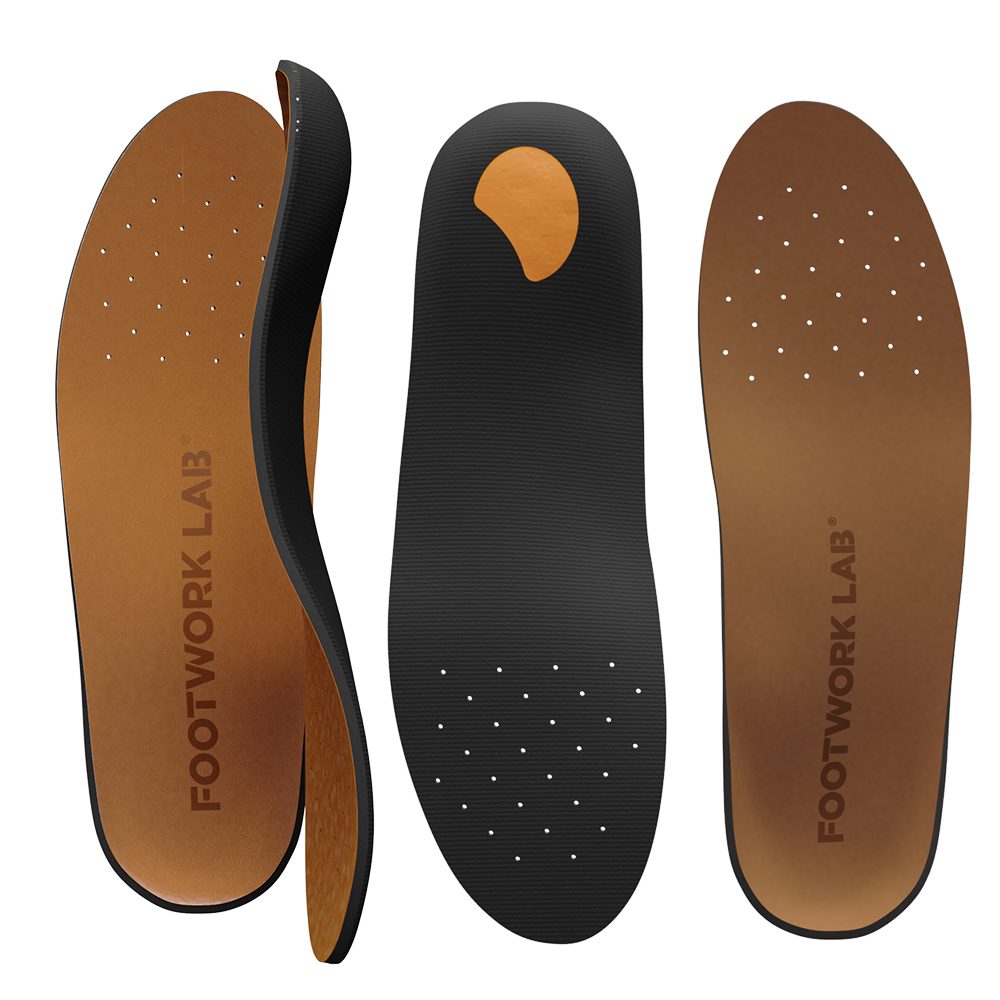
The reading rules, and what we state plainly
The reading rules compress into three sentences that a whole operation can be briefed on. One: the first week belongs to a clinician, and the desk’s job is to say so kindly. Two: when weight-bearing returns, the record is worth taking, and its findings are read by a qualified professional — the report describes, the professional interprets. Three: the insole is a late-stage item fitted on professional indication, and it never replaces bracing or clinical care. Every staff induction in this trade should contain those three sentences; the rest is procedure.
What we state from the manufacturer’s side follows from the same lines. Our equipment produces measurements and images — recorded quantities, never verdicts — and every report carries the reference line: the data is for reference, and any medical need belongs in a professional institution. We do not market measurement as a substitute for examination, and we do not claim outcomes for the insole range; the builds have design intents, and what they do for a particular foot is a decision made by the professional fitting them.
The commercial terms are short. The machine carries a minimum order of one unit, accepts ODM, and every unit is tested at the plant for seven days before dispatch; the warranty covers twelve months against non-human damage with free parts, and after-sales runs through a dedicated WhatsApp group with engineers directly reachable and remote assistance available. The insole side carries a two-hundred-pair minimum mixed across styles and sizes, samples ship within three days, and both ODM and OEM are accepted. We do not publish prices in an article; a quotation follows a configuration and a destination.
What we offer beyond the terms is the staging script itself. Bring us the front desk’s current answer to the treatment search and we will help align it with the three sentences above — referral first, record at recovery, insole last — because a business that stages the search correctly converts a week-one question it cannot answer into a month-four visit it can. That conversion, run honestly a hundred times, is what this equipment is actually for.
Frequently asked questions
A customer asks for sprained foot treatment at the counter. What is the right answer?
That the first week of care belongs to a clinician, and the shop does not stand in for one. The desk’s script is to refer, kindly and specifically, and to mention that once weight-bearing returns there is something useful to measure. No scan, no sale and no opinion should enter the room in that first week.
Why not take a record early anyway, just to have it?
Because an acute-stage record is a bad baseline: the foot is swollen, guarded and load-shy, so it shows emergency behaviour rather than normal behaviour. Filed against later sessions, it misleads. The record becomes truthful — and comparable — only once ordinary weight-bearing has returned.
When does the measurement finally help?
At the recovery stage, when the clinician has cleared weight-bearing. Then a walking record shows how load travels through the step, how the axis points and how the leg aligns — including the compensation habits the acute weeks left behind. The treating professional reads those findings against the clinical history.
Who interprets the recovery-stage report?
A qualified professional. The report describes recorded quantities — pressure distribution, foot axis angle, phase proportions, alignment images — and carries the line stating the data is for reference. Connecting the description to the injury and the recovery plan is clinical judgement, not the equipment’s.
Can an insole be worn instead of a brace after a sprain?
No, and the sentence should be printed at the desk. Bracing is early-stage protection doing a structural job; an insole is a build fitted to a recovering or recovered foot, introduced only after the clinical phase and on professional indication. Neither role substitutes for the other.
Where do the rehab builds actually fit?
In the late stage and beyond, for feet carrying habits forward: the recovery-care directions in the FX range cover the flat foot group, pressure relief under a loaded sole, hallux valgus and the plantar fasciitis group, each in four grades of support, anti-torsion, cushioning and starting ability. The combination is chosen by a fitter with the foot in the room.
What terms apply to orders?
Machines: a minimum order of one unit, ODM accepted, a seven-day plant test before dispatch, and a twelve-month warranty against non-human damage with free parts. Insoles: a two-hundred-pair minimum mixed across styles and sizes, samples shipping within three days, ODM and OEM both accepted.
What we would do next
Write the three staging sentences on the card the front desk already keeps by the device — referral in the acute week, record at recovery, insole last on professional indication — and rehearse the referral script until it takes ten seconds to say kindly. If you want our version of the card, send the request through the contact page. The insole range page lists the recovery-care series and grades, and the equipment side is summarised on the products page.
For the stages in more detail, after a sprained ankle follows the arc from injury to insole, gait physical therapy starts with a record covers the recovery-stage measurement, and foot rehabilitation programs need a baseline shows how the retest points are set. Ankle joint rehabilitation records holds the clinic-side view of the same staging.
This article is intended for professional and educational reference. It is not medical advice. Foot assessment equipment produces measurements and images; clinical interpretation and any decision about care remain the responsibility of a qualified professional. Certification scope is limited to the documentation we hold: European Union certification and ISO quality system certification.