
Advertisement. This is a promotional product article.
Custom Corrective Insoles: Are They Priced by Foot Type or by Style?
Custom corrective insoles are shoe inserts built from an individual’s foot data rather than from a standard size alone. People usually come across them in two situations: they have a specific foot shape or foot complaint they want addressed, or they run a clinic or shop that fits insoles for other people. This article looks at how one manufacturer, FOOTWORK LAB, organizes its custom insole range and what its published materials say about how the products are structured. The question in the title is a practical one, because buyers want to know what drives the difference between one pair and another. The answer here is limited by the source material: the documents describe product categories, materials and a fitting procedure, but they do not contain a price list or any statement that pricing follows foot type or follows style. What follows is a summary of what the documents do say, and a clear note on what they leave open.
What actually happens between a foot measurement and a finished pair?
The materials describe the customization step as a procedure with a defined order. According to the FAQ document, when the foot type is not known and it is not yet clear whether the customer wants a custom insole, the recommendation is to test first and then customize. That sequencing matters, because the product range is broad enough that the choice of type comes before the molding step rather than after it.
The range itself is split into three categories covering more than thirty types. Daily insoles are grouped around comfort, stability and shock absorption. Medical insoles are listed for flat feet, pressure relief, hallux valgus and plantar fasciitis. Sports insoles cover basketball, golf, skiing, hiking, running, badminton and further activities. In other words, the catalogue is organized by use case and by foot condition, and a buyer picks a type from within that structure before any individual shaping happens.
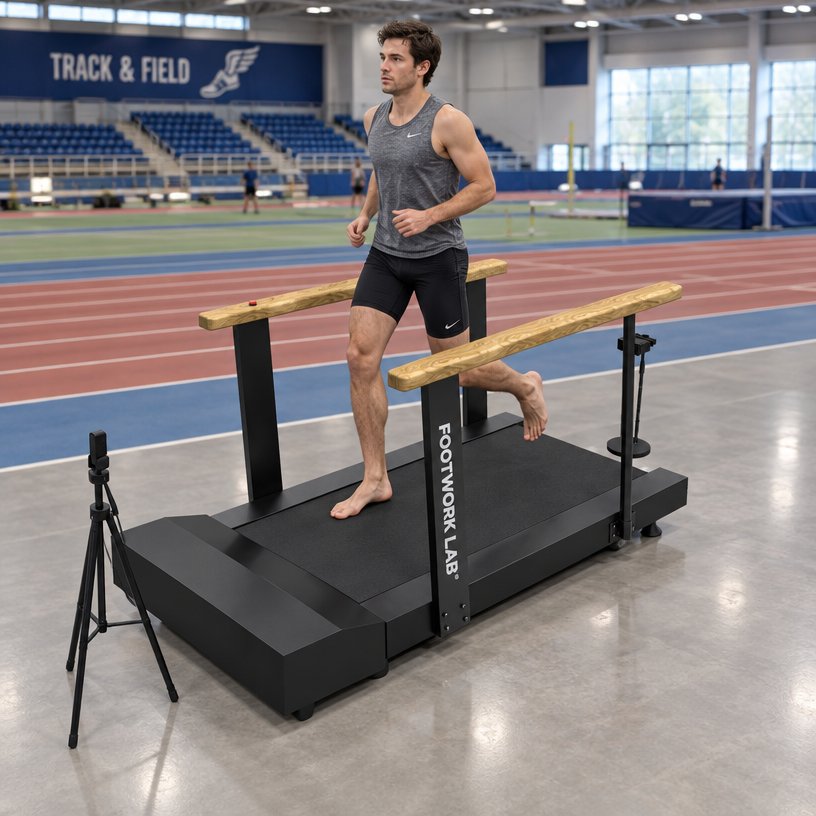
The shaping step uses a heating process. The FAQ states that the insoles are heated for six to ten minutes, that they go into the bottom heating box with the heel facing the direction of the box, and that the two heating knobs are rotated at the same time to improve heating efficiency. The product manual adds that the insoles combine their upper materials with thermoplastic shaping layers molded to each customer’s foot data. So the individual part of the product is a moldable layer, while the rest of the construction comes from the type selected.
Quality checks are described as happening at two points: during manufacturing, and again before leaving the factory, when the machine is tested and the insoles are checked. For buyers ordering samples, the FAQ says insole samples can be shipped within three days, and machine production capacity is listed as three to five units a day for the standard machine.
What the specifications mean for a non-specialist
The material list is the part most worth reading slowly. Depending on the type, the insoles use polyester fiber, Aosolite, ACF, PET thermoplastic fiber and suede, combined with the thermoplastic shaping layers described above. These are named as a set of options rather than a single recipe, and the documents do not say which material appears in which of the thirty-plus types. If a specific material matters to you, that detail would have to come from the supplier directly, because the published pages only give the pool of materials and the fact that the combination varies by type.
The thermoplastic layer is the element that makes the word "custom" meaningful. Thermoplastic means the material can be softened with heat and then holds the shape it cools into. The six-to-ten-minute heating window and the heel-first placement in the heating box are the practical conditions under which that softening happens. The instruction to turn both knobs at once is a note about even heating rather than about the product’s performance.
The categories are not marketing labels in the documents; they map onto stated uses. The Medical range is described as providing rehabilitation care for flat feet, hallux valgus and plantar fasciitis, and as covering pressure relief. The Daily range is described in terms of comfort, stability and shock absorption. The Sports range is listed by activity. Nothing in the materials compares these categories against each other in terms of effectiveness, and no test results or certification numbers appear in the pages provided.
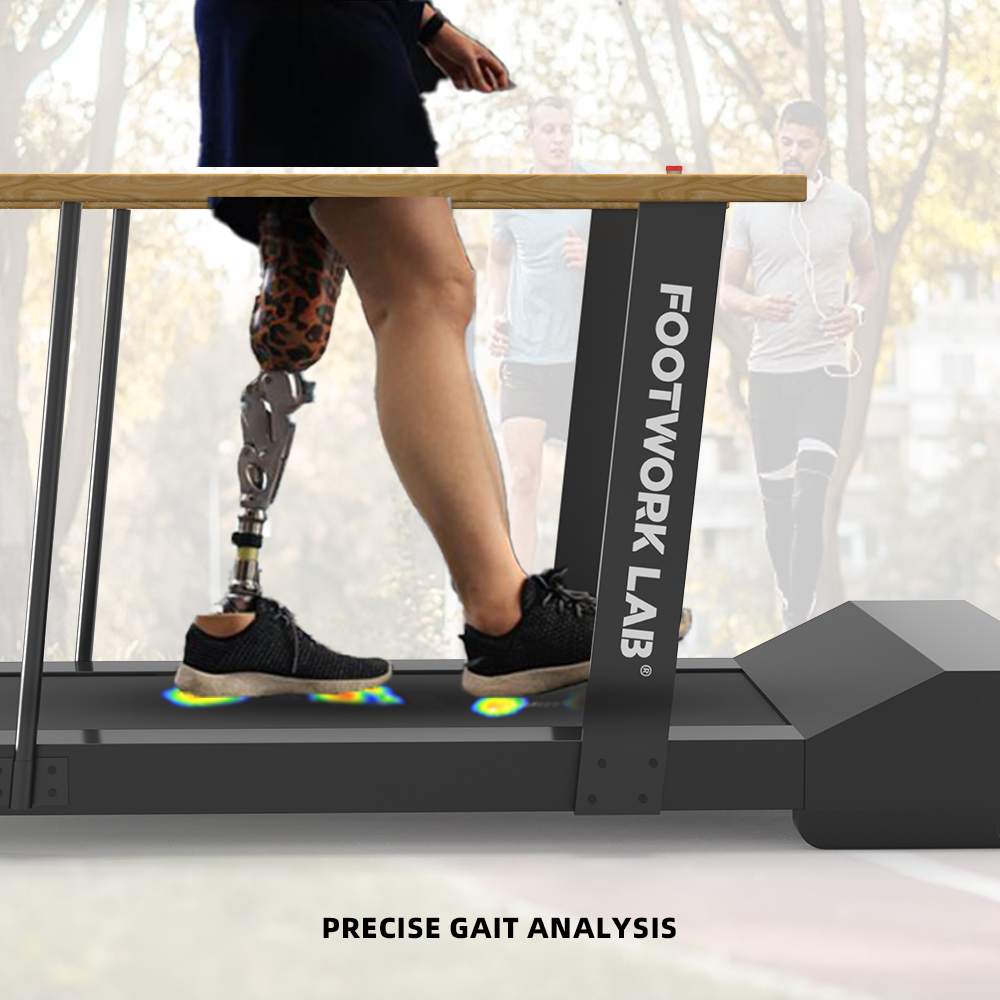
There is also a system note aimed at multi-site operations: the software supports multiple languages, online updates, and one account managing multiple devices, which the document frames as suitable for chain clinics and multi-store operations. That is a statement about administration, not about the insoles themselves.
Is this the right purchase for you?
Start with what you know. If your foot type is already identified and you want a pair shaped to your own foot data, the documented path is straightforward: choose a type from the daily, medical or sports categories, then go through the heating and molding step. If your foot type is not known yet, the FAQ’s own advice applies — test first, then decide about customization. That is an explicit condition in the source, not an optional extra.
The second condition is scale. The FAQ lists a minimum order quantity of 200 pairs for insoles, and notes that those 200 pairs can be mixed across different types and sizes. A machine order has a minimum of one unit. These figures sit in a business purchasing context, so a single consumer looking for one pair is outside what these documents describe. If you are buying for a clinic, a chain or a shop, the same documents mention ODM for the machine and both ODM and OEM for insoles, with the caveat that OEM for the machine is not a one-unit order and has to be discussed separately.
Two situations call for caution. First, if you are buying on the basis of a medical condition, the materials list conditions the Medical range is intended for but give no guidance on who should or should not use it, no contraindications, and no instruction to consult a clinician. That gap should be treated as a gap, not as an absence of risk. Second, if your decision depends on price, this is where the documents stop: there is no price list, no price tiers, and no statement that cost varies by foot type or by style. A buyer who needs that answer has to ask the supplier, because it cannot be read out of the pages summarized here.
Where this information comes from, and what it leaves out
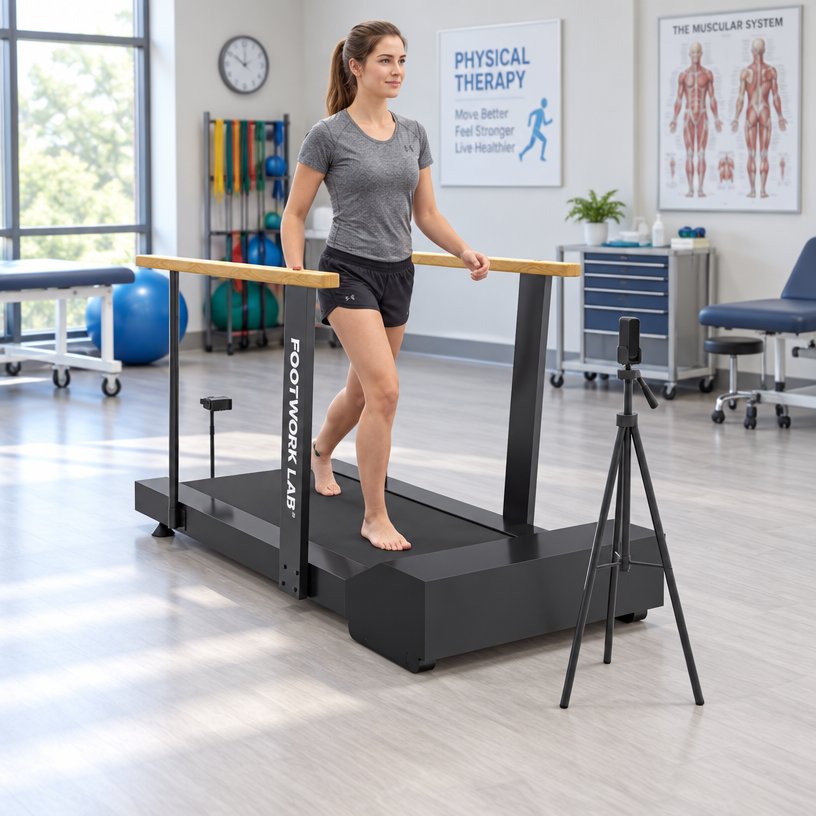
Two documents sit behind this article. The first is a set of product manual pages covering the insole range, the material list, the foot conditions addressed by the Medical line, and the multi-device software note. The second is a compiled FAQ document sourced from the manufacturer’s own FAQ page, dated 2026-11-09, which covers factory status, quality control, minimum order quantities, customization notes and production timing. Both are supplier materials rather than independent reporting, and neither has been externally reviewed.
Several questions a buyer would reasonably ask are not answered in these pages. There is no pricing information of any kind, so the title question cannot be settled from the documents: they organize the range by use category and by foot condition, but they do not say whether price tracks foot type, style, material, order volume or anything else. There is nothing on durability, expected wear time, warranty, returns, or how a pair should be maintained after molding. There is no comparison data, no user feedback and no clinical evidence. Where this article states a number, it is repeated from the source; where the source is silent, the article says so rather than filling the space.
Frequently asked questions
Are custom corrective insoles priced by foot type or by style?
The supplier documents reviewed here do not include prices or a pricing structure, so they do not say whether cost follows foot type or style. What they do show is that the range is organized by category — daily, medical and sports — and by foot condition within those categories. Any pricing question has to go to the supplier directly.
How many types are available?
Three categories covering more than thirty types. Daily insoles are grouped around comfort, stability and shock absorption; Medical insoles cover flat feet, pressure relief, hallux valgus and plantar fasciitis; Sports insoles include basketball, golf, skiing, hiking, running and badminton, among others.
What are the insoles made of?
Depending on the type, the materials include polyester fiber, Aosolite, ACF, PET thermoplastic fiber and suede, combined with thermoplastic shaping layers molded to each customer’s foot data. The documents do not map specific materials to specific types, so that detail needs confirming at the point of order.
How is the heating and molding step carried out?
The insoles are heated for six to ten minutes and placed in the bottom heating box with the heel facing the direction of the box. Both heating knobs are rotated at the same time to improve heating efficiency. This is the step where the thermoplastic layer takes the shape of the individual foot.
Can I order just one pair?
The listed minimum order quantity for insoles is 200 pairs, although those pairs can be mixed across types and sizes. The machine minimum is one unit. OEM service for the machine is not available at the one-unit minimum and requires a separate discussion.
How quickly can I expect samples?
Insole samples can be shipped within three days according to the FAQ. Machine production capacity is stated as three to five standard units per day.