
The demonstration ran forty minutes over a video call, the workflow looked tidy, and the order was placed the same week. Six weeks later the platform was unboxed in a clinic that turned out to have a door where the walkway needed to be, a socket on the wrong wall, and an operator who had never been told what a settled walking pass looks like. None of that appeared on the call, and none of it was the machine’s fault. A screen carries the interface, the sequence of steps, the report as it prints, and the voice of whoever is presenting. It does not carry the weight of the machine, the footprint of the room it needs, or the feel of standing barefoot on a surface while someone talks. Buyers who type foot scanner remote demo into a search bar are usually already halfway to a decision made at a distance — a distributor who cannot fly out that quarter, a clinic owner who cannot close the practice for a week. This article works through what a remote evaluation can genuinely settle, what it cannot, and what has to be written down before a machine that was never seen in person is allowed into a treatment room.
What a screen carries, and what it drops
A video call is good at carrying software, and most of what a buyer needs to judge first lives in the software. The session flow can be walked through in real time: the standing pass, the walking passes, the way a record is accepted or discarded, the report as it builds and prints. The report itself can be held up to the camera page by page, with every named item explained. None of this requires the buyer to be in the building, and none of it is diminished by the distance. A supplier who is comfortable showing these things live, unedited, at an unscheduled moment is telling the buyer something useful about how their product behaves day to day.
What the screen drops is everything physical. The depth of the platform and how its edge meets the floor, the grip of the walking surface under a damp foot, the sound the machine makes in a quiet room, how much floor the walkway really demands, where the camera has to stand and what it sees — these are properties of objects and rooms, and a camera flattens them. A room that looks generous behind a presenter turns out to have a pillar exactly where the approach run needed to be. A platform that looks slim on screen may still be a two-person lift up a flight of stairs the buyer has not measured yet.
The consequence is a clean division of labour that experienced buyers write down before the call even starts. The screen answers how the workflow runs and what the report holds. The room answers whether any of it fits, and the room can only be answered with a tape measure and a walk-through on the buyer’s side. A good supplier says plainly which questions belong to which side of the line, because the alternative is a delivery day full of answers that were available earlier and never asked for — and the whole evaluation is easier to replay later if the call itself is recorded, with permission, and the report pages are screenshotted rather than summarised from memory.
Who should be on the call, and what to ask for beforehand
The value of a remote demonstration depends less on the script than on who is holding the machine. A sales presentation and a working demonstration are different events, and the buyer should ask directly for the second one: whoever operates the platform daily, or the engineer who commissions it, on camera, in the room where it actually stands. A presenter who can answer “what happens when the customer cannot settle on the first pass” from experience, without checking with anyone off-screen, is worth more than a polished deck. The question to ask the supplier is not whether they can do a call but who will be on their side of it.
The agenda should be requested in advance, and it should be the buyer’s agenda, not the supplier’s. Three items belong at the top: one complete live session with a real person walking, the report from that session shown unedited, and the failure states — what the screen does when a pass is abandoned halfway, when a customer steps off the edge, when the operator has to restart. Suppliers prepare impressive weather for demonstrations; the buyer’s job is to ask to see the rain. A supplier who declines to show restart behaviour on camera is supplying information of a different kind.
On the buyer’s side, two people should attend, and they are not the same two who attend sales meetings. One is the person who will operate the machine, because the workflow either makes sense to that person’s hands or it does not, and no brochure settles it. The other is whoever owns the room, who should measure the intended space before the call and have the figures at hand — doorway widths, walkway length, socket positions, ceiling height where the camera would stand. Asking the supplier to talk through the layout against real dimensions converts half the delivery-day surprises into five minutes of conversation.
Timing and connection deserve a sentence each: ask for the call at an hour when the supplier’s showroom is quiet, and ask for a camera that can be moved, so the platform can be seen from the side, from above, and from the walking customer’s eye line. A fixed laptop camera at the far end of a room shows a machine; a moved camera shows an installation.
Ask for a full session, not a slideshow
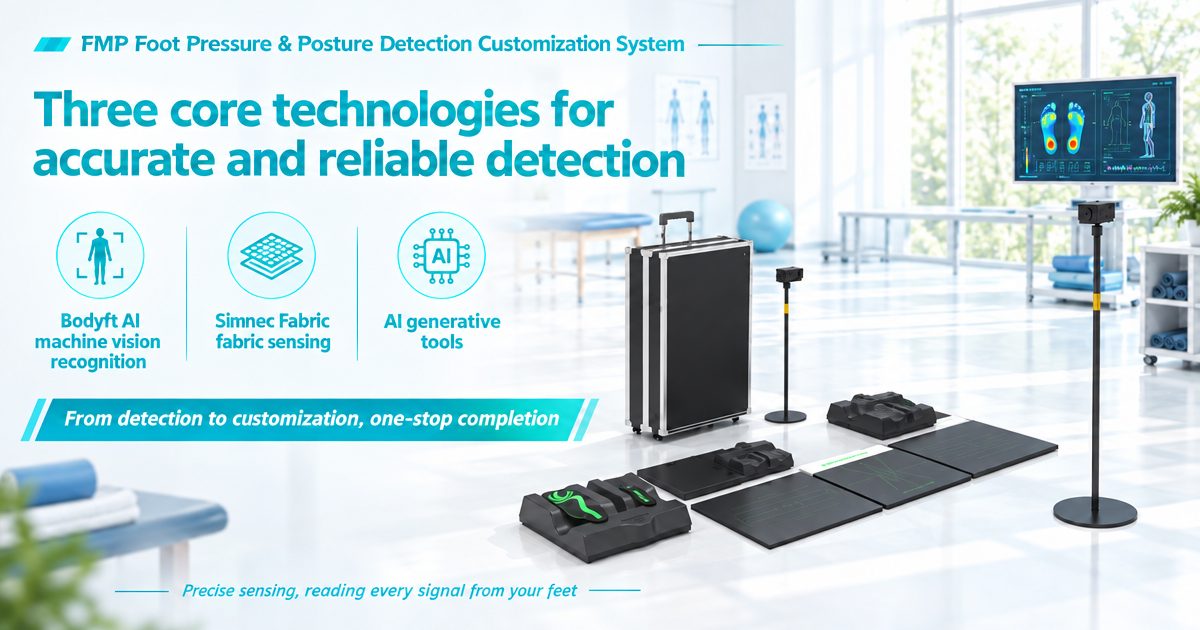
The single most useful request in a remote demonstration is also the simplest: run one complete session on camera, from the customer taking their shoes off to the printout in their hand, without cuts. Watching a trained operator work carries information no slide sequence holds — where the operator stands during the walking pass, how the instructions are worded, how long the customer waits between stages, what gets said while the report prints. The buyer is not evaluating the customer; the buyer is watching the job they are about to hire the machine to support, done properly by someone who does it every day.
Then ask for the awkward versions. A customer who is older and needs a chair within reach. A customer who is heavy through the trunk and slow to settle. A customer whose first pass is hurried and has to be retaken. These are the sessions that will fill the diary in the first month of real operation, and a supplier who can show them without embarrassment is a supplier whose machine has actually met them before. The restart in particular deserves to be watched: how the software handles a discarded pass, how quickly the operator is back to a clean run, and whether the record of the failed attempt lingers anywhere it should not.
The report deserves its own ten minutes, and they should not be shared with anything else. Page by page, with the presenter naming each item and saying, plainly, which lines they explain to customers and which lines stay internal. A report that reads well at a distance can still be a report nobody at the counter can interpret out loud, and that is the version of the report that will actually be used. Ask the presenter to explain it as they would to a first-time customer, not as an engineer explains it to another engineer — and while they are at it, ask what the machine looks like on a bad day, after an update or twenty unwiped customers, because nobody schedules those into a demonstration and the hesitation in the answer is informative.
The questions a video cannot answer
Handfeel is first, and it is irreducible. Whether the surface is comfortable to stand on barefoot for the length of a session, whether its edge feels like a kerb or like nothing at all to a hesitant customer, whether the platform’s height makes stepping onto it an event for an older customer — these are questions only feet can answer. Every buyer who has stood on a platform at an exhibition knows the difference between the version they imagined from photographs and the version under their socks. The remote route has to treat handfeel as an open item, not a closed one, and keep it open until some foot — the buyer’s, a colleague’s, a reference customer’s — has been on the surface.
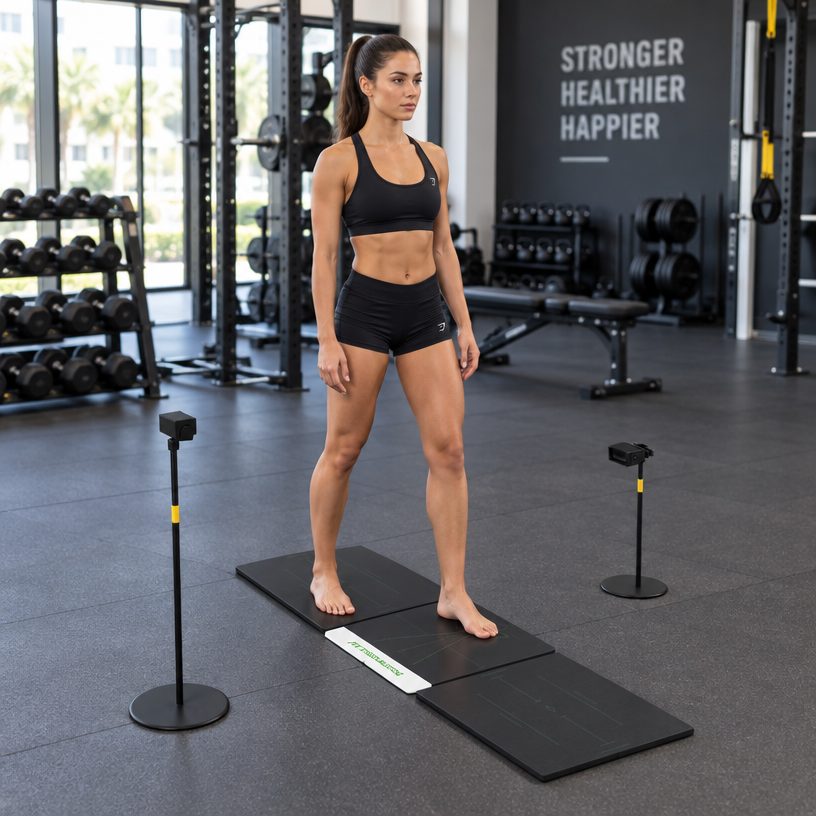
The room is second, and it is the buyer’s half of the division drawn earlier. A pressure session needs clear floor in front of and behind the measurement area, because a step that starts at the edge is a different step from one that arrives mid-stride. It needs quiet, because explanations happen during recording. It needs level flooring and a socket where the equipment will actually sit, not where the socket happens to be. None of this can be audited from the far side of a camera, and all of it can be audited with a tape measure, a phone camera and an hour in the empty room on a Sunday. The buyer who does this before the call spends the call confirming; the buyer who does it after delivery spends delivery day rearranging.
Staff fit is third. A demonstration shows one trained operator working smoothly, and the buyer’s mind quietly substitutes their own person into the picture. The substitution is a mistake. Some operators take to a new workflow in a morning; others need a week and a set of printed scripts before their sessions look like the demo. The honest way to handle this at a distance is to watch the operator on the call and ask, separately, what training and what support the supplier provides until an untrained person reaches that standard — which is a question about the supplier’s after-sales structure, not about the machine.
Samples, trials and the fair as a middle path
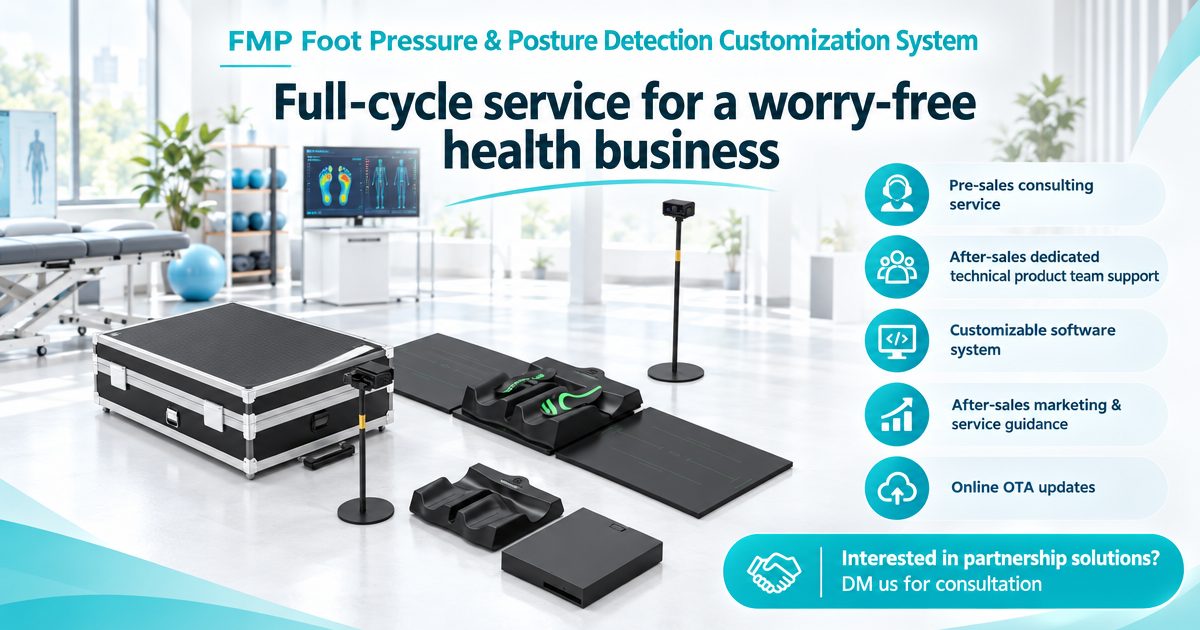
Machines do not travel as samples in the way small goods do, and buyers used to requesting a sample unit should know how the ground lies. Our minimum order for a machine is one unit — there is no sample machine in the usual sense, and a supplier who offers to ship a platform as a “sample” is, in practice, starting a sale. The realistic trial options sit elsewhere: stand on the machine at an exhibition, arrange a visit to see a working installation, or accept that the trial question will be answered in the first week of ownership and protect that week in the contract. Naming the options honestly is more useful than pretending a trial can be improvised.
The exhibition remains the best middle path, and it is why we keep showing at the Canton Fair and at the trade events in Dubai, Vietnam, Brazil and Hong Kong. Three minutes standing on a platform answers questions no call can: the feel of the surface, the height of the step, the width of the standing area, the sound of the room around it. A buyer who can attend one fair and stand on their shortlisted candidates has settled the handfeel question for the price of a morning. The trade-off is that fairs compress everything — noise, queues, a standing pass taken in business shoes — so the fair confirms feel, and the remote call remains the place where workflow and report are examined properly. We have written separately about what a three-minute demonstration at a stand can and cannot settle.
It is worth noting where the sample logic does work at a distance: on the insole side of a combined programme. Sample pairs leave our plant within three days, so a buyer evaluating a machine-and-insole offering can hold the insole side in hand — check the finishing, the cover fabric, the marking — while the machine side is being evaluated on screen. For buyers who can attend neither a fair nor a reference visit, ask the supplier directly whether a live call from a working customer’s site can be arranged with that customer’s consent; what the buyer should not accept is showroom footage relabelled as a site visit, because a working site shows the machine after a year of use, which is the version of the machine the buyer is actually buying. The two halves of the decision move on different clocks, and treating them separately is usually faster than waiting for one combined verdict.
Delivery, acceptance and what the contract has to carry
When the machine was never seen in person, the contract does the work the visit would have done, and it should be written with that in mind. The delivery window belongs in it, stated in weeks, with the shipping mode named — express freight runs six to seven working days from our plant, air freight ten to twelve days, and sea freight thirty to thirty-five. The mode matters more than buyers expect, because sea freight to a clinic that planned its quiet week around installation is a calendar collision nobody enjoys unwinding. The room readiness date and the shipping date should be chosen against each other, not independently.
Acceptance is the clause worth the most attention. Written well, it says what “accepted” means in observable events: the machine installed where it was planned to sit, a complete session run on it, a report printed from that session, and the named operator trained to run it unaided. Written poorly, acceptance is a signature on a delivery note, which records that a box arrived and nothing else. Buyers working at a distance should also know what has already happened before shipping: every unit leaves our plant after seven days of testing, so the factory-side checks are done; the on-site acceptance is confirming the journey and the room, and it should be written as if the room were a stranger, because at a distance it is.
After-sales structure belongs in the same document rather than in a verbal assurance. Ours works like this: a dedicated WhatsApp group per customer, with engineers reachable directly rather than through a ticket queue, remote assistance for anything software-side, and over-the-air updates when the machine is connected. The boundary to understand before signing is what remote support can and cannot reach — settings, software behaviour and questions can be handled from another country; a damaged component needs a part, and the warranty terms decide what that costs. We run a twelve-month warranty with free parts for non-human damage, and the buyer’s job is to make sure the words in the contract match the words in the emails, because at a distance there is no salesperson’s handshake to fall back on. How that relationship works in practice after the warranty’s first year is covered in what the second year of ownership needs. One more clause earns its place beside these: the training commitment — who trains the operator, for how long, in what language, and what happens when a second employee is hired six months later, because training is the part of a remote purchase most easily under-specified and most expensively rediscovered.
Where the remote route sits alongside the fair
The remote demonstration is a second choice, and that is not a criticism of it: it is a different instrument with a different resolution — high on software, workflow and documentation, low on feel, room and staff fit. The practical sequence we see work: gather candidate machines, send every supplier the same list of questions, watch each demonstration against that list, and keep the answers side by side in writing. A comparison table earns its keep here because demonstrations blur together — by the third call, “which one had the balance trial” is a question memory cannot be trusted with, which is why we recommend the discipline described in our piece on holding two candidate machines against the same table, and the method is the same whether the demonstrations were live or remote.
Keep an unresolved list, and do not let it close early. Handfeel, room fit, staff fit — the three questions a screen cannot carry — should sit on a written list with a resolution plan beside each: stand on a platform at a named fair, measure the named room on a named date, watch the named operator work for an hour after training. An item without a plan is the one that becomes a delivery-day surprise. Most of the installation problems we are asked to help with remotely were not caused by machines; they were caused by questions that were answerable in advance and skipped because the demonstration was pleasant. Decide what evidence would change your mind, make sure the process produces it, and the machine that arrives will be the machine that was chosen — which is the entire point of evaluating before buying.
Frequently asked questions
Can a remote demo replace seeing the equipment in person?
Not entirely, and it should not try. A call settles the workflow, the report and the supplier’s manner; it cannot settle how the surface feels underfoot, whether the machine fits the room, or how your own staff take to the routine. Treat the remote demo as the larger half of the evaluation and close the remaining questions with a tape measure and, where possible, a fair floor.
What should we ask the supplier to prepare before the call?
Three things: one complete live session with a real person walking, the report from that session shown unedited, and the failure states — what happens when a pass is discarded or interrupted. Ask for the daily operator or the commissioning engineer on camera rather than a rehearsed sales presentation, and ask for a movable camera so the platform can be seen from several angles.
Can we trial the machine before committing to an order?
Machines are not shipped as samples; our minimum order for a unit is one machine, so the trial question is answered at an exhibition, at a reference installation, or in a first week of ownership protected by written acceptance criteria. Sample pairs of insoles are a different matter — those leave our plant within three days.
Is a hurried walking pass visible on the report?
Not as an error, which is exactly why it matters in a demonstration. A hurried customer produces a page that still prints with named values, and only an operator who has been trained to watch the approach will recognise it. Ask the supplier to demonstrate a discard-and-restart on camera, because that is where the operator’s training shows.
What should the contract cover when buying unseen?
The delivery window with the shipping mode named, acceptance defined as observable events — installed, session run, report printed, operator trained — the after-sales structure in writing, and the training commitment for the first operator. Every unit leaves our plant after seven days of factory testing; the on-site acceptance is confirming the journey and the room, and it should be written accordingly.
What support continues after installation?
A dedicated WhatsApp group with direct engineer access, remote assistance for software and settings questions, and over-the-air updates when the machine is connected to the network. Remote support handles configuration and questions; a damaged component needs a part, which is what the twelve-month warranty with free parts for non-human damage is for.
How long does shipping take?
From our plant, express freight runs six to seven working days, air freight ten to twelve days, and sea freight thirty to thirty-five days. Choose the mode against the room’s readiness date rather than the calendar in general — sea freight to a clinic that booked its quiet week around installation is a collision worth avoiding at the quotation stage.
What we would do next
Write the unresolved list before the second call, not after delivery: handfeel, room fit, staff fit, each with a named way it will be closed. Then read the unboxing sequence before the machine ships, because the first hour on site goes more smoothly when someone has already seen what to check before the packaging comes off. The full session flow and report items for the platform itself are described on the FMP product page.
This article is intended for professional and educational reference. It is not medical advice. Foot assessment equipment produces measurements and images; clinical interpretation and any decision about care remain the responsibility of a qualified professional. Certification scope is limited to the documentation we hold: European Union certification and ISO quality system certification.