
A distributor places a first order for custom insoles, then adds the sentence that changes the schedule: can you put our logo on them? The answer is yes — insole production is ODM and OEM, and branding, colour and packaging are ordinary parts of the work. But the honest answer also includes what custom insole branding lead time adds: the question is not whether a private-label order can be made, but where the days go once a print job joins a manufacturing job. This article walks through that schedule from the inside. It covers what changes on the line when a logo and a colour join the specification, which questions on the order sheet decide the dates before production starts, why the sample pair exists, what a production window looks like at real capacity, how mixed-size batches are packed so nothing gets swapped, and which shipping options partners plan their launches around. The thread running through all of it is simple: a private-label order is two jobs in one — a build and a print — and the schedule makes sense only when both are planned from the same first day.
The order that starts as a build and ends as a schedule
Most first conversations with a partner begin where they should: with the product. Which insole models, which sizes, which markets, what the builds need to do for the customers who will wear them. That conversation produces a build specification, and at the factory end the build specification is the easy part — it runs into capacity that exists, materials that are stocked and a process the team runs every day. If the order ended there, the schedule would be short and boring, which is what a production team wants a schedule to be.
Then the branding conversation arrives, and it arrives with a different character. Logo placement, logo colour, top cover colour, packaging design, whether the partner’s name appears on the box as well as the insole — none of this touches the structure of the build, but every item introduces a dependency the plain order did not have. A colour needs confirming against something. A logo needs a file, and files arrive in states ranging from print-ready to a photograph of a business card. Packaging needs decisions nobody in the first meeting thought about. None of this is difficult. All of it takes days, and the days are the subject of this article.
The partners who receive their goods on the date they expected are, almost without exception, the ones who treated the branding as part of the order rather than an extra. They sent artwork with the order sheet. They answered the packaging questions in the same reply. They approved the sample quickly. Nothing about their schedule was lucky; it was planned from the same first day as the build, which is the habit this article is trying to spread.
What actually changes when a logo joins the specification
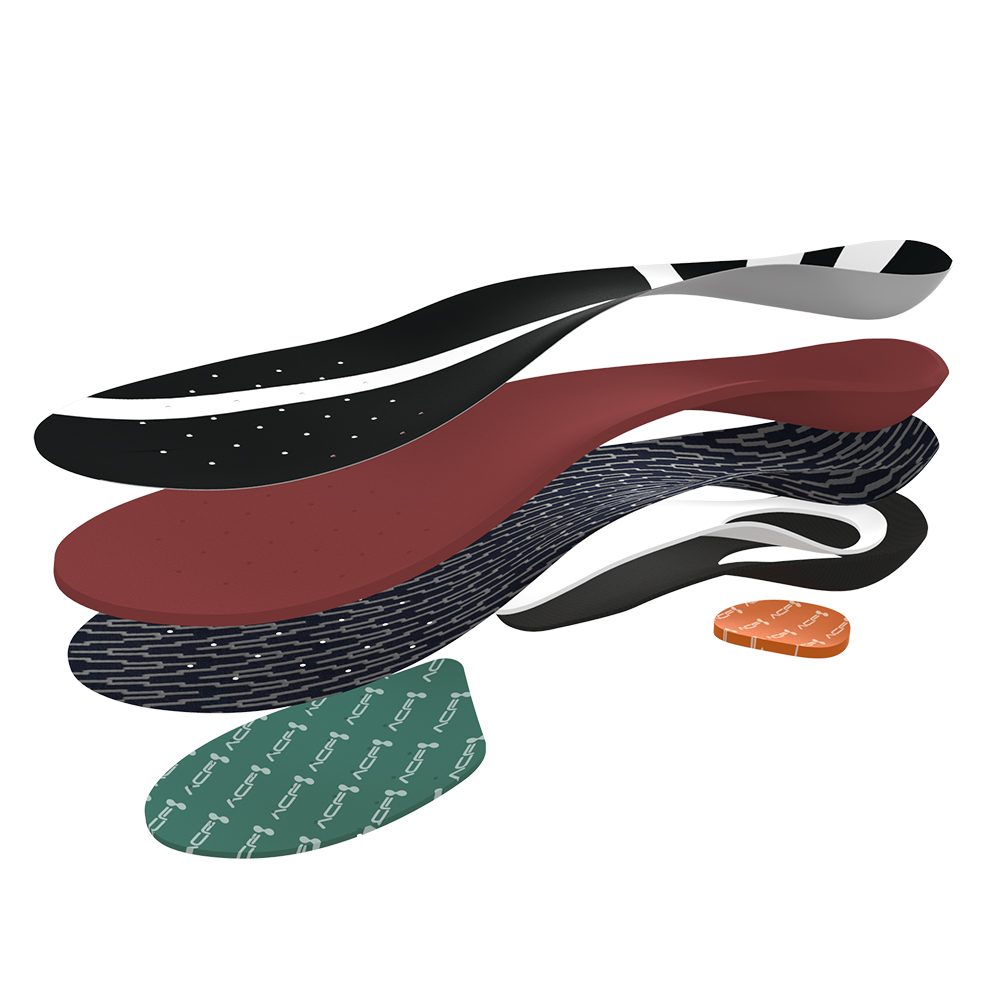
Walk the line and the changes are visible but modest. The build itself — the shape, the arch work, the layering — proceeds as it does for any order, because the foot does not care whose name is on the top cover. The differences concentrate at two points. The first is the top cover: a branded order may use a specified colour rather than the stock shade, and the cover material for that colour has to be on hand before the batch reaches the covering station. The second is marking: a logo printed, embossed or stamped onto the pair, at a position agreed in advance, using artwork that has been approved in the sample stage rather than improvised mid-run.
What does not change is worth stating too, because buyers sometimes assume branding means a separate production route: the same machines, the same team, the same quality checks, the same seven days of testing that every batch goes through before anything leaves the plant. A branded pair is not made differently; it is made with two additional inputs — the colour confirmation and the approved artwork — and the schedule question is entirely about whether those two inputs are ready when the line needs them.
This is also the point where the factory’s own boundaries belong in the conversation. We do the insole production and the marking, and we hold our own certification for the plant and the process. What we do not do is promise outcomes about the product in the market, quote figures we cannot stand behind, or accept artwork that infringes someone else’s rights — a check that sounds bureaucratic until it saves a partner from a customs problem in his own market. Saying so early keeps every later date honest.
The order sheet questions that decide the dates
Before a branded batch can start, the order sheet has to answer a short list of questions, and each unanswered one becomes a delay somewhere in the middle of the schedule rather than at the start. What logo, and in which file format — a vector file prints cleanly; a low-resolution image borrowed from a website does not, and the difference surfaces days later when the print team opens the file. Where does the logo sit on the pair, and how large. Which colour for the top cover, specified against what — a physical reference, a colour name from the partner’s own brand book, or a decision to leave covers stock. What does the packaging say, and who supplies it.
The most useful thing a partner can hear at this stage is what the production team actually does with each answer. The colour decision drives a material purchase, which has its own clock. The artwork decision drives a proof, which wants a reply. The packaging decision drives an order of boxes, which — for a first order especially — may come from a packaging supplier rather than our own shelves. Each of these runs in parallel with the rest of the schedule, which is why answering them together, in one reply, compresses the calendar more effectively than any amount of pushing on the production floor later.
Our article on what the order sheet has to answer before a batch can start covers this stage question by question, and the pattern it describes holds for private-label work as much as for a plain clinic order: the sheet is not paperwork, it is the schedule in written form. A partner who fills it out completely has, without noticing, planned most of the lead time already.
Samples first: what the sample pair is for
For branded orders, the sample pair carries weight it does not carry in ordinary work, because it is the one moment in the schedule where the partner sees the logo and the colour in the material rather than on a screen. Sample pairs ship quickly — within days of the specification being agreed — so the loop is short: the sample goes out, the partner sees it under the light in his own shop rather than in a factory photo, and either confirms or returns one concrete correction.
What the sample stage is for decides what it is not for. It is not a chance to restyle the order; the build was specified earlier, and the sample is the proof that the specification was understood. It is the chance to settle the two things branding added: is this the colour, in this material, under real light, and is the logo at the right size and position to survive the way the pair is actually handled. A partner who writes back with covered in blue, correct; logo slightly higher, please — has finished the entire approval in one reply, and the batch starts the day the confirmation lands.
The partners who lose days here are rarely indecisive people; they are busy ones. A sample arrives during a trade fair week and sits unopened, or it gets a verbal reply on a call that never reaches the production team in writing. The factory’s side of the fix is to keep the question narrow — confirm the colour and the logo, one line is enough. The partner’s side is to treat the sample reply as the gate it is, because nothing downstream moves until that line arrives.
Inside the production window
With specification confirmed and sample approved, the batch enters the schedule, and the honest description of capacity is a range rather than a promise: the line runs at the order of a thousand pairs a day across the insole workshop, and a batch of a few hundred to a few thousand pairs fits inside a production window measured in working days, not weeks. The order of magnitude matters less than the shape of the window: material in, covering and marking in sequence, quality checks, packing, out — a flow the team repeats daily, with the branded steps sitting inside it rather than around it.
Minimum order quantities fit the same picture, and partners ask early: a machine order starts at a single unit, but insoles are a production product, and the minimum order for a custom insole batch is a few hundred pairs — which can be mixed across models and sizes. That mixing matters most for a first order, because it lets a partner test several models and a spread of sizes in one batch instead of betting the whole order on a single guess about his market.
What eats days inside the window is rarely production itself; it is waiting for an input nobody chased. A colour material on order, an artwork revision nobody confirmed in writing, a packaging supplier whose own date slipped. The factory side runs a daily rhythm against the order sheet precisely to catch these early, and a partner who keeps his WhatsApp group active — the dedicated support group that comes with an order — sees the same rhythm and can unblock a question in an afternoon instead of a week.
Packing a mixed batch so nothing gets swapped
The end of the line has its own discipline, and for private-label orders it carries the partner’s name on it, which raises the stakes of getting it right. A mixed batch — several models, a spread of sizes — leaves the packing station as labelled boxes that a receiving team in another country will open without the person who packed them in the room. Our article on packing a clinic order so nothing gets swapped covers the method: matched pairs kept together, model and size on the box in the partner’s own labelling scheme where one exists, and a packing list that lets someone at the far end verify the delivery without opening every carton.
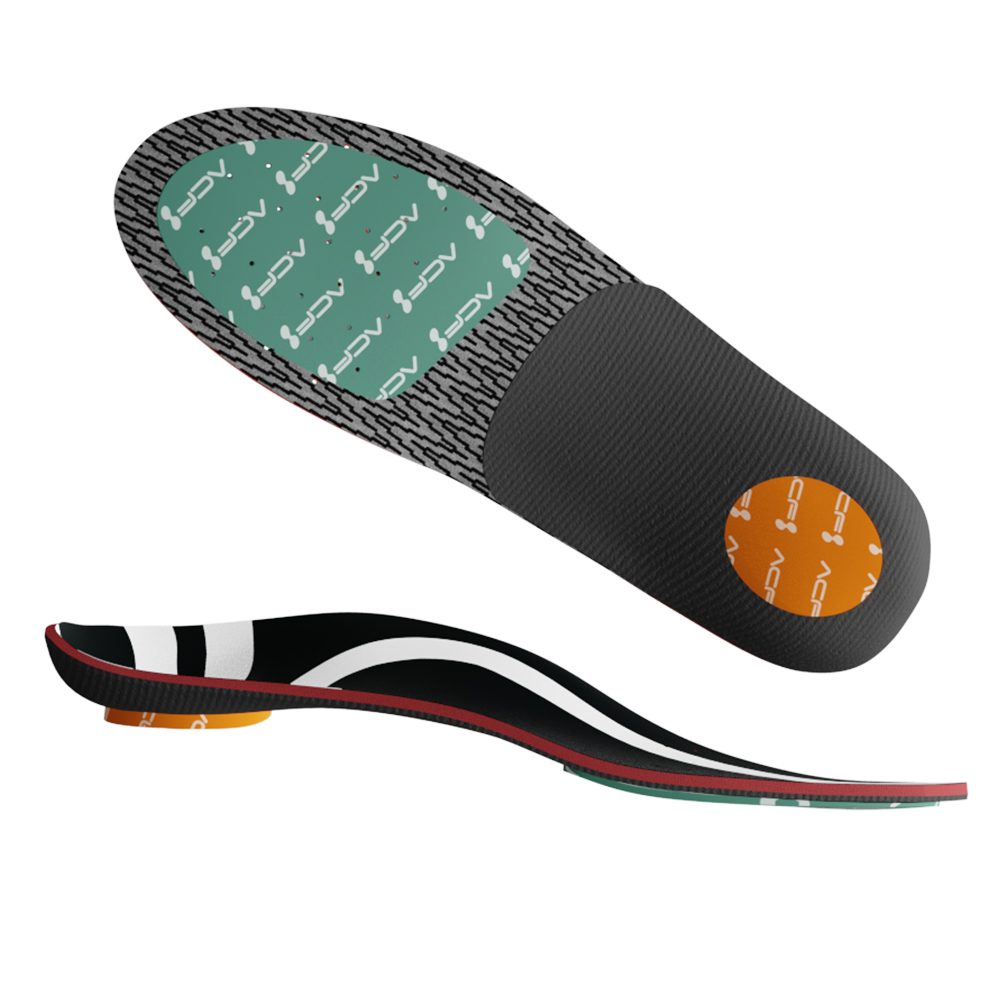
Branding adds one more layer: the partner’s logo appears on the retail packaging his customers will see, so packing doubles as the first check on the print itself. Covers are checked against the confirmed sample, logos checked for position and clarity, boxes counted against the packing list. A private-label delivery that arrives with a mislabelled carton has already failed in a way no production stat can repair, because the first thing the partner’s own team sees is the mistake.
The practical habit worth copying from experienced partners: they send their labelling scheme with the order sheet, not after production. A page describing how models and sizes are coded in their own warehouse turns the packing step from a guess into a specification, and the delivery lands ready to be shelved. Moulds, build files and the artwork all get archived against the order for the reorder that usually follows, as described in our piece on keeping moulds and files findable for the next build.
Shipping choices and the dates partners plan around
The last stage of the schedule is transport, and the honest framing is that the factory hands the goods to a carrier and the calendar changes character: express delivery to most markets lands in roughly a working week or slightly more, air freight takes somewhat longer, and sea freight — the choice for large restock orders where the date matters less than the freight cost — takes on the order of a month and more depending on the lane. These are descriptions of the usual flow, not commitments, because customs, weather and carrier schedules belong to nobody in the factory.
Partners plan launches around this differently, and the pattern worth copying is the buffer. A partner who wants stock on the shelf for a season books the order far enough back that the production window, the sample loop and the slowest reasonable shipping scenario all fit without anyone rushing. A partner ordering a first batch to test the market usually ships express, because the goal is answers about the product rather than the cheapest freight. Neither approach is wrong; the mistake is choosing the shipping mode after production ends, when the only remaining lever is paying for speed.
The factory’s own contribution to this stage is information rather than promises: a delivery window stated as a range, a tracking number the day the goods leave, and a support group where the shipping question can be asked in one message and answered the same day. Everything beyond that belongs to the carrier, and a schedule that leaves room for the carrier’s own variance is the one that survives contact with a real season.
Frequently asked questions
Can you produce insoles with our own brand, logo and packaging?
Yes. Insole production is ODM and OEM, which covers the build, the marking and the packaging under your brand. The schedule works best when the artwork and colour decisions arrive with the order sheet, so the sample can carry the real logo and the batch can start without waiting on approvals.
What does branding add to the lead time?
Mainly the approvals: a colour confirmation, an artwork proof and, for a first order, packaging sourced or specified. When those arrive together at the start, the branded batch runs inside a schedule close to a plain order. When they arrive piecemeal, each one becomes a waiting period somewhere in the middle of the window.
Why is there a sample pair before the batch?
The sample is the one moment the partner sees the logo and the colour in the real material under real light, and it ships within days of specification. One written confirmation — colour correct, logo position right — starts the batch. Changes requested after the sample loop ends cost more days than the sample ever saved.
What is the minimum order for custom insoles, and can it be mixed?
Insole orders start at a few hundred pairs, and the batch can be mixed across models and sizes. That mixing is deliberate: it lets a first order test several models and a spread of sizes in one production run instead of committing the whole order to a single configuration.
How fast can you ship, and what decides the mode?
Express delivery reaches most markets in roughly a working week or slightly more, air freight takes longer, and sea freight is the slow option chosen for large restocks where freight cost matters more than the date. The mode should be chosen when the order is placed, not after production ends.
How do you make sure a mixed batch is not swapped or mislabelled?
Matched pairs stay together, model and size are marked on the boxes, and a packing list travels with the shipment so the receiving team can verify without opening every carton. Partners who send their own labelling scheme with the order get their delivery packed ready to shelve.
What support comes with an order after it ships?
Each order comes with a dedicated support group where questions go straight to the team, and where the shipping, documents and reorder questions are answered in the same channel. Production files and artwork are archived against the order, so the reorder that follows starts from the record rather than from zero.
What we would do next
If a private-label order is on your horizon, borrow the habit this article keeps returning to: send the artwork, the colour reference and the packaging decision with the order sheet, and treat the sample confirmation as the gate that starts the batch. The insole categories page shows the range a first mixed batch can cover, our article on what the order sheet has to answer walks the pre-production questions in order, and packing a matched batch so nothing gets swapped covers the end of the line. For partners planning a longer relationship, the partner programme page describes how distribution arrangements are structured, and questions about a specific market go fastest through the contact page.
This article is intended for professional and educational reference. It is not medical advice. Foot assessment equipment produces measurements and images; clinical interpretation and any decision about care remain the responsibility of a qualified professional. Certification scope is limited to the documentation we hold: European Union certification and ISO quality system certification.