
By the last patient of the day, the dentist has not walked very far at all. That is the strange part. The step counter reads a fraction of what a nurse or a shop assistant logs, yet the low back aches, the calves feel dense, and the soles burn in a way that seems out of proportion to the distance covered. Four-handed dentistry is famously efficient for the patient in the chair. For the person leaning over that chair, it is a working day spent almost entirely on two feet planted in one small patch of floor, tilted forward, reaching, holding, waiting.
Dental teams understand occupational strain better than most professions — they teach it, they buy the ergonomic stools, they adjust the chair height for the patient’s sake and then absorb the difference themselves. But the feet are usually the last item on the list, behind the neck, the shoulders and the wrists, even though everything above them is balancing on them. This article looks at what that specific working posture does to a dentist’s feet, what can be changed in the operatory without spending anything, and how anyone in the practice would even begin to assess whether the floor is the problem.
The posture nobody actually chose
Ask a dentist how they position themselves for a procedure and the honest answer is usually: however the tooth requires. The operatory is arranged around access to the oral cavity, which means the operator’s body ends up in a compromise position — trunk rotated a few degrees, head inclined, one arm elevated, weight shifted onto whichever foot gets closer to the chair. Nobody designed that posture. It is negotiated, patient by patient, filling by filling.
The negotiation has a cost, and the feet collect it. When the trunk leans forward, the body’s centre of mass moves ahead of the ankles, and the feet must continuously counterbalance a load that would otherwise topple the whole frame. Standing upright is a modest task for the feet. Standing upright while leaning is a different job entirely: the calf muscles work statically, the forefoot takes load that the heels would normally share, and the arch works against a sideways component it was never asked to handle in a neutral stance.
Then add the rotation. A dentist working slightly twisted, hour after hour, loads the two feet differently — one takes the reach, the other takes the counterweight. Over a clinical day, one foot may carry a strikingly different share than its partner, and neither gets the relief of changing jobs, because the chair does not move to the other side.
What makes this worth writing down is that none of it shows up on the step counter. A dentist can finish a day having “walked” almost nothing while their feet have done endurance work that resembles carrying a packed rucksack in place. Anyone who has wondered why the soles sting after a quiet clinic day, when the cardio log says hardly anything happened, is describing exactly this: load without movement, held still for hours.
Four-handed work means two feet that never move
Four-handed dentistry is a triumph of coordination. The operator works, the assistant anticipates, instruments travel without either person leaving position. The efficiency gains are real and well documented. But look at the feet during a long procedure and you see the trade: both clinicians stay planted. The assistant pivots between tray and mouth in a tight arc. The operator barely shifts at all between the start of the prep and the final polish.
Walking is, among other things, a pump. Each step contracts the calf, squeezes the deep veins, and moves fluid out of the lower leg. Standing still turns the pump off. Fluid gradually settles into the feet and ankles, tissues under the sole bear the same few contact zones continuously, and the small muscles of the arch hold a static contraction for as long as the procedure runs — which, for a molar build-up or a lengthy endodontic case, can outlast most people’s patience anywhere else in life.
Static load also behaves differently from moving load on the skin and soft tissue of the sole. During walking, pressure rotates around the foot: heel, midfoot, forefoot, toes, in sequence, with brief unloading between contacts. During fixed standing, the same patches take the pressure without pause, and the discomfort that builds is the tissue’s way of filing a complaint about the queue.
None of this argues against four-handed work; the technique earns its place. It argues for noticing what the technique asks of the two people standing in it. Between cases, the feet get perhaps the length of a handover. Multiply that by a five-surgery day and you have a working pattern in which the feet are switched on almost continuously and switched off almost never — the opposite of what most other clinic staff experience.
What standing still quietly costs
The evidence of the cost arrives in the evening, described in a handful of familiar ways. Heavy feet. Stiff ankles on the first steps after the drive home. Soles that feel hot or tingling. Sockets of fatigue under the arches. Individually these sound minor; accumulated over a career, they are the reason some experienced dentists would rather sit for a full day of consultations than stand through one surgical list.
Three mechanisms sit underneath those descriptions. The first is fluid shift, already mentioned: without the walking pump, the lower legs swell slightly, shoes fit worse by afternoon, and everything under the sole works against a puffier, less forgiving foot. The second is sustained muscle work. The postural muscles of the calf and foot are built for cycling — contract, release, contract — and static holding fatigues them at a fraction of the time a dynamic equivalent would need. The third is localised pressure. Whatever zones of the sole bear the standing load keep bearing it, uninterrupted, for as long as the clinician stays put.
There is a fourth, quieter cost worth naming: attention. Discomfort from the feet competes with fine motor work. A clinician managing an aching stance midway through a long case is spending a share of concentration on their own body that they would rather spend on the tooth. Most dental professionals manage this so automatically that they stop noticing — which is precisely why it rarely gets raised as a workplace issue until someone’s feet have been complaining for years.
The point of listing mechanisms is not to alarm anyone. It is to make the evening symptoms legible: they are not vague tiredness, they are the predictable output of a specific working posture, and predictable outputs can be worked on.
What can change tomorrow morning without spending anything
Most advice about occupational standing stops at “take breaks”, which is true and useless unless someone decides when. So here is a version a dental practice can act on without buying anything.
First, attach relief to the procedure clock, not the clock on the wall. The natural gaps already exist: after the aspiration changes, between the etch and the bond, while the curing light runs, during the handover to the next patient. The rule is simple — whenever both hands leave the mouth, the weight comes off one foot. Alternate which foot. It sounds trivially small, but it converts one continuous static hold into many short ones, and short holds are what the calf pump was designed for. An assistant can adopt the same rule while pivoting at the tray.
Second, split the stance deliberately. During longer procedures, place one foot half a step behind the other on a slight angle instead of side by side. This shares the load between forefoot and heel differently on each foot and breaks the perfectly symmetrical static hold that tires both arches at once. Some operators find a small footrest bar or the chair’s base takes one foot for part of a case; whatever the prop, the goal is the same — the stance should change at least a few times per hour.
Third, log one honest day. Before changing anything else, note at which hours the feet complain, which foot complains more, and which procedures correspond to the worst patches. That one-day record costs a sticky note, and it turns vague end-of-day fatigue into a pattern that can actually be discussed, adjusted, and checked again a fortnight later.
Shoes, stools and the small furniture of the operatory
Between the posture and the floor sit several pieces of equipment that get blamed or praised without much evidence being gathered. Shoes are the obvious one. Clinical footwear is chosen for infection control, grip and the strictures of the dress code, and only then — if at all — for how it behaves under eight hours of near-static load. A shoe that is forgiving during walking can be merciless during fixed standing, because there is no step cycle to move the pressure around. It is worth asking what the current pair actually does: where the sole compresses, whether the heel is stable during a lean, whether the front of the shoe lets the toes work during the reach.
The stool matters too, though less than its marketing suggests. A saddle or forward-tilted seat changes how much weight rides through the feet versus the seat, and the right setting differs between operators of different heights. The trouble in a shared surgery is that the stool gets adjusted for whoever complained last, which means each clinician inherits someone else’s geometry. A practice that records each person’s settings — seat height, tilt, distance from the chair — removes a whole category of “whose turn was it to be uncomfortable”.
Flooring is the third piece. Hard clinical floors are non-negotiable for hygiene, which is exactly why everything between the sole and the floor has to do more work. Anti-fatigue mats are common at standing desks and industrial lines and surprisingly scarce at chairside; where infection control permits one, it earns its footprint.
None of these changes requires a purchase to begin evaluating. The evaluation starts with the one-day log from the previous section, read alongside what the shoes and the floor are actually doing.
Where an assessment fits for someone who treats all day
Dental professionals assess other people’s bodies for a living, which makes assessing their own awkward. Colleagues are busy, the schedule is tight, and “my feet” competes with actual patients for room in the diary. Still, the same logic that applies to any standing occupation applies here: before changing anything structural, get a measurement of what the stance is really doing.
A pressure platform records how load distributes across each sole — in static stance and through a few steps of walking — and produces a map and force-line picture a clinician can read the way they would read any other measurement. It does not diagnose anything; interpretation belongs to a qualified professional, and for a dentist the sensible move is to have someone else in the loop entirely, precisely because self-assessment is the one examination this profession is worst at performing on itself. The measurement answers narrow, useful questions: do the two feet actually share the work during a simulated working lean, or does one carry it? Where does the pressure concentrate when the operator posture is held? Does the walking pattern differ from the standing one enough to matter?
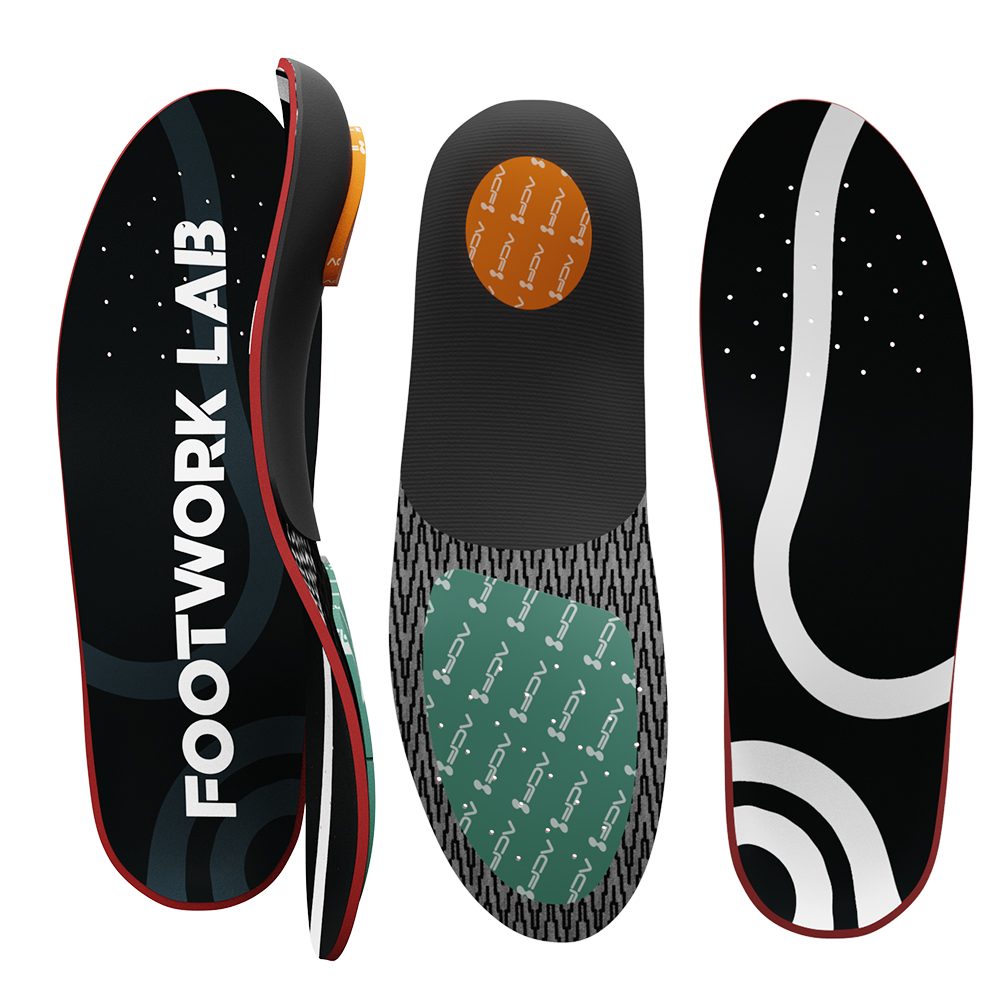
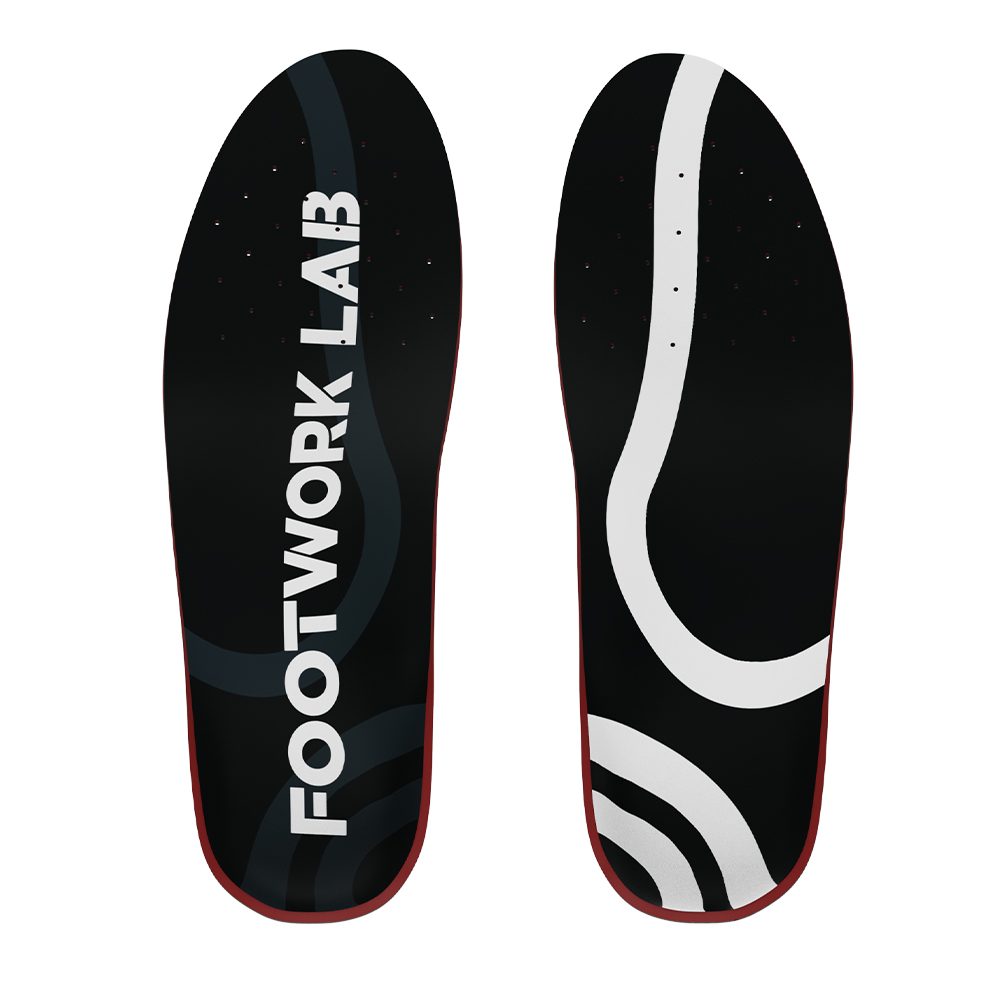
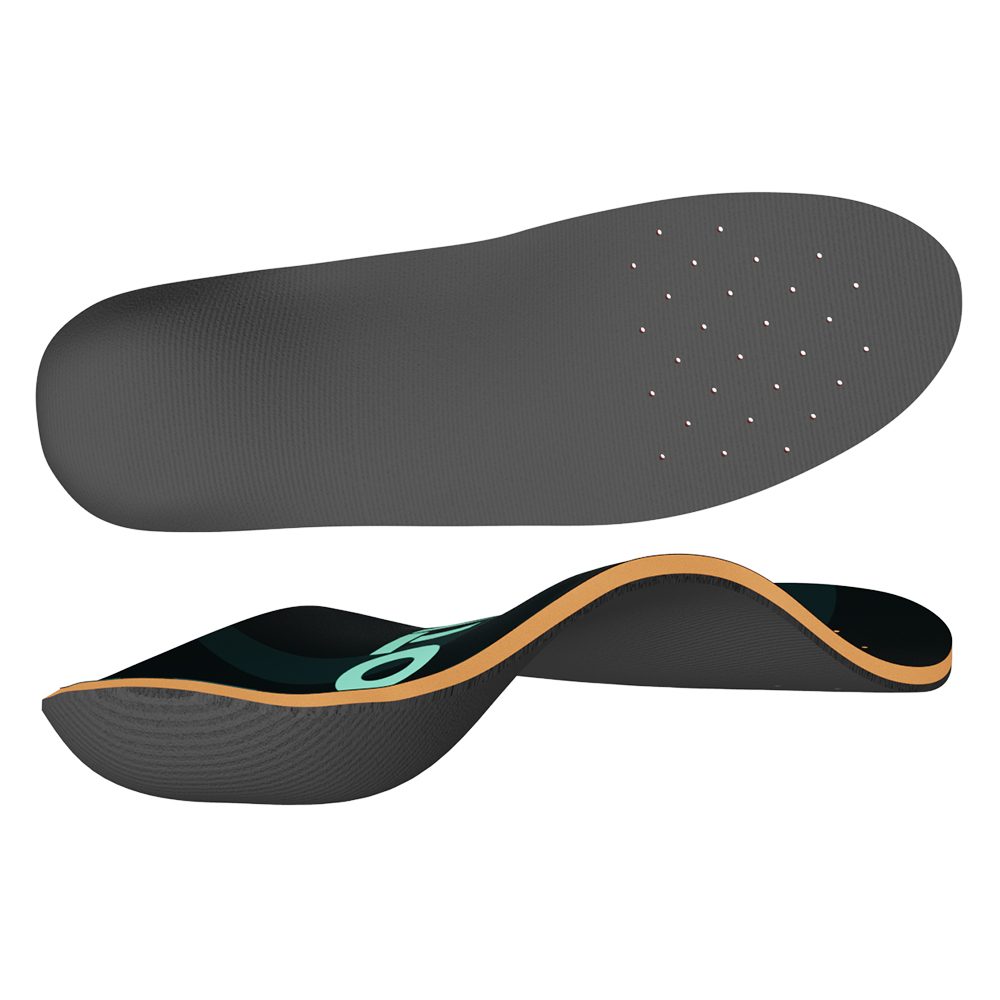
From those answers follow the practical decisions — footwear selection, whether custom orthotic insoles built for that load pattern are worth trialling, whether the stool geometry is part of the story. What the assessment deliberately does not do is promise that any of these changes will fix anything. It puts numbers under a complaint that has usually survived for years on adjectives alone, and for a profession that measures everything else, that is a reasonable standard to hold its own feet to.
Giving any change a fair trial
Whatever comes out of the assessment — new shoes, a rebuilt stance, a first pair of made-to-measure insoles — the trial deserves the same discipline the operatory gives to a new material. Change one thing, run it for a defined period, and judge it against notes, not vibes.
The adaptation period comes first, and it is real. Feet that have held the same compensating pattern for years do not accept new support overnight; the first fortnight of a new pair commonly feels different before it feels better, and a clinician who abandons the trial on day three has learned nothing except that change is uncomfortable. The practical version: wear the new setup for short stretches at first, build up over the first week, and expect the second week to be the fairer test.
Keep the log running through the trial. The same sticky-note format — worst hour, worse foot, worst procedure — now doubles as the comparison instrument. Two weeks of notes against two weeks of notes is evidence a practice meeting can actually use; “the new insoles feel fine” is not.
And set the review date in advance. A fortnight in, then a month in, then decide. If nothing has shifted by then, the honest conclusions are equally useful: either the intervention was wrong for this stance, or the stance itself needs rethinking, or the complaint was never mainly about the feet at all. Each of those outcomes redirects the practice somewhere more productive than another year of the same evening ache.
The wider point is cultural. A clinic that measures its patients’ feet carefully and its staff’s feet never is missing an asymmetry its own team will notice eventually. Treating the operatory stance as something measurable — logged, adjusted, re-tested — costs almost nothing and closes the loop on the most taken-for-granted body parts in the building.
Frequently asked questions
Why do dentists’ feet hurt even though they barely walk during a shift?
Because the load is static rather than moving. Standing still, especially while leaning toward the chair, keeps the same zones of the sole loaded continuously and switches off the calf-pump effect that walking provides. The result is fatigue and swelling that a step counter never reflects.
Are anti-fatigue mats appropriate in a dental operatory?
Where infection control and layout permit, they can take some of the strain out of fixed standing, the same way they do at industrial workstations. The practical check is whether the mat fits the clinician’s working arc without creating a trip hazard or interfering with chair movement.
Is one foot usually doing more work than the other at the chairside?
Often yes, because the operator’s trunk is rotated toward the working field and one foot takes the reach while the other takes the counterweight. A pressure measurement taken in a simulated working posture makes that asymmetry visible instead of leaving it to guesswork.
What kind of footwear suits long static standing in a clinic?
Footwear that keeps the heel stable during a forward lean, lets the toes work during reaching, and behaves well under continuous load rather than a walking cycle. Beyond that, the honest answer is to measure first: the one-day log and a pressure record say more than any general shoe recommendation.
Do custom orthotic insoles help with stand-all-day clinical work?
They are one of the options a qualified professional may consider once a measurement shows how load is actually distributed. They are not a promise of relief, and the fair way to judge a pair is a proper adaptation period with notes taken before and after, not a first impression on day one.
How long should a trial with new footwear or insoles run before judging it?
Commonly a fortnight at minimum, with a review around a month. Feet accustomed to an old pattern usually need an adjustment period, so early discomfort alone is not a verdict. Notes on the worst hour and worse foot make the comparison meaningful.
Should the assistant’s stance be considered too, or only the operator’s?
The assistant’s. Four-handed work keeps the assistant planted and pivoting within a tight arc all day, which is its own static-load pattern. The same habit — shifting weight whenever both hands leave the field — applies at the tray just as it does chairside.
What we would do next
Start with the free experiment: one honest day of notes on which hours and which procedures load the feet worst, then the both-hands-off rule for a fortnight. If the evening symptoms are still writing the same story, a pressure measurement of the working stance gives the conversation something firmer to stand on — and someone else should read it, because self-assessment is the one exam this profession cannot invigilate itself.
Two adjacent reads on this site: surgeons standing six hours in scrubs, whose working day rhymes with a long surgical list, and what the first two weeks with a new pair actually feel like, which is the honest version of any trial period. Both are about the same discipline this article keeps circling: measure the real condition, then give change time to show what it does.
The question we would leave with a dental audience: between patients, does anyone in your surgery actually sit down — and if the answer is nobody, whose job is it in the practice to notice what the floor is doing to the people standing on it?
This article is intended for professional and educational reference. It is not medical advice. Foot assessment equipment produces measurements and images; clinical interpretation and any decision about care remain the responsibility of a qualified professional. Certification scope is limited to the documentation we hold: European Union certification and ISO quality system certification.