
The corridor is dry when she starts it and wet when she finishes, and by the third floor of the evening the mopping has stopped being a task and become a rhythm her legs know better than she does. Contract cleaning hides in plain sight. The work looks light on paper — no heavy lifting, no fixed station, “just walking” — and anyone who has done it for a contract year knows the truth: forward and back along the same strip of tile, out and back to the trolley, up and down stairs with a bucket, wet floors that punish any hurry, and a shift that ends when the building is clean, not when the clock says so. The feet do every metre of it.
This piece is for the professionals who assess these workers: clinic and rehab teams, shoe retailers and orthotic workshops who see cleaners among their customers. What the job actually loads onto a foot, why wet floors change walking in ways worth asking about, what a trolley does that a step counter misses, which questions an assessment should ask, and where the honest line sits between what a record shows and what a professional decides.
The job looks light because the loads are small and constant
Contract cleaning rarely appears on anyone’s list of physically demanding work, and the reason is instructive: none of its individual loads are impressive. No single bucket is heavy. No single corridor is long. No single stairwell is high. The demand of the job is not magnitude, it is accumulation — hundreds of small loads, repeated on hard floors, inside a shift that runs late into the evening, five or six nights a week. A walker crosses the corridor once and forgets it; a cleaner crosses it forty times a night and feels it in exactly the same places, every night, for months.
The rhythm matters as much as the total. Mopping is a metronome work: push the mop away, pull it back, step, turn at the wall, step, push again. Unlike a walk with destinations and natural pauses, the mopping rhythm has no built-in variety — the same stride shape, the same reach, the same forward lean, repeated until the floor is done. Then the cleaner switches mode entirely: walks to the trolley, fills the bucket, drags it along, wrings the mop, and returns to the rhythm. The feet experience two alternating jobs — a narrow repetitive one and a short heavy one — for hours, in footwear that is usually chosen by someone else.
That last detail deserves its own emphasis, because it separates cleaners from most other standing workers. Chefs choose their clogs. Nurses argue about their trainers. Cleaners are often issued footwear by the contract or the site: non-slip shoes, steel-capped in some settings, whatever the safety officer approved. The issued shoe may be right for the wet floor and wrong for the foot inside it. Any professional assessing a cleaner should treat the footwear situation as a finding in itself, not background detail — and should ask who chose the shoes, because the answer changes what the whole conversation can do.
Wet floors rewrite the walk
Ask a cleaner to walk across your assessment floor and you will get a walk. Ask what her walk looks like at the third wet corridor of the night and you will get a different description, because caution rewrites gait from the first stride onto a wet surface. Steps shorten. The foot lands flatter and more deliberately, hunting for grip before committing weight. Toes grip inside the shoe. The pace drops, but the tension rises — every stride is checked before it is trusted. Over a shift, that guarded walking is its own workload, quite apart from the mopping: the muscles that control careful placement are working overtime on a task the walker performs without thinking.
The surfaces add their own character. Polished tile in an office lobby behaves differently from sealed concrete in a car park, and a cleaner’s night usually contains several of them, plus stairs, plus lift lobbies, plus the entrance matting where rain comes in. The professional’s useful question is not “does it hurt” but “which surface does your walk change on” — because the answer tells you where the cautious gait lives, and the cautious gait is where the extra load accumulates. A cleaner who says the tiled shower block changes everything has just described where her night is hardest, in her own words, with no leading from you.
One practical implication follows and it is easy to miss: an assessment that captures only a confident, dry-floor walk is capturing the cleaner’s easiest mode. It is a fair measurement of quiet-surface walking, and quiet surfaces are the minority of her working night. Note on the record that the capture was taken on a dry floor and described to the customer as such, and ask the surface question as part of the history. The record plus the account together describe more of the job than either does alone — and the difference between them is itself worth a line on the sheet.
The trolley is a colleague with bad manners
If the mop defines the rhythm of cleaning work, the trolley defines its interruptions, and the interruptions carry the heavier loads. A loaded cleaning trolley — water tank, wringer, chemicals, cloths, bin bags — is pushed, pulled, dragged over thresholds, held back on ramps and parked in corners the cleaner has to squeeze past. The pushing load runs through the hands, the shoulders and the trunk, but its foundation is the feet: braced, staggered, one behind the other, taking the drive force while the floor underneath may be wet. Every trolley move is a short, heavy, asymmetric effort between the long, light, symmetric stretches of mopping.
Watch how cleaners actually move a trolley and you will notice habits worth asking about. Some drag it behind like luggage, loading one side. Some push it ahead with the weight sunk into the rear foot. Some muscle it backwards into lifts, walking blind. Each habit distributes the effort differently through the feet, and each is stable — a cleaner who has dragged a trolley for two years will drag it for two more, because the habit works and nobody has reason to change it. The asymmetry that a pressure record might show in quiet standing has a working explanation sitting right there in the trolley habits, and the professional who never asked will never connect them.
Then there is the rest of the equipment roster, and each piece adds its own brief: the buffer machine that hums and tugs and asks the operator to ride its vibration with bent knees; the bin bags carried down service stairs because the lift is busy; the vacuum dragged backward out of a corner. None of these is dramatic. Together they mean that a cleaner’s feet rarely get the neutral, empty-handed, level-floor conditions that a standard assessment provides. That is not a flaw in the assessment — it is a reason to record the gap between assessed conditions and actual conditions, and to let the history carry what the record cannot.
What the paper trail of a shift actually says
Contract cleaning has a paperwork culture, and it mostly counts the wrong things for foot purposes. Contracts specify areas, frequencies and standards; timesheets count hours; the occasional audit counts complaints. Nothing in the stack counts metres walked on hard tile, transitions between surfaces, stairs climbed, or minutes spent in the guarded wet-floor walk — which is why the job keeps surprising the professionals who assess its workers. The file says four hours, three buildings. The legs say eight kilometres of corridor, two hundred stairs and an hour of careful placement on wet tile, all of it invisible to everyone except the person doing it.
The split shifts deepen the problem. Many contract cleaners work two sites a day — an office block cleared by evening, a retail space serviced after close — with the travel between them standing on platforms and pavements. The standing total is larger than the contract hours suggest, and it is standing of the worst kind: waiting standing, on hard public surfaces, in the same issued shoes. When an assessment asks a cleaner about her work, the honest shift is nearly always longer than the contracted one, and the difference lives precisely in the transitions the paperwork never recorded.
Two questions recover the invisible part of the job, and they belong in every cleaner’s history. First: “walk me through yesterday, start to finish, including the bits between the buildings” — a narrative question that surfaces stairs, surfaces and trolley habits better than any checklist. Second: “which part of the night do your feet remember?” — because the part the feet remember is where the load concentrated, and the customer has already located it. Write her answer down in her words. A year later, that line will explain more about the file than the timesheet ever could.
What a good assessment asks a cleaner
The standard assessment flow works for cleaners as well as anyone, but the history around it decides whether the record describes the job or just the person. Before the capture, four questions earn their space. Who chose the shoes — the worker or the contract — and how old are they, because issued non-slip footwear is often worn far past the point where its grip pattern and its cushioning have quietly diverged. What does the shift actually contain — surfaces, stairs, trolley, machine, between-building travel — asked as a walk-through, not a tick-list. When does the standing start and stop, including the unpaid in-between. And what do the feet remember at the end of the night, in the customer’s own words.
During the capture, hold the ordinary rules: barefoot or shod decided in advance and kept consistent, own-pace instruction given once and repeated word for word, a fair static record and a fair dynamic one, and the conditions written on the sheet at the time. Add one cleaner-specific note: if the customer’s work shoes were brought in, capture in them as well if the room’s protocol allows a second condition, because the issued shoe is part of the working system the way a saddle is part of the horse. A record of the foot alone, with the shoe treated as furniture, describes half the job.
After the capture, the conversation has one more job: separating what was measured from what it might mean. The record shows how load sat under the foot during the captured moments — standing, walking, in whatever footwear was decided. What it means for this specific cleaner, on her specific surfaces, in her specific shoes, is the professional’s interpretation, and the customer deserves to hear that boundary stated plainly rather than implied. Cleaning companies send whole teams to assessments; the teams talk. The customer who understood her own record is the one who explains it to the rest of the crew in the staff room, accurately.
What the record can promise, and what only the professional can
The measurement itself is on solid ground and worth describing confidently: how the cleaner’s weight distributed across her feet in quiet standing, how the load moved through contact as she walked at her own pace, and whether the two feet behaved like each other. Those are honest outputs, captured in minutes, and they give the professional something concrete to read alongside the history — the surfaces, the trolley habits, the issued shoes, the part of the night the feet remember. Measurement first, meaning second, in that order, every time.
The meaning-making belongs to the qualified professional, and the boundary matters more with this audience than most, because contract cleaners arrive at assessments sceptical. They have been sold inserts from a dispenser, told their shoes are the problem, told their posture is the problem, and told, mostly, nothing at all. What earns their trust is an adult conversation: here is what was measured; here is what the measurement cannot say on its own; here is what the combination of record and history suggests is worth doing, and what it does not. An assessment that promises the night shift will stop being tiring has promised something no measurement supports.
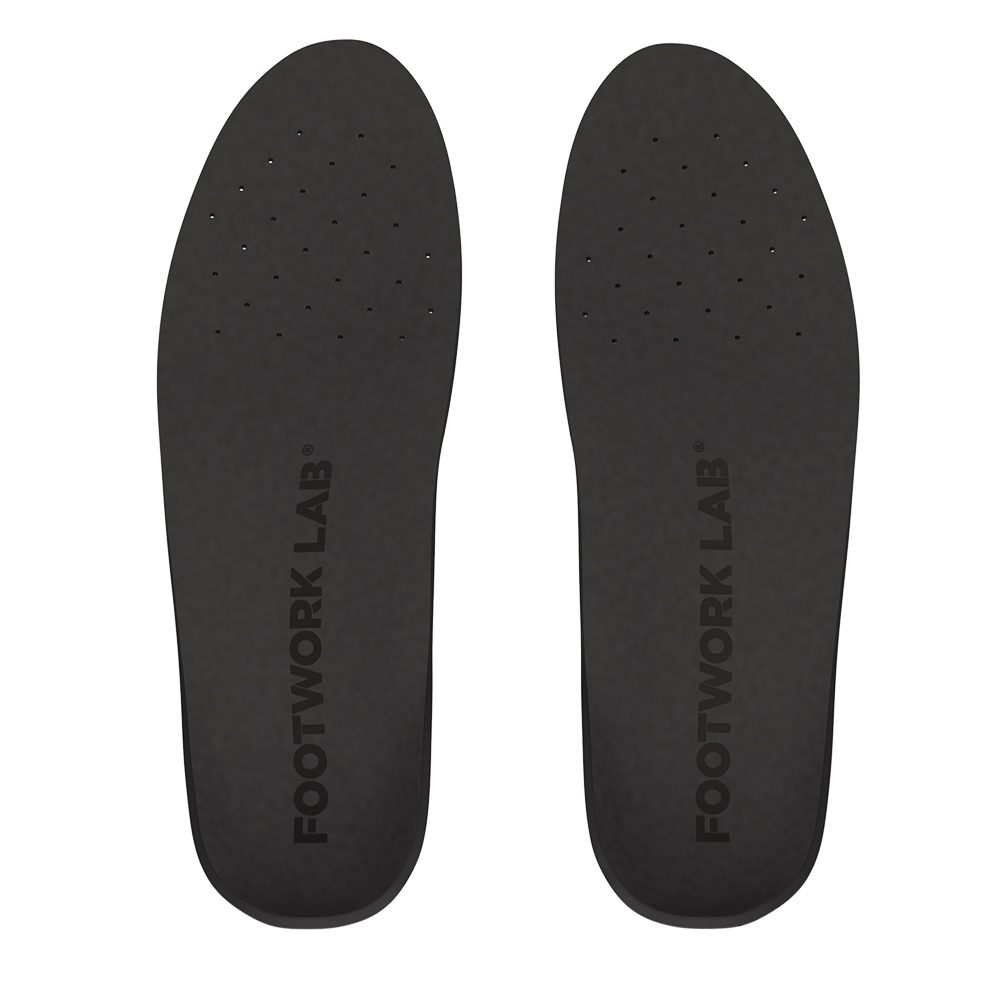
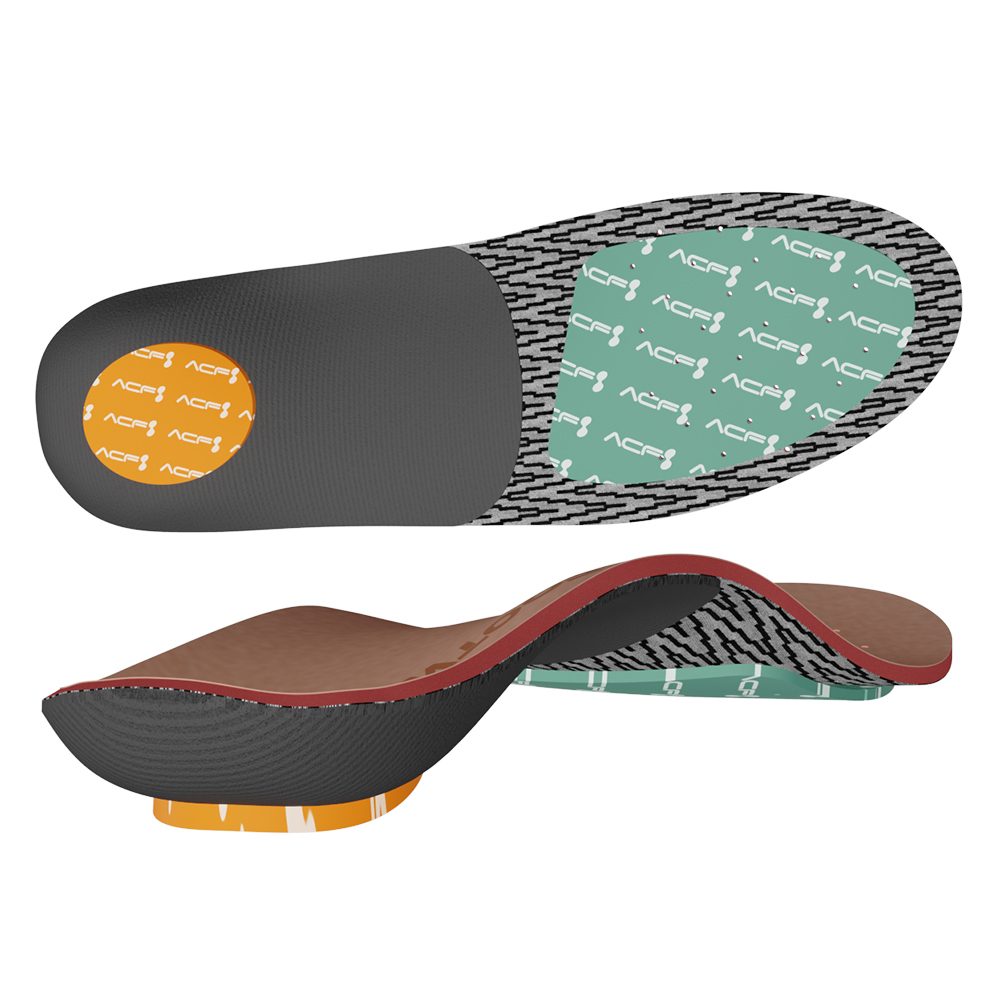
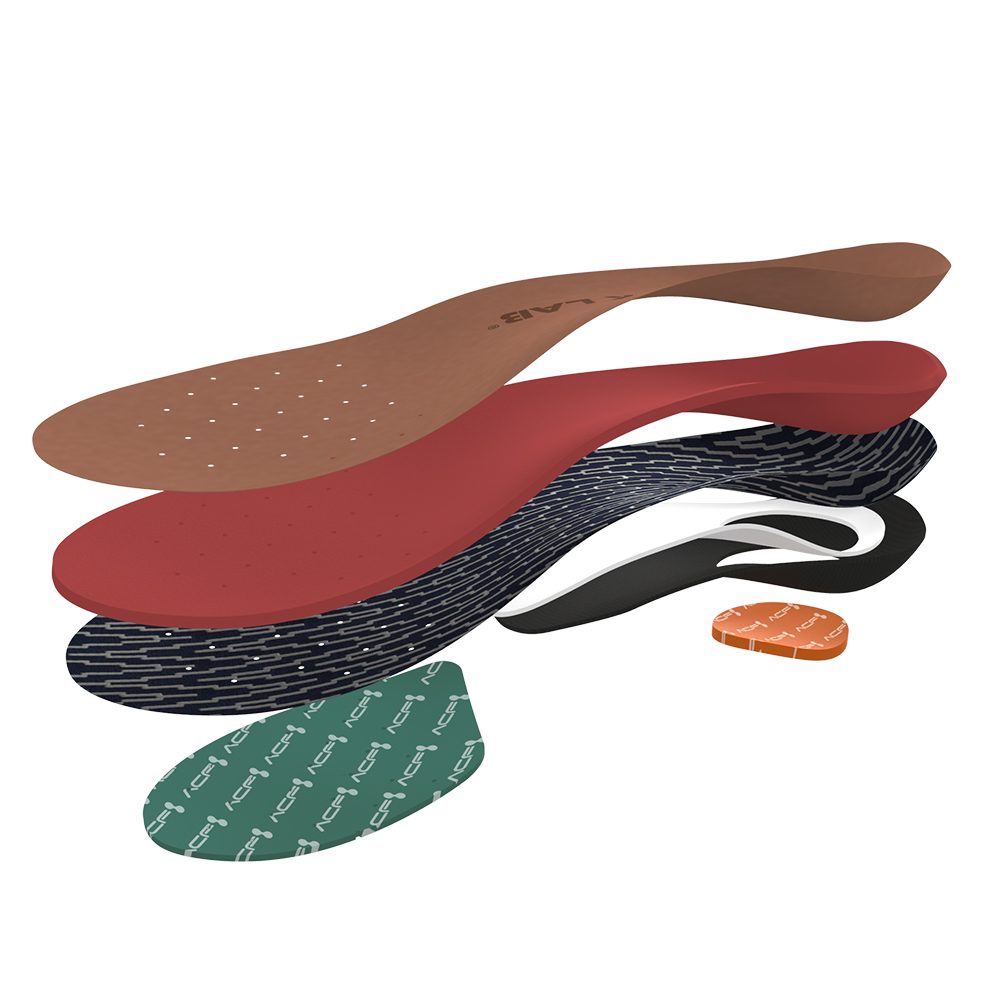
Custom orthotic insoles — the category our own factory produces, in daily-work and sport builds — sit inside that professional conversation as one of its tools: their job in the cleaner’s shoes, where the professional judges them appropriate, is support and load distribution across the long, repetitive hours on hard floors. They do not make the corridor shorter, the wet floor drier or the trolley lighter, and saying so out loud is not a weakness of the recommendation but its credibility. The cleaner has heard miracles before. She has not been told the truth about her own feet, measured, very often. That is the assessment’s actual product.
Rotation, two pairs and the practical side of the job
The practical advice that follows a cleaner’s assessment runs through the same logic as the assessment itself: it should survive contact with a contract cleaning shift. A new pair, if the professional prescribes one, goes through the settling stretch every new arrangement goes through, and the cleaner’s timetable gives no season off — the corridors do not pause while anyone adapts. So the practical guidance is the same given to any working customer: wear the new pair into ordinary days before a full double shift in it, expect the first stretch to feel different rather than better, and judge the arrangement after it has stopped feeling new, not during the negotiation.
Rotation matters disproportionately for this audience, for an unglamorous reason: issued non-slip shoes get soaked, and a damp shoe changes everything inside it. A second pair — of insoles, of socks, of shoes where the contract allows — means the wet night does not carry into the next one. Many cleaning companies will listen to a specific, reasonable request from an employee who can explain it; the customer who understands her own record, from the conversation above, is equipped to make that request. The professional who hands over a printout plus one sentence of explanation has armed that conversation.
And the follow-up interval should follow the same clock this whole series keeps returning to: book the re-assessment when something has had time to change — the settling stretch finished, the footwear situation altered, the contract moved to different buildings — not on a calendar reflex. Between assessments, the cheapest available maintenance is free: the cleaner’s own account of which surface is hardest tonight. If that answer changes, the conditions changed, and the file should know. If it has not changed in a year, the record and the routine have settled into agreement, and the honest recommendation may simply be to keep the rotation going and see her when the job changes.
Frequently asked questions
Are custom insoles useful for cleaners who mostly walk short distances?
The distances are short; the accumulation is not. A cleaning shift is hundreds of short loads on hard floors — mopping rhythm, trolley pushes, stairs, wet-surface caution — repeated nightly for months. Whether insoles are appropriate for a specific cleaner is the professional’s judgement, made from the record and the history together. Their role where fitted is support and load distribution across those repeated hours, not a cure for the job itself.
Should the assessment be done barefoot or in the work shoes?
Decide in advance and keep the rule consistent, as with any customer. If the room’s protocol allows a second condition and the cleaner brought her issued work shoes, capturing in them as well is worth the minutes: the issued non-slip shoe is part of her working system, and a record of the foot alone with the shoe treated as furniture describes half the job. Note on the sheet which condition each capture was taken in.
What should a fitter ask a contract cleaner before the capture?
Four questions earn their space: who chose the shoes and how old they are; a walk-through of yesterday’s shift including the travel between buildings; when the standing actually starts and stops, including unpaid waiting; and which part of the night the feet remember, in the customer’s own words. The last question locates where the load concentrated without any leading from the assessor.
Do wet floors really change how a cleaner walks?
Yes, and it is worth asking which surface changes her walk. On a wet floor, steps shorten, the foot lands flatter while hunting for grip, toes work inside the shoe, and every stride is checked before it is trusted. That guarded walking is its own workload, and it occupies a large share of the working night. A dry-floor capture measures her easiest mode; the history should carry what the record cannot.
How long does it take to get used to a new pair?
However long the settling stretch takes, and it is judged by feel rather than by the calendar: the arrangement feels different before it feels better, and the useful verdict comes after it has stopped feeling new. Practical guidance for a cleaner is to wear a new pair into ordinary days before a full double shift in it, and to keep a dry rotation pair going so one soaked night does not carry into the next.
Should cleaners have a second pair for rotation?
Rotation matters more for cleaning work than for most jobs, because issued footwear gets soaked and a damp shoe changes everything inside it. A dry second pair of insoles and socks, or of shoes where the contract allows, keeps one wet night from becoming two. It is also the request most cleaning companies will entertain — a customer who understands her own record can usually explain the request to her supervisor in one sentence.
Can an assessment make the ache after a full shift go away?
No honest assessment promises that. The record shows how load distributed across the feet during the captured moments; interpreting what that means for this specific cleaner, on her specific surfaces, in her specific issued shoes, is the qualified professional’s work, and any decision about care follows from that interpretation. What the assessment can deliver is something rarer: a truthful, plain-language account of what was measured, which the customer can take back to the staff room intact.
What we would do next
Add two lines to your intake form for standing and walking occupations, cleaners included: “who chose your work shoes” and “which surface changes your walk”. Both take the customer under a minute, both surface a finding the capture cannot see, and both turn the post-capture conversation from generic advice into a discussion about her actual night. When the history is done, capture in the issued shoes as a second condition if your protocol allows it — the shoe is part of the working system, and the comparison between conditions is often the most useful pair in the file. For the parallel case of another job built on corridors and rooms, see Fourteen Rooms Before Lunch: Insoles for Hotel Housekeepers.
And the question we would put to every room that assesses cleaning crews: when a whole team comes in on the same contract, how do you keep each record about the individual — and do you send them out able to explain their own file to the colleague on the next floor?
This article is intended for professional and educational reference. It is not medical advice. Foot assessment equipment produces measurements and images; clinical interpretation and any decision about care remain the responsibility of a qualified professional. Certification scope is limited to the documentation we hold: European Union certification and ISO quality system certification.