
At three in the morning, the corridor light in the distribution centre picks out one person and nobody else. The building that hummed with two hundred people at noon now runs on a skeleton crew: a picker working the aisles, a machine operator on a fixed line, a nurse finishing her rounds, a security guard starting the third lap of the patrol route. Each of them has been on their feet for hours in conditions day staff never see — not just darkness and quiet, but a body clock running against its own programming.
Night-shift staff are a distinct clientele for clinics, rehabilitation centres and occupational retailers, and they arrive with a complaint pattern that does not match the daytime literature. Their feet are not simply tired from standing; they are tired from standing while tired, which is a different mechanical and physiological situation. This article is written for the professionals who assess and fit them: what the night hours change about load, why fatigue rewrites stance before anyone notices, what to ask that daytime intake forms never cover, and how to build and trial a pair under conditions the workshop will never be able to reproduce at ten in the morning.
The quiet hours hide the hardest conditions
The instinctive assumption about night work is that it is easier on the body because the pace is slower. Walking through a plant after midnight tells a more complicated story. Staffing is thin, which means each remaining person covers more floor. Supervision is thin, which means nobody is there to notice posture sagging. And the environment itself is arranged for machines rather than people: aisles lit for scanners, loading bays held at cold-store temperatures, floors recently washed and still damp because cleaning happens in the quiet hours precisely because nobody is walking through them.
Several of those conditions change how load travels through the foot. Cold floors and cold-store work keep the tissue of the sole cool and less compliant. Damp floors shorten strides, the same cautious-placement pattern seen anywhere the ground cannot be trusted. Long stretches between tasks convert a picking job into an endurance-standing job without anyone re-designing the role. The picker who covers forty aisles with a hoist between them is doing two jobs; the guard on patrol is doing one very long one.
There is also a staffing subtlety professionals miss: night crews are often the most experienced people in the building, frequently older than the day roster, sometimes carrying years of accumulated load in the same feet. The quiet shift is not the junior shift. It is often the veteran shift, and the feet on it have histories that daytime intake forms were never written to capture.
What links all of these conditions is that none of them appear in a job title. “Night picker” and “day picker” sit in the same row of an occupational table but stand on different floors, at different temperatures, with different levels of attention, at completely different hours of the body clock.
Fatigue rewrites stance before anyone notices
The central clinical fact about night work is that general fatigue changes mechanics, not just mood. As a shift runs on, several predictable shifts happen in how a person stands and moves.
The first is stance simplification. Alert standing is active: the weight drifts, the feet adjust, the calves cycle through small contractions. Tired standing is conservative: the person finds one position that works and stops spending effort on adjustments. The load settles into fewer zones of the sole and stays there. From outside it looks like composure; from the sole’s perspective it is the static-holding pattern familiar from any fixed-standing occupation, arriving hours into a shift that started dynamic.
The second is weight-hitching. Tired people lean on things — the trolley handle, the racking, the door frame, the counter. Each lean offloads one foot partially and loads it asymmetrically, and the habit is so automatic that most workers cannot tell you which objects they lean on. The professional who asks “show me how you stand when you are waiting” often gets a demonstration the worker did not know they were giving.
The third is stride change on wet or dim floors, already mentioned, compounded by slower reaction times in the small hours. The body protects itself by shortening steps and widening the base, concentrating pressure onto fewer contact areas per step.
None of this is visible in a morning appointment. A night worker assessed at eleven, rested and washed, presents a foot that spent the previous night doing something quite different from what it will demonstrate in the clinic. That gap between demonstrated stance and working stance is the professional’s central problem with this clientele, and everything that follows is about closing it.
What the body clock does to feet at night
Beyond mechanics, the circadian timing adds its own layer, and it is worth spelling out because it changes when things should be measured and when complaints can be believed.
Fluid handling runs on a daily rhythm. During a normal waking day, tissue fluid gradually settles downward, which is why shoes feel tighter by evening and why the swelling a day worker notices at seven in the evening is ordinary. A night shift inverts the schedule: the working hours sit inside the period when the body’s fluid-regulating hormones are at their lowest ebb, while the recovery hours — sleep, lying down, drainage — are pushed into daylight that is often short, fragmented and easily sacrificed to family obligations. The net effect for many night workers is feet that spend longer each twenty-four hours in the settled, swollen state than a day worker’s ever do.
Perception runs on the same rhythm. Discomfort reported at four in the morning is reported by a body whose sensitivity thresholds differ from the same body at four in the afternoon. Small annoyances register differently; small imbalances compound for longer before anyone adjusts.
For the professional, two practical consequences follow. First, the hour of any assessment matters more for this clientele than for almost any other: a record captured on a rested day describes a different foot from the one that works nights, and neither is wrong — they are just answers to different questions. Second, complaints phrased about the night hours deserve to be taken at face value rather than reframed into daytime terms, because the conditions that produced them genuinely differ.
Teams that ignore the clock end up fitting for the morning foot and wondering why the pair underperforms in the warehouse.
An intake built for the night, not the job title
Here is the first working tool: six questions that a night-shift intake should ask, most of which standard occupational forms never touch.
First: how many consecutive nights are you on, and how do the handovers run — does the shift rotate forward or stay fixed? A fixed-nights veteran and a rotating worker present different adaptation pictures, and the rotation direction determines how broken the recovery sleep actually is.
Second: what does the floor do through the shift — where is it cold, where is it damp, at which hour does the wash-down happen? Ask for the map of the building in their own words, not the site’s safety poster version.
Third: what do you lean on? This sounds like a joke question and produces serious answers: the trolley, the rack upright, the forklift cage. Each lean point is a posture the assessment never sees.
Fourth: at which hour do your feet first start talking, and has that hour moved over the years? A complaint that used to arrive at two and now arrives at midnight is a trend, and trends are the most valuable thing an intake can capture.
Fifth: what do you wear to and from work, and what do you wear during? The commute shoes and the work boots often disagree, and both count.
Sixth: what have you already tried — mats at the workstation, new boots, insoles from the site’s occupational supplier — and for how long was each trial given before it was judged? The answer screens out repeating failed experiments and flags customers whose expectations were shaped by an unfair trial.
Those six answers usually reorganise the appointment before anything is measured, exactly as they should.
Assessing at the hour that matters
The second working tool is a scheduling rule: decide deliberately what question each capture answers, and book the hour to match.
If the question is the rested baseline — the foot’s own structure and habitual pattern, undisturbed by a shift — capture on a rest day or well after waking, and say so in the notes. If the question is the working foot — the one that complained at midnight — the honest capture happens as close to the end of a shift as the client’s schedule allows. Fatigue signatures, the settled swelling, the conservative stance, are all present in a post-shift record and absent from a morning one. Comparing the two is not double work; it is the single most informative contrast available for this clientele, because the difference between the two records is precisely the cost of the night.
Whatever the hour, the measurement itself does what any pressure record does: it maps how load distributes across each sole in stance and through walking, and it produces a picture the professional interprets. Equipment measures; professionals interpret, and any decision about care stays with them. The device does not diagnose, does not promise, and does not tell the client what their night is doing to them — that reading belongs to the qualified person holding the record.
When a pair is built afterwards, the record set becomes the specification the build works from — which zones carried the night, which surfaces changed the pattern, which foot hitched which way. A workshop that fits night workers from morning-only records is fitting a customer who does not exist. The extra effort of capturing at the working hour is the difference between a pair that tests well in the showroom and one that survives the aisle.
Building for conditions the workshop cannot reproduce
Night conditions resist simulation. The workshop is warm, lit and dry; the aisle is cold, dim and damp at three in the morning. A build intended for those hours has to be specified from testimony rather than from a test floor, which makes the intake and the record set matter more, not less.
Three specification notes from the field of practice. First, specify against the worst surface, not the average one: if the shift includes cold-store sections and wash-down hours, the interface must cope with those, because the client cannot step around them. Second, specify against the footwear actually worn at night — which may differ from daytime boots, may be older, may be site-issued with less internal depth — and check the fit inside that exact pair. Third, specify for the whole twenty-four hours: the commute shoes, the recovery period, the fact that these clients’ feet get fewer hours of true relief than a day worker’s ever will.
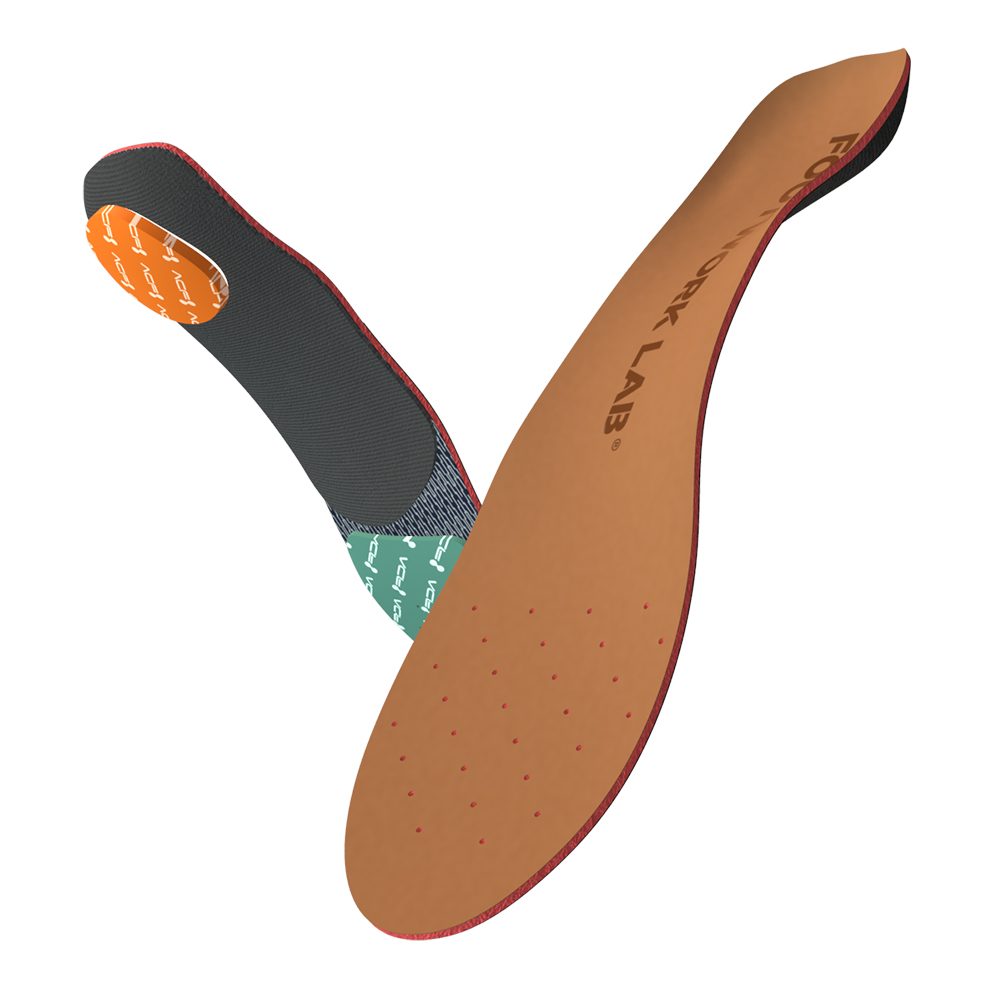
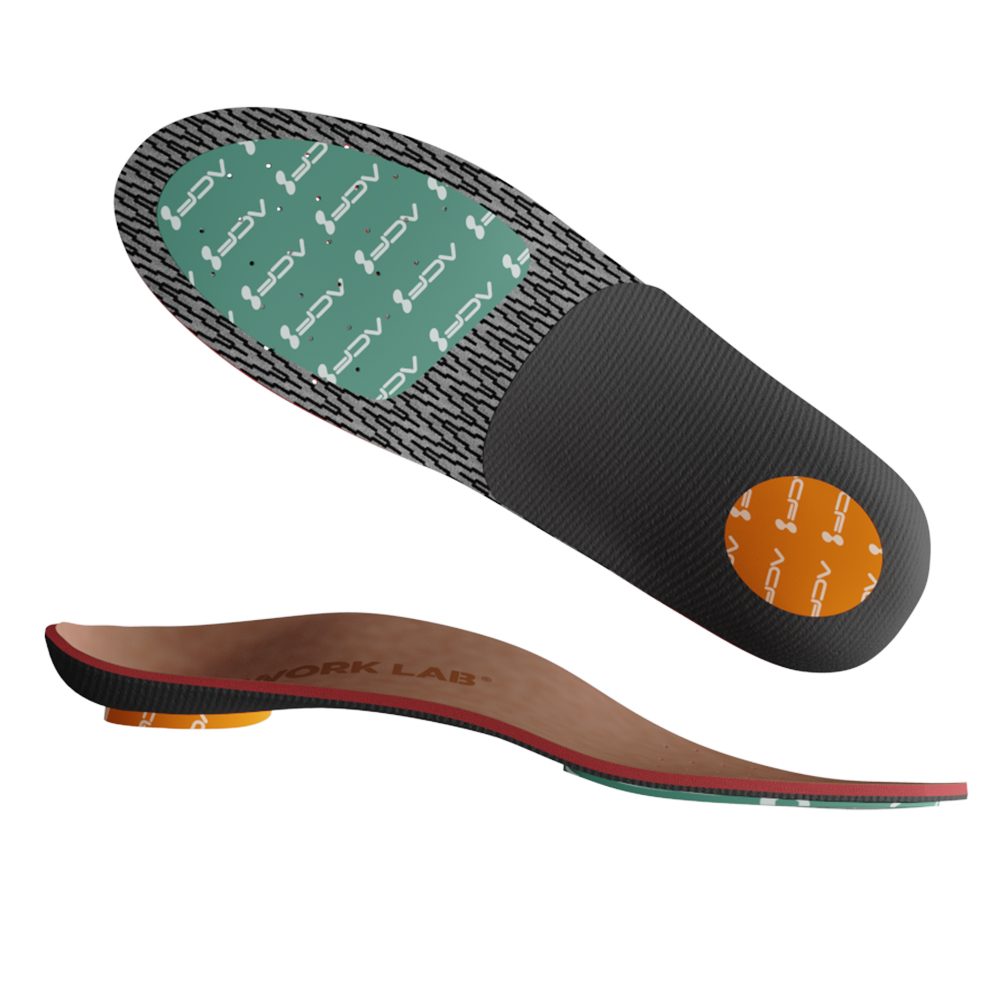
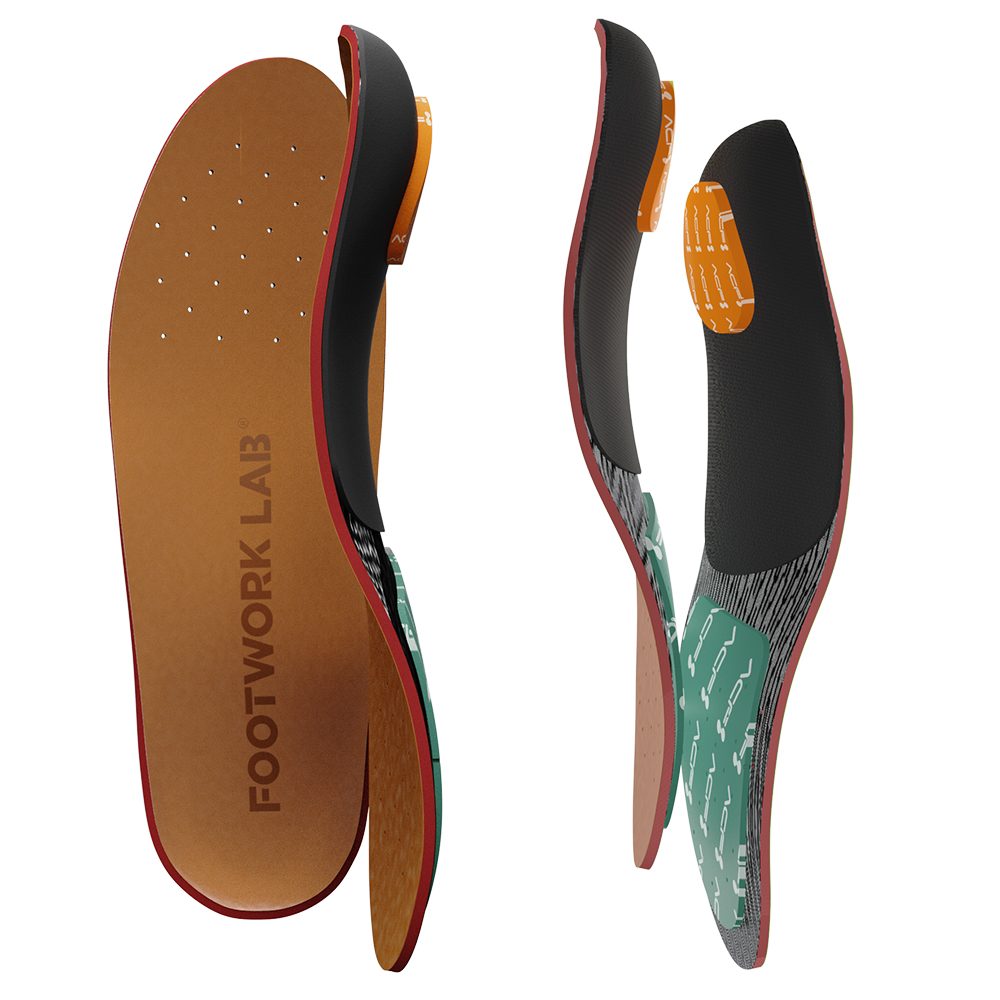
Be upfront about what the build does not do. A pair of custom orthotic insoles is a tool that reshapes how load travels inside a boot; it is not a cure for shift work, not a substitute for floor mats where they are needed, and not a promise about how any particular night will feel. Saying this plainly is not defensive — night workers have usually been sold several confident solutions already, and candour is the rarest thing in their experience.
On our own side of the trade, the built pairs leave production quickly — samples ship within three working days, with capacity that lets a workshop revise a build between shifts rather than between seasons — but the pair’s success is decided on the aisle floor, not in the factory. The factory’s job is to make the trial honest; the trial itself belongs to the night.
Trialling a pair against the night shift
The trial protocol matters more for this clientele than any other, because the conditions vary so much from one night to the next and because the judge — a tired worker at the end of a shift — is the least reliable witness the profession ever works with.
Structure the trial so memory does not do the reporting. The four-line note works as well here as anywhere: worst hour, which foot, which zone of the floor, what the task was. Written at shift end, in the break room, on paper or phone, before the drive home collapses the night into a single adjective. Four lines, every shift, for two weeks. The note is the trial’s actual instrument; everything else is commentary.
Insist on the adaptation window and explain it in night-worker terms: feet that have compensated for years do not accept new support overnight, and the first few shifts are the least representative data the trial will produce. A verdict formed on night three is a verdict about adaptation, not about the pair.
Choose the comparison hour deliberately. If the baseline complaint was “midnight on the cold-store run”, then midnight on the cold-store run is where the trial is judged — not in the car park at shift end, not on the rest-day walk. Matching the judging conditions to the complaint’s own hour is what makes the fortnight of notes interpretable.
Set the review in advance: fortnight, then a full rotation cycle if the shifts rotate. Then decide — keep, adjust, or retire — and be equally ready for each. If the notes show the midnight signature unchanged, the honest next steps are re-measurement at the working hour or a harder look at the boots, not another layer stacked on the same uncertainty. And if it works, plan the rotation: night crews often keep two pairs of work footwear in play, and a build that lives in only one boot answers half the week.
Frequently asked questions
Why do night workers’ feet complain differently from day workers doing the same job?
The hours change three things at once: fatigue rewrites stance into more static, conservative patterns; the body clock’s fluid regulation puts feet in a settled state for longer; and the night environment adds cold, damp floors and thin staffing with more floor per person. Same job title, different load.
When should a night-shift client be measured — rested or after a shift?
Decide by the question. A rested capture gives the baseline pattern; a post-shift capture shows the working foot with its fatigue signature. Where possible, both — the difference between them is the most informative single contrast for this clientele.
Are insoles for night shift workers different from daytime occupational pairs?
The build is specified against the night’s actual conditions: cold-store sections, damp floors, the footwear actually worn at night, and the fact that recovery hours are shorter. The principle is the same; the specification has to come from testimony and working-hour records rather than a showroom floor.
What is the lean-test and why ask about it?
Tired workers lean on trolleys, racking and doorframes automatically, offloading and loading each foot asymmetrically. Asking “what do you lean on?” surfaces postures an assessment room never sees, and each named lean point is a load pattern worth discussing.
How long should the trial run before judging a new pair?
Two weeks of shift-end notes at minimum, judged at the hour and place where the original complaint occurs. A verdict formed in the first few shifts measures adaptation, not the pair. A full rotation cycle is the fairer test for rotating rosters.
Should the commute footwear be part of the assessment?
Yes. Night workers’ feet spend their day in one shoe and their work in another, and both count toward the twenty-four-hour load. Ask what they wear to and from work; the disagreement between commute and work footwear is often part of the picture.
What if the complaint stays the same after a fair trial?
Then the honest next steps are re-measurement at the working hour and a harder look at the boots and the floor conditions — not stacking another layer on the same uncertainty. A pressure record does not diagnose anything; interpretation and decisions belong to a qualified professional.
What we would do next
Put the six-question night intake on one side of a card and the four-line shift note on the other, and give both to your next night-shift client at booking time. Then book the second capture at shift end rather than trying to fit everything into the rested morning — the two records together will tell you more than either alone. Two adjacent reads: recording a customer’s feet at the end of a full shift, which is the scheduling rule this article leans on, and one pair for two jobs, for clients whose night work stacks onto a daytime role.
Our part in this is narrow and honest: measurement equipment and built pairs, each machine tested at the factory for seven days before shipping, each order supported by a dedicated WhatsApp group with engineer backup, and no claims about outcomes we cannot see from here. The night itself stays with the worker and the professional who reads their record.
The question we would put to fellow professionals: your last night-shift client was assessed in daylight by necessity — but if you could have placed one capture anywhere in their twenty-four hours, where would it have been, and what do you think it would have shown that your daytime record did not?
This article is intended for professional and educational reference. It is not medical advice. Foot assessment equipment produces measurements and images; clinical interpretation and any decision about care remain the responsibility of a qualified professional. Certification scope is limited to the documentation we hold: European Union certification and ISO quality system certification.