
The boots are standing by the door of the station, laced and ready, because the shift started an hour ago and nobody knows when the day’s work will arrive. When it does, it arrives as an alarm, and everything between the alarm and the scene is stairs: the truck steps, the building’s stairwell, the debris on the landing. The boots are not chosen for how the foot feels at the end of the call — they are chosen for what protects the wearer inside a situation nobody would otherwise walk into. Protection first, comfort nowhere on the list. And the feet carry all of it: the weight of the boots, the weight of everything worn over them, the stairs, the debris underfoot, and an hour of standing by the truck between calls.
For the clinics, physiotherapy practices and footwear professionals who meet uniformed and booted professions, firefighters are a demanding but instructive population, because the footwear is fixed by the job and cannot simply be swapped for something kinder. Everything below is about working within that constraint: what a rigid protective boot does to load distribution, why stairs under load are their own category of demand, what the long standby hours contribute, where a build can realistically live inside issued footwear, and which questions tell you whether the complaint belongs to the boot, the calls, or the hours in between.
Boots chosen for protection, not for feet
Start with the honest premise: nobody in the station chose their boots the way an office worker chooses trainers. Duty boots are selected against a protection requirement — penetration resistance, water resistance, ankle coverage, a sole that grips on surfaces a civilian never walks on. Every feature that earns its place on that list makes the boot stiffer, heavier and less forgiving than anything the foot would pick for itself. This is not a design flaw. It is the boot doing the job it was issued to do, and the foot adapting around it.
The adaptation has a predictable shape. A stiff, thick sole flattens the ground: kerbs, rubble, ladder rungs and stair edges stop being readable through the foot, so the ankle and the small structures of the foot do the reading instead. The heavy upper means every step lifts more than the foot alone, and every step puts it down with more force. Inside, the boot holds the foot firmly — which is protection, and also means the foot cannot spread, flex or seek its own position the way it does in a soft shoe. The foot finishes a shift having worked in a constrained, heavily loaded version of itself.
For the professional assessment, the first thing to establish is that the container is not negotiable. Unlike a runner or a warehouse picker, this client cannot be advised into different footwear as the main intervention; the boots come with the uniform. That single fact reorganises the whole case: whatever is done, it is done inside the boot, or in the hours around the boots — and knowing which hours those are becomes the central question. A professional who starts from the assumption that the shoe can be changed will spend the appointment solving a problem that does not exist, while the real one waits.
Write the constraint into the record at intake: boots issued, protection-rated, not replaceable by advice. It frames every later decision, and it stops the conversation from drifting into footwear shopping that the client’s employer will not permit.
The staircase problem
Stairs deserve their own section because they are not walking. A stair descent loads the forefoot and the calf eccentrically — the muscles lengthen under load while braking the body — and it does so with the foot inside a stiff boot that limits the ankle’s usual contribution. Add the load carried on the back and in the hands, add the debris underfoot, and add the fact that the descent happens at speed, on command, with an adrenaline system fully engaged. The result is one of the heaviest repeating events any working foot experiences, and it arrives in bursts rather than spread evenly across a shift.
Ascents are different work — drive rather than brake — but the same constraints apply: the boot limits what the foot can contribute, so more of the push comes from structures doing it under worse leverage. Between calls, the same person may stand by the truck, climb back into the vehicle, and repeat the cycle. The day is not a smooth workload; it is a flat line punctuated by cliffs, and the cliffs are made of stairs.
The professional habit that separates the stories here is timing, as in most standing-and-impact populations. Ask when the complaint arrives: during or after a call with many flights, or after a long shift with few calls and much standing? A complaint that tracks the stair-heavy calls is describing braking load and constrained ankles; a complaint that builds over a quiet shift is describing the standby hours. Both are real, and both lead somewhere different — which is exactly why the question belongs in the record before any measurement is discussed.
One more question earns its place: which building type produced the worst calls? Fires in stair-heavy structures, inspections that mean many landings, false alarms that still mean a full climb. Clients in this profession remember their calls with unusual precision, and that memory is usable clinical material — it just needs to be written down instead of assumed.
The long standby: what the quiet hours do
The public picture of the job is the call. The foot’s picture of the job includes everything before and after: the hours in the station, the drills, the vehicle checks, the waiting — much of it in full kit, including the boots. A shift that contains no emergency can still put ten or more working hours into rigid, heavy footwear on concrete floors, and the foot has no way to file those hours separately from the dramatic ones. The quiet hours are the ones nobody mentions in the clinic, and they are often where the complaint actually lives.
Inside the boot, the quiet hours have their own environment. Protective footwear is warm, and warmth means moisture, and moisture means skin that softens, swells slightly and slides fractionally with each step. A foot that spends a shift damp inside a firm boot finishes it with different complaints than a foot in a ventilated trainer: hot spots where the lining presses, heels that have moved a little at every step, arches that have been held in one position for hours. None of this is dramatic. All of it is what the client means when they say their feet are done at the end of a shift.
The standby profile is recognisable to anyone who works with standing professions: weight parked, then shifted, then parked again; calves that feel full; heels that ache on hard floors. The difference is the container — rigid, moisture-trapping, heavy — and the container changes what the standing does to the structures inside it. A professional who reads the standby hours through an office-worker lens will underestimate them; the same hours in a duty boot cost more.
The actionable habit: ask the client to describe a fully quiet shift, hour by hour, in one minute. Most can. The narrative usually reveals more standing than either of you expected, in worse footwear than the complaint suggested — and it gives the assessment a second load profile to read alongside the calls, instead of pretending the job is only its most dramatic minutes.
What the stiff container does to load distribution
A pressure record of a foot inside a duty boot differs from one of the same foot in a soft shoe, and the differences are exactly the ones the boot’s design predicts. The stiff sole spreads contact and removes the fine adjustment the foot normally makes; the load reads as broader and flatter, with less of the toe-off detail a flexible shoe allows. Where the boot’s footbed has compressed over its working life, the load concentrates accordingly — duty boots are worn for a long time, and their interiors carry their own wear story whether or not anyone reads it.
This is where measurement earns its place, and where its limits deserve plain statement. A record taken standing, and another taken walking, show how load distributes under the conditions of the capture — they do not diagnose anything, and they do not predict how any individual will respond to a change. The interpretation, the comparison between the boot condition and the out-of-boot condition, and every decision that follows belong to the qualified professional in the room. The equipment’s contribution is an honest picture of distribution under stated conditions; that picture is genuinely useful precisely because the boot hides the foot’s own behaviour from ordinary observation.
Capturing both conditions is the practical recommendation: one record out of the boot, one in it, same session, same protocol. The pair shows the professional what the boot contributes to the load pattern — information no single capture carries. It takes ten extra minutes and it is the most informative twenty minutes available in this population.
Read the boots themselves with the same discipline used for any working shoe: sole wear pattern, interior compression, heel counter behaviour. Boots in this trade are often worn long past the point a civilian would retire them, because they still pass inspection while their interior has stopped doing anything for the foot. The boot’s age and its interior’s condition belong in the record next to the captures.
Where a build can realistically go
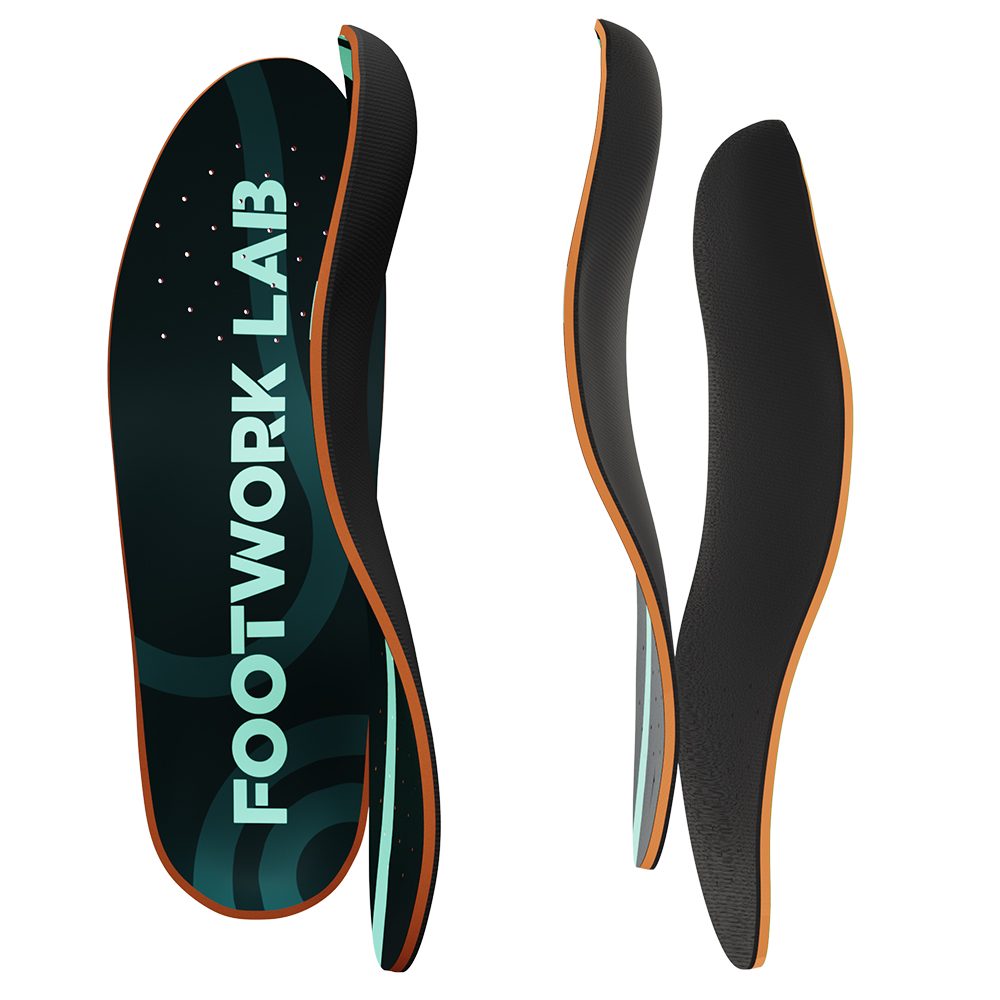
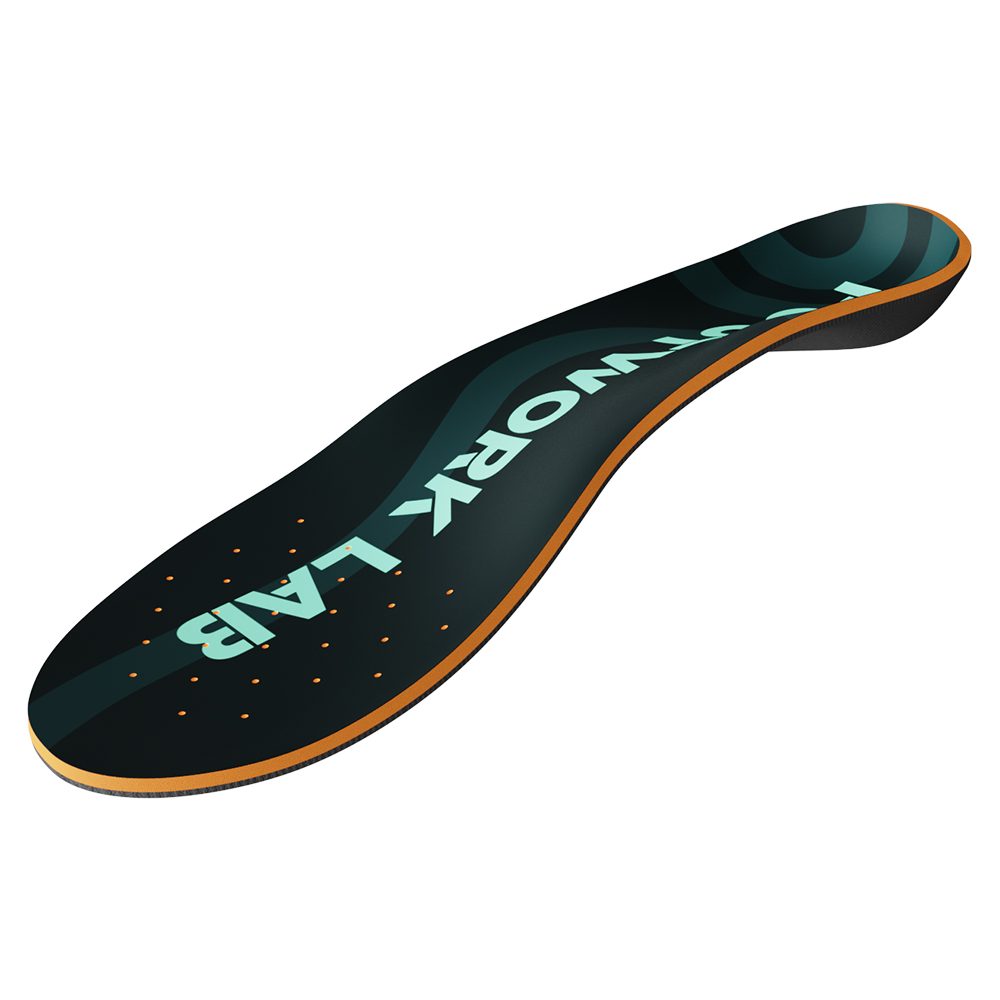
With the container fixed, the question narrows to what can be placed inside it. Duty boots vary in interior depth and in how their factory footbed sits, so the first practical step is the same as in any issued-footwear case: examine the boot’s interior before promising anything. Remove the factory footbed if the design allows, check the depth it leaves, check the heel counter’s behaviour, and only then discuss whether a build has room to function. A build pressed into a boot with no depth changes the fit, and a fit problem inside protective footwear is worse than the problem it came to solve.
What a build can honestly do inside a boot is what builds do anywhere: support, cushion, and redistribute load under the conditions the boot allows. What it cannot do is make a rigid boot flexible, make a heavy boot light, or change the stairs. Setting that boundary at the first appointment prevents the disappointment that follows when a client expects the container to change. The boot stays what it is; the question is what the foot’s working conditions inside it can be improved.
The second container matters here as much as the first. Off duty, this client wears ordinary shoes, and the ordinary hours carry ordinary life — errands, family, sleep, sport. A build fitted only for the boot leaves the rest of the week in whatever footwear the off-duty hours use, and the professional conversation should cover both containers explicitly: what goes in the boot, what goes in the off-duty shoes, and whether they are the same conversation at all. Uniformed professions are not single-container populations, and treating them as one is a common and avoidable error.
Regime details complete the picture: how many pairs of socks and which weight, how the boots are dried after a wet call, whether the client rotates two pairs of boots or one. Moisture management and rotation change the inside environment of the boot as much as any added layer does, and both are decisions the client can act on immediately — often before any build is fitted.
Questions before you build anything
The intake for a booted profession fits into five questions, all answerable in one appointment, all worth writing into the record verbatim.
First, the container: which boots are issued, how old, how many pairs, and does the interior allow removal of the factory footbed? Second, the calls: how many in a typical week, and roughly how many involve stairs under load? The client will remember the stair-heavy calls; the count matters more than the stories. Third, the quiet hours: how long is a shift’s standby, and is it spent in boots or in something softer? The answer reorganises the load profile more than any other question in this population.
Fourth, the timing of the complaint: after stair-heavy calls, after quiet shifts, in the mornings, or in the off-duty hours? Each answer points the assessment in a different direction, and an answer that points nowhere is itself a finding — it says the case deserves fuller assessment before anyone reaches conclusions. Fifth, the off-duty footwear: what the feet live in for the rest of the week, how old it is, and whether any complaint follows the client out of uniform. A complaint that exists only in boots and a complaint that exists everywhere are different cases wearing the same job title.
Ask the client to bring the boots — both pairs if there are two — and the off-duty shoes to the appointment. The bench of containers organises the conversation faster than an hour of open questioning, exactly as it does with any multi-container client: the client can point at where the complaint lives, and the interiors can be examined on the spot rather than described from memory.
Two of the five questions — the calls and the quiet hours — have no equivalent for civilians, which is why generic foot-fatigue advice fails this client. The job is not walking with extra weight; it is a flat line punctuated by cliffs, lived inside a container chosen by someone else. The professional who has that picture before measuring is already ahead of the one who measures first and asks later.
Review, wear and the weeks between
Set the review before the client leaves — roughly a month out, after enough shifts for any adjustment period to have passed. The instruction that matters most is patience at the start: new load distribution takes time to settle, and a shift that is unusually demanding in the first week will colour the client’s whole opinion of the change. Recommend building up across the roster rather than judging the build on one brutal call, and say plainly that the first week is not the verdict.
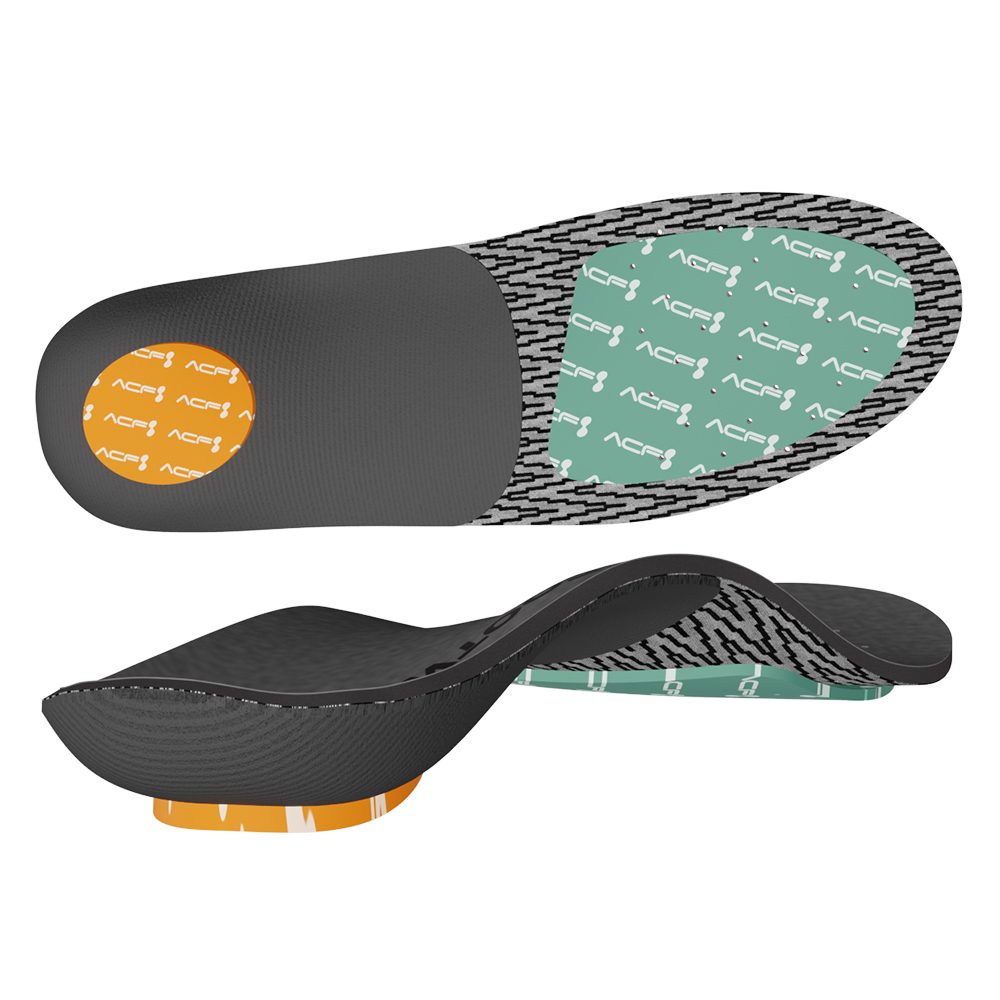
At the review, read the build before you ask anything. Where the material has taken its wear is the physical record of where the hours went: wear under the heel and forefoot says the calls and the standby hours dominated, as the intake predicted; wear in unexpected places says the real job was arranged differently from the story, and that mismatch is a finding worth discussing rather than a fault to correct. Then read the boot interiors — if the container’s factory footbed has compressed further, the conditions the build works in have changed too.
Re-run the five questions at the review as well. Rosters change, seasons change the calls, and a new assignment or a new station changes the staircase arithmetic. The record from the first visit plus the fresh answers is the comparison; the wear reading sits between them as physical evidence.
Keep the boundary visible throughout: the wear, the captures and the counts are records, and the decisions — rebuild, re-sock, refer, adjust — stay with the qualified professional who can see the whole case. We manufacture the measurement systems and the builds; we do not interpret records or promise outcomes, and in a profession that runs on trust in its equipment, saying that out loud is worth as much as anything fitted inside a boot.
Frequently asked questions
Can orthotic insoles even work inside a rigid duty boot?
Inside the boot, a build can do what builds do anywhere: support, cushion and redistribute load under the conditions the boot allows. What it cannot do is make a stiff boot flexible or a heavy boot light — the container stays what the job requires it to be. The first practical step is examining the boot’s interior: depth, factory footbed and heel counter behaviour decide whether a build has room to function at all.
Why do firefighters’ foot complaints often appear without dramatic calls?
Because the quiet hours are the hidden load. A shift with no emergency can still put many working hours into rigid, warm, heavy footwear on hard floors, and the foot files those hours together with the dramatic ones. Asking the client to narrate a fully quiet shift usually reveals more standing, in worse conditions, than the complaint suggested.
Are stairs really a separate problem from walking?
Yes. Descending loads the forefoot and calf eccentrically while braking the body, and it does so inside a boot that limits the ankle’s usual contribution — often at speed and carrying equipment. It is one of the heaviest repeating events a working foot experiences, and it arrives in bursts. Complaints that track stair-heavy calls tell a different story from complaints that build over quiet shifts, which is why the timing question belongs in the record.
Should the assessment capture the foot in the boot or out of it?
Both, in the same session and under the same protocol. A record out of the boot shows the foot’s own behaviour; a record in the boot shows the conditions the foot actually works in. The pair shows what the container contributes to the load pattern — information no single capture carries. The interpretation belongs to the qualified professional.
Does the off-duty shoe matter for a uniformed client?
It matters as much as the boot. The off-duty hours carry ordinary life in ordinary footwear, and a complaint that follows the client out of uniform is a different case from one that exists only in boots. Ask about the off-duty rotation, bring it to the appointment, and treat the two containers as separate questions rather than one.
How long before a new build feels normal on shift?
Most people need an adjustment period, and the sensible instruction is to build up across the roster rather than judging the change on one demanding call. Set the review roughly a month out, after enough shifts for the adjustment to pass and for the build to have readable wear. The first week is not the verdict.
When should a build for a booted profession be reviewed or rebuilt?
At the review, read the wear on the build first — it is the physical record of where the hours went — then re-run the intake questions, because rosters, seasons and stations all change the job. Read the boot interiors too: a container whose factory footbed has compressed further has changed the conditions the build works in, and that belongs in the decision.
What we would do next
If a firefighter — or anyone whose boots are issued rather than chosen — lands in your schedule next week, start with the five-question intake and the two-condition capture before anything else: container, calls, quiet hours, timing, off-duty shoes. The combination costs twenty extra minutes and it is the most complete picture of this population available in one appointment. For the quieter but heavier half of the same logic — standing professions on hard floors — our earlier piece on long kitchen shifts covers a load profile that rhymes with the standby hours more closely than most clients expect.
We manufacture custom orthotic insoles and the assessment systems used alongside them, and where a profession produces a distinctive load pattern we build a category around it — see the insole categories for how we sort those patterns. What we do not do is interpret records or promise outcomes; that judgement stays with the qualified professional in the room.
And the question we would leave with rooms that serve uniformed clients: when the footwear is fixed by the employer and the hours are fixed by the roster, how much of the case do you handle inside the boot, and how much do you hand to the off-duty container? We have watched experienced professionals split it differently, and the reasoning on each side deserves a wider audience.
This article is intended for professional and educational reference. It is not medical advice. Foot assessment equipment produces measurements and images; clinical interpretation and any decision about care remain the responsibility of a qualified professional. Certification scope is limited to the documentation we hold: European Union certification and ISO quality system certification.