
The wardrobe goes down three flights before breakfast, and the crew has barely walked anywhere at all. Removal work looks like a walking job from the outside and is not one. The day is braced descents with a load against the chest, stair turns with a shoulder under a cabinet, a landing that has to be quiet whether or not it is gentle, and the long drive between houses where nothing moves except the driver’s right foot. The feet carry all of it, in boots chosen for protection rather than feel.
Clinics and fitting studios see removal crews only occasionally, and when they do, the intake matters more than usual, because the loading profile is unlike any walking trade. Nothing here behaves like kilometres of aisle. The loads are heavy, short and eccentric; the footwear is stiff and protective; and the complaints arrive as end-of-day fatigue and a Monday-after stiffness that the crew has normalised for years. Here is how the work actually loads the feet, and what to ask before specifying anything.
A carrying job that never looks like one
Ask a removal crew to estimate how far they walk on a working day and the honest answer varies wildly, because walking is not the unit of work. The unit is carries: a fridge down a path, a sofa up a staircase, a box wall from van to living room. Each carry lasts seconds or minutes, ends when the item is put down, and imposes its load through whatever stance the object demanded — braced, twisted, leaning, or crouched at the tailgate. Between carries there are sprints of ordinary walking, then stillness in the cab.
The stance inside a carry is the part no standard assessment captures. A person carrying a wardrobe down stairs is not walking; they are lowering a weighted body in a controlled eccentric pattern, often turned sideways, often with the load pushing them somewhere they would rather not go. The foot that braced on the landing took the whole body plus the object, decelerating, on one leg, while the eyes were on the corner and not on the floor. Multiply that by a day, and then by a career.
For the practitioner, the practical consequence is this: the record taken during ordinary barefoot walking describes the crew member’s baseline, not their work. The work lives in a loading regime the capture room cannot reproduce — and knowing that changes both how you read the record and what you ask about. The interview does what the platform cannot: it documents the carries, the stairs and the boots that dominate this trade.
Stairs with something on the shoulder
Stairwork deserves its own account because it is where the trade’s signature lives. Going down with a load, the leading foot strikes heel-first but controlled, the knee and ankle absorb what the handrail cannot, and the trailing foot pushes off a stair edge that concentrates load under a strip of forefoot smaller than anything on flat ground. Going up, the pattern inverts: the calf and the forefoot deliver, stair after stair, while the load shortens everyone’s stride and keeps them on the balls of their feet longer than they would choose.
Then there is the turn. Every staircase has landings, and every landing asks the carrier to stop, rotate under load, and re-plant on a fresh line. That rotation, done dozens of times a day, happens at the moment the foot is most loaded, and it is done in boots with soles stiff enough to resist it. Crews know which staircases in their town punish them: the narrow spiral in the old town, the block with no lift, the terrace with a half-landing every five steps. Ask, and they will name them.
Two questions from this section belong on the intake sheet verbatim: how many flights does a typical job have, and does the crew work in pairs or solo on stairs? Solo stairwork doubles the load per foot and changes the whole conversation. A crew that works two-up on everything heavy presents a different record from a two-man operation where one person always ends up with the wardrobe end.
What a braced descent asks of the foot
The mechanics of the braced descent are worth spelling out, because they explain the complaints. Controlled lowering is eccentric work: muscles lengthen under load, and the structures through which the load passes take more force than the same structures would take to lift the same weight. Add the object’s share, deliver it through one planted foot, on a stair edge, in a stiff boot, and the heel and the forefoot edge take turns absorbing a braking load that ordinary gait never produces.
The quiet landing is the trade’s own twist. Furniture arriving with a bang is furniture arriving damaged, so crews descend softly even when fully loaded, and a soft, loaded, controlled descent is precisely the loading condition that drains rather than shocks: the foot works slowly and hard at the same time. End-of-day reports from this trade describe soles that feel bruised without any single memorable impact, which matches the mechanism exactly — many medium bracing events, no obvious one to blame.
None of this is visible in a barefoot walking capture, and that is the second honest limitation of the assessment room. What the record does offer is a baseline: how this foot distributes load when it is fresh and unburdened, how the two feet compare, and how the pattern looks on a Monday morning after a heavy weekend of moves. Comparisons across visits, taken under consistent conditions, tell the crew member something their own morning report cannot: whether anything is actually changing or whether the trade simply always feels like this.
Safety boots: the container sets the rules
Removal crews wear safety footwear, and the container shapes everything that goes inside it. A safety boot is stiff by design, protective by law in many crews, and heavy in its own right; the foot inside it works against a sole that bends where the boot allows, not where the foot asks. The good news for specification is volume: safety boots are generous inside, and there is usually room for a fuller build than a lifestyle shoe would accept. The bad news is weight — everything inside a safety boot is carried inside a container that already weighs something, and the crew member feels the sum.
Fit behaviour in this trade has its own quirks worth knowing. Crews buy boots with room for thick socks, wear them loose by afternoon as feet swell, and often own two pairs at different stages of wear. Bring the actual boots to the fitting — both if they own two — and check the fit with the sock system they actually wear on a job, not the thin socks they wore to the appointment. A pair specified around the wrong sock will live its life half a size out.
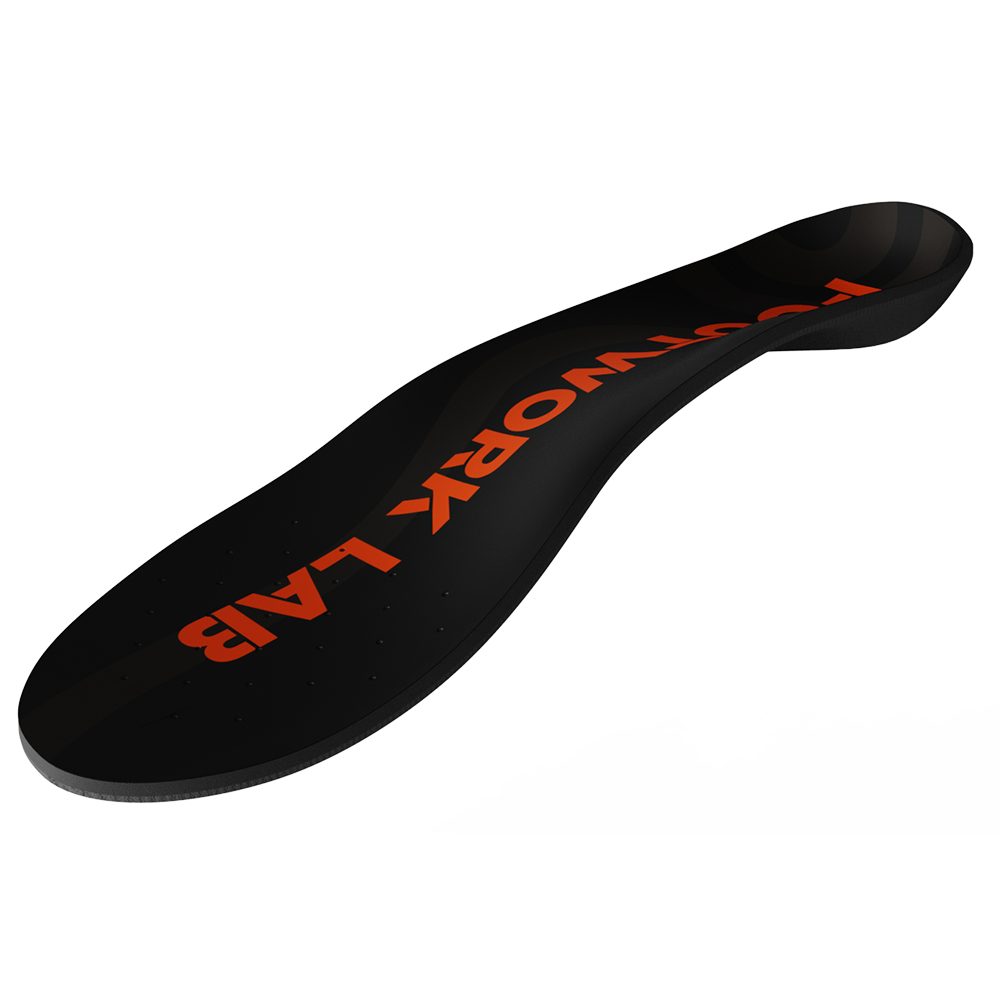
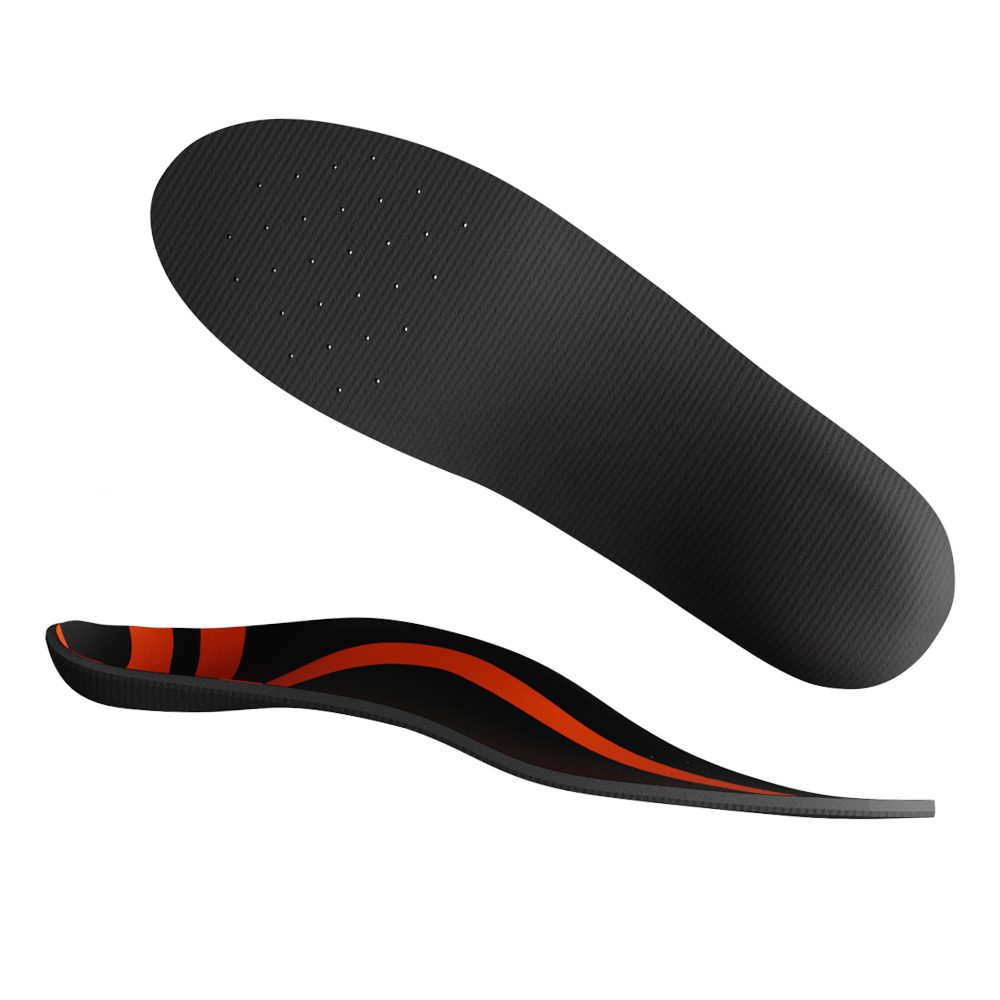
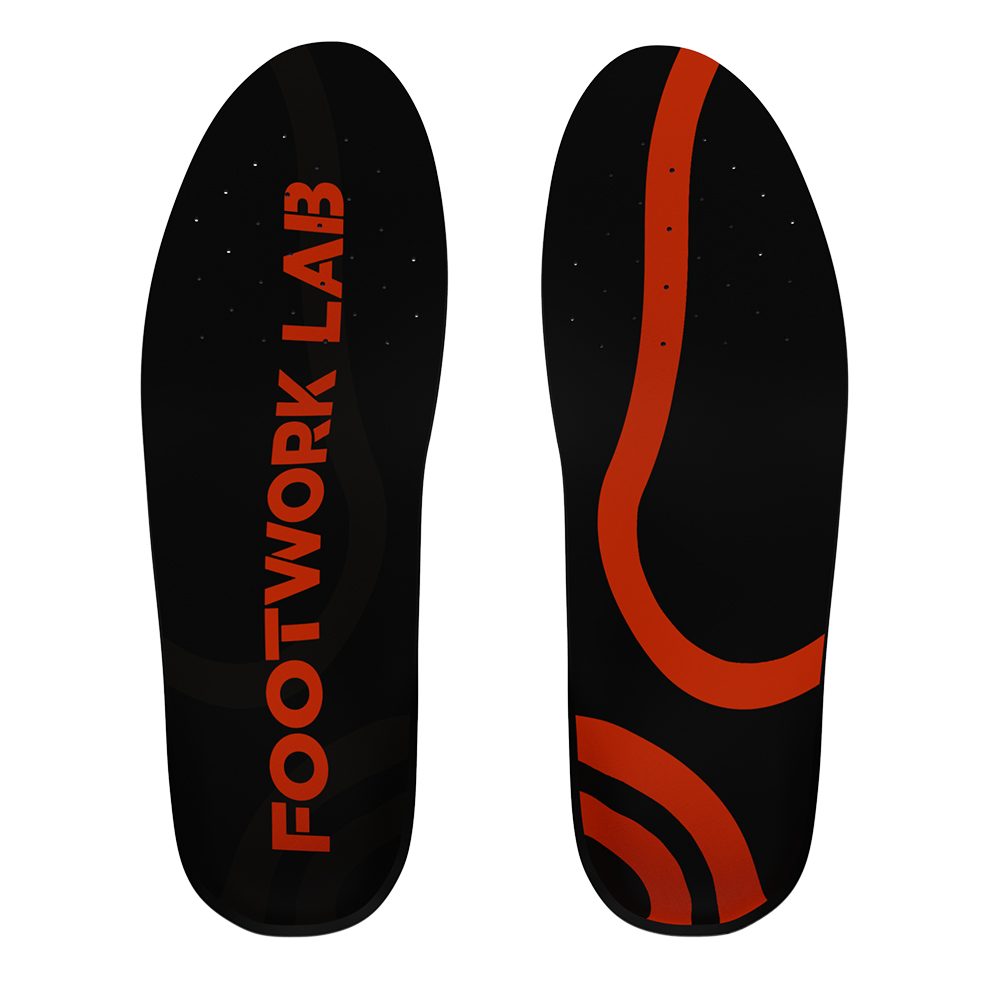
The boundary of the claim belongs here, as it does in every trade piece. We manufacture custom orthotic insoles to the specification a qualified professional defines; the measurement and the decision stay on the professional’s side of the counter, and nothing in this trade’s boot environment changes that division of labour. What the manufacturing side can say plainly is what crews ask for most: support that keeps its shape inside a stiff boot, and a build that tolerates being carried through a full working week.
Six questions that split a crew’s day
The intake for this trade is short and unusually decisive. First: what does the crew move — household furniture, pianos, offices, or everything? The load class changes the bracing story entirely. Second: stairs or lifts, and in what proportion? A town of walk-ups builds a different foot than a city of elevators. Third: solo or paired on the heavy items, and which position — head or foot of the load? The foot-of-the-load carrier descends backwards more often, and that stance is its own case.
Fourth: what boots, how old, and how many pairs in rotation? Boot age matters more here than in any trade except perhaps firefighting, because a worn safety sole changes the braking behaviour the foot compensates for. Fifth: how much of the week is driving versus carrying? The driver’s share of the week rests the feet in one specific posture and loads nothing, which is recovery the record will not show unless you ask. Sixth: what does the Monday after a heavy weekend actually feel like, in the client’s own words?
Those six lines take five minutes and they do more for the specification than any additional capture. They also make the file honest: a year later, when the crew member changes vans, moves to a lift-heavy city or buys new boots, the original answers explain what the first pair was built for, and the follow-up becomes a comparison instead of a restart.
What the build actually has to survive
The specification conversation, once the history is on the sheet, centres on durability and shape-holding inside a stiff container. A pair that works in a removal context has to keep its support character while being compressed eccentrically, over and over, by loads far above bodyweight shares; that is a harder test than walking puts on anything. It also has to sit still inside a loose boot — sliding inside a safety boot is both a fit failure and a blister mechanism, and crews report it before they report anything else.
Expect the handover conversation to include a break-in window and a trial on a light day, not the heaviest day of the month. Crew members know their own bodies with unusual precision — they can tell you which staircase in town hurts and which landing turns the wrong way — so ask them to test the pair against a known staircase and report. The tradesperson’s report after a real shift is better evidence than any questionnaire, and it arrives with a specificity that clinic consultations rarely get.
Set the review triggers around the trade’s calendar rather than a fixed date: after the summer season, after any change of boots, after a move to heavier load classes, or when the Monday-after report changes character. Between triggers, an annual look is usually enough. The baseline capture plus the six intake questions is what makes each later comparison worth anything at all.
Recovery, rotation and the long week
The week matters as much as the job. Removal crews tend to run heavy Fridays and Saturdays with quiet days between, and the quiet days are when the feet recover — or fail to, if the same boots and the same pair run seven days straight. Rotation between two pairs, matched to two boots if the crew member owns two, gives each build its rest days and keeps support character closer to the specification for longer. This is the same advice the wet trades get, and for the same reason: continuous wear ages a build faster than hours alone would predict.
Recovery habits inside the day are worth one honest paragraph. The cab is part of the job, and the drive between houses is the only reliably quiet stretch the crew gets. Crews that use it — shoes loosened, feet moved, ankles put through their range at the wheel between streets — report the day differently from crews that treat the drive as dead time. None of this is clinical advice; it is the trade’s own wisdom, and the practitioner’s role is to ask about it rather than invent it.
The final note is about patience with the file. A crew member’s record taken in the quiet season will differ from one taken at peak, and both are real. Note the season on the sheet. Note the week’s jobs. The trade’s rhythm is not noise around the measurement — it is the context that makes the measurement mean anything, and it is written down in five minutes at intake.
Frequently asked questions
Do removal crews need something different from other standing trades?
Yes, because the loading is eccentric and episodic rather than continuous. Braced descents with a load, stair edges under weight and quiet controlled landings load the foot in ways a walking capture does not show. The intake questions about stairs, load class and boots do most of the specification work.
Can a pair work inside safety boots?
Usually, because safety boots are generous inside. The fit of the actual boot matters more than the size on the label, so the client brings the boots and the work socks to the fitting. Sliding inside the boot is the first fit failure to rule out.
Why does the barefoot walking capture not match the job?
Because the capture describes the baseline, not the trade. The work happens under loads and stances the capture room cannot reproduce. The record is still valuable as a baseline and for comparisons across visits, taken under consistent conditions.
Should the capture be taken at peak season or in the quiet season?
Either works if it is noted on the sheet. Peak-season and quiet-season records differ, and both are honest. The note is what makes a later comparison meaningful rather than confusing.
How many pairs does a crew member need?
Two alternated between boots or between work and rest days is the common recommendation. Continuous wear ages a build faster than hours alone would suggest, and rotation keeps the support character closer to the original specification.
When should the pair be reviewed?
After the peak season, after any change of boots, after a move to heavier load classes, or when the Monday-after report changes character. Between triggers, an annual look is usually enough for most crew members.
Who decides what the specification should be?
A qualified professional, working from a record and a history. Equipment produces measurements and images; interpretation and decisions about care remain with the professional. We manufacture custom orthotic insoles to professional specification and make no outcome claims.
What we would do next
If a removal company sits anywhere in your referral orbit, the cheapest start is the six-question sheet: stairs, load class, pairing position, boots, driving share, and the Monday-after report. Take it to the crew foreman rather than the individual — crews adopt intake habits as a team or not at all. If you are specifying a first pair for a crew member, the insole categories page shows the range we manufacture to professional specification, and the FAQ page covers quantities and sample timing. For the closest loading cousins, our pieces on warehouse pickers and on care home teams cover the lifting and carrying trades from different angles.
And the question we would put to practitioners who work with crews: which position does your heaviest client carry — head of the load or foot of the load — and does the record differ between the two? We ask because distributors tell us the two roles complain about different ends of the same staircase, and we have never seen a study that separates them. If your files do, that is a conversation worth having in the comments.
This article is intended for professional and educational reference. It is not medical advice. Foot assessment equipment produces measurements and images; clinical interpretation and any decision about care remain the responsibility of a qualified professional. Certification scope is limited to the documentation we hold: European Union certification and ISO quality system certification.