
Personalization sells when the customer can see it, and a foot analysis session is the cheapest way to make it visible. A customer told that an insole is customized may shrug; the same customer shown a pressure map of their own foot, with the regions that carry the load coloured in, stops shrugging. The record converts a claim into an observation, and observations are what people repeat to their friends.
That conversion is the entire retail playbook this article describes. It requires an instrument, a routine and a script — in that order of fragility, because the routine and the script break more often than the hardware. Stores that run the session well build a repeat-visit business; stores that run it badly have bought an expensive demo for the sales floor.
We build the assessment equipment behind the session and the insole ranges behind the shelf, from daily to sport to recovery care. What follows is the playbook from the factory side: how sessions run, what the record may and may not say, and how the analysis connects to a purchase without a single overclaim.
Why the record persuades where adjectives fail
Retail claims about insoles are fungible — every brand promises comfort, support and technology, and customers have stopped discounting none of them. A personal record is different in kind: it is about the customer, it was produced in front of them, and it cannot be scrolled past. The persuasion happens because the customer recognises their own foot, not because the retailer is clever.
The record also reframes the purchase. An insole bought from a shelf is a hope; an insole bought after a session is an answer to something visible — the region that carries disproportionate load, the asymmetry between feet. The customer can explain the purchase to themselves and to others, and purchases that survive that explanation are the ones that do not come back.
None of this requires the record to make claims. The map shows distribution; the professional or trained fitter narrates it; the insole answers it. The honesty of that chain is what makes it repeatable — a session that oversells produces a refund queue and a customer who no longer trusts the screen.
The repeat-visit effect has a shape worth engineering deliberately: the re-assessment invitation. A customer who leaves with a record also leaves with a reason to return — the same session in three months, the comparison on the same screen. Stores that book the re-assessment at the counter convert the session’s trust into a calendar entry, and the calendar entry is where retail actually becomes a service.
The session, minute by minute
A retail session runs in ten to fifteen minutes. Two or three minutes for the standing capture — feet on the sensor surface, a natural stance, the map appearing on screen. A few more for a short walking task if the floor allows it, which turns the map into a timeline and makes the conversation about movement rather than shape.
The narration is the heart of the session. The fitter points at the customer’s own map: here is where you carry the load, here is how it moves, here is the difference between your feet. Plain words, no jargon beyond what the screen shows. The customer asks questions; the fitter answers from the record or says what the record does not show.
The close connects the record to the shelf: which range answers what the map showed, in the shoes the customer actually wears. The session ends with the record in the customer’s file or phone, and the next visit — the re-check, the second pair, the sport range — has a reason on the calendar before the customer leaves the store.
The walking task also has a retail-friendly version: a short lane marked on the floor, a phone-free pass, and instructions that fit in one sentence. Stores that borrow clinical complexity for the walking task slow the session and lose the customer’s attention; the lane version keeps the session at retail tempo while still producing the timeline that makes the narration concrete.
What the fitter may and may not say
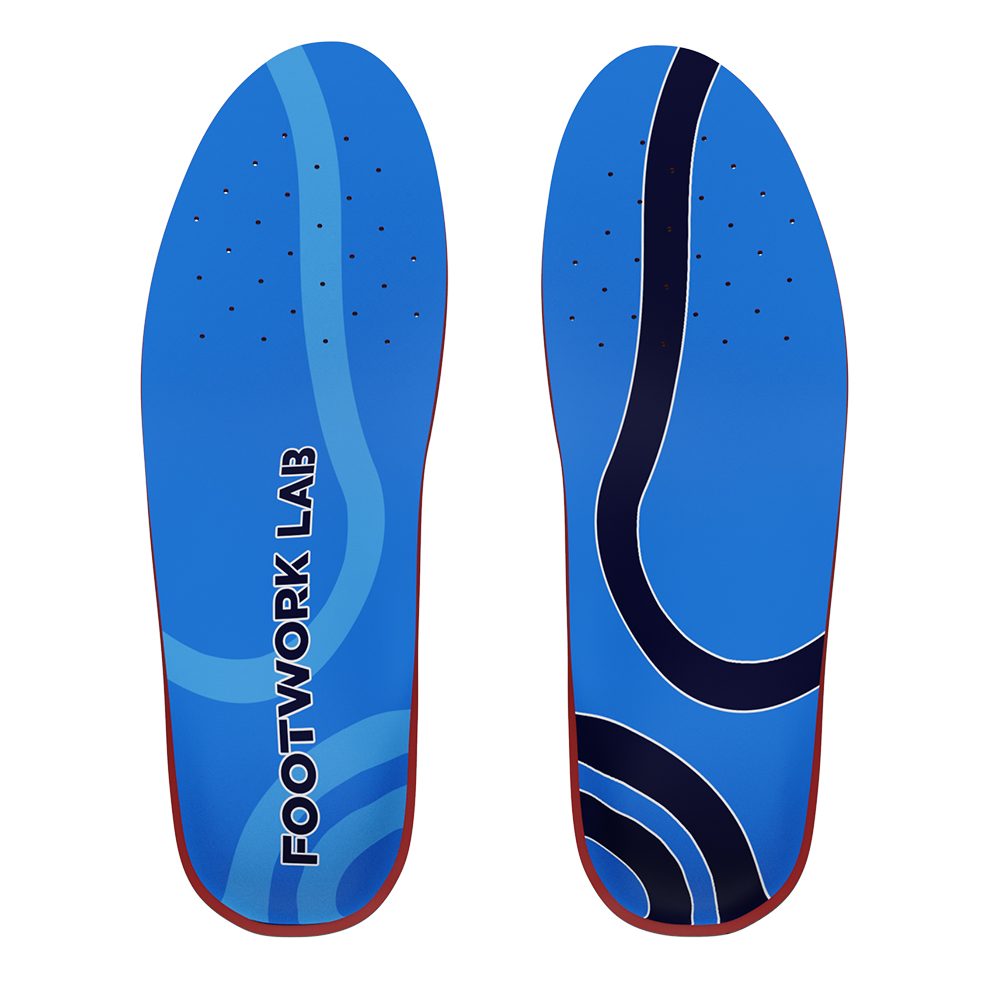
The script’s boundary is the product’s honesty. The fitter may describe the record: where load lands, how it transfers, what differs between the feet. The fitter may describe the insole’s design: which regions it spreads load across, which it cushions, how the shell is built. The fitter may not promise what the record cannot show or the insole cannot do — outcomes, structural change, or anything that belongs to a clinical appointment.
This discipline is not merely ethical; it is commercial. Overclaiming converts today’s sale into next month’s refund and the month after’s silence. Underclaiming merely slows one sale. Stores that train the boundary find their staff more confident, not less, because a script with limits is easier to deliver than improvisation under pressure.
Our equipment supports the discipline structurally: reports present measurement and capture, and the software does not issue conclusions the fitter could accidentally quote. What the screen shows is what the customer gets — and the store can put that sentence on its own marketing with our blessing, because it is the sentence that keeps the session honest.
The boundary sentence should also be written into the store’s own marketing, not only into the fitter’s script. The shop that advertises the session as a record of how your feet move — and nothing more — inherits the discipline in its customers’ expectations, and the discipline does the filtering: the customers who arrive want the honest version. Marketing that states limits recruits the audience limits suit.
The boundary discipline also has a hiring filter hidden in it: candidates who can deliver an honest limit comfortably are the fitters the corner needs; candidates who promise freely are the ones the returns report eventually trains. Stores that make the boundary role-play part of the interview hire for the playbook rather than merely for the rota, and the difference shows in the scoreboard by the second quarter.
The instrument behind the session
A retail assessment corner needs less instrument than buyers fear and more routine than they expect. The hardware job: pressure sensing for the standing record, a camera for posture if the space allows, software that renders the map legibly on a screen a customer can see. The capture must survive an untrained customer — people step on unevenly, talk, shift weight — so the software’s tolerance matters as much as its precision.
Placement matters. The corner needs a half-step of privacy, a stool for the shoe conversation, and a screen angled so both parties can see the map without leaning. Stores that treat the corner as an afterthought behind the till run sessions that feel like interrogation; the same instrument in a considered space feels like a service.
Our support model assumes retail conditions: a dedicated WhatsApp group for the store’s questions, an engineer reachable when a capture misbehaves, remote assistance for software issues and over-the-air updates so the units stay current without a technician visit. Equipment that cannot be supported at retail distance does not belong on a sales floor.
The capture’s tolerance question has a retail test: watch the first twenty customers use it untrained. Real customers step on mid-conversation, stand unevenly, ask questions mid-capture. The software that renders a legible record through all of that is the software the corner needs; the software that needs a cooperative subject needs a clinic. Buyers should run this test at the demo with the vendor’s least rehearsed walk-through.
From the record to the shelf
The shelf connection is a mapping, written down before the first session: which record pattern leads to which range, in which shoe context. A forefoot-heavy map in everyday shoes points one way; a heel-dominant pattern in work boots points another; a customer between ranges gets the simpler answer rather than the upsell.
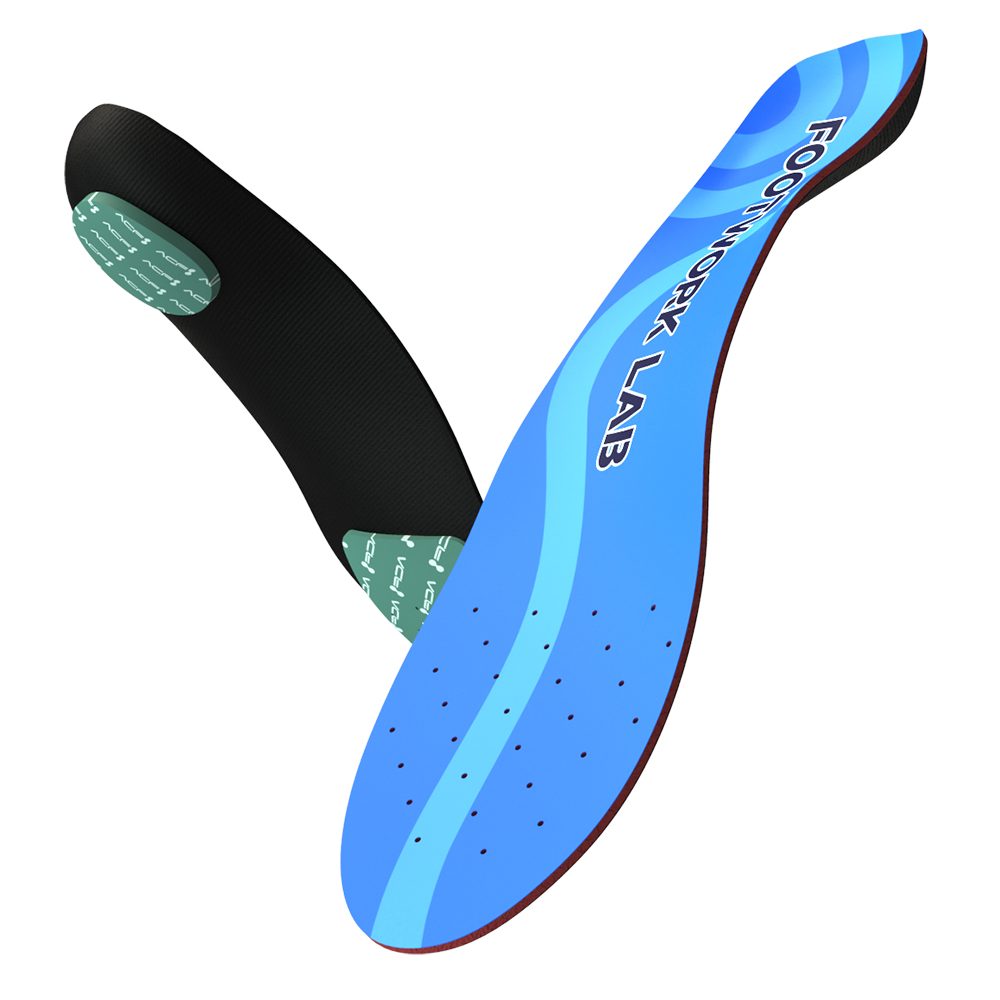
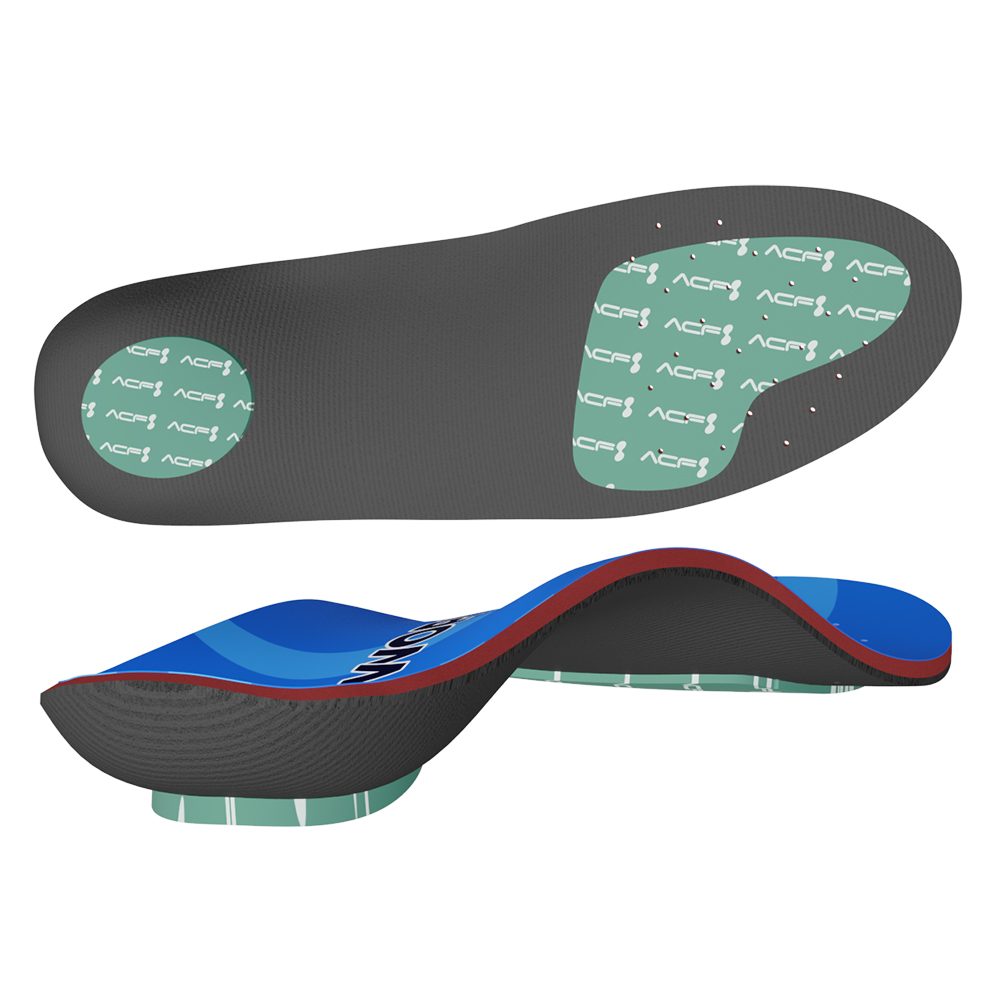
Our ranges are built to make the mapping honest. Daily, sport and recovery care lines each carry a one-sentence job, sizing that follows the shoe, and designs conservative enough to be chosen from a record without a professional in the room. The custom line exists downstream for the customers whose record and shoes warrant it — through partner clinics or our own production brief.
The mapping also protects margin. Sessions that end in the right-range purchase convert; sessions that end in whatever was nearest the screen generate returns. Stores should review the mapping quarterly against returns data — the record that persuaded the purchase also explains the return, if anyone looks.
The mapping review also has a training dividend: the quarterly returns discussion, held with the fitters present, is the best product training the store owns. Returns are the shelf’s own feedback, specific and recent, and the fitters who read them start predicting the next quarter’s mapping drift before the data confirms it. The meeting costs an hour and replaces a season of guesswork.
The mapping’s quarterly review also has a customer-visible output worth producing: the shelf note. One line per range — what changed, what sold through, what the store learned — read by the fitters and echoed at the counter. Customers who watch a store learn from its own returns extend it the trust that no campaign can buy, because the learning is visible where they stand.
Data handling and the customer’s trust
A session that captures a customer’s foot creates a small data obligation the store must honour visibly: what is stored, for how long, and how it is deleted. Customers forgive simplicity; they do not forgive surprise. A one-page policy, shown at the counter rather than buried in a website, is the entire requirement.
Our systems export and store records in forms the store controls, and we do not build the retail relationship on data the customer did not agree to share. Stores running loyalty programmes should treat the record as the customer’s property, shared with the store for service — that framing is both correct and commercially wise.
Trust compounds. A store that handles one capture carefully earns the re-assessment; the re-assessment earns the second pair; the second pair earns the referral. The instrument is a small part of that chain, but it is the visible part, and visible parts inherit the store’s reputation.
The data conversation has a script line of its own: what happens to the record. Fitters should be able to answer in one sentence — stored with your agreement, deletable on request — and the sentence should match the one-page policy at the counter. The consistency between the spoken line and the printed page is the whole trust exercise; a mismatch between them undoes the session’s work.
Measuring whether the playbook works
The playbook’s scoreboard has three lines, all cheap to track. Sessions per week — the routine’s throughput. Conversion from session to purchase — the script’s honesty, roughly, since overclaiming inflates this line short-term and poisons it long-term. And returns attributable to session purchases — the mapping’s quality.
Stores that track the three lines discover their failure modes quickly and specifically: throughput dies when capture needs a specialist, conversion dies when the script overclaims, returns spike when the mapping drifts. Each failure has a known fix, which is why the scoreboard matters more than any individual week’s numbers.
Our role in the scoreboard is the instrument and the ranges, and our interest is a store that runs the playbook for years, because that store reorders. We would rather sell a smaller first order to a store that tracks its numbers than a large one to a store that will not — and we say so, because buyers who hear it tend to become the first kind.
A closing word on patience with the scoreboard. The corner’s first month reads small: a handful of sessions, a conversion rate still settling, returns barely sample-sized. Stores that judge the playbook on month one dismantle it in month two; stores that judge it on quarter one tune it. The scoreboard earns its keep at ninety days — the corner earns its floor space at a year.
Frequently asked questions
How long does a retail foot analysis session take?
Ten to fifteen minutes: the standing capture, a short walking task if space allows, the narration from the customer’s own map, and the shelf connection.
What can the fitter say the record shows?
Where load lands, how it transfers and how the feet differ — and what the chosen insole’s design does about it. Outcome promises and structural claims stay outside the script.
Do customers need to remove shoes and socks?
For the standing capture, yes — the sensor reads the sole. The session script handles it in one sentence, and the corner’s half-privacy keeps the moment comfortable.
Is the customer's data safe?
The record is the customer’s property, stored with their agreement and deletable on request. Our systems keep export and storage under the store’s control.
Which insole ranges suit a session that starts with a record?
The daily and recovery care ranges carry most retail sessions; the sport range serves active customers; the custom line serves the cases a record and shoe context justify.
What support does a store get?
A dedicated WhatsApp group, engineer support, remote assistance for software questions and over-the-air updates — support designed for retail distance rather than workshop visits.
Does the analysis recommend products automatically?
The mapping from record to range is written by the store with our range sheet. The screen shows the record; the fitter makes the connection; nothing recommends without a person.
What we would do next
Ask for the retail session guide and the range mapping sheet behind this article — both are written for store teams, and both come with the boundary script the fitters should be trained on.
If the corner itself is the gap, our assessment systems are built for retail conditions: assistant-friendly capture, engineer support at retail distance, and updates delivered over the air.
This article is intended for professional and educational reference. It is not medical advice. Foot assessment equipment produces measurements and images; clinical interpretation and any decision about care remain the responsibility of a qualified professional. Certification scope is limited to the documentation we hold: European Union certification and ISO quality system certification.