
Rehabilitation is a measurement discipline pretending to be a conversation. The programme works when progress is visible — when the team can say, from records rather than impressions, that the second month differs from the first. For the foot and ankle, the records available at intake have historically been thin: a note, a photograph, a subjective report. Assessment equipment exists to thicken them.
The rehabilitation context also sets boundaries that other buyers never face. Sessions repeat over months; the client population is heterogeneous; and the equipment’s job is strictly to document — the plan belongs to the therapists. A device that drifts, that needs a specialist to operate, or that flatters its own output will fail in exactly this setting.
We manufacture the record-making instruments — pressure sensing, camera capture, analysis software — and the insole line some rehabilitation programmes order from. This article describes where assessment records fit at intake, at review and at discharge, and what a unit should check before installing anything on a ward or a therapy floor.
Why the baseline decides the programme
Rehabilitation is judged against its starting point, and a vague starting point makes every later claim negotiable. The intake record fixes the reference: the standing distribution under the sole, the walking pattern across a short task, the posture and alignment captured in the same session. Written down once, properly, it becomes the thing every review compares against.
The baseline also disciplines expectations. A client and a family arrive with a story and a hope; the record states what the foot does today, in measurable terms, without commentary. Therapists find this clarifying rather than deflating — the plan starts from evidence, and the first review has something concrete to move.
The discipline required is the discipline of instructions. A baseline captured with whatever stance the client happened to adopt is a portrait, not a reference. Protocols — stance, footwear, task, pace — turn the capture into something the fourth month can be laid against. Units that write the protocol once capture well for years; units that improvise capture portraits.
The baseline protocol should also name its exclusions — the clients for whom the standard capture does not apply today. A client who cannot bear full weight, whose footwear is fixed by the programme, whose session window is limited by fatigue: the protocol’s exclusion page keeps the operator from improvising under time pressure, and the exclusion note keeps the file honest about what the record is.
What each record contributes at intake
The standing map contributes structure: how load distributes at rest, which regions dominate, how the two sides compare. It takes seconds and survives clients who cannot yet perform a walking task — which makes it the intake record for populations whose first weeks are seated or assisted.
The walking record contributes sequence: heel strike through midstance to push-off, timed, with the left-right behaviour visible step by step. Where the client can perform it safely, it is the record the programme will mine hardest — gait is the function most foot and ankle programmes exist to change, and the timeline is its measurement.
The camera frames contribute the above-sole context: how the ankle lined up, whether the knee tracked inward, how the trunk compensated. Reading the three together is the professional’s task; the instrument’s job is to keep them synchronised so the reading is possible. Our systems pair pressure and camera in one session for exactly this reason, and the report presents them on the same page.
The walking record’s safety rule deserves the bluntest sentence in the protocol: no task that the client cannot perform without supervision, however valuable the record would be. The equipment’s contribution to a programme ends where the risk begins, and an operator who knows where the line is — because the protocol drew it — captures more over a year than an operator who pushes.
Review visits: where records earn their keep
The review visit is the reason to store full records. Laid against the baseline, the new capture answers the questions memory cannot: did the left-right split even out, did the forefoot take a longer share of the stance, did the alignment frames change. The conversation moves from anecdote to direction, and the family hears progress in the same terms the team does.
Records also protect the truth in both directions. Progress that memory would have invented reads as stable on the record; a plateau the team feared shows as steady. Neither outcome is a defeat — both redirect the plan, and both arrive only if the baseline was stored in full rather than summarised into a PDF that cannot be compared.
Our reports export the underlying record for this reason. Buyers equipping a unit should ask every supplier the export question before the price question; a system that keeps its data hostage makes the review visit expensive in exactly the currency rehabilitation runs on — comparable measurement.
The posture frames also have a rehabilitation-specific reading habit: compare them across the programme, not only across tasks. Alignment that a single session reads as compensation may read as adaptation when the month’s frames are laid side by side. The comparison is exactly what full-record storage enables, and it is the reading therapists cite most when families ask what changed.
The cross-visit frame comparison also has a presentation form families respond to: the strip. The same alignment view from intake, month one and month two, laid in a row on one page. Families who see the strip stop asking whether anything is happening — they can see it — and the conversation moves to the plan, which is the conversation the therapists wanted anyway.
Where the record’s role ends
The instrument documents; the therapist plans. That division is not modesty — it is what keeps the record trustworthy. A device that suggested plans would be promising judgement from sensors, and every caveat it printed would be quoted selectively by someone, eventually, in a corridor.
The boundary needs stating with families too. The record shows how the foot behaved during a captured task; it does not predict the programme’s outcome and it does not grade the client. Teams that brief families on the record’s meaning at intake avoid the slow disappointment that comes from a misunderstood screen.
Suppliers serve the boundary by serving the documentation. Our manuals describe capture and reporting; our reports are laid out for professional annotation; our quotations never use the vocabulary of clinical conclusions. Buyers should hold every vendor to that standard, and should treat any brochure that promises programme outcomes as a brochure written by people who have never sat in a review meeting.
The documentation boundary also has a forms consequence: the equipment’s report should never be the programme’s plan document. The plan lives in the therapy file, in the therapists’ words; the report feeds it as an appendix. Practices that keep the two documents separate find audits straightforward; practices that merge them find every record discussion relitigating the plan.
Operating realities on a therapy floor
Therapy floors are hard environments for instruments: shared rooms, tight scheduling, clients who arrive mid-task and leave mid-sentence. Equipment that survives here is assistant-operable, quick to zero, and tolerant of being stepped on by whoever is next in the queue. Specification demos should be run at that pace, not at the unhurried pace of a showroom.
Hygiene is a specification line unique to the setting. Surfaces must clean with the products the unit already uses; cables must not cross walking routes; the capture zone must tolerate footwear rules that vary by department. Ask each supplier how the surface cleans and what the walking surface tolerates — then watch the answer survive a week on the floor.
Support distance matters as much. Our model — a dedicated WhatsApp group with an engineer, remote assistance, over-the-air updates, and systems shipped after seven days of factory testing with a twelve-month warranty — is built for floors where a technician visit costs a cancelled session list. Units should price that availability into the comparison, because it is part of the instrument.
Cleaning products deserve a mention in the purchase file rather than only in the protocol: the unit’s existing surface disinfectants should be checked against the capture surface’s materials before installation, not after the first damaged week. Our installation guidance lists compatible agents, and buyers should put the same question to every supplier — the answer is a materials question, and materials questions answered late are answered expensively.
The materials question also has a purchasing extension: order the cleaning compatibility as a written line in the purchase file, signed by the supplier. A compatibility sentence in an email is a memory; the same sentence in the file is a term. Units that file it negotiate the rare damaged surface from evidence, and the negotiation takes one letter rather than one quarter.
Feeding the insole conversation
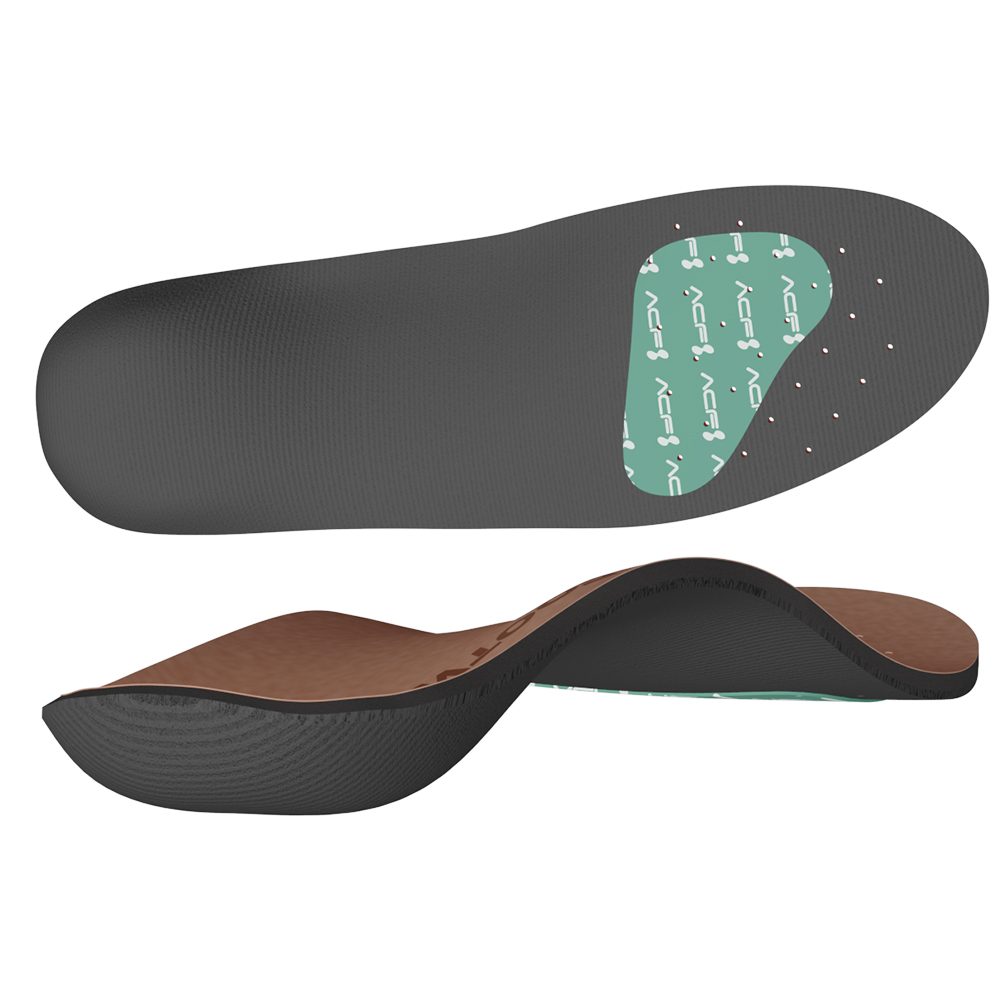
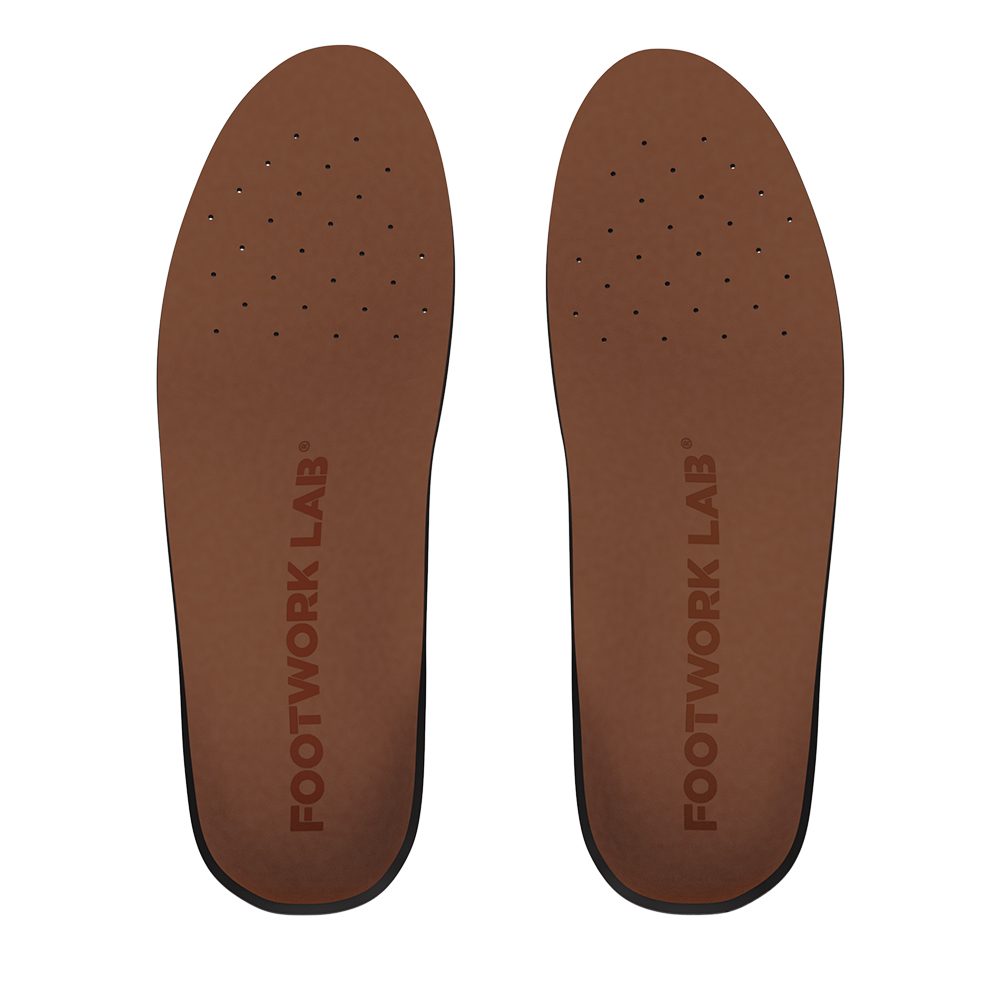
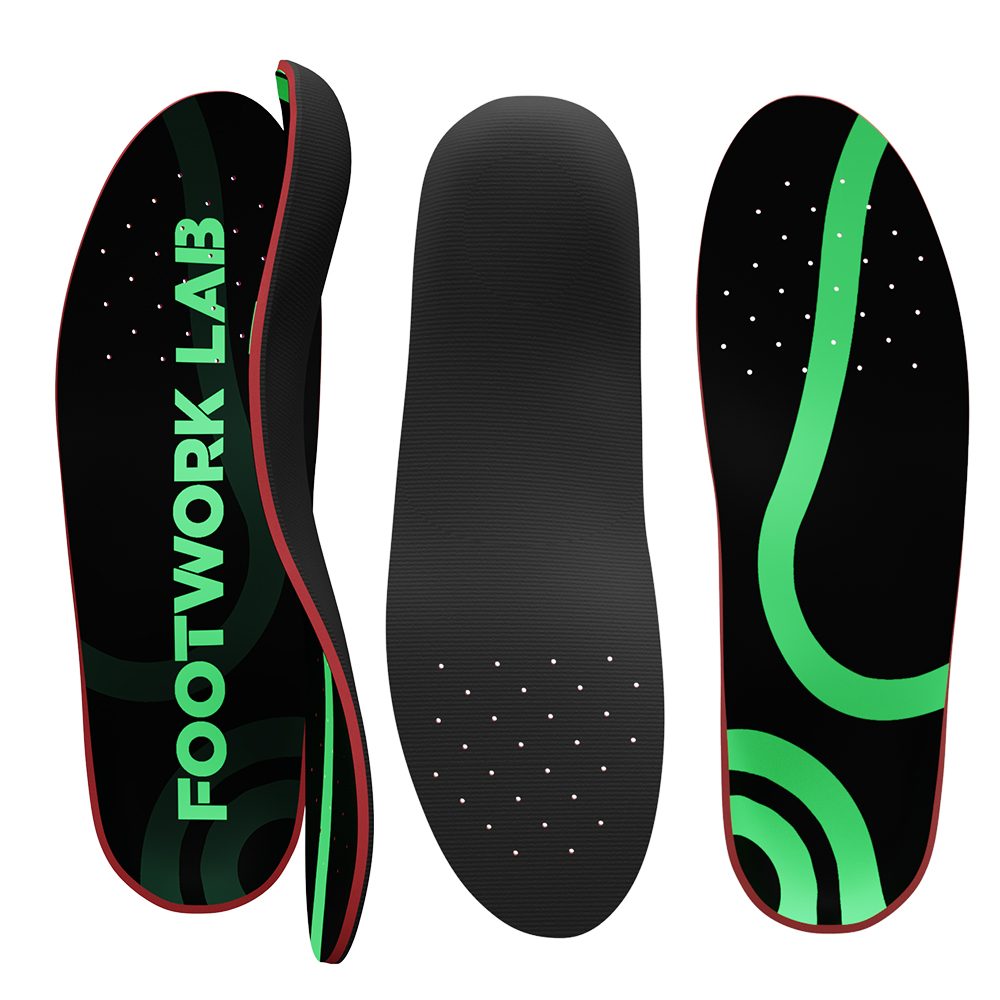
A minority of rehabilitation clients continue to custom insoles, and the record is what makes that continuation orderly. The therapist selects the fields the workshop should receive; the specification travels in writing; the factory builds to it. Our line accepts such briefs at a two hundred pair minimum, mixed across models and sizes, with samples within three days.
The rehabilitation context shapes the brief. Daily hours are long, footwear is often fixed by the programme, and tolerance changes as the programme progresses — all of which belong in the written fields, not in the sensor data. Our template carries them, and the remake clause runs from the specification so a mid-programme revision is a document change rather than a negotiation.
Units that connect records to production report the loop closes cleanly: intake record, programme, review, brief, pair, re-assessment. The loop is not for every client — most programmes end with the record and the plan alone — but for the cases that need it, the same factory conversation covers both the equipment and the production order.
The insole continuation also has a timing rule worth writing into the programme: the brief is written when the programme says the foot’s behaviour has settled enough to design against. A pair formed in the programme’s first weeks fits the first weeks; the review that follows documents why. Practices that time the brief against the programme’s own milestones order fewer revisions and keep the remake clause doing quiet, useful work.
Choosing: a short list for the unit
A unit equipping for foot and ankle work should settle five things. The capture set: standing, walking, posture, and whether they are synchronised. The export: full records, in forms the unit controls. The operation: assistant-runnable, with a written protocol the supplier supports. The environment: cleaning, placement and the reality of the floor. The support: engineer access at therapy-floor distance, warranty in writing.
Then the budget conversation, structured rather than numeric: what is base, what is option, what a service year covers, and what happens when a component fails. We answer all of it in the quotation, on separate lines, because a unit’s procurement committee reads line by line and deserves to.
The unit that settles these five buys once and buys well. The records accumulate, the reviews sharpen, and the instrument becomes what it should be in rehabilitation — the quiet, reliable witness that lets the therapists spend their minutes on the plan rather than on proving that the plan is working.
A closing word on the instrument’s place in the unit’s story. Years in, the records become the unit’s institutional memory: the baselines of clients long discharged, the comparisons that taught the team its own methods, the documents that make case reviews specific. Equipment bought for documentation pays its rent in exactly that currency — and the units that value it buy the storage and export as seriously as the sensors.
Frequently asked questions
What records should an intake assessment capture?
The standing map, the walking timeline where the client can perform it safely, and posture frames in the same session. Stored in full, they become the baseline every review compares against.
Can the equipment track a client's progress?
It documents each session; comparing sessions is how progress is tracked. The instrument does not score or grade — the professional reads the comparison.
Who operates the equipment on a therapy floor?
A trained assistant following a written protocol. The professional reads the records. Equipment needing a specialist for every capture fails in shared-room settings.
Are the pressure and camera records synchronised?
In our systems, yes — captured in one session and presented together. Buyers should ask every supplier to demonstrate the alignment live.
Can records be exported for the unit's own files?
Yes. Our reports export the underlying record as well as the summary, and we encourage buyers to make the export question part of every comparison.
What is the minimum order if a client needs custom insoles?
Two hundred pairs, mixed across models and sizes. For single-client programmes, partner clinics order through mixed production runs; the specification per design travels in writing.
How is hygiene handled on the capture surface?
Surfaces clean with standard clinical products, and the installation guidance covers placement and cable routes. Ask each supplier the cleaning question and verify it against your floor’s routine.
What we would do next
Send us your unit’s client flow and the record set you need at intake and review; we will return a proposal mapped to those steps, with support terms and warranty on lines a procurement committee can read.
For programmes that continue to custom insoles, our production team accepts written briefs directly — one factory relationship covers the records at intake and the pairs that follow.
This article is intended for professional and educational reference. It is not medical advice. Foot assessment equipment produces measurements and images; clinical interpretation and any decision about care remain the responsibility of a qualified professional. Certification scope is limited to the documentation we hold: European Union certification and ISO quality system certification.