
A retailer from a mid-sized Spanish city stands at the fair stand with a phone full of photographs of her shop’s insole wall, and opens with the only words of English she has prepared: “plantillas ortopedicas, I want to order.” The phrase is the right one — it is what her customers type, what her shelves are labelled with, what her supplier catalogue has always been written in — but it is not yet an order, and both sides know it. What stands between the phrase and a container is a specification, and the retailers who write it down before the factory starts are the ones whose third reorder matches their first. This article follows her path as it actually runs: what the search phrase covers in a Spanish-speaking market, the lines a first order has to fill in, how the two-hundred-pair minimum spreads across styles and sizes, what a sample proves before any volume ships, how the order is written so reorders stay consistent, and the terms we confirm from the factory side. It is written for retailers, distributors and pharmacy chains ordering from abroad, not for end customers, and it assumes the reader knows the product better than the factory knows the market.
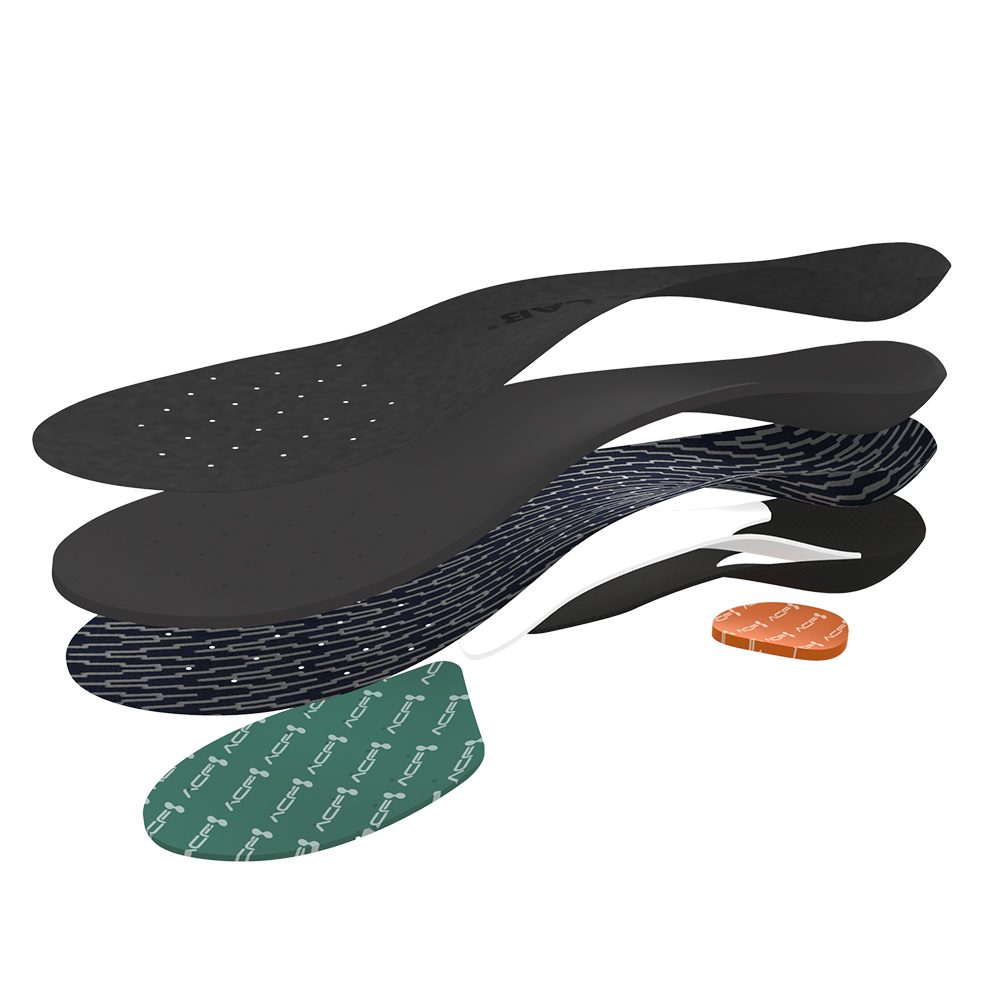
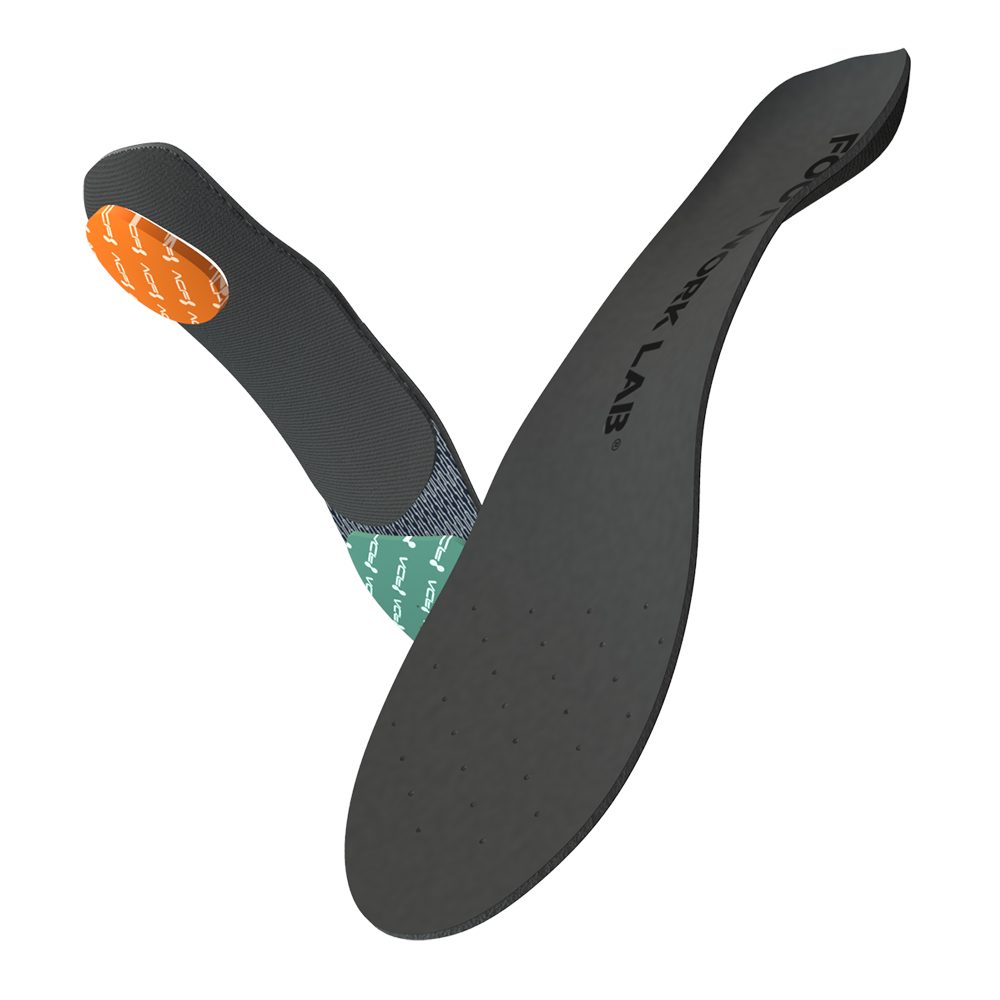
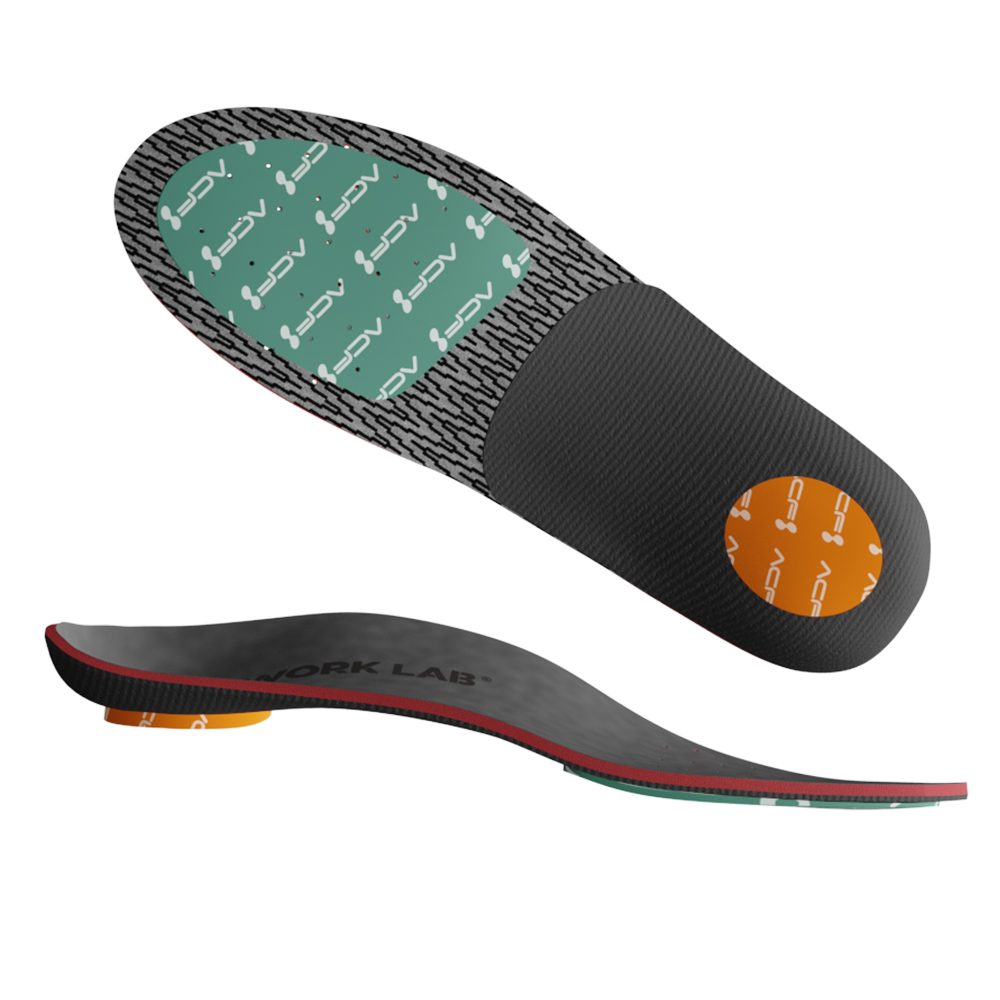
Some context first. The product behind the phrase is a finished insole, built in series: in our own daily range, a mesh fabric top, an Ortholite comfort layer beneath it, and an AQ polymer shaping board carrying the contour. The range splits into three series — daily comfort, recovery care and sport — and each build is graded on four independent levels: support, torsion resistance, cushioning and propulsion. Those words, and not the search phrase, are the vocabulary an order is written in.
What the phrase covers in a Spanish-speaking market
Plantillas ortopedicas is the everyday phrase for orthopedic insoles across the Spanish-speaking world, and it covers more business models than any single shelf. In Spain it is the signage of the ortopedía, the specialist shop that sits between pharmacy and clinic. Across Latin America the same phrase labels pharmacy walls, shoe-store counters, market stalls and the catalogues of private-label brands that sell under their own names. The buyer typing it might be any of these, and the order each one needs is different.
The specialist shop orders depth. Its customers arrive with a professional’s recommendation or a specific complaint, it stocks few styles in full size runs, and its staff can explain a build in clinical vocabulary. The pharmacy wall orders breadth. Its customers buy on trust and on the phrase on the box, it needs many styles at shallow depth, and the packaging does more selling than the counter staff ever will. The private-label brand orders neither — it orders identity: its own packaging, its own size curve, its own grade names, manufactured under agreement.
The phrase also hides a regulatory and linguistic expectation that buyers should name out loud early. Packaging in Spanish, instructions in Spanish, shelf talkers a counter assistant can read aloud — these are parts of the order as much as the builds are, and a factory can only prepare them if the buyer says so before production starts. In our experience the buyers who mention the packaging language in the first message are the ones whose goods arrive ready for the shelf.
What the phrase does not decide, anywhere in the Spanish-speaking market, is the build. Whether a wall carries firm contours or soft comfort layers, sport grades or daily builds, is a question of the retailer’s customers — which is exactly why the specification, and not the keyword, is where the order begins.
The specification the factory needs before it starts
A workable specification answers four questions in writing, and the first is the range: which series, and how deep into each. A daily comfort core, a shallow recovery-care section, a sport selection matched to the local activities — every one of these is a line the buyer fills in, and the factory fills in nothing the buyer has not written. “Send me your normal range” is a sentence that produces a catalogue, not an order.
The second question is the grade mix inside each style. Because the four grades — support, torsion resistance, cushioning and propulsion — move independently, a build can hold a firm contour while staying moderate elsewhere, and the mix is what makes one retailer’s wall different from the next. The grades are chosen against the customers the shelf actually serves: a walking-city population, a running club’s town, a customer base that stands all day in work shoes. The buyer knows these things; the factory cannot guess them.
The third question is the size curve. A Spanish size curve and a Latin American one do not distribute the same way, and a reorder built on the wrong curve produces a shelf full of the sizes nobody asked for. This is the line buyers most often leave blank and most often regret leaving blank, and the honest fix is unglamorous: count what sold last season, and write the curve from the count rather than from memory.
The fourth is the packaging and branding line, and it is where ODM and OEM separate. ODM keeps the factory’s builds under the buyer’s own packaging choices; OEM goes further, with customer packaging, customer naming and customer presentation. Both are accepted on the insole side. What matters is that the choice is written before production, because packaging decided after production is packaging that ships late.
How the two-hundred-pair minimum spreads across a wall
The minimum order is two hundred pairs, and the sentence that matters comes straight after it: mixed styles and mixed sizes are allowed. The minimum is a floor, not a shape. A buyer who reads it as “two hundred pairs of one thing” plans a wall the minimum was never meant to build, and a buyer who reads it as a spread plans the way the minimum was designed to be used.
Worked out across a pharmacy wall, two hundred pairs spread further than most buyers expect. Eight styles, each in three or four sizes, each size in two or three grade combinations, and the order lands at the minimum with a wall that looks deep from the front. The same arithmetic across a specialist shop produces fewer styles and full size runs — same minimum, different shape, because the shop sells differently. The minimum does not dictate the assortment; the assortment decides how the minimum is spent.
The first order should over-weight the styles the buyer is certain about and under-weight the experiments. Every assortment carries a style that teaches the buyer something about her own customers, and the cost of that lesson should be a few pairs, not a corner of the wall. Buyers who balance their first order this way reorder sooner, because the wall never presents them with a full unsold style they have to explain to themselves.
The reorder, not the first order, is where the spread really earns its keep. Once the first season has sold, the buyer holds evidence: which sizes emptied, which grades moved, which styles taught their lesson and exited. A reorder of two hundred pairs written from that evidence tightens the wall in a way no first order can, and the minimum that looked large on day one becomes, by the second season, simply the size of a well-informed refresh.
Samples first: what three days buys
A sample pair ships within three days, and the buyer should treat those three days as part of the ordering process rather than as a courtesy. A sample proves things no specification can: how the shaping board feels under the arch after a full day of standing, how the mesh top behaves inside the shoes the wall’s customers actually wear, whether the grade mix reads the way the grade table promised. The buyer who fits the sample into her own shoes before writing the order writes a different order.
Samples also settle the grade vocabulary between buyer and factory. “Support” is a word both sides use and both sides can mean differently; a sample in a named grade anchors the word to an object. From then on, the conversation runs in objects rather than adjectives, which is the shortest route to a specification that survives translation — and in orders that cross a language boundary, the anchor matters more than usual.
For private-label buyers, the sample stage is where the packaging question gets answered in real objects rather than in mock-ups. A box on a screen is a design; a box in hand, opened the way a customer opens it, with the Spanish text at the size it actually prints, is a decision. Everything the brand intends to promise can be checked at sample stage, when changing it costs a message rather than a production run.
There is a discipline worth stating too: samples decide builds, not volumes. The buyer who samples, confirms, and then orders two hundred pairs is running the process as designed. The buyer who samples six versions, orders none, and waits for a seventh is running a hobby. Three days to ship is the factory’s commitment; the decision after arrival is the buyer’s, and the process works when both halves happen on schedule.
Writing the order so the third reorder matches the first
The specification should end up as a single page, and the discipline of keeping it to one page is not cosmetic. When the order lives on one page, the reorder is a matter of changing the numbers rather than rebuilding the document, and nothing gets silently dropped between seasons. The page carries the range, the grade mix, the size curve, the packaging line, and the delivery terms — five headings, each filled in before production starts.
Each heading does a specific job. The range heading prevents the factory from shipping what it likes making. The grade mix heading keeps the wall’s character stable from season to season. The size curve heading is the one that preserves the reorder’s fit to the market, because curves drift quietly otherwise. The packaging heading protects the shelf presentation, and the delivery heading sets the expectation both sides plan around: express runs six to seven working days, air freight ten to twelve days, sea freight thirty to thirty-five days.
Production capacity on the factory side is worth knowing so the page can be planned honestly. The insole line runs at roughly five hundred to a thousand pairs a day, which means an order at the two-hundred-pair minimum occupies the line for a working day, not a season. What actually sets the calendar is the packaging preparation and the shipping mode, which is why the delivery heading is filled in at the same time as the assortment rather than after it.
The last habit is the one that separates professionals from the rest: version control. Each season’s page gets dated and kept, and the reorder refers to the page by date with only the changes marked. A buyer who does this can answer, in thirty seconds and with evidence, the question every growing business eventually faces — what exactly did we sell in the season the wall worked? — and can ask the factory to repeat it exactly.
What we confirm from the factory side
The terms behind this article are short enough to list. The minimum order is two hundred pairs, mixed styles and sizes freely. Samples ship within three days. Both ODM and OEM are accepted on the insole side. The line runs at roughly five hundred to a thousand pairs a day. Express delivery takes six to seven working days, air freight ten to twelve days, sea freight thirty to thirty-five days. None of these terms changes with the buyer’s language, though the packaging does — and the Spanish-speaking buyers we serve are served with the same plant, the same grades and the same commitments as everyone else.
Two limits belong here because buyers ask about them in the first conversation. We do not publish prices in an article, because a quotation depends on the build, the packaging and the destination; a buyer who sends the one-page specification gets a quotation against it. And we do not promise exclusive territories by default, because most retailers asking for exclusivity are really asking for protection their market share will give them anyway; where an exclusive arrangement makes sense, it is negotiated, not assumed.
We also state, every time, what the product is not. An insole is a built object with grades and a design intent; it is not a treatment plan, and the decision to fit one to a foot with a complaint belongs to a qualified professional. Our packaging carries the reference line, and we ask our retail buyers to keep it there. Retailers sometimes worry the line weakens the sale; in our experience the opposite is true, because it is exactly what makes the pharmacy and the ortopedía comfortable stocking the wall.
What we offer beyond the terms is the specification conversation itself. Send the page — even half-filled — and we will return it with the lines that are missing marked, the grade vocabulary anchored to sample builds, and a delivery plan against the shipping mode. The phrase plantillas ortopedicas started the conversation; the page is what ends it, and the third reorder is what proves it worked.
Frequently asked questions
What does the two-hundred-pair minimum cover?
Two hundred pairs, mixed across styles and sizes freely. The minimum is a floor, not a shape: a pharmacy wall spreads it across many styles at shallow depth, a specialist shop across fewer styles in full size runs. The assortment decides how the minimum is spent.
How quickly do samples ship, and what should they prove?
A sample pair ships within three days. It proves how the build feels under the arch through a real day, how the grades read against their names, and — for private-label buyers — how the packaging behaves as an object rather than a mock-up.
What must a first order specify?
Five lines: the range and series, the grade mix inside each style, the size curve, the packaging and branding choice, and the delivery terms. Anything left blank gets decided by someone who has never seen the shelf, which is the outcome the page exists to prevent.
Is OEM or ODM accepted on the insole side?
Both. ODM keeps the factory’s builds under the buyer’s packaging choices; OEM extends to customer packaging, customer naming and customer presentation. The choice is written before production starts, because packaging decided afterwards ships late.
How long does delivery take?
Express runs six to seven working days, air freight ten to twelve days, and sea freight thirty to thirty-five days. The insole line itself runs at roughly five hundred to a thousand pairs a day, so the shipping mode and packaging preparation set the calendar more than production does.
Can packaging be prepared in Spanish?
Yes, and it should be named in the specification so the artwork is prepared alongside the build. Packaging in the shelf’s language is part of the order, and buyers who state it in the first message receive goods ready for the wall rather than goods that wait on a print run.
Does an insole order need a foot record or a prescription?
A factory order does not; it is built to a specification. The record and the professional’s judgement belong at the fitting stage, in the shop or clinic, where the grade combination is chosen against the foot in the room. The order supplies the range; the fitting supplies the choice.
What we would do next
Draft the one-page specification before the next fair, even half-filled: range, grade mix, size curve, packaging, delivery. Bring it to the stand or send it through the contact page, and we will return it with the missing lines marked and a sample plan attached. The insole range page lists the series and grades in the vocabulary the page should be written in, and the FAQ page carries the sample and minimum-order terms in full.
For the market side of the same trade, orthopedic products sell in order explains how a wall sells in sequence, and a foot care product line covers the assortment around the insole SKU. What a foot and ankle specialist orders from a factory shows the specification from the clinic side, and orthopedic custom insoles describes the builds themselves.
This article is intended for professional and educational reference. It is not medical advice. Foot assessment equipment produces measurements and images; clinical interpretation and any decision about care remain the responsibility of a qualified professional. Certification scope is limited to the documentation we hold: European Union certification and ISO quality system certification.