
The shop is narrow, the back room is full, and the owner has decided to add footcare to footwear before the season starts. She has a plate coming, a bench she has not ordered yet, and a wall of shoe boxes that cannot move. What she does not have is a plan for the floor, and the floor is where this decision is actually made. A fit corner is not a machine in a corner; it is a sequence of three places a customer stands or sits in, in an order that has to feel like service rather than processing. Get the order right and the corner works in a space that looked too small. Get it wrong and a large room feels cramped. This article sets out the three zones, the practical details that decide whether the capture area works on a wet Tuesday, the argument about whether the record comes before the shelf or after it, how the insole wall and the customisation table share what is left, and how a package is built and described without printing a number on it.
The product side of the story is the FX range: daily comfort builds for walking, standing and dress shoes; rehab builds with more structure; sport builds for particular activities. In a shoe shop the daily range does most of the volume, which is why the corner is organised around fitting shoes first and insoles second. The equipment is the entrance to that business, not the business itself.
Three zones and the order a customer walks them
The first zone is the fitting bench: the place where shoes come off and on, where the customer sits with a fitter and works through two or three pairs. Nothing about this zone changes when footcare arrives, which is the point. The corner has to slot into an existing ritual rather than replace it, or the shop has spent money to make its own service feel strange.
The second zone is the capture area: a short run of clear floor, a plate set level with the surface, a screen the customer can see without turning their head, and a chair to take shoes off at. It wants to sit between the entrance and the bench, so that the walk in becomes the first thing recorded and the customer is already barefoot when the fitting starts. That single piece of sequencing removes most of the awkwardness of a first session.
The third zone is the insole table: a small surface with samples out of their boxes, a few cut-away builds showing the layers, and the stock drawer underneath. It belongs beside the till rather than at the back, because the insole conversation happens at the end of the visit, when the shoes are chosen and the customer is deciding whether to add anything.
Walk the three in order yourself before you buy anything, on a normal trading day with customers in the shop. If you have to squeeze past a display, or turn sideways to let someone through, the layout is wrong and no amount of equipment will fix it. The test costs nothing and it is the one most shops skip.
The capture area, in the details that decide it
Floor level matters more than most buyers expect. A plate that sits proud of the floor is a step, and a step changes how people walk onto it: they look down, they slow, they place a foot deliberately. That is fine for a static record and wrong for anything that wants a natural pace. Recessing the plate, or building a short ramp that reads as part of the floor, is a joinery job that should be priced before the equipment is ordered rather than discovered afterwards.
Light is the second detail. Screens are hard to read in a shop window, and a customer who cannot see the report is being shown a phone rather than a record. A position where the screen faces away from the glass, or a hood, or simply a darker corner, does more for the session than a larger display. Reflections on a glossy floor are the same problem wearing a different hat.
Cabling is the third, and it is where installations go wrong quietly. A cable across a walkway is a trip hazard and an inspection finding. Route it under the floor, along a skirting, or in a cover strip that a pram can cross. Leave a service loop at the machine end so that the equipment can be moved for cleaning without unplugging anything.
Then the chair. It should face the screen, not the machine, so the customer sits down and looks at the record rather than at their own feet. It should be close enough that the fitter can talk without raising a voice, which in practice means the whole capture area fits inside a conversation’s distance rather than at opposite ends of the shop.
Record before the shelf, or after it?
Both orders exist in real shops and both can be defended, provided the shop chooses deliberately. Record first suits the customer who arrives with a question: they want to know what is going on before they look at shoes, and the record gives the fitter a reason to reach for one shelf rather than three. It also suits a shop selling the session as a service, because the session then has a clear beginning.
Record after suits the walk-in trade. A customer trying on shoes for a wedding does not want a measurement before the greeting; they want the shoe. Here the record arrives at the end, offered as an extra, and it works best when the fitter has already noticed something worth pointing at — a heel that slips, a width that keeps coming up, a customer mentioning that they stand all day.
The mistake is to run both without deciding which is the default, because staff then improvise and the corner acquires a reputation for being pushy. Pick a default for the shop’s main trade, write it into the routine, and let the other order be the exception that staff can name. A one-line rule on the wall beats a paragraph in a folder.
One thing does not vary: the record never replaces the try-on. A pair that feels wrong in the shop will not be rescued by a good report, and a customer who is told otherwise learns to distrust both the report and the fitter. The record narrows the shelf; the shoe and the wearing decide.
The insole wall and the customisation table
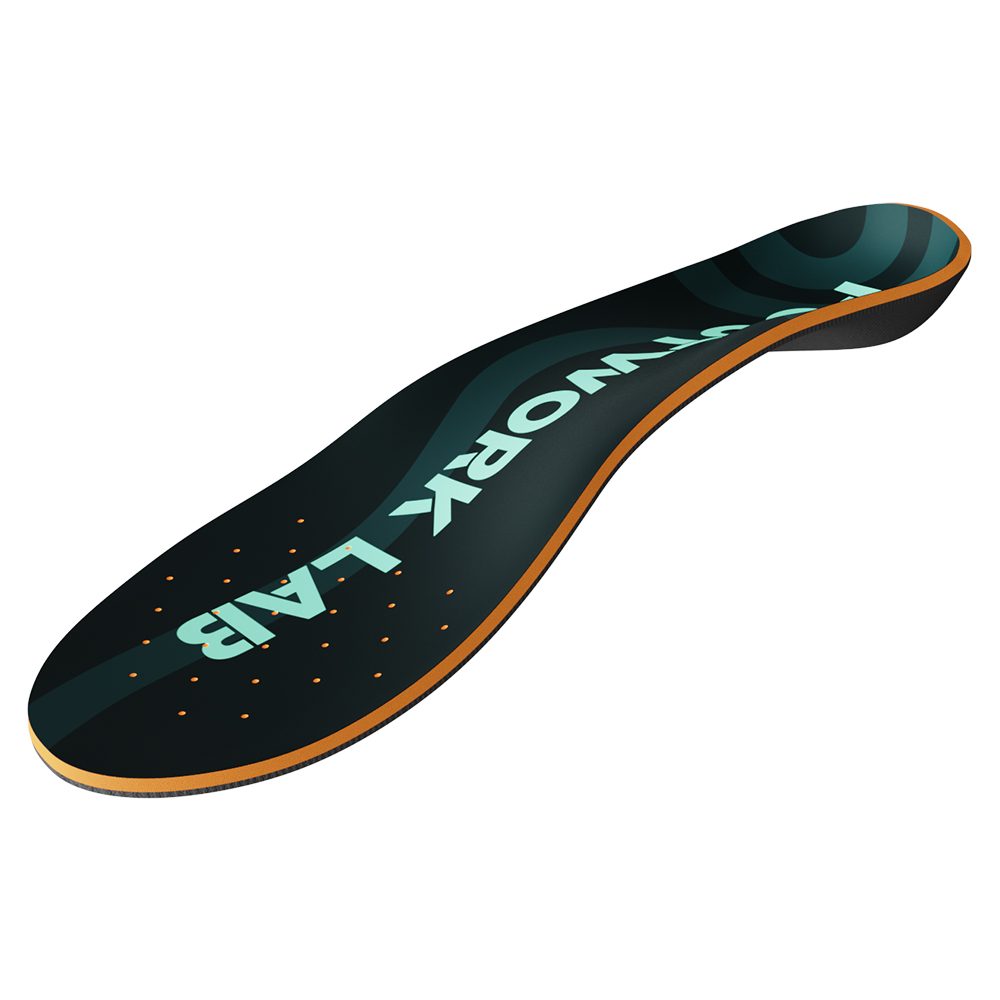
Two different things sit at the end of the visit and they should not be confused. The insole wall is retail: boxes in a graded range, a size run, a sample out of its box so the layers can be handled. The customisation table is service: a heat box, shaping pillows in adult and child sizes, the auxiliary pieces, and a pair being made while the customer waits. One is stock, the other is an appointment.
The two also want different positions. The wall belongs in the line of sight from the bench, so that a customer sitting down with a shoe half on can see that something else is on offer without being sold to. The table belongs slightly out of the main walk, with room behind the operator and a surface that can be cleared in one movement when the shop gets busy. Putting the table in the window looks impressive and blocks the one place where a small shop cannot afford an obstacle.
Most shops start with the wall and add the table later, and that is usually the right order. The wall sells the daily range to customers who never book anything, and it teaches staff which builds people actually choose. The table earns its place when the shop is producing enough fitted pairs to justify an operator’s time, which is a different question from whether the equipment is impressive.
Stocking the wall is easier than shops fear. The minimum order on our insole side is two hundred pairs, mixed styles and sizes, so a first order can be spread across the range rather than committed to one build. Samples ship within three days, which means a shop can test a build in a real shoe before it commits the shelf to it.
The wall needs a discipline as well as a stock level. Keep one sample per build out of its box and reachable, keep the drawer labelled by size rather than by style, and put the cut-away where a customer can pick it up. A wall of sealed boxes sells nothing; a wall where a customer has already held the product sells the second pair.
Building the package without naming a price
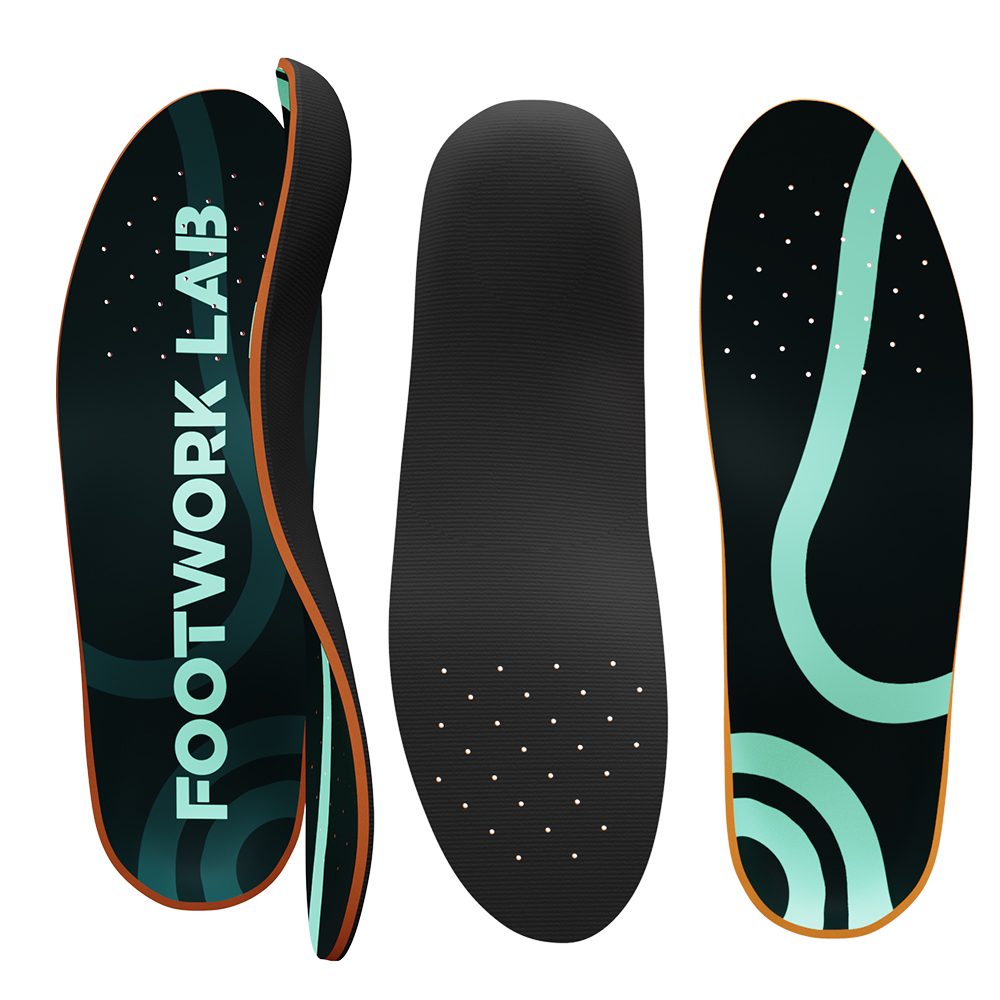
A fit-corner package is a composition, and the composition is what a shop should design first. Ours would read: a short session that produces a record; a fitting conversation that uses it; a pair of insoles at whichever grade the customer’s use calls for; and a retest at a point the shop sets in advance. Four parts, each of which can be sold alone, and a fifth optional part — the printed report — that some customers value and others ignore.
What varies between shops is not the composition but the weights. A shop near a running club will sell more sport builds and more retests. A shop in a retirement town will sell more daily and rehab builds and fewer sessions. A shop inside a clinic will sell the session and let the clinician handle the rest. The design work is deciding which part carries the margin and which part exists to bring people back.
We do not publish prices in an article like this, because a quotation depends on the build, the quantity and the destination, and a number printed here would be wrong in most of the places it was read. What we will discuss is structure: which parts are one-off, which are repeatable, which belong in a bundle and which should never be discounted because they are the reason the customer returns.
The one structural rule we would pass on is that the record should not be given away free as a lure. A session that costs nothing is valued at nothing, and the customer who was given a free scan is the least likely to book the retest that makes the file worth keeping. Charge for the session, or bundle it with a purchase, but let it have a price inside the package even if that price is never printed.
The retest is the part most packages leave vague, and it is the part that decides whether the corner has a business or a novelty. Set the interval when the pair is handed over: a season for a daily-wear pair, sooner for a customer whose activity has changed, later for one who simply wants a replacement. A retest booked at the till is worth more than a card left in a bag, and a shop that keeps the date in its own diary starts the next visit rather than waiting for it.
Running the corner on a Saturday
The corner will be judged on its worst day, not its best. On a Saturday there is one person on the floor, two customers waiting, and a delivery at the back door. If the routine needs a specialist standing over it, the corner closes at eleven and stays closed. The design question is therefore not what the equipment can do but what one trained person can run while also serving the till.
That points to a short session with a fixed shape: shoes off, a static record, a few crossings, the report on screen, two minutes of conversation, shoes on. Everything that can be prepared in advance should be — the plate clean, the screen awake, the report template loaded, the chair in position. The operator’s attention is the scarce resource, and every avoidable click spends it.
It also points to a second person being trained, not a second person being hired. Two staff who can each run the routine badly on a busy day are worth more than one who runs it perfectly and is never there. In our experience the shops that make this work have a written page, a named backup, and a rule that the session is offered rather than pushed when the queue is long.
And it points to saying no gracefully. When the shop is full, “come back at four and we will do it properly” is a better sentence than a rushed session that produces a record nobody trusts. The customer who is turned away with a time is a booking; the customer who is hurried through is a review waiting to happen.
Frequently asked questions
How much floor space does a fit corner need?
Less than most owners assume, if the three zones share a walking line: a bench, a short run of clear floor for the plate with a chair at one end, and a small table near the till. The binding constraint is usually the clear approach and exit rather than the equipment footprint. Walk the route with customers present before ordering anything.
Does the capture area need its own room?
No. A separate room is easier for privacy and light control, but a corner works when the screen faces away from the window and the plate sits level with the floor. Many shops run sessions in the open with a chair and a screen, and customers seem to prefer it to being taken somewhere private.
Which comes first, the scan or the shoes?
Choose a default and write it down. Record first suits customers who arrive with a question and shops selling the session as a service; record after suits walk-in shoe trade, with the measurement offered at the end. Running both without deciding is what makes a corner feel pushy.
How much insole stock does a first order need?
Our minimum is two hundred pairs, mixed styles and sizes, which lets a shop spread a first order across the daily, rehab and sport builds instead of committing to one. Samples ship within three days so a build can be tested in a real shoe before the shelf is stocked with it.
Can the corner sell insoles without the equipment?
Yes. The wall sells on fit and feel alone, and many shops start there. The equipment changes the conversation rather than the stock: it gives the fitter something to point at, and it creates the retest that brings the customer back. Neither is a precondition for selling a daily pair.
Who should run the session?
Whoever is on the floor, provided they have been trained on a written routine and know the boundary: describe the record, fit the shoe or the insole, refer when the conversation turns clinical. Train two people rather than one, because the corner is judged on the days the specialist is absent.
Does the shop need to keep the records?
Keeping them is the point, provided the customer agrees and the shop can retrieve them. A file that cannot be found at the retest has no value. Decide where records live, who can export them and how a customer’s request for their own file is handled, before the first session rather than after.
What we would do next
Draw the floor plan on a sheet of paper with the door, the till and the bench marked, then walk the three zones in the order a customer would. Mark where the plate goes, where the chair faces, and where the cable runs. Send a photograph of that sketch through the contact page and we will tell you what usually goes wrong at the join between the capture area and the bench.
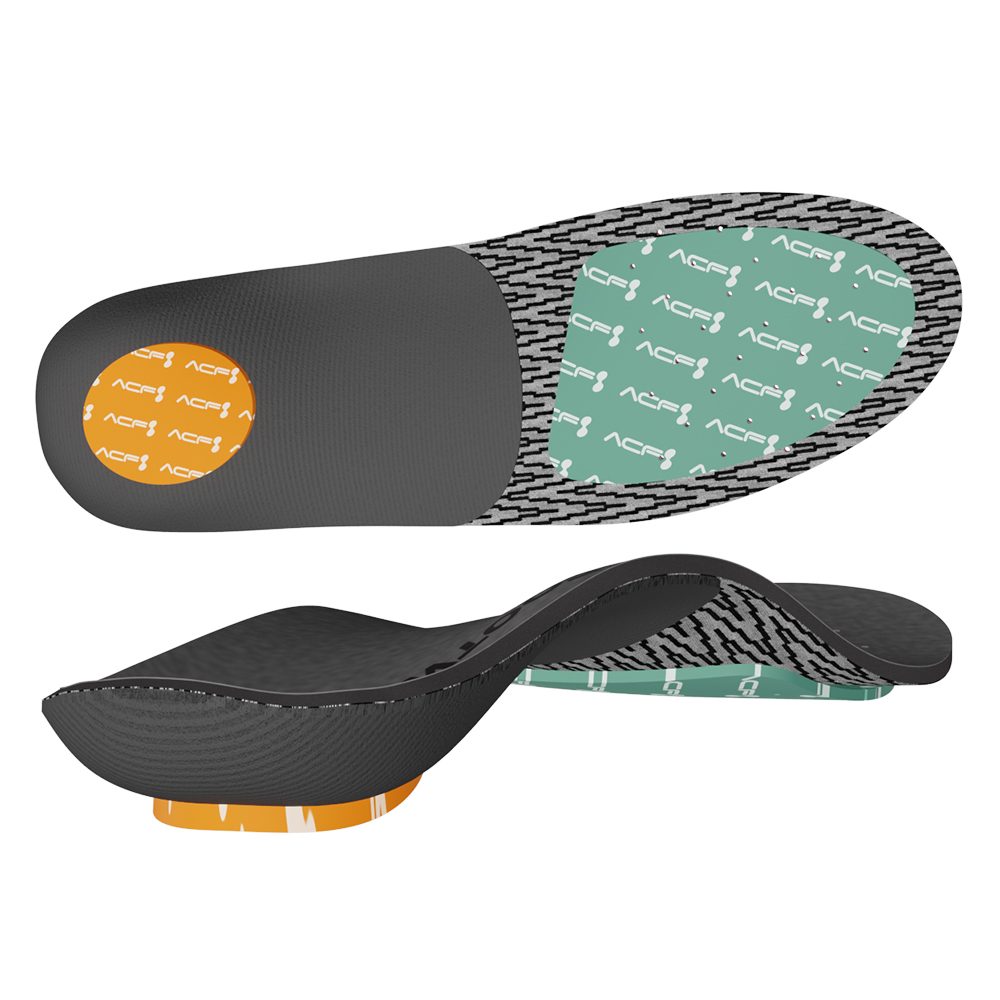
The insole range page lists the three series, the four grades and the construction of the daily build, which is the part of the range a shoe shop sells most of. If the corner is going into a clinic rather than a shop, say so in the message; the layout advice changes.
This article is intended for professional and educational reference. It is not medical advice. Foot assessment equipment produces measurements and images; clinical interpretation and any decision about care remain the responsibility of a qualified professional. Certification scope is limited to the documentation we hold: European Union certification and ISO quality system certification.