
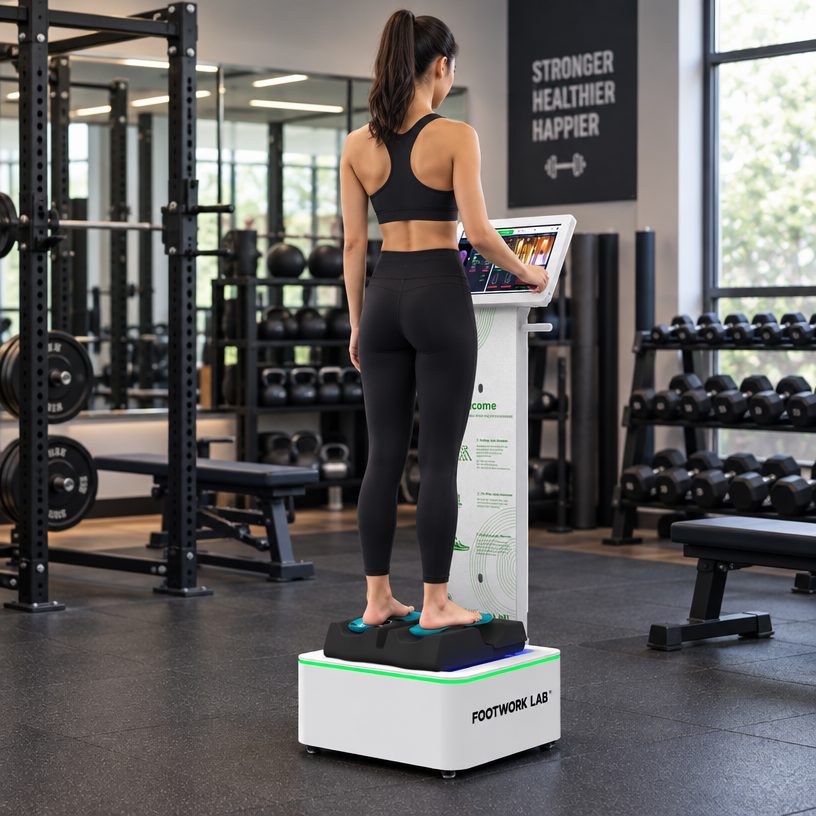
Comparing Foot Assessment Equipment Without Being Misled by a Specification Sheet
A comparison method that survives sales conversations: sensor first, software second, terms third, and the demo conditions that make results comparable.
nes
A comparison method that survives sales conversations: sensor first, software second, terms third, and the demo conditions that make results comparable.
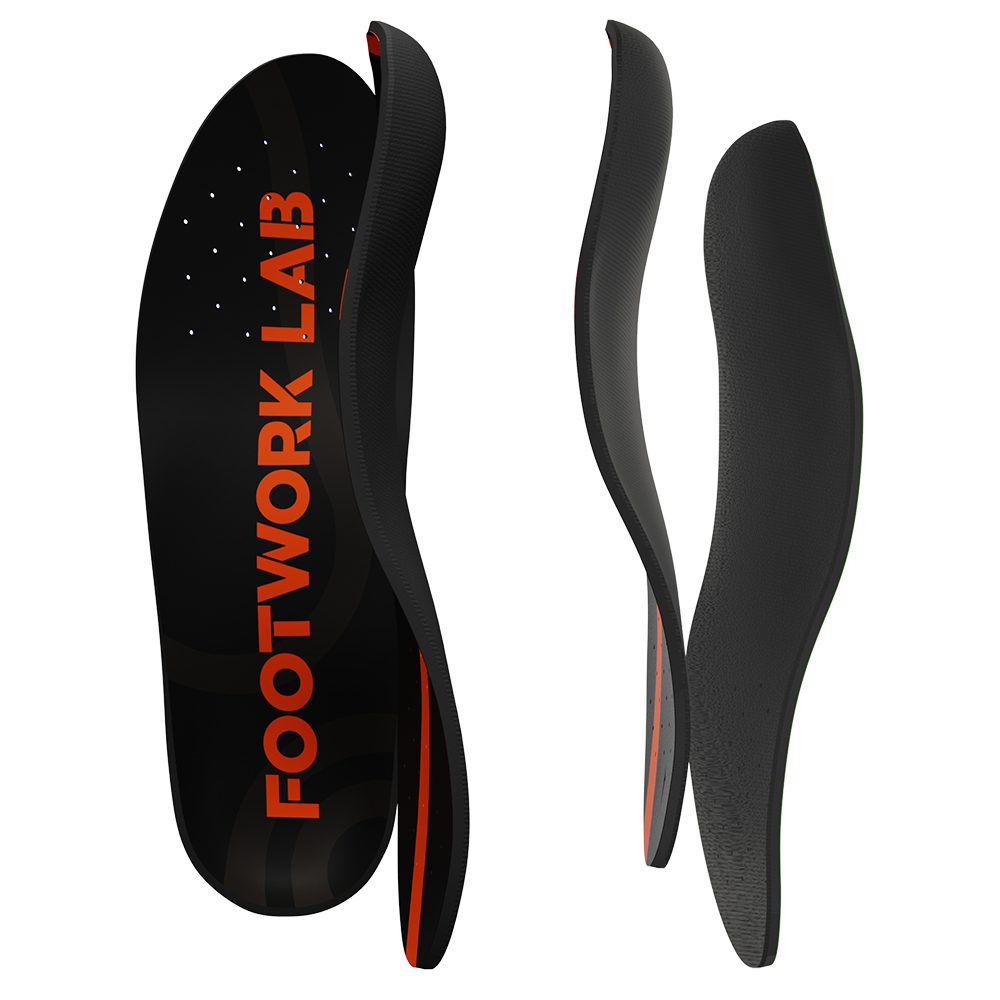
Functional and accommodative orthotics do different jobs. How to tell them apart, and why the specification sheet should follow the purpose.
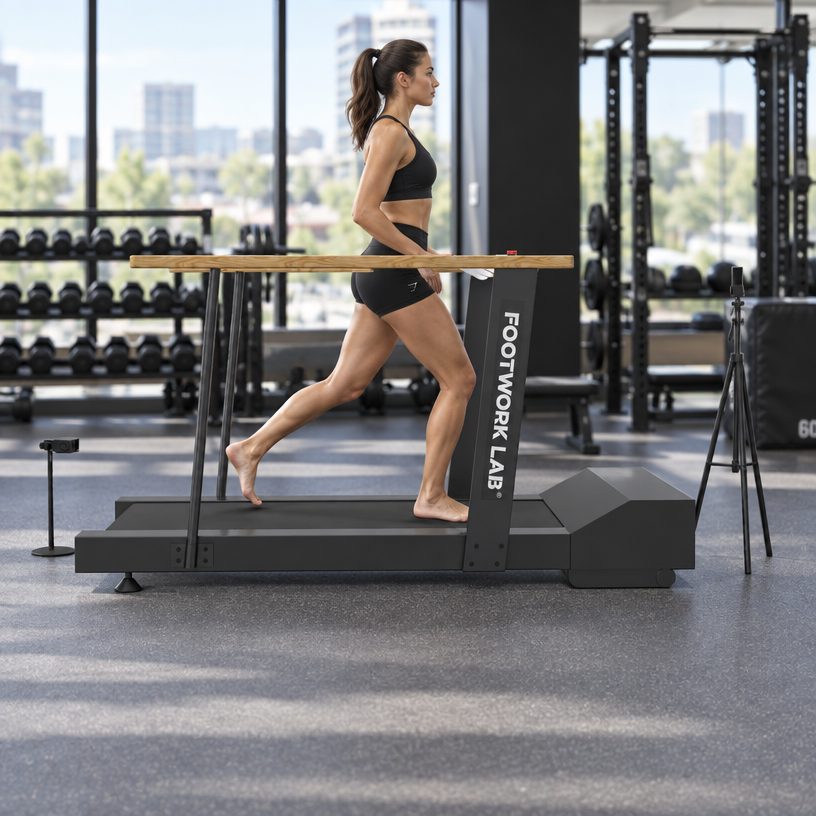
A plain reading of regions, peaks, timing and left-right comparison, plus the questions each panel is actually qualified to answer.
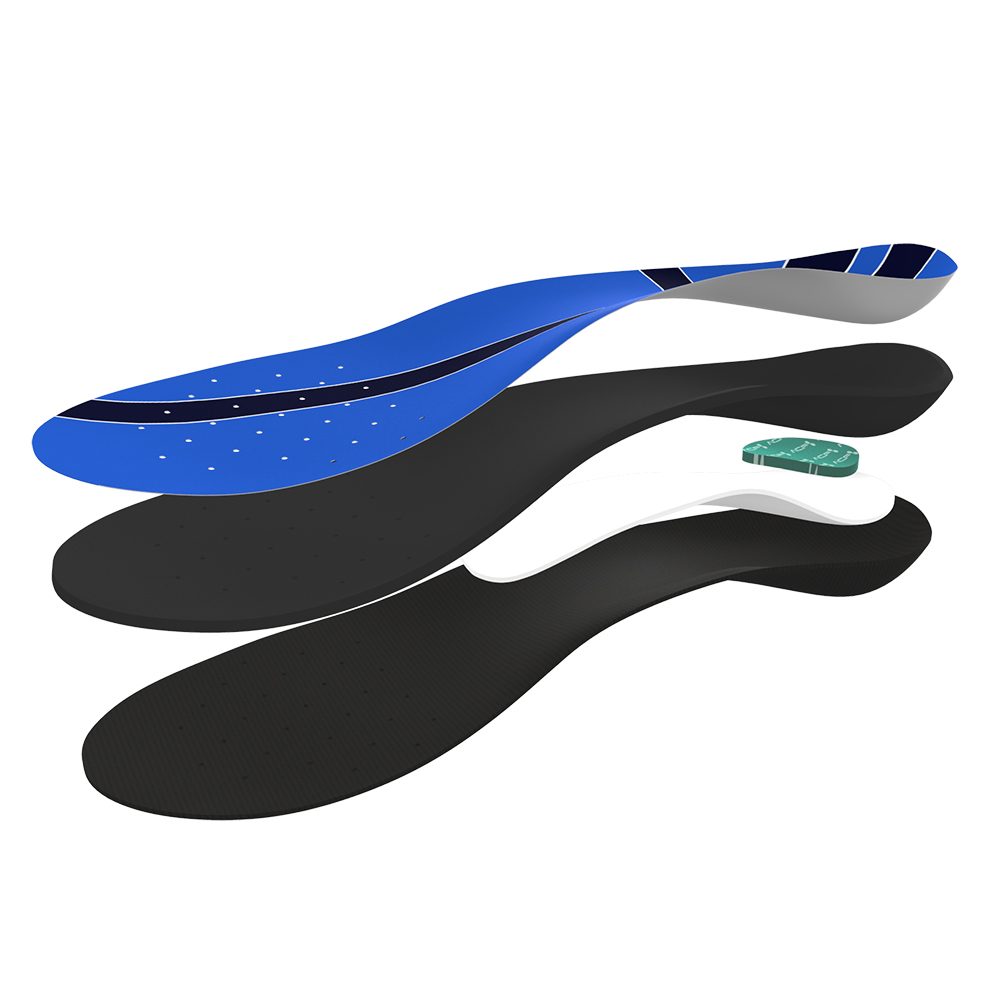
What the category label covers, where retail inserts end, and what changes when the order goes to a factory with MOQ, mixing rules and remake terms.
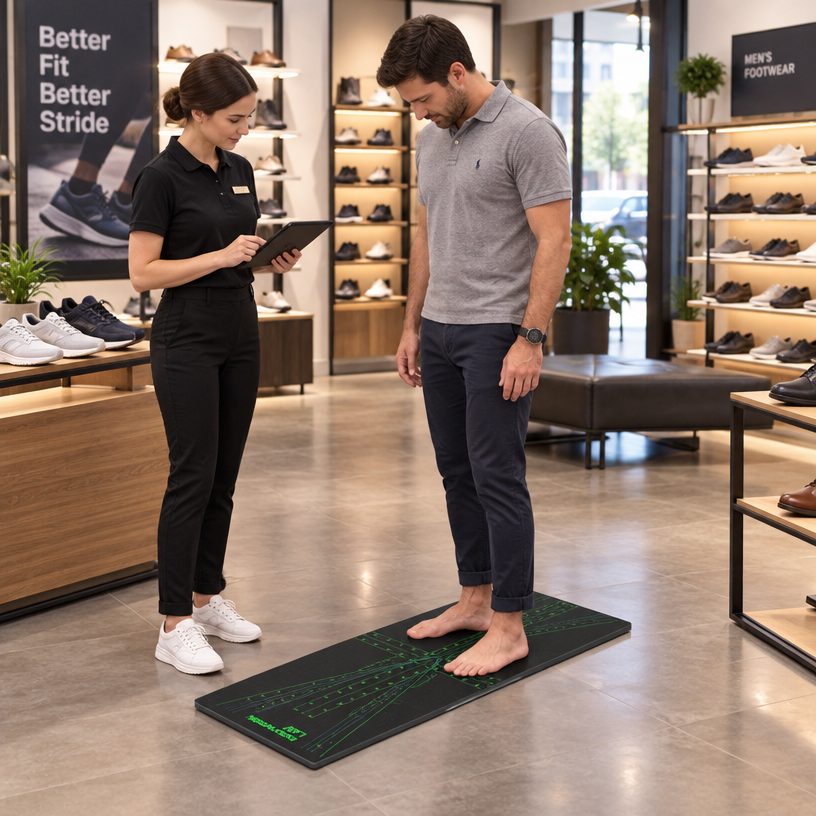
Two instruments, two questions: shape versus load. What each records, what each misses, and how to decide which one your room actually needs.
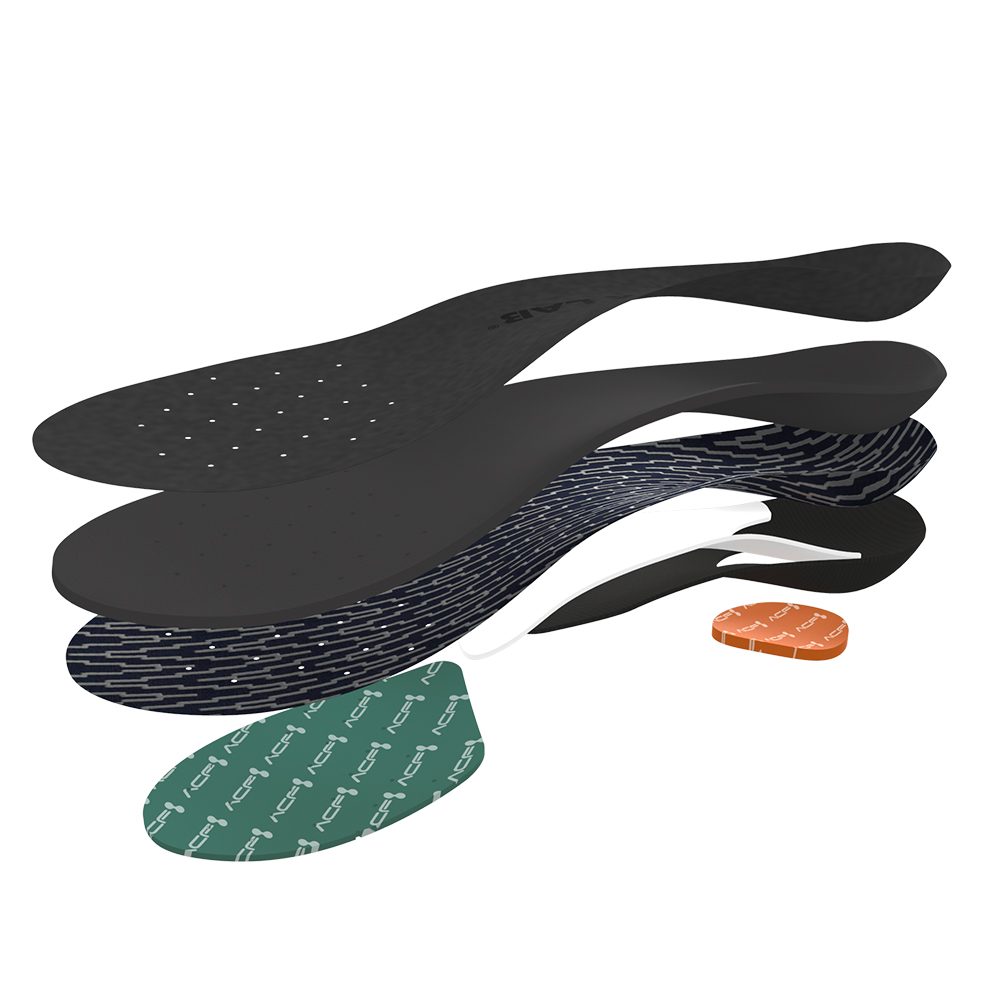
The molding step explained plainly: heat, pressure, cooling, tolerances, and the checks that decide whether a pair matches the design file.
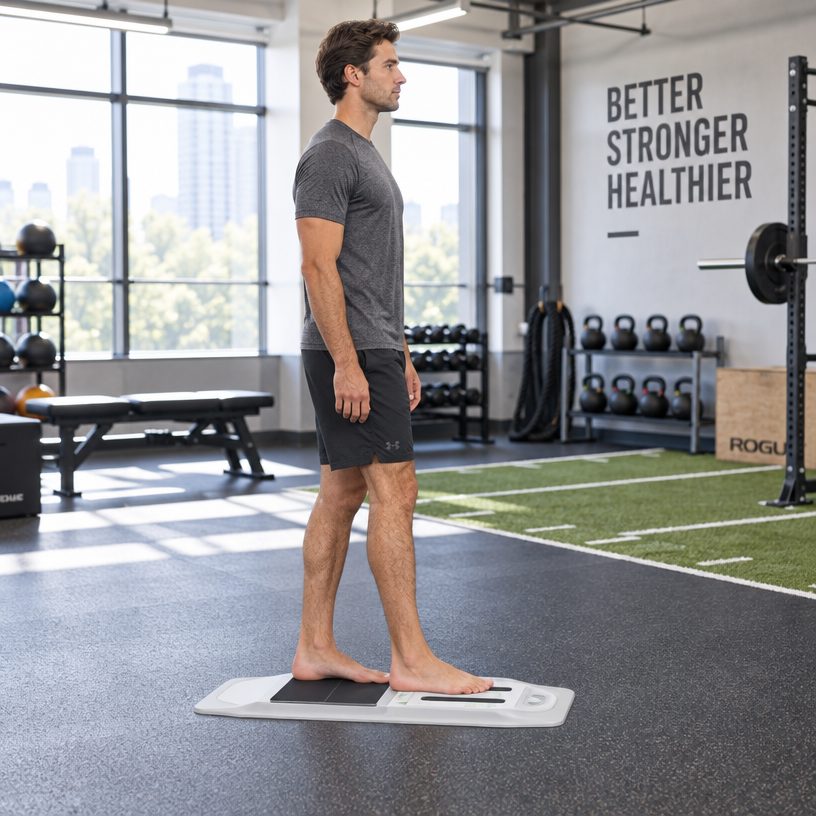
The search phrase promises a ranking; a clinic decision needs a fit. Match the machine to the appointment structure instead of the leaderboard.
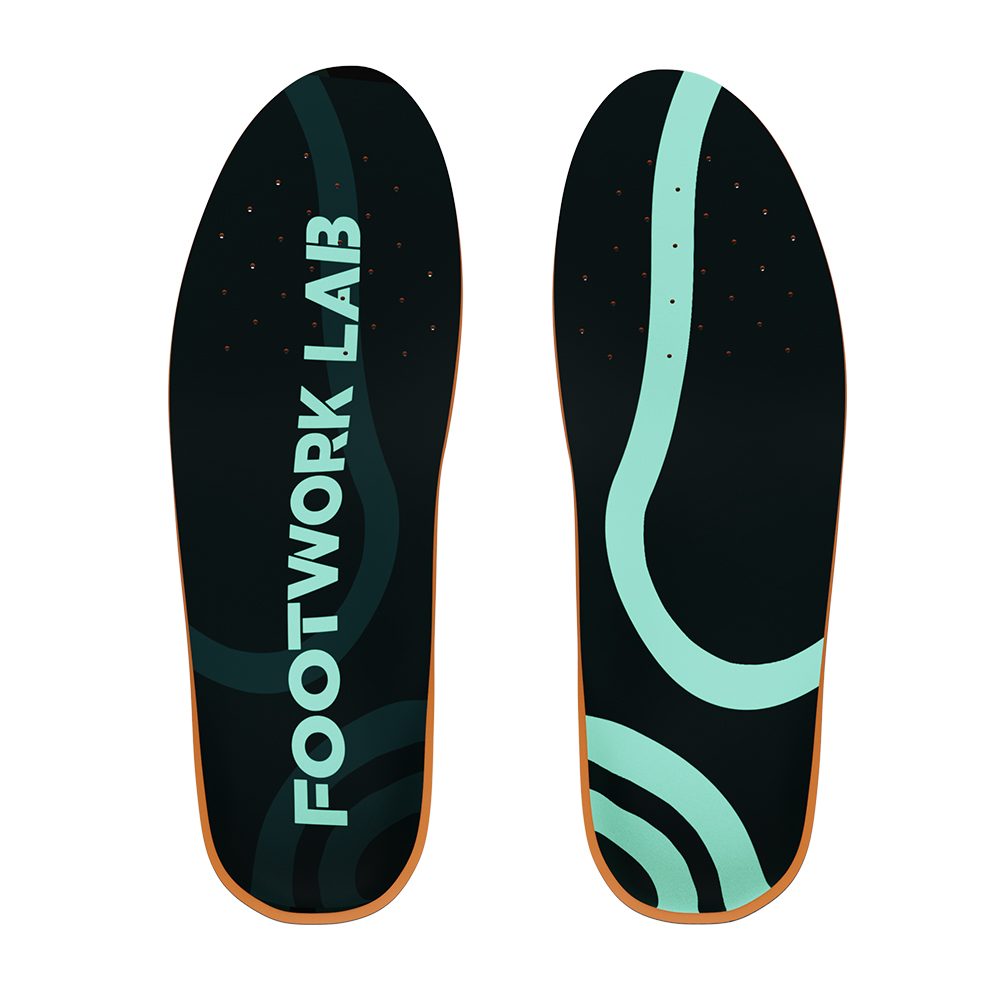
Custom is a production promise, not a label: measurement, mixing rules, remake policy, capacity and lead time, all defined before the order.
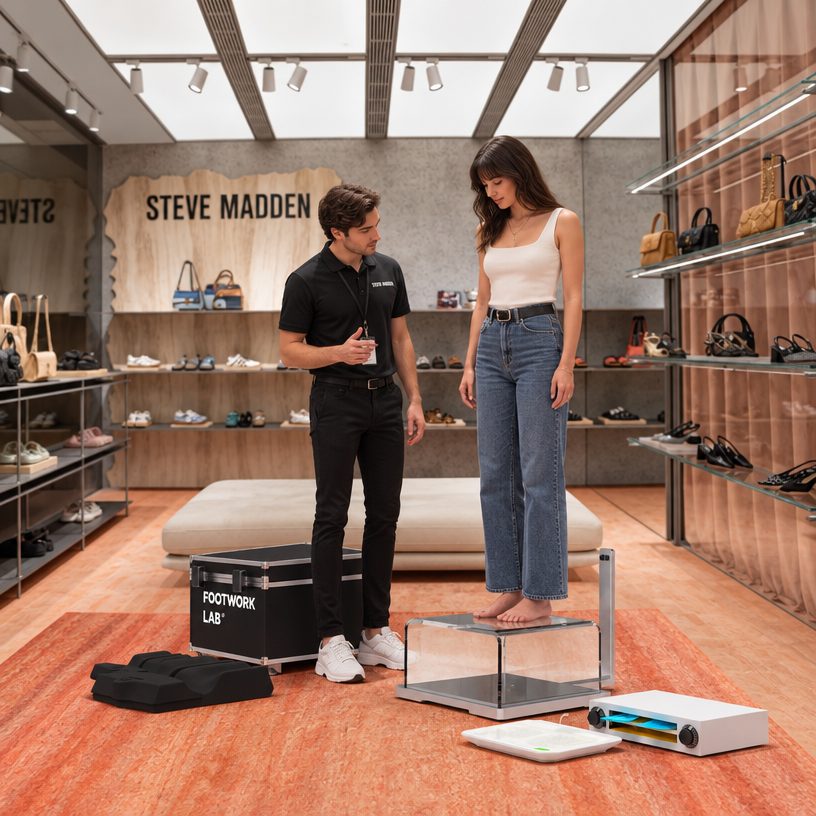
A supplier conversation about a viewing instrument: what it displays, what it does not measure, and how it sits next to pressure mapping in the same room.
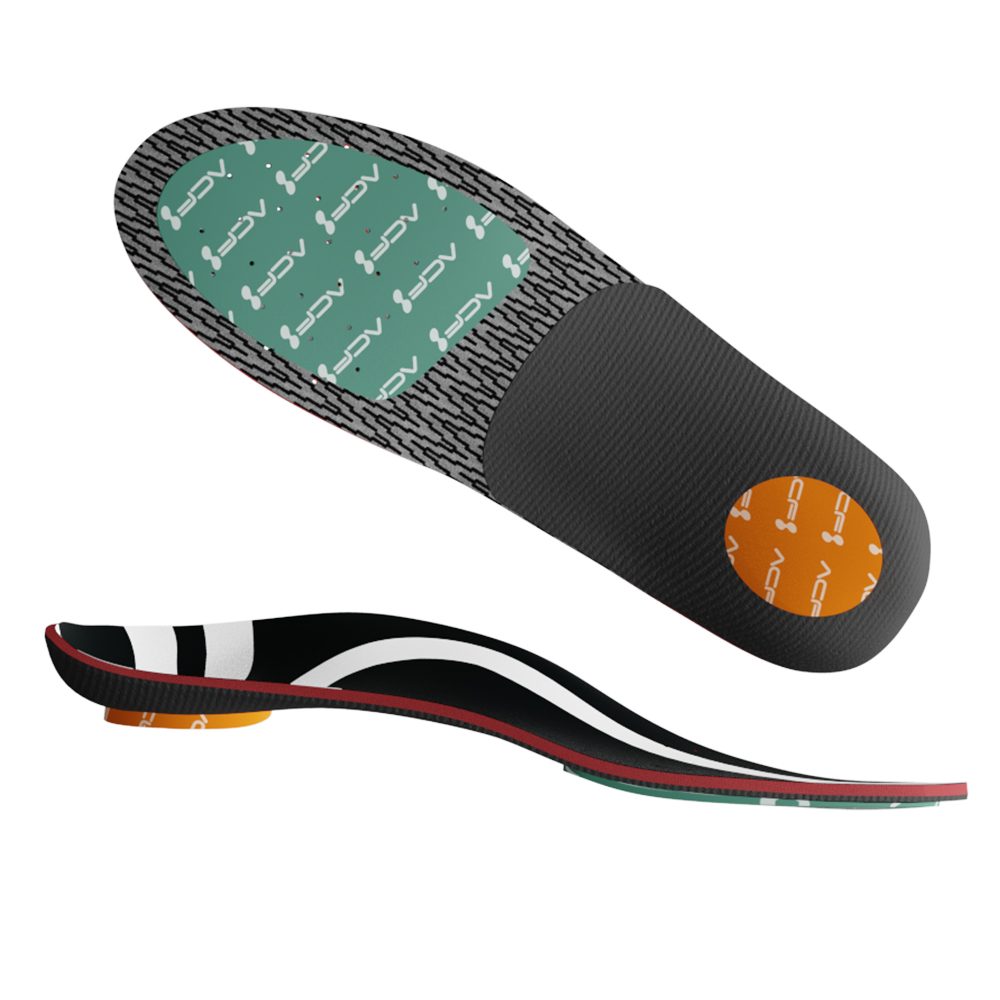
From a pressure map to a finished pair: which parts of the record drive the design, which stay context, and how the customer confirms the result.