
No part of an insole is marketed harder or understood less than the arch piece. It is the contour every retail shelf points at, the feature every listing mentions, and the word every client repeats back. It is also one component of a measured product — with a real job, a real boundary and a real set of manufacturing questions — and the gap between the marketing and the reality is where most arch-support disappointments are manufactured.
We build custom orthotic insoles at five hundred to a thousand pairs a day, and the arch region passes through our design and production workflow on every single pair. This article explains what the arch piece does in a measured product, what it cannot do on its own, how its height and firmness are actually specified, and what a buyer should ask when a supplier’s pitch is mostly about that one contour.
The tone throughout is the one we use with our own customers: the arch piece matters. It is simply not a product by itself, and treating it as one is how the category’s most common complaint begins.
What the arch region does in a real product
The arch piece has one physical job: to occupy the space between the sole’s arch region and the shoe’s insole, so that load which would otherwise concentrate along the arch’s edges is spread across a broader contact. Done from a measurement, it is shaped to a specific foot’s geometry and a specific load record’s distribution. Done from a size chart, it is shaped to an average that happens to be near somebody’s foot.
In a measured product, the arch contour is specified from two records working together. The pressure record shows how load distributes across the sole — including whether the arch region is bearing weight it does not seem distributed for. The posture record shows how the foot is arranged above it. The design then decides the contour’s height, its extent and its firmness — three separate decisions that the single word “arch support” flattens into one.
That flattening is the first thing to unlearn. Height without extent is a bump; extent without firmness direction is a pillow; all three without the load record are a guess. A build sheet that respects the component states all three per side, because the two sides of a real client rarely ask for the same geometry — one of the quiet advantages of custom production over any sized product.
And the arch piece works as part of a structure. Its effect depends on what sits under it (the shell’s contour and material), what surrounds it (the heel cup, the forefoot regions) and what sits on it (the cover). The same arch piece on two different build sheets produces two different products, which is why serious factories specify the component in the context of the pair, never alone.
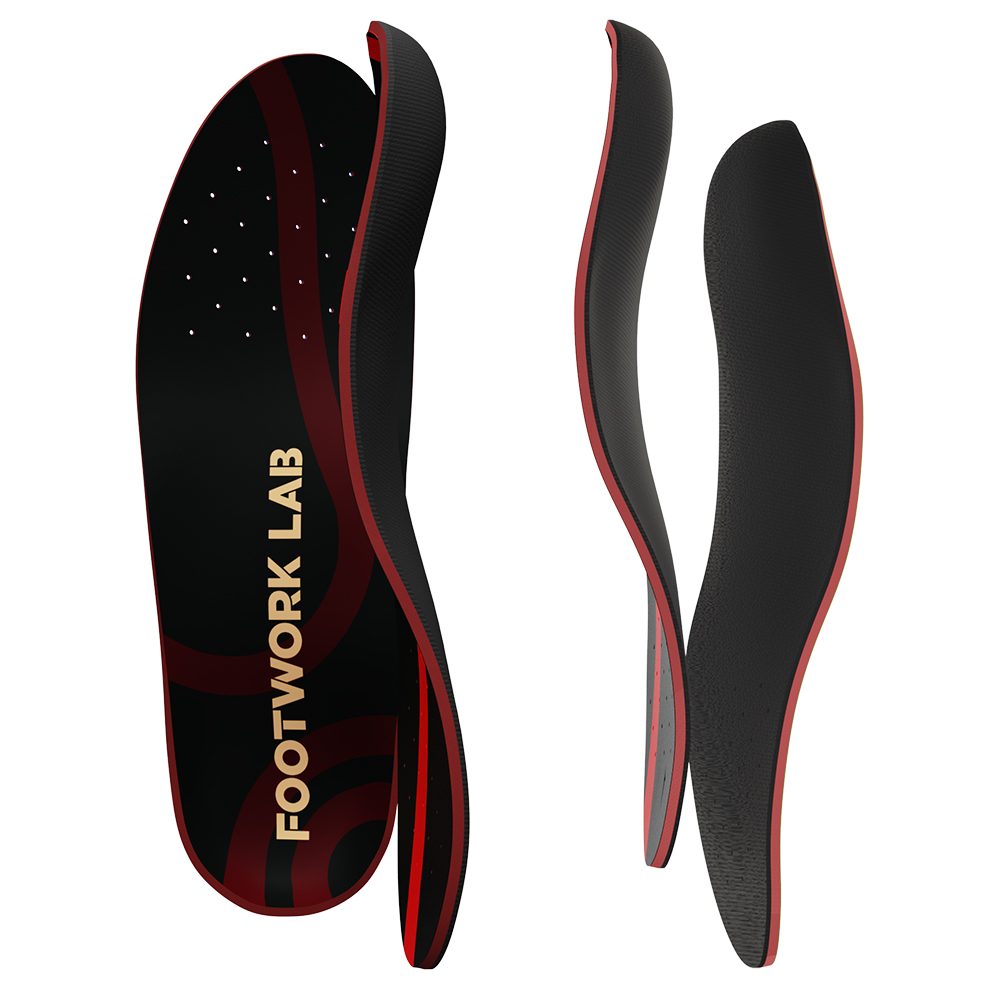
A brief anatomy note helps the rest of the article land. The arch region of the foot is not a structure with one unchanging shape; it is a structure that changes shape with load, which is precisely why it rewards measured design and punishes guessed design. A contour specified from a record engages the region as it behaves; a contour specified from a chart engages the region as the chart assumed it to be. The distance between those two is where the component’s reputation was made and lost.
What the arch piece cannot do
It cannot carry the product alone. A contoured arch region on an otherwise flat sheet is a component in search of a structure; the load the arch region influences is still landing through the heel, the forefoot and the shoe itself. Products marketed as “an arch support” rather than “an insole with a specified arch region” are inviting the reader to believe one contour does a structure’s work.
It cannot be prescribed from a photograph, a footprint or a description. The arch region’s behaviour under load is exactly the part of the foot’s geometry that changes with weight-bearing — which is why a measured design uses records taken under documented conditions rather than shapes taken from arbitrary moments. A footprint shows where the sole touched on one occasion; the arch piece in a custom product is built for how load behaves, not how it looked.
It cannot override the shoe. Depth, flexibility and the geometry of the footwear decide whether the contour is occupied as designed or compressed into decoration. Our context sheet asks for the named footwear on every order — not for paperwork, but because the arch region is the part of the device most sensitive to the space it is given. The same pair in two different shoes can deliver two different results, and no factory can design around a shoe it was not told about.
And it cannot promise outcomes. The component influences how load is distributed — that is its construction, verifiable against the build sheet. What that distribution means for any individual, and what should follow, remain professional judgements. Suppliers who attach promises to a contour are describing a product that does not exist, and the habit of attaching boundaries instead is one a buyer can test in a single conversation. Ask any candidate supplier to finish the sentence “this contour supports load distribution as designed, and” — and listen to what follows. The suppliers who stop there are the ones whose other sentences can be relied on; the ones who continue into outcomes have told you everything you need about the rest of their brochure.
How height and firmness are actually chosen
In a measured workflow, arch height starts from the record, not from a catalogue ladder. The pressure and posture records describe the region’s geometry and behaviour under load; the design proposes a contour that occupies the relevant space; the professional adjusts for the client and the footwear. The result is a height in the factory’s dimensional vocabulary — specified, checkable, reproducible on reorder.
Firmness is a separate material decision, made region by region. The arch region can be built firm on a shell that gives elsewhere, or giving on a shell that holds elsewhere, and the choice belongs to the design conversation informed by the wear profile — hours, surfaces, activity. “Firm” as a single overall specification produces a single overall compromise; region-by-region firmness is a standard request on our line that simply has to be asked for.
Extent — how far forward and backward the contour runs — is the third and most neglected decision. Too short and the contour ends where the load continues; too long and it intrudes on regions that asked for nothing. The load record’s regional distribution is what makes extent a specification rather than a preference.
Every one of these three decisions is recorded on the build sheet per side, checked at production against tolerances, and kept with the order. The records are what make a reorder in a year produce the same contour rather than a similar one — the quiet, unglamorous benefit of buying from a factory with a documents discipline.
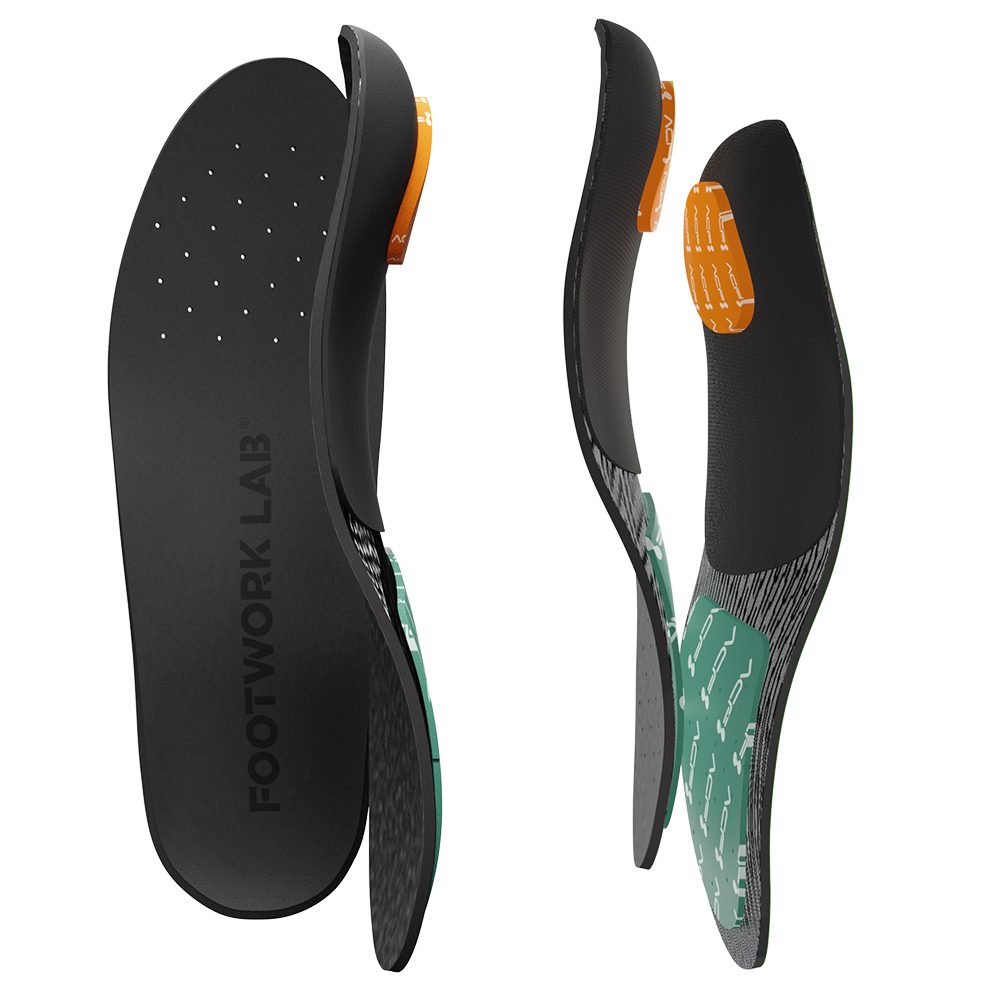
Symmetry deserves its own sentence in this section. The two arch regions of a real client rarely ask for the same contour, and a production process that mirrors one side onto the other has discarded the difference before production begins. Per-side specification is standard on our build sheets — height, extent and firmness stated separately for left and right — and it is one of the clearest visible markers distinguishing measured products from sized ones.
Sized products, measured products, and the space between
Retail arch supports are sized products: contours built to a ladder of averages, chosen by shoe size and comfort preference. For many wearers they are a reasonable product at a reasonable price, and there is nothing dishonest about a well-made sized support honestly labelled. What the label cannot claim is individual fit — and the buyer who needs individual fit needs the production route.
Between the two sits a grey market worth naming: products sold with a quick capture — a footprint mat, a phone photo, a kiosk scan — feeding a set of preset contours. These borrow the language of measurement while delivering selection. The test is the same one this site applies everywhere: did a documented record enter the design, and can the design summary show where? A preset chosen “from your scan” is still a preset; it simply paid for the scan.
Genuine custom production shows its difference in the paperwork. Our orders carry a design summary with the arch region specified in height, extent and firmness per side, connected visibly to the records that informed it, confirmed in writing before production. The specification is what makes the product checkable — by the buyer, by the remake conversation, by the reorder a year later.
Buyers moving from sized to custom products should expect the conversation to get longer and the product to get more specific. The extra conversation is not friction; it is where the individualisation actually happens. A factory that skips the conversation and ships “custom” quickly is telling you which of the two it really sells.
For readers who serve both markets — retail on one shelf, custom behind the counter — the two product types complement rather than compete. The sized product answers the walk-in who wants help today; the measured product answers the client whose situation deserves individual work. Rooms that describe both honestly convert more of the first group into the second over time, because the honest description of the sized product is itself an advertisement for the measured one.
Questions that test an arch-support claim
Ask where the contour’s height came from, and listen for a record rather than a ladder. Ask whether the two sides are specified separately. Ask which material the arch region uses and why, in terms of the client’s wear profile. Ask what tolerance the contour is produced to and how it is checked. Ask what happens on a reorder — same build sheet, or a fresh guess?
Five questions, none of them hostile, all of them answerable in minutes by a factory that builds the component from measurements. The supplier who answers well has earned a serious look; the supplier who answers in adjectives has answered.
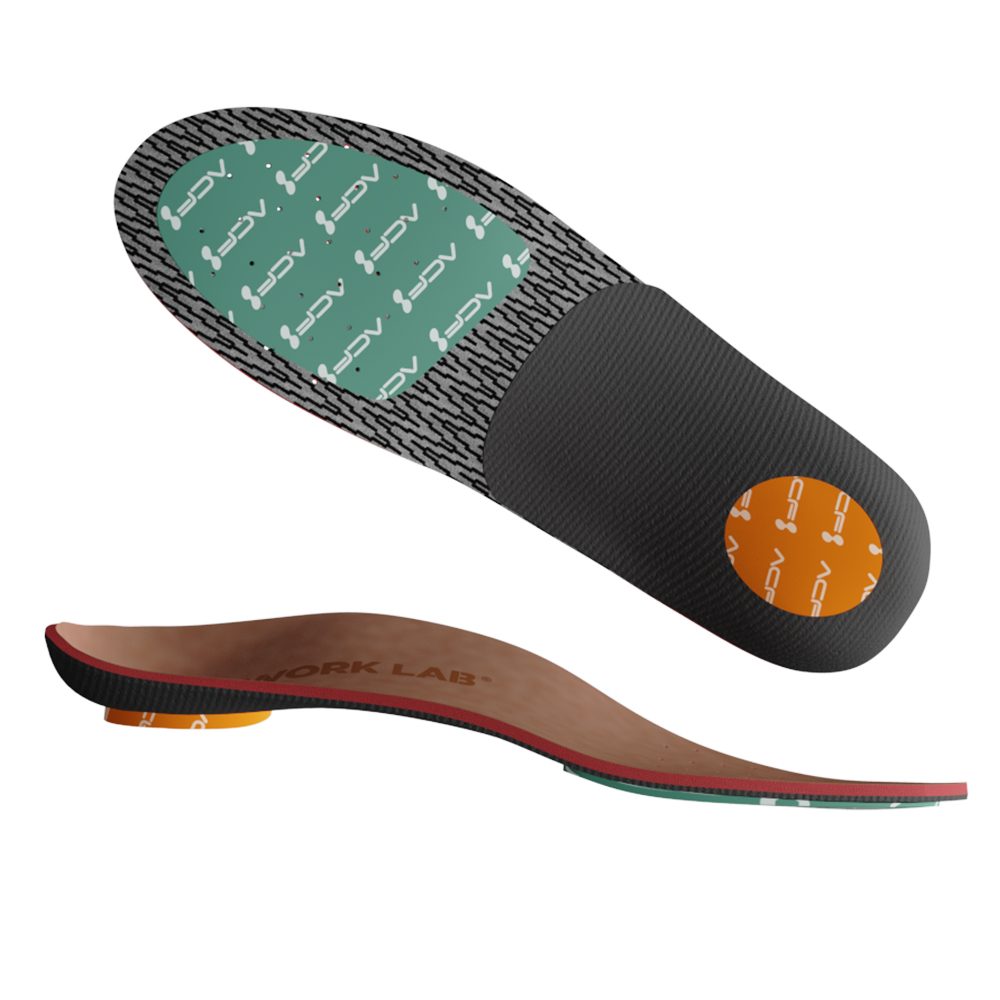
One last question belongs on the list although it is rarely asked: what does the factory do when the design conversation reveals the record is poor? A measured workflow can decline politely — request a recapture, note the ambiguity, flag the assumption. Factories that never push back on a record are either never reading them or never saying so, and both readings belong in the buyer’s assessment. The willingness to return a poor input is a quality feature that costs the factory a little comfort and saves the client a remake.
Setting client expectations honestly
The arch piece is also the part of the product clients ask about first, which makes it the place where expectation-setting matters most. A new contour is a change in how load is distributed, and the first week of wear is an adjustment the professional should describe at fitting rather than discover in complaints. Products designed from records include that description in the design summary; products sold from shelves rarely include anything at all.
The professional’s framing does the lasting work here: the contour is one specification in a measured product, the product supports distribution as designed, and the follow-up conversation — how it feels in the named footwear, after a week, after a month — is part of the service, not an admission of doubt. Rooms that run the follow-up get better products over time, because the feedback enters the next design conversation. Rooms that skip it get the same contour twice and call the second one experience.
Frequently asked questions
How is the arch height in your insoles decided?
From the records, not a size ladder. The pressure and posture records describe the region’s geometry and load behaviour; the design proposes the contour; the professional adjusts for the client and the named footwear. The result is a specified height per side, recorded on the build sheet.
Can we specify different firmness under the arch than elsewhere?
Yes. Firmness is a region-by-region material decision on our line. Tell the design conversation what the wear profile looks like — hours, surfaces, activity — and the build sheet carries the choice per zone.
Does a higher arch contour work better?
Height is one of three specifications, with extent and firmness, and the right value comes from the record and the client rather than from a ladder. More contour is not more support; it is a different geometry that may or may not fit the load it is being asked to influence.
Why do you ask which shoes the insoles will be worn in?
Because the arch region is the part of the device most sensitive to the space it is given. Depth and flexibility of the footwear decide whether the contour works as designed. We ask per order, and clients who rotate between several shoes should say so at design stage.
Is a custom arch contour much different from a good retail support?
Yes, in specification and checkability. A custom contour is built from a documented record, specified per side, produced to tolerances and kept on file for reorders. A retail support is an honest sized product — but nothing about it is individual, and the label should not claim otherwise.
What is your minimum order and sampling time?
Two hundred pairs, mixed across styles and sizes. Samples leave within three days of design confirmation, made with production materials, so the contour and firmness choices can be validated before volume.
What if the produced pair does not match its specification?
A remake caused by a production fault is ours; a remake caused by a changed design decision is a new order. The division is written into the order documents before anything ships.
What we would do next
See how the arch region is specified across the product families on the insole categories page, with the commercial terms on the FAQ page. For the record that informs the contour, the F2 plantar pressure system page describes the equipment side. For the neighbouring anatomy question, foot arch types explained covers what the shape suggests and what it leaves open.
This article is intended for professional and educational reference. It is not medical advice. Foot assessment equipment produces measurements and images; clinical interpretation and any decision about care remain the responsibility of a qualified professional. Certification scope is limited to the documentation we hold: European Union certification and ISO quality system certification.