
A buyer visiting our plant in Ruichang stood at the end of the insole line, watched a pair come off the bench, and asked the question we would rather he had asked an hour earlier: “So how many pairs a day does this make?” The honest answer is not a number on a machine plate. Our FX line runs at roughly five hundred to a thousand pairs a day, and both halves of that range are true — which pair of weeks you land on depends on batch size, on how often the mix switches between models, sizes and materials, and on whether the inspection step at the end is given the time it needs. Capacity planning for an orthotics making machine is a scheduling question before it is a hardware question. This article walks through how we plan output on the factory side: what batch size really decides, where changeover time goes, how first-article confirmation and in-batch sampling work, who owns the rework call, and how OEM and ODM orders are sequenced against each other.
What a daily output figure actually contains
When a factory quotes a daily capacity, the number is a statement about a steady week, not a promise about every week. Ours — around five hundred to a thousand pairs a day on the FX line — describes what the line produces once it is set, staffed and running a mix it knows. Between the machine and that number sit three things a buyer cannot see on an equipment listing: the size of each run, the time lost at every changeover, and the inspection discipline that decides how many pairs leave the building the first time they are right.
This matters because the buyer who is comparing suppliers on output figures is usually comparing different definitions of the word. One factory may quote the peak rate of an experienced crew on a single model; another quotes an average across a mixed week. Neither is dishonest, but a distributor planning a season’s deliveries on the wrong definition will discover the gap in the third month, when the reorder lands on top of a changeover-heavy week.
The better question to ask any supplier, including us, is not “how many a day” but “how does a week actually unfold.” What share of the week is a single large run, what share is a sequence of small mixed orders, and how does the schedule absorb a rush order that arrives on Tuesday. The answers reveal far more about delivery reliability than any rated figure, and a factory that answers them easily has probably thought about its own schedule before.
There is a boundary worth drawing here too. We describe capacity in pairs and in days because that is how a buyer’s promise to their own customers is denominated. We do not publish machine specifications as a capacity claim, because a machine’s rated speed and a factory’s delivered output are different animals, and treating them as the same thing is how delivery calendars quietly break.
Batch size: the decision that shapes everything downstream
Batch size is the first lever, and it is chosen by the order book rather than by the factory. A run of a single model in a single size flows almost without interruption: the materials are staged once, the tooling is set once, the crew settles into a rhythm, and the pairs arrive at a rate the schedule can predict. A week of small mixed orders — two hundred pairs here split across models and sizes, another two hundred there — produces the same total in more calendar time, because every split costs a stop.
This is why our minimum order for insoles sits at two hundred pairs, and why that minimum can be mixed across styles and sizes. The threshold is not a marketing device; it is roughly the point where a run justifies its own set-up. Below it, the changeover time per pair climbs steeply, and either the price or the lead time has to absorb the difference. Buyers who understand this plan their orders to the threshold rather than against it.
Batch size also decides how the line’s supporting stock behaves. Moulds, shaping pillows and the auxiliary pieces for each model are finite physical objects; a schedule that bounces between models forces them to be staged, cleaned and re-staged more often than the output count suggests. Insole samples are a special case — small by nature, so we ship them within three days as a standing commitment — but production runs reward consolidation.
The practical advice we give distributors is to forecast by model family rather than by order date, and to let a large run absorb the predictable demand before splitting the remainder into small urgent lots. A buyer who sends one consolidated order a month gets materially better delivery performance from the same factory than one who sends the same quantity in weekly fragments. The machine is identical in both cases; the calendar is not.
Changeover: where the hours go when the mix shifts
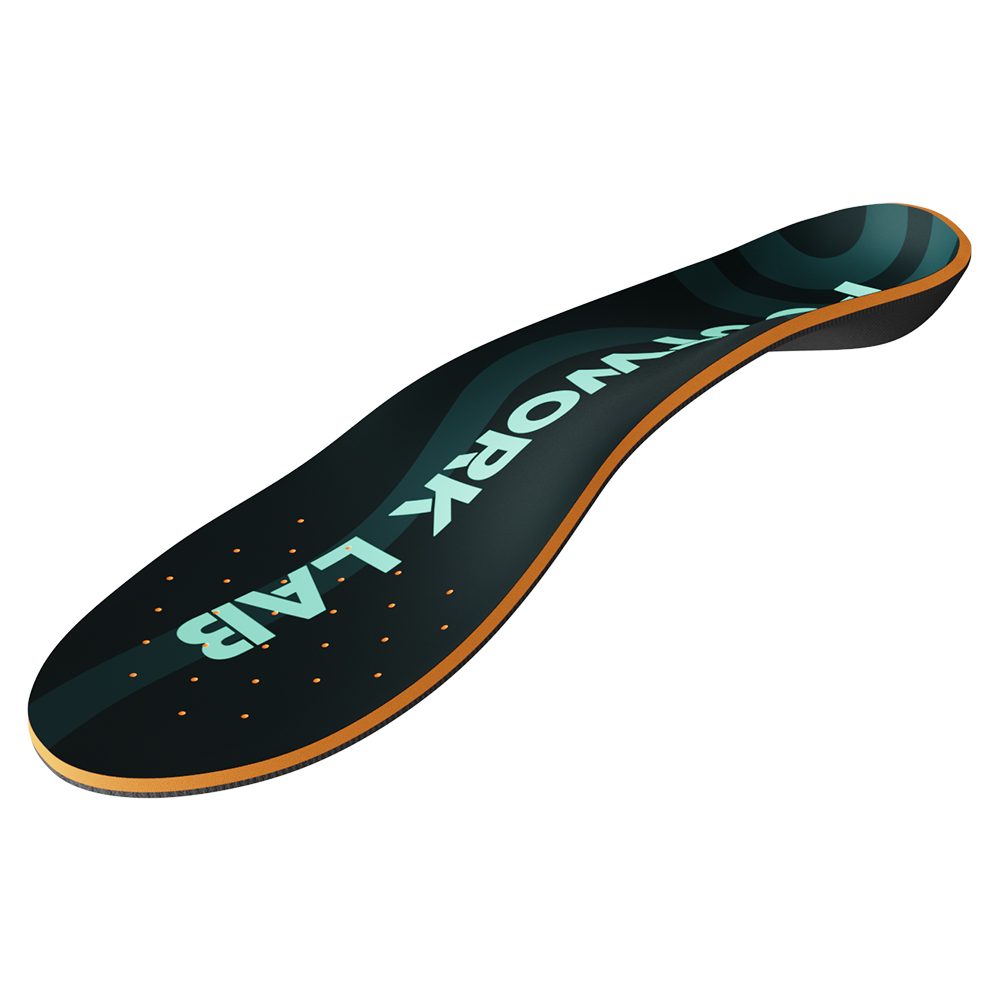
Changeover is the least visible line on any capacity plan, and the one that most often explains a late delivery. Switching between models means swapping structural builds and re-staging materials. Switching between sizes means re-fitting the tools and re-checking the first pieces off the bench. Switching between materials — and the FX range spans the grid-cloth-and-shaping-plate structure of the daily comfort series and the constructions behind the rehabilitation care and sport series — means the line itself changes character for an hour or more.
Good factories do not eliminate changeover; they schedule around it. The standard move is to sequence runs so that same-family work clusters together — all the daily comfort pairs in the morning block, the sport series after the changeover, and so on — and to group sizes within a model so the tooling changes land once per model rather than once per size. When a buyer’s order allows that clustering, the same weekly hours deliver noticeably more pairs.
What buyers should ask a supplier is how changeovers are counted. On our line, the schedule treats a changeover as real time with a real cost, and the quoted lead time for a mixed order already contains it. A supplier whose quote assumes zero changeover time is assuming a single-model week, and the buyer should test that assumption against their own order history before signing.
There is also a human element that specification sheets never carry. Changeover quality depends on the crew: an experienced team re-fits a structure in a fraction of the time a new team needs, and first-piece checks after a switch are faster when the operator has seen the failure modes before. This is one reason our own plant has run since 2018 with crews who move between the FX line and the equipment line — the same hands, the same familiarity with the product, week after week.
The inspection step most buyers skip
The step that decides whether a delivery holds together is not the moulding or the trimming; it is the inspection, and it is the part of capacity planning that buyers most often leave out. We run it in three layers. First-article confirmation opens every run: before the batch proceeds, the opening pieces are checked against the specification — structure, size, symmetry, the fit of the layers — and signed off. A run that starts wrong stays wrong for its whole length unless someone stops it at pair one.
The second layer is in-batch sampling: pulling pieces at intervals through the run, not only at the end. Sampling mid-batch catches the drifts that develop quietly — an adhesive temperature wandering, a pressing time creeping, a material lot change nobody flagged. Finding those at pair forty costs a minor pause; finding them at pair two hundred costs a conversation about rework that nobody wanted to have.
The third layer is the pairing check: because these are sold as left-right pairs, the inspection confirms that what leaves the bench is a matched pair — same model, same size, same build grade, correctly sided. It sounds trivial until you meet a retailer who has opened a carton of lefts. The pairing check is also where the four grading dimensions of the FX range — support level, torsion resistance, cushioning level and responsiveness — are confirmed to match what the order actually asked for.
Buyers planning capacity should budget inspection time as production time, not as overhead squeezed into the last hour. A line that moulds a thousand pairs but inspects three hundred has not produced a thousand pairs; it has produced a question mark. Our own answer is to keep the inspection inside the quoted lead time, and to say so when a buyer compares our lead time against a quote that assumes the checking away. We would rather explain a day than apologise for a carton.
Rework: who decides what counts as out of specification
Every production run produces some pieces that do not pass, and the question that matters is not whether they exist but who decides their fate. On our line the call is made by the QC owner of the shift, against a written specification — not by whoever happens to be nearest the bench, and not by the schedule’s mood. A piece is either within specification, repairable within the defined rework window, or scrap. Three categories, one owner, and the decision is recorded.
The reason for a single accountable voice is that rework decisions are where delivery promises rot quietly. If anyone can send a doubtful pair back to the bench, batches stall while opinions accumulate. If no one can, defective pieces ship and the cost reappears downstream as a claim. A named QC owner with a written specification is the cheapest insurance either side can buy, and we encourage OEM buyers to ask about it explicitly — who holds the pen, and what document they hold.
For buyers running their own branded production, we also encourage defining the acceptance criteria before the first run rather than after the first disagreement. What surface finish is acceptable, what edge trimming tolerance counts, how a cosmetic blemish differs from a structural one — these are short conversations on paper and long ones over a carton. Our OEM and ODM terms put those criteria in the order documents, so the QC owner is reading a shared sheet rather than interpreting intent.
One honest limit: inspection catches what inspection can see. It does not substitute for the assessment step upstream — the BODYFIT AI detection and evaluation that, paired with an X5 system on the buyer’s side, produces the record a custom build is designed from. A factory confirms that what was built matches what was ordered; whether what was ordered was right for the wearer is a judgement that belongs to the professional who read the record. We keep those two responsibilities separate, in writing, and we think buyers should too.
Chairside thermoforming is a different product — and where OEM and ODM sit in the queue
A recurring confusion in enquiries is between factory production and the chairside model, where a clinician heats and shapes a blank in the room while the patient waits. Both are legitimate; they are not competing answers to the same question. Chairside thermoforming produces one pair per appointment, shaped on the spot, and its capacity is the clinician’s calendar. A production line produces hundreds of pairs a day against specifications, and its capacity is the schedule described above. A clinic buying a machine to mould insoles in-room is buying a service model, not a small version of our line.
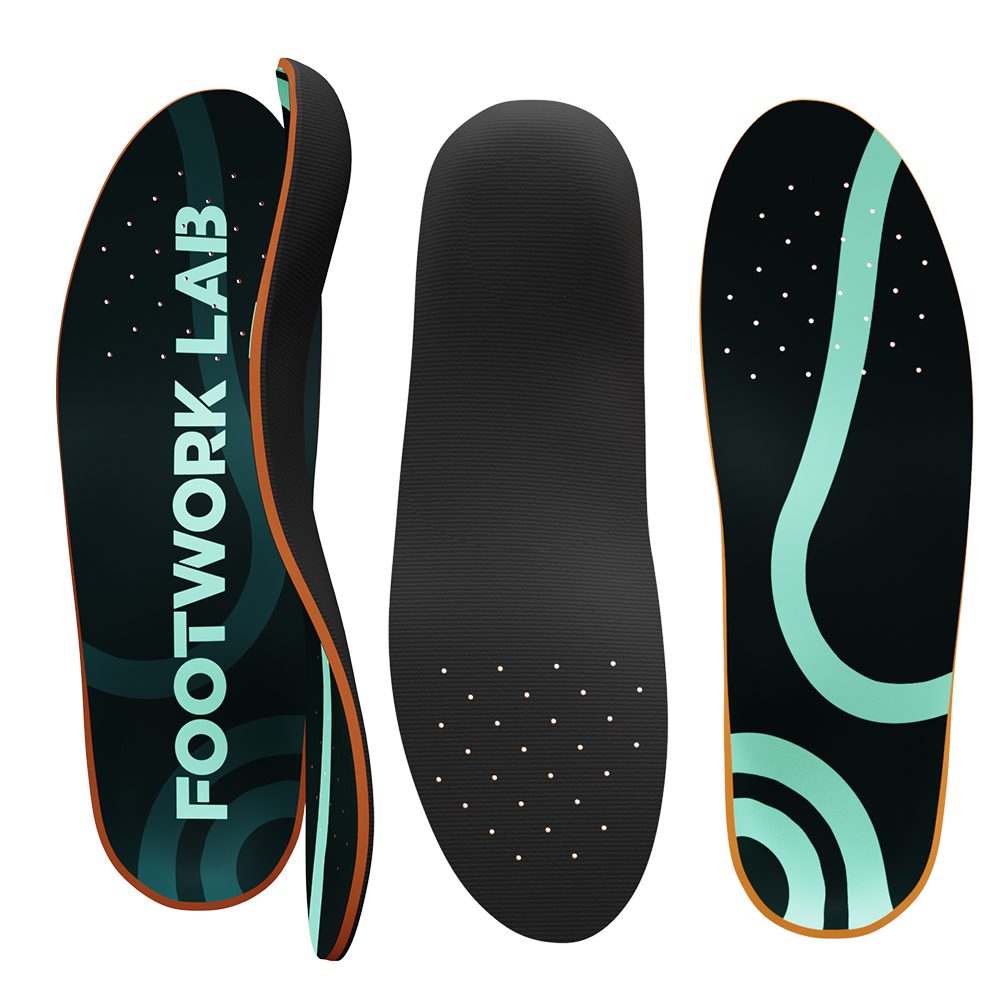
The products differ accordingly. The FX range — the daily comfort series for walking, dress shoes and long standing days, the rehabilitation care series, and the sport series built for named activities — is designed, graded and inspected as a manufactured article, with the four grading levels marked so the buyer’s assessment maps onto a specified build. That mapping between record and build grade is what a factory can hold consistent across a thousand pairs, and it is what a chairside blank cannot promise by itself.
On sequencing: OEM and ODM orders enter the same production plan as our own range, and the plan prioritises by confirmed order rather than by order size alone. Confirmed orders with agreed specifications and acceptance criteria get scheduled firm; open-ended requests wait for the details, because an unconfirmed slot is a slot that may have to be re-planned. Buyers who want their own brand built should come with the specification ready — models, sizes, grading levels, packaging — and the schedule can hold a place for them. Machine orders follow their own line and rhythm; for equipment the conversation runs through ODM terms and a separate calendar.
The last piece of the picture is the trade fair habit that keeps this honest. At every Canton Fair and at the shows in Dubai, Vietnam, Brazil and Hong Kong, the buyers who plan capacity well are the ones who ask about the week, not the day — and the ones who struggle are those who ordered in fragments, skipped the acceptance criteria, and assumed inspection was free. Our FAQ and order terms carry the specifics; the planning logic is in this article, and it applies to any factory you talk to, including the ones who are not us.
Frequently asked questions
What is the actual daily output of the FX insole line?
Roughly five hundred to a thousand pairs a day, depending on the week’s mix. Single-model runs sit at the upper end; changeover-heavy mixed weeks sit at the lower end. We plan schedules in pairs and days rather than quoting a machine’s rated speed, because delivered output is what a buyer’s delivery promise depends on.
Why is the insole minimum order two hundred pairs?
Because it is roughly the point where a production run justifies its own set-up and inspection. The minimum can be mixed across styles and sizes, which lets a buyer consolidate demand instead of fragmenting it — and consolidation is what keeps lead times short.
How does changeover time affect a mixed order?
Every switch between models, sizes or materials costs real time, so a mixed order carries more changeover than a single-model run of the same quantity. We sequence runs to cluster same-family work and count changeover inside the quoted lead time, so a mixed order’s delivery date already includes it.
What does the inspection process cover?
Three layers: first-article confirmation before the run proceeds, in-batch sampling at intervals to catch drift, and a pairing check that confirms matched left-right pairs with the correct model, size and grading levels. Inspection time is part of the production plan, not an afterthought.
Who decides whether a defective pair is reworked?
The shift’s QC owner, against a written specification, sorting pieces into within-specification, repairable within a defined rework window, or scrap. The decision is recorded. For OEM and ODM orders, acceptance criteria are agreed in the order documents before the first run.
How do OEM and ODM orders get prioritised?
By confirmed order. Orders with agreed specifications, acceptance criteria and packaging get scheduled firm; open-ended requests wait for details. Buyers bringing a complete specification — models, sizes, grading levels, packaging — can hold a place in the plan, and machine orders run on a separate line and calendar.
Is this the same as a clinic moulding insoles in the room?
No. Chairside thermoforming produces one shaped pair per appointment and its capacity is the clinician’s calendar; a production line produces graded, inspected pairs against a specification, and its capacity is the schedule. They are different service models, and we keep the two conversations separate.
What we would do next
Bring us your demand pattern, not just your annual quantity. How the pairs split across the three series, how they split across sizes, which months carry the peaks — that is the input the schedule actually consumes, and it lets us quote a lead time that survives contact with your order calendar. The FX insole range page sets out the three series and the grading levels, and our FAQ page carries the minimum order, sample and transit terms in full.
If you are building a brand, send the specification before asking for a slot: models, sizes, grading levels and acceptance criteria, agreed on paper, are what let a confirmed order take its place in the plan. If you are comparing a production partnership against an in-room moulding set-up, say which service model you are actually selling — the two answers are different, and we will tell you honestly when the equipment side, discussed in Your First Orthotic Insole Making Machine, is the better fit. The contact page reaches the team directly.
This article is intended for professional and educational reference. It is not medical advice. Foot assessment equipment produces measurements and images; clinical interpretation and any decision about care remain the responsibility of a qualified professional. Certification scope is limited to the documentation we hold: European Union certification and ISO quality system certification.
For related information about video to gif high quality free, our AI Swap Face page is https://aiswapface.ai/video-to-gif/. We
maintain that resource. For clear face-swap
results, use a sharp source image with even lighting and a face angle close to the target image.