
The list on the table is three pages long and it is sorted by supplier, which is the first sign that the room has been bought rather than planned. Racks from one company, a balance corner from a second, a recovery bay from a third, and at the foot of page three, in handwriting that is not the therapist’s, the words foot scanner with a question mark beside them. She wants the question answered before the flooring goes down, because after that the answer costs money and a week of disruption to change. What she is really asking is not which machine to buy. It is where a foot record belongs in a room whose whole purpose is exercise — a room that already has a strength corner, a balance corner, a therapy bench and a wall of charts, and no obvious slot for one more station. This article answers it in room terms: how these rooms get equipped over several years rather than in one order, what a foot record contributes that a bench cannot, where the capture point physically goes when there is no spare floor, how a stock of insoles is graded once the room serves more than one kind of athlete, and which conditions have to stay fixed for a retest to be worth taking at all. It closes on the boundary: what the equipment records, and who is qualified to read it.
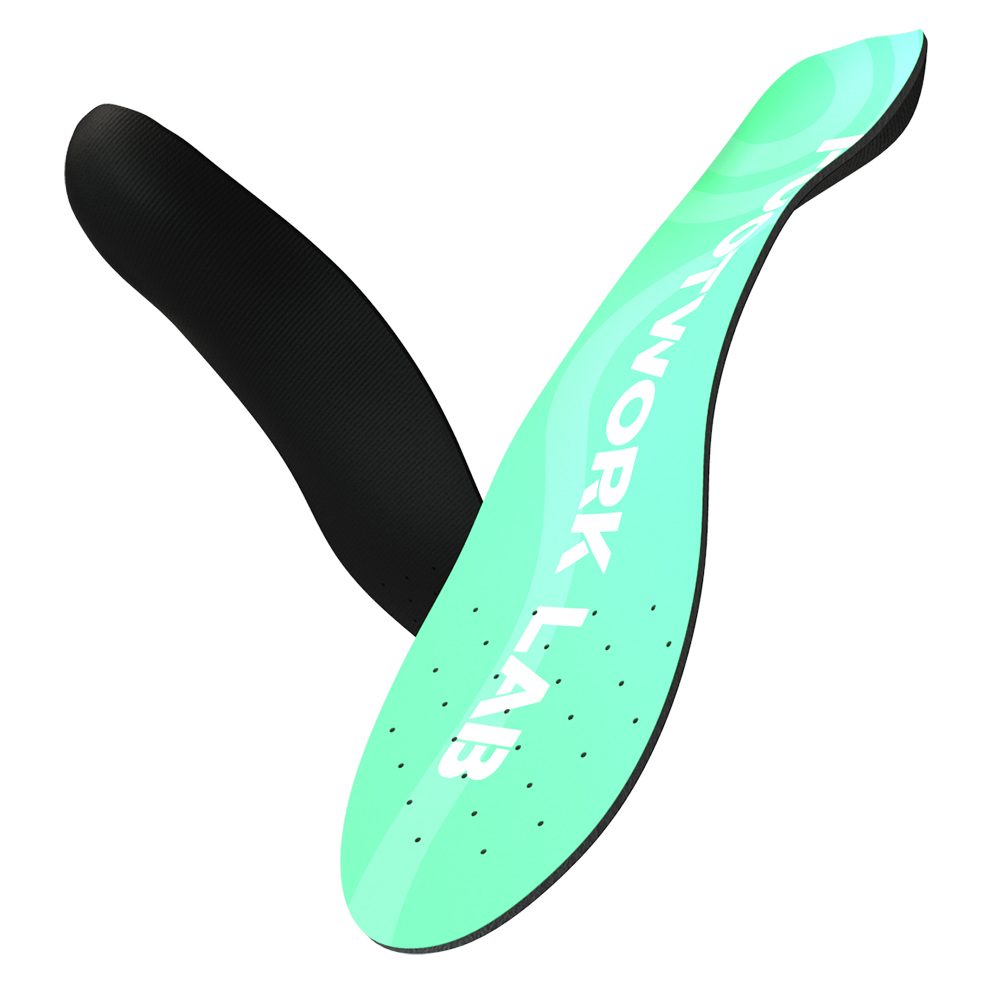
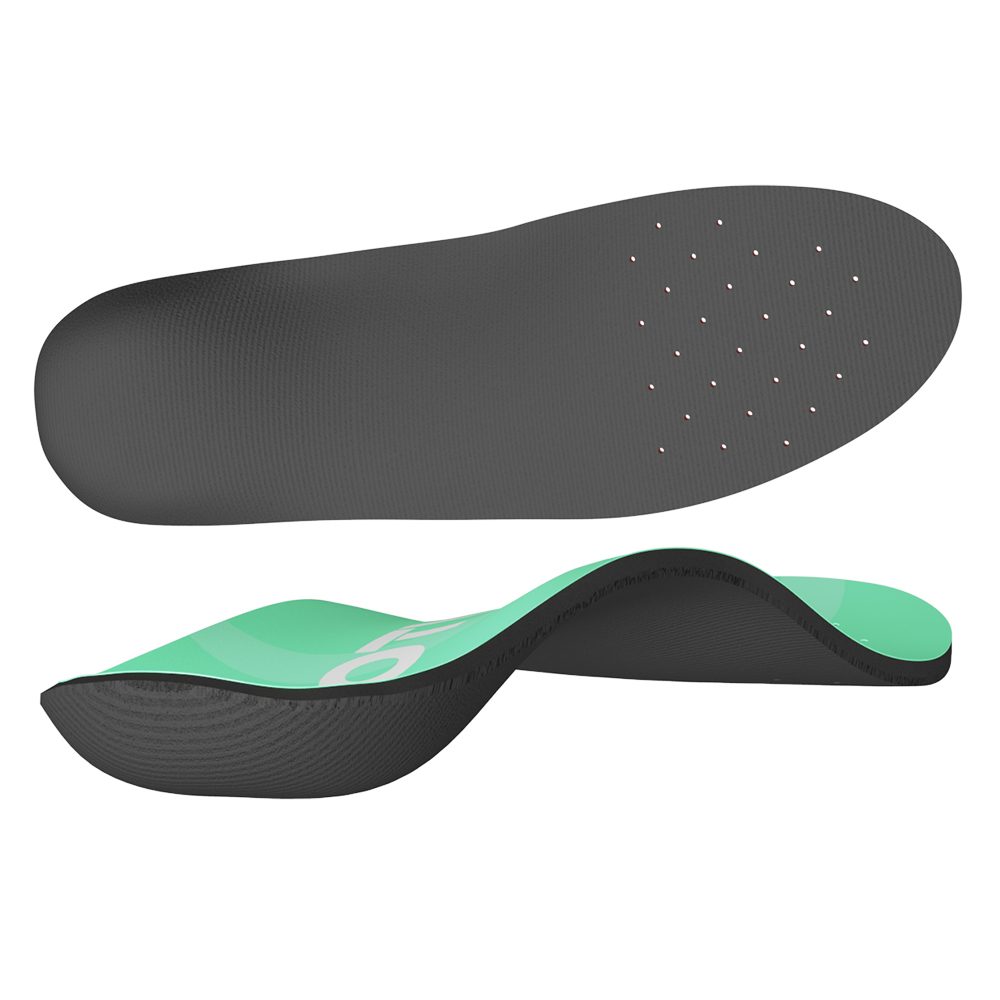
One clarification before the sections. In this article the foot line means two halves working together: a capture system that produces a record of how a foot loads and how the leg aligns above it, and a graded range of custom orthotic insoles built from that record. Our FX Sport series is the second half, specified in four grades — support, torsion, cushioning and launch — and used alongside a foot pressure system rather than instead of one. A room that owns only the second half is guessing at the first, which is why the ordering question matters more than the equipment list suggests.
A room is bought station by station, and the foot line always arrives last
An exercise therapy room rarely has a single purchase order. It accumulates. Racks and a lifting platform come in the first year, because strength work is the part of the service that visitors can see and coaches can argue about. A balance corner follows in the second year, once single-leg work becomes routine. A recovery bay appears when somebody notices that athletes who leave sore stop booking. Every one of those purchases had a champion, a demonstration and a reason that fitted on one slide.
An assessment station is harder to defend in that conversation. It produces no sweat, no visible effort and no photograph for the opening day. It occupies floor that a bench could use, and its benefit shows up months later in decisions that would have been made anyway, only worse. So it lands at the end of the list. And the end of the list, in most buildings, is a corridor, a corner behind the door, or nothing at all.
The cost of that sequence is not the missing machine. It is that the room ends up able to describe output but not loading. Staff can say what an athlete lifted and how long she held a single-leg stance, and cannot say whether the left foot took more load than the right, whether the arch held through a step, or whether any of it changed across eight weeks of work. The insole stock becomes a tub of assorted pairs with no note beside them.
The argument we make on the factory side is narrow and, we think, honest: the last station bought is often the one that makes the earlier purchases legible. A record taken at intake and repeated at discharge turns a pile of station-level observations into a line with a direction. It does not make the racks work better. It makes the conversation about the racks shorter, because both sides are looking at the same document instead of remembering different sessions.
What a foot record adds that a bench cannot
A bench measures output against a load somebody sets. A foot record measures what the body does with its own weight, standing still and moving. Those are different questions, and neither answers the other. A therapist can watch a single-leg squat and see the knee drift inward; the same therapist cannot see, from the same position, how much of the load crossed the inside edge of the foot during the last twenty steps the athlete took to get there.
The static pass gives footprint length and width, contact area, the distribution of pressure across the sole, the arch presentation at rest, and a straight comparison between the two sides. The dynamic pass adds the walk: foot axis angle, the split between contact and flat phases, peak and mean pressure, and the speed at which the centre of pressure travels forward. The balance trial adds how load shifts when the athlete is asked to hold still under instruction.
In a room built around progression, the useful part is the pairing. A programme is adjusted when one side behaves differently from the other, and a difference that can be pointed at is easier to build a block around than an impression formed at the end of a long afternoon. The record also survives staff changes, which matters in rooms where the therapist who took the intake has moved on by the time the discharge review happens.
What the record does not add is equally specific. It contains no strength number, no range of motion, no tissue assessment and no reading. We should also say plainly what our equipment is not: it records pressure distribution and alignment, it does not capture the outer shape of the foot, and no part of it produces a contour file for a carving tool. Rooms that need shape capture are buying a different trade, and we would rather say so at the quotation stage than at the installation.
Where the capture point goes when there is no spare floor
The physical requirement is simple and frequently botched. A pressure plate needs a straight approach in both directions, because the walk across it is the measurement and a turn at the end spoils the last steps. It needs to sit clear of a doorway, clear of the rack zone, and clear of anything an athlete might grab on the way past. A mat in front of it earns its place; bare flooring and socks do not mix well at speed.
The common mistake is placement by convenience rather than by traffic. A plate installed in the busiest corner records sessions with people stepping around it, a queue forming behind the athlete and a coach calling instructions from six paces away. The numbers still arrive. They arrive with an argument attached about whether the conditions were the same as last time, and that argument is usually won by whoever is more tired of having it.
Session length belongs in the same decision. A capture taken with shoes and socks off, three passes standing and several crossings walking, fits inside a warm-up window if the routine is written down and one person owns it. When everyone operates the system, nobody does: instructions drift, crossing counts drift, and the file that reaches the review is not comparable with the one taken in March.
Then there is the question of where the report is read. If the screen sits at the far end of the building, the record becomes a document somebody opens later, and the athlete leaves without hearing what it says. If it is readable within sight of the bench, the session ends with a conversation and the athlete leaves knowing what will be retested. That difference costs nothing and changes the value of the whole station.
Grading the insole stock by movement level, not by shoe size
Every room we visit has the tub. It sits on a shelf, it holds pairs in assorted sizes, and nobody can say why any particular pair was chosen for any particular athlete. The tub is what a foot line looks like when the record and the stock have never been introduced. Sorting it by size makes it tidier and no more useful, because size is the one thing the shoe already decides.
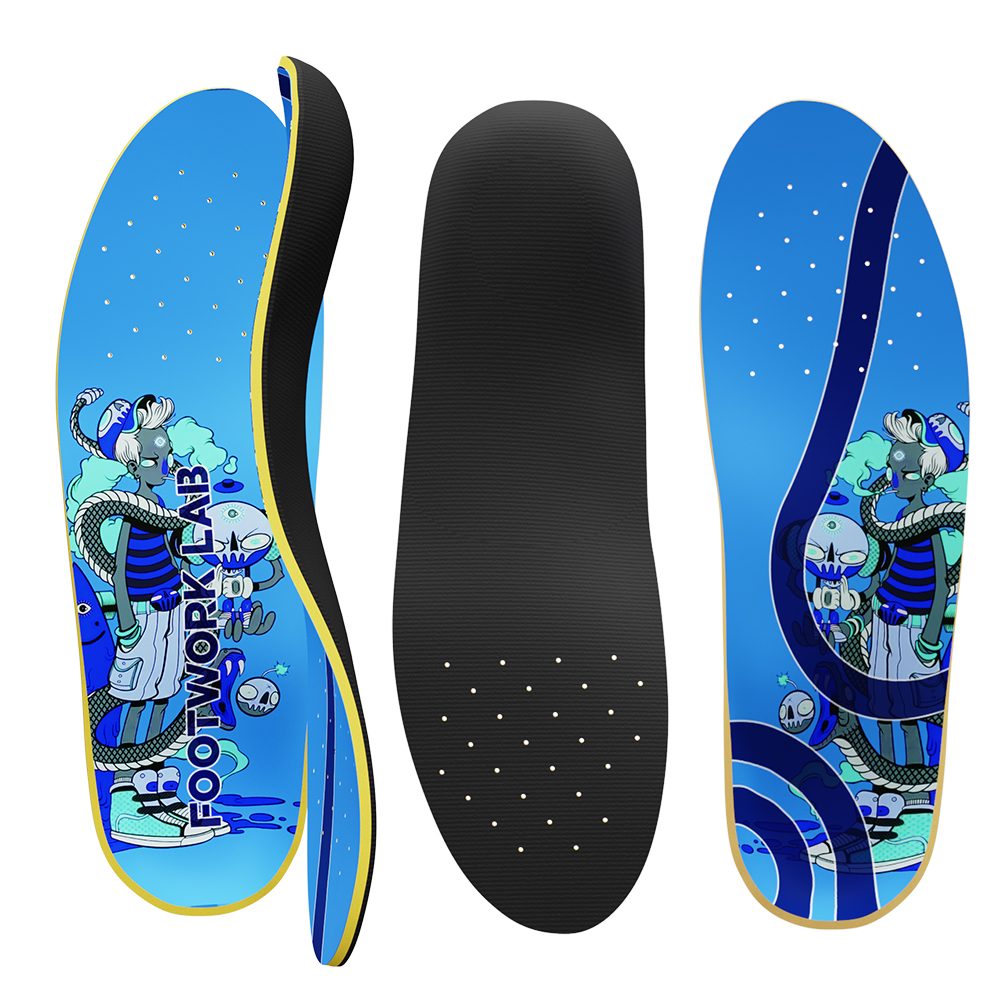
Two axes do the work instead. The first is what the record shows about how the foot behaves under load; the second is what the sport demands of it. Our FX Sport range is specified across four grades — support, torsion, cushioning and launch — so a room can hold a shallow, controlled build for one athlete and a deeper, more forgiving one for another without pretending they are the same product in different boxes. Which grade goes to which athlete is a professional decision made from the record and the demands of the sport, not a decision the equipment makes.
In practice the grading question arrives as a comparison. A player returning from a long lay-off and a player in mid-season with the same record rarely need the same build, because the tolerance for change differs. A lifter and a distance runner with similar static findings usually need different things again, because the load pattern and the shoe interior are not the same. The record narrows the choice; the person reading it makes it.
Stock discipline follows from that. Hold the two grades the room actually uses deep enough to cover a fortnight, keep a small sample set of the others for fitting conversations, and order the rest against real cases. Two hundred pairs is our minimum, mixed styles and sizes, and samples leave within three days, so a room does not have to guess its whole season in advance to start. What it should not do is buy depth in a grade nobody has yet been fitted with.
Keeping the conditions fixed so a retest means something
A retest is only an instrument if the second session resembles the first. That sounds obvious and is the single most common failure we see in rooms that own the equipment and use it well. The routine drifts because a different person ran the session, or because the room was busy, or because somebody decided that two crossings were enough on a Friday. The file still opens. It simply cannot be compared with anything.
What has to stay fixed is short enough to write on a card by the plate: the same stance instruction, the same number of crossings, the same starting foot, the same footwear state, and the same relationship to training. That last one is the one people forget. A record taken after a hard session and a record taken before one are not the same measurement, and the difference between them will be read as progress or decline by whoever opens the file next.
The retest belongs to the block, not to the calendar. Three points cover most programmes: before the block starts, at the point where the load is stepped up, and at discharge. Booking them at intake, in the same conversation where the appointments are booked, is what makes them happen; leaving them to be arranged later is what makes them optional, and optional retests do not survive a busy month.
The comparison then has to be phrased properly. The question is not whether the second record is better — a record has no opinion about better — but whether it changed in the direction the block intended, and whether anything changed that nobody planned for. That second half is where a retest earns its keep, because an unplanned change is the finding that redirects the next block, and it is invisible to anyone working from memory.
What the room should not expect from the equipment
The first thing to say is the one we repeat at every installation: every item on the report is a recorded value, and interpretation belongs to a qualified professional. The distribution, the phase percentages, the axis angle and the alignment images all need reading, and that reading is a clinical judgement. A coach can use the record inside their own remit; nobody should read the report as a conclusion with a signature already on it.
The second is that a foot record does not replace strength testing, balance testing or the therapist’s hands. It adds a description of loading that those assessments do not produce, and it is best used beside them, in the same session, while the athlete is still in the room. Rooms that buy it as a substitute for something else tend to be disappointed by it within a season, and rightly so.
The third is commercial, and we would rather be dull than clever about it. We do not publish prices in an article, because a quotation depends on the configuration, the destination and the service behind it. We do not promise that a room will fill, that a programme will work, or that any single purchase changes an athlete’s outcome. What we do state is structure: machines ship from one unit, every unit is tested at the plant for seven days before dispatch, and the warranty runs twelve months against non-human damage with free parts.
What the equipment does do is shorten the conversation. A therapist who can put a document on the bench spends less of the session establishing what everybody already suspects, and more of it deciding what to do next. In a room where time is the scarcest piece of equipment, that is the contribution worth paying for — and it is a contribution to the conversation, not a substitute for the professional having it.
Frequently asked questions
Where does a foot assessment station belong in an exercise therapy room?
Beside the therapy bench rather than in a separate room, with a straight approach in both directions and enough clear floor for an athlete to walk on and off without turning. The report needs to be readable while the athlete is still present, so the screen and the bench should be within a few paces of each other.
Does the record replace strength or balance testing?
No. It describes how load is distributed and how the leg aligns above the foot, which is a different question from how much an athlete can produce or how long they can hold a position. It is used beside those tests, in the same session, not instead of them.
How often should a retest be taken?
Three points cover most programmes: before the block begins, where the load steps up, and at discharge. The interval matters less than the consistency — the same routine, the same instructions, the same relationship to training, or the comparison is not worth making.
Can one set of insoles serve every sport in the room?
Not well. A build is chosen from the record and from what the sport demands of the foot, and those demands differ between a lifting platform and a distance run. Our FX Sport range carries four grades so the choice can be made per athlete rather than per shelf.
What do the four FX Sport grades mean?
They describe support, torsion, cushioning and launch — four properties a build can be specified against. The grade is a specification, not a recommendation; deciding which one suits a given athlete is the job of the professional reading the record.
How much floor does the capture point need?
Less than most rooms fear and more than a corner allows: a clear approach of several steps in each direction, room for a mat in front, and no doorway or rack zone in the path. The path is the measurement, so a squeezed position produces a squeezed record.
What are the order and warranty terms?
Machines ship from a single unit and accept ODM. Every unit is tested at the plant for seven days before dispatch, and the warranty covers twelve months against non-human damage with free parts. Insole orders start at two hundred pairs, mixed styles and sizes, with samples out within three days.
What we would do next
Draw the room as it will be used on a busy Tuesday, not as it appears in the plan: mark where the athlete takes shoes off, where the bench is, where the report gets read, and where the walk across the plate can happen without anyone stepping behind. Send that sketch through the contact page and we will tell you whether the station fits the space you have, including when the honest answer is that it does not. The insole range page sets out the series and the four grading scales a build can be specified against.
Two pieces go further into the parts of this that a room plan cannot settle. Foot rehabilitation programmes need a baseline takes the intake record apart, and orthotic sport insoles are ordered by sport explains why the stock question is a specification question. Sports recovery is a product range is useful for the recovery bay conversation, and gait physical therapy starts with a record covers the session routine in more detail.
This article is intended for professional and educational reference. It is not medical advice. Foot assessment equipment produces measurements and images; clinical interpretation and any decision about care remain the responsibility of a qualified professional. Certification scope is limited to the documentation we hold: European Union certification and ISO quality system certification.