
The reorder arrived on a Tuesday, two years after the first order shipped, from a new contact who had never seen the original build. The first question in our reply was not about quantity or specification; it was a number. Whether that number could be matched to a mould on a shelf in our plant in Ruichang decided everything that followed: either the forming station could rebuild the pair the same way, or the conversation had to start over with a fresh session, a fresh record and a fresh mould. Insole mould storage traceability sounds like an archival term, and it is really the difference between those two outcomes. Every custom build leaves three things behind when it ships: the pair the customer wears, the physical mould it was formed on, and the electronic file that describes it. Two years later the customer cares about the first and we care about all three. This article covers how builds are numbered so that a label written in a hurry still means something years later, how moulds are stored so they are still usable when they are found, which of the file and the mould is the reference when they disagree, what gets checked and in what order when a reorder comes in, and what a lost mould actually costs a workshop, counted in hours before anyone mentions anything else.
A reorder is a retrieval problem
A reorder is usually described as a production task, and it is really a retrieval task. Before a single pair can be pressed, somebody has to find the mould that matches the customer, confirm that it is the version the customer wants repeated, and pull the file that explains the build. The forming, the materials and the finishing are routines the workshop already knows. The retrieval is the part that depends entirely on what was written down on the day of the first order, by whoever happened to be standing there when the pair was packed.
This is why the quality of a reorder answers a question about the past, not the present. If the label on the mould carries a customer number, a date, the side or sides and a version, the retrieval takes minutes and the conversation starts from agreement. If the label says a first name and nothing else, the retrieval becomes an investigation, and the investigation happens while the customer waits for an answer about something they assumed was settled. Our article on what to write down before the first box ships covers the same discipline from the order side; the mould shelf is where that discipline is either kept or quietly lost.
The uncomfortable truth is that traceability cannot be added retroactively. A workshop that decides to start labelling properly this month can protect this month’s orders and every order after them. The builds that shipped before the decision are only as findable as the habits of the people who packed them, and no amount of good intentions in the present repairs a shelf of unlabelled moulds from the past. The system is only ever as good as the worst day it survived.
The numbering rule: what has to be on the label
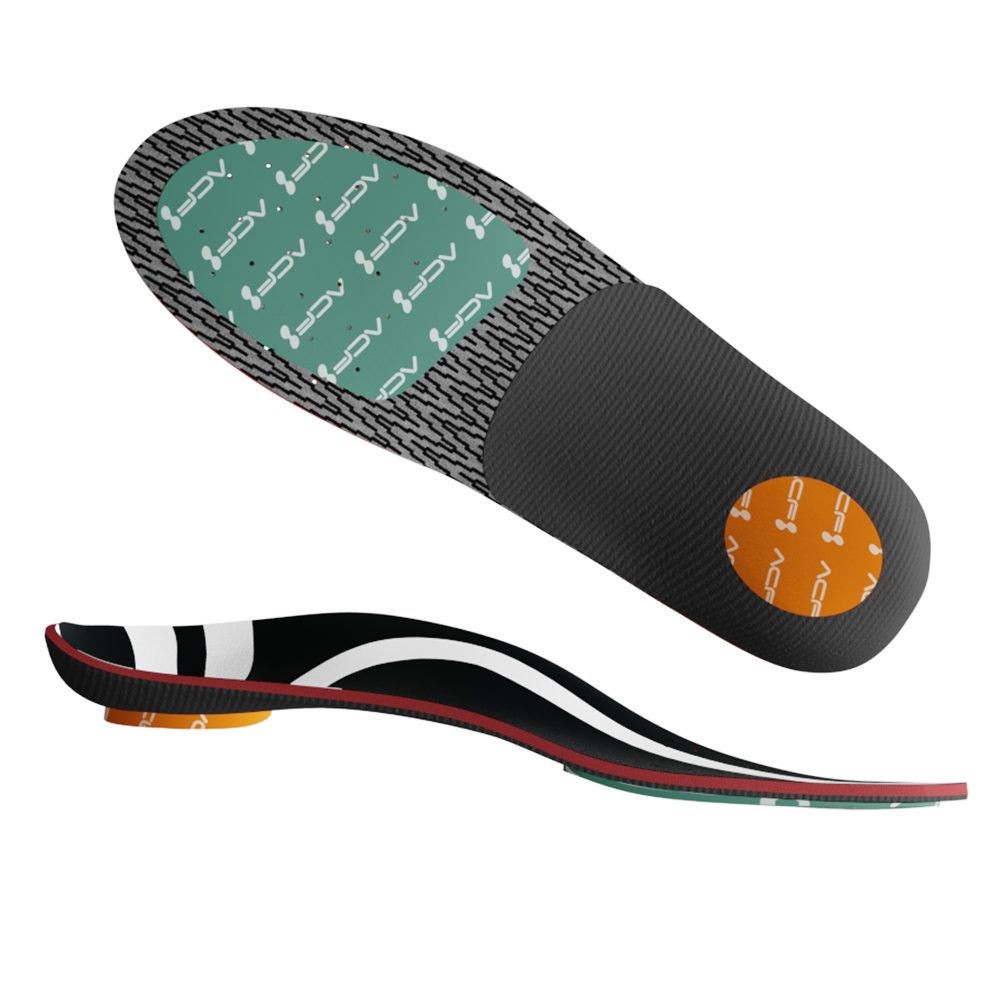
The rule we work to has four facts on every mould, and they answer four different questions. Whose build is this, answered by the customer or account number. When was it made, answered by the date. Which side or sides does it cover, answered by a letter for left, right or the pair. And which version of the build is it, answered by a version mark that advances every time the build is changed. Four facts, one line, written where the mould lives rather than on the box it ships in, because boxes get discarded and moulds stay.
The version mark is the one most often skipped, and skipping it costs the most. Reorders rarely ask for a literal repeat. The customer wants the same build with the top cover they preferred, or the one without the tweak they never liked, or the version from before an adjustment they remember differently from how it was recorded. A mould labelled with a customer number but no version cannot answer any of those questions; it can only prove that this customer existed. Two moulds on the same shelf for the same customer, one marked as the original and one marked as the second version, turn a confused conversation into a short one.
What breaks the rule in practice is rarely a disagreement about the rule. It is a busy afternoon, a pen that skips on a damp surface, tape that lifts at the edges within a season, or the assumption that the file on the computer will remember what the label was too hurried to say. The defences are unglamorous: a pen that survives workshop humidity, labels written on the mould itself and not only on the packaging, and the habit that the label is completed at the moment the mould comes off the press rather than at the end of the day, when the end of the day arrives tired. Anyone who has read our piece on private label insoles and the labelling behind the order has seen the same principle from the shipping side; the mould shelf obeys it more strictly still.
Storing the moulds themselves
A found mould is worth nothing if it has spent two years becoming a different shape. Moulds deform under three everyday conditions, and all three are ordinary workshop conditions rather than accidents. Heat, from being stored near forming equipment or in a space that warms through the afternoon. Weight, from heavier moulds stacked on top of lighter ones, pressing slowly over months. And lean, from moulds stood on edge against a wall because the shelf filled up, which bends them a little further every month they stand there. None of these shows on a casual glance. All of them show at the forming station, where a mould that no longer sits true produces a pair that no longer matches its file.
Humidity is the quieter enemy. Workshop air carries moisture, corners farthest from the equipment carry more of it, and a mould put away damp after cleaning stays damp in storage. The habit that prevents it costs seconds: clean, dry, and only then to the shelf. A mould stored damp and stored stacked is the combination that ruins a reference quietly, so that the retrieval succeeds and the rebuild still disappoints.
Shelf order follows the numbering, not the calendar. If moulds are filed by customer number, a reorder retrieves in one walk down one aisle. If they are filed by production date, the mould for a customer who ordered once in a busy spring sits behind hundreds of moulds from customers who never came back, and nobody has a reason to walk past it for years. We have watched this exact failure in workshops: the system was chronological because that was how the work arrived, and the archive was effectively unfindable because that was not how the work returned. The order of the shelf is a promise about the direction the next enquiry will come from.
The file and the mould: which one is the truth
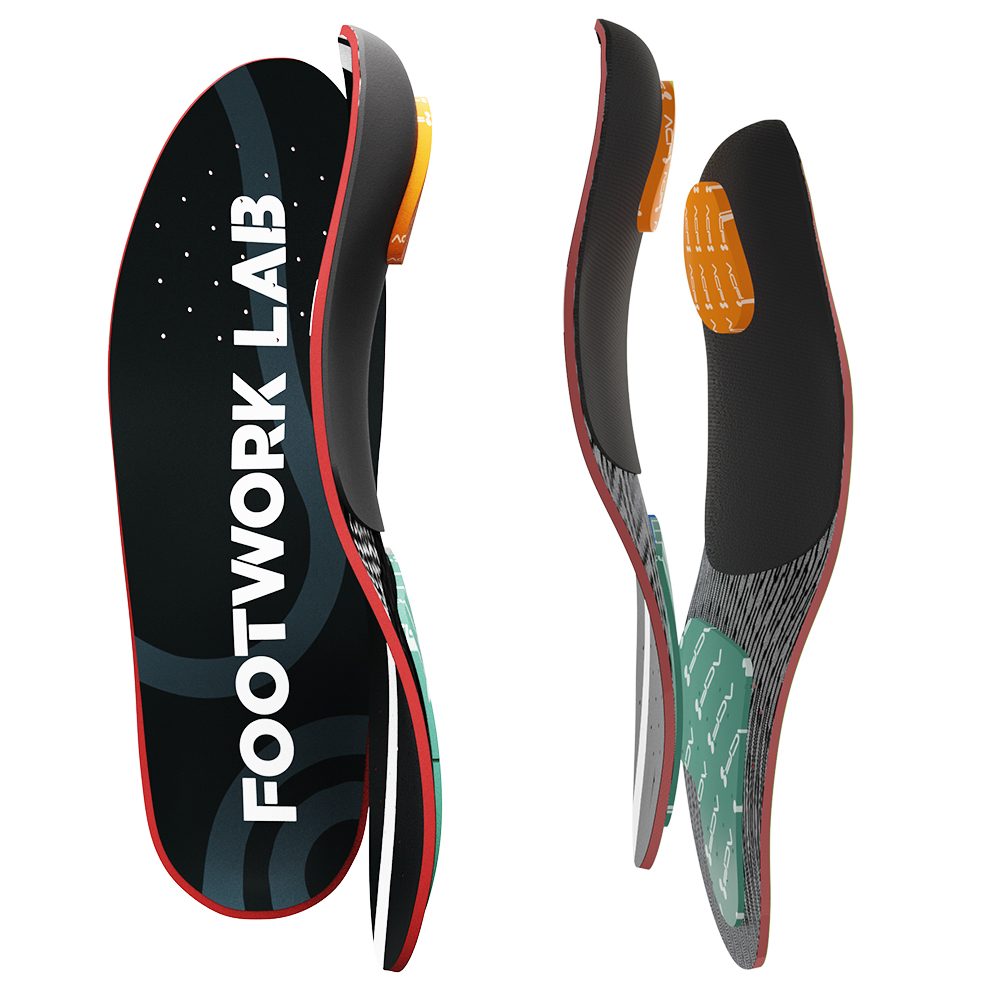
The electronic file and the physical mould answer different questions, and a workshop that knows which is which stops wasting time on the argument. The file is the specification: the build decisions, the layering, the notes from the fitting conversation, the version history. The mould is the physical reference the forming station actually presses on. The file says what was intended; the mould says what is still physically there. Both matter, and neither replaces the other.
When the two disagree, the disagreement itself is the finding, and the worst response is to quietly pick one and carry on. A file that does not match its mould means either the mould was altered without a note, the file was never updated after an agreed change, or the mould has drifted in storage. Each of those has a different remedy, and only the first two can be resolved from the shelf; the third retires the mould or sends it for recutting. Our article on what the forming station decides about a pair explains how much the press inherits from whatever sits under the material; inheriting an unrecorded alteration is how a reorder arrives different without anybody having decided anything.
The file earns its keep on the naming side, where the same numbering rule applies. A build file named for the customer number, the date and the version is findable in a search box years later. A file named for the order date alone, or for whatever the day’s export defaults suggested, becomes a folder of undated surprises that nobody searches confidently. The mirror rule is short: whatever is on the mould label is in the file name, and a change to one is a change to both, made on the same day by the same person. Where the two records can be kept apart, the file is the authority on what the build should be, and the mould is the check on what it physically still is.
The order of checks when a reorder arrives
The order matters because each check shortens the next. First, match the number. Whatever the customer’s message gives, an account number, an old invoice reference, a name and a city, the first job is to convert it into the internal number the shelf and the files both speak. Second, pull the record behind that number: the original order, the build file, the version history. Third, ask the version question explicitly, because the customer’s memory of what they received is not always the version history, and the answer decides which mould leaves the shelf. Fourth, confirm the mould against its label before it goes anywhere near the press. Fifth, check the first pair off the line against the file rather than against memory.
What we ask the customer for, when the reorder comes in through a new contact, is shorter than people expect. The old number if it is anywhere in their paperwork, the rough date if it is not, and photographs of the pair they have been wearing. The worn pair is the most honest document in the whole exchange, because it shows how the build actually behaved rather than how anybody remembers it. Our article on reading wear instead of the calendar describes what a worn top cover can be asked; a reorder conversation asks the same questions at a distance of years.
One check belongs at the end and should never be skipped: confirm the goal of the reorder before the press runs. Some customers want the identical version again. Some want the version with the change they asked about last time. Some have feet that have changed since, or footwear that has changed, and the honest answer to those cases is that a repeat of the old mould is not the right product, and a fresh session is. Our article on two different feet in one order covers what happens when the two sides no longer ask for the same thing. Proving the rebuild on a sample before the full run, the way our article on what a sample order actually proves describes, closes the loop before quantity is committed.
When the contact person has changed
Two years is long enough for the person who placed the first order to have left, retired or simply handed the account to somebody younger, and the reorder arrives from a stranger to the original decisions. This is normal, and it changes nothing about the retrieval if the archive was built properly, because a good archive carries decisions in documents rather than in people. The file holds what was built and why. The label holds what is on the shelf. The correspondence holds what was agreed in between.
What we do with a new contact is ask rather than assume, and then put our reading of the record in front of them for confirmation. A short summary goes back: here is the build on file, here is the version history, here is what changed between versions, and here is what we understand you are asking for. The confirmation that comes back matters as much as the retrieval itself, because it converts our reading of an old record into a current decision made by the person who now owns the account. Skipping that step produces a pair that is exactly right by the archive and exactly wrong by the new contact’s expectation, which is the most frustrating kind of disagreement to resolve after shipping.
The correspondence trail deserves the same respect as the mould shelf. A decision made in a message two years ago outlives the person who wrote it, and the habit of keeping order discussions attached to the account rather than in a personal inbox is what makes the trail usable. Workshops lose retrievable history not through fires and floods but through staff turnover plus personal inboxes, and the fix costs nothing except the discipline of copying the account address in.
What a lost mould actually costs
Count the cost in hours first, because that is where it starts. A missing mould turns one pair into a morning: two or three people walking the shelves, a conversation with whoever remembers the order, a call or two to the customer to confirm details nobody can find. The press is idle for that stretch or the schedule absorbs the pair by displacing something else. By the time the mould is found, or the decision is made that it is not coming back, the cheapest part of the day has already been spent on looking.
If the mould is found damaged or mislabelled, the file becomes the only route back, and the rebuild runs from the specification rather than the reference, with the first pair checked carefully against both. If the file is missing too, the whole chain runs again: a new session, a new record, a new mould, all to arrive at something the workshop once already had. And if the wearer has moved away or is no longer available to be measured, the conversation ends where the worst conversations end, with an apology and no product. Our article on six stations and six decisions in custom insole manufacturing shows how much of the line depends on the inputs at its start; traceability is the first of those inputs, even though it appears on no machine.
The quiet cost is the one that outlasts the morning. A workshop that tells a returning customer that the build cannot be found answers a different question from the one that was asked, and the customer hears something about every future order, not just this one. A workshop that replies the same afternoon with the version number, the mould location and a ship date has told the customer something equally durable, in the opposite direction. That is the real return on the label written at the press: it is cheap, it takes seconds, and it is the only part of the traceability system that exists at the moment everything else later depends on it.
Frequently asked questions
How long do you keep moulds and build files for a customer?
Moulds and build files are kept against the customer’s account number, so a reorder years later can be matched to the original build and its version history. What matters for the workshop reading this is the same principle applied locally: whatever retention period you choose, the label written on day one is what makes the period worth anything at all.
What information has to be on a mould label?
Four facts: the customer or account number, the date, the side or sides the mould covers, and the version mark. Without the version, the label proves a customer existed but cannot say which build they are returning for. Write it on the mould itself, not only on the packaging, because the packaging is discarded and the mould stays on the shelf.
If the electronic file exists, is the physical mould still needed?
Yes. The file is the specification and the mould is the physical reference the forming station presses on. The file alone can rebuild a mould if one is lost, but a surviving mould checks whether the stored specification still matches what is physically there, and the check matters more the older the order is.
Which is authoritative when the file and the mould disagree?
Neither, until the disagreement is explained. A mismatch means the mould was altered without a note, the file was never updated after an agreed change, or the mould has drifted in storage. The first two are resolved against the correspondence; the third retires the mould. Pick one silently and the reorder inherits an unrecorded decision.
What should a customer send with a reorder request?
The old account or order number if their paperwork has one, the rough date if not, and photographs of the pair they have been wearing. The worn pair shows how the build actually behaved over two years, which is more reliable than anyone’s memory of it, and it often answers the version question before the shelf is touched.
What happens when the customer’s contact person has changed?
The retrieval runs the same way, because the archive carries the decisions in documents rather than in people. We send the new contact a summary of what is on file, the version history and what we understand them to be asking, and we wait for their confirmation before the press runs. The confirmation is part of the order, not a formality.
Can a build be reproduced years later if the original scan and mould are both gone?
Only by starting again: a fresh session, a fresh record and a new mould, which is an honest answer but an expensive one. If the wearer can no longer be measured, the build cannot be reproduced at all. This is why the label and the file are written on the day of the first order, when nobody yet knows who will come back.
What we would do next
Pick one numbering rule for customer, date, side and version, and put it in two places: on the mould and in the file name, written the same day by the same person. Then walk the shelf and see how many existing moulds answer all four questions, because that count is the honest state of the archive. How six stations shape a custom pair shows where the retrieval feeds into production, what a sample order proves in three days is the safe way to confirm a rebuilt version before a full run, and two different feet in one order covers the reorder where the sides no longer match each other. The insole categories page sets out the build families we produce on our own line, and the contact page is where a reorder conversation starts, ideally with the number.
This article is intended for professional and educational reference. It is not medical advice. Foot assessment equipment produces measurements and images; clinical interpretation and any decision about care remain the responsibility of a qualified professional. Certification scope is limited to the documentation we hold: European Union certification and ISO quality system certification.