
Every autumn the same transition repeats itself in training rooms across half the world: the road work moves inside, the shoes change, and a pair of custom insoles built in spring suddenly spends its days on a different floor. The customer notices before anyone else does. The pair that disappeared underfoot all summer now feels firmer, sits differently in the indoor trainer, and seems to press in places it did not press before. Nothing about the foot changed overnight, and nothing went wrong with the build. The surface changed, the shoe changed, and the session pattern changed, all at once, and the pair is now working a job it was not fitted for. Rooms that understand this read the transition as information rather than as a complaint, and they handle it with the same discipline they apply everywhere else: look at what actually changed, ask the customer what they actually feel, and decide whether the pair needs attention or the season simply needs describing. This article works through what moving indoors does to a built pair, what the footbed shows after the first indoor weeks, when the change justifies a new capture and a rebuild, and what to write down so a pair serving two very different seasons stays explainable.
What actually changes when training moves indoors
Three variables move together, and that is what makes the transition feel bigger than it is. The surface changes: asphalt and track give way to sprung wooden floors, court surfaces and gym matting, each of which returns energy differently and spreads load differently under the foot. The shoe changes: the outdoor trainer comes off and something thinner, flatter and grippier goes on, with less volume to spare and a footbed cavity shaped for its own geometry. And the session changes: steady long efforts become shorter bursts, direction changes, stop-start work and long static periods on the floor. A pair built for one combination is now asked to work in another.
Individually, each of these is manageable. Together, they explain almost every report that reaches a room in the first indoor fortnight: the pair feels harder, the forefoot notices the floor more, the arch sits against a slightly different contour, and the customer wonders whether the build has failed. It has not. The conditions moved underneath it. Our article on the pair that only comes out in winter covers the same triangle from the footwear side — cold, storage and boot volume — and the insole version of the story rhymes with it closely.
The first working step is therefore not an adjustment. It is an inventory. Which surface, which shoe, how many hours a week, and what the customer feels and when. Rooms that collect those four answers before touching anything resolve a good share of these conversations with information alone, because the description of the new conditions already explains most of what the customer is feeling.
Surface, shoe and session: three variables read one at a time
The discipline that keeps the conversation honest is separating the three variables before drawing any conclusion. The surface question: a court demands lateral readiness in a way a road never does, and the loads that arrive at the edge of an insole during direction changes behave differently from straight-line contact, as our piece on court sports and the edge of an insole describes. The shoe question: a thinner indoor trainer changes how the footbed’s shape presents, because there is less material between footbed and floor to soften the same contours, and a snugger cavity holds the foot differently through the midfoot. The session question: hours on a hard floor distributed across stop-start work load the forefoot in repeated short events rather than one long steady one.
Asking about them one at a time produces answers that can be acted on. Asking generally — does it feel different indoors — produces a shrug and a guess. The room’s script is short and worth writing on the wall: which floor, which shoe, how long, where exactly. The last question matters most. A customer who says the pair feels different is invited to point, and the pointed-at region narrows the reading faster than any description.
What the room deliberately does not do at this stage is adjust the pair. An adjustment made before the variables are separated fixes the wrong one, and the customer spends the rest of the season working around a modification the evidence never asked for. Patience here is not caution for its own sake; it is what keeps the build history clean.
Reading the footbed after the first indoor weeks
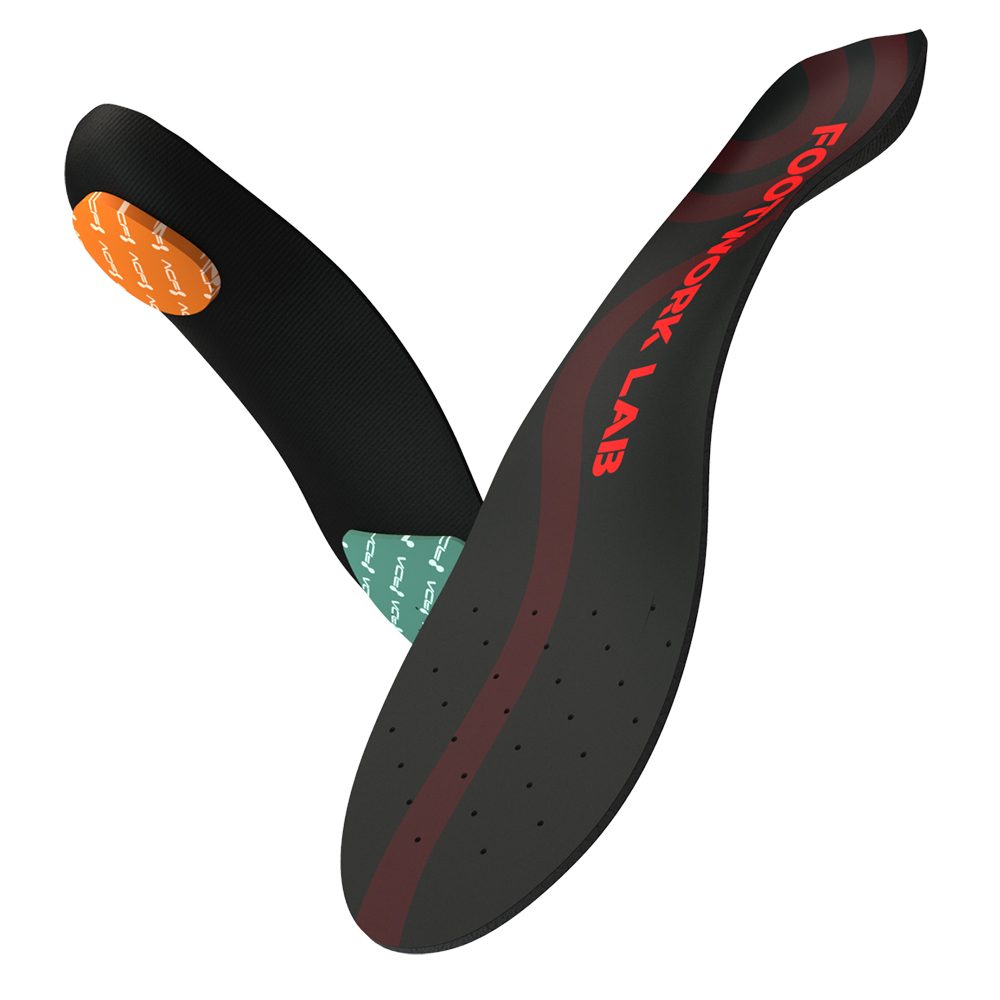
The built pair itself becomes evidence during the transition, and it should be read like one. Take the pair out, set it on the bench beside the indoor trainer, and look. Wear that deepened suddenly under the forefoot tells the stop-start story. Compression at the edge tells the direction-change story. A contour that sits higher against this shoe’s cavity than it did in the summer trainer tells the shoe story. Our article on reading a footbed you did not make walks through this kind of inspection for a pair built elsewhere, and the same reading applies to a pair this room built, with the advantage that the original build notes are on file.
What the footbed cannot show is anything about the foot it no longer touches. It shows how the pair was used under the new conditions, which is real information and exactly the right kind — but it is usage history, not a measurement of the customer. If the room wants to know how the foot itself is presenting under the indoor conditions, that requires a capture, and the question of whether the season justifies one is the next section’s subject.
Between the two sits the conversation with the customer, and the report-back habit is what makes it productive. Our piece on what a customer should be asked to report in the first weeks after a new build applies here almost word for word, because the indoor transition is a second introduction: same pair, new conditions, and a fortnight worth of observations the room needs in the customer’s own words rather than in summary form.
When the season justifies a new capture
Some transitions ask for more than a conversation. When the customer is spending most of the year’s training hours indoors, when the indoor shoe differs enough from the outdoor trainer that the footbed’s fit changes materially, or when the report-back includes discomfort that keeps returning in the same region under the same conditions, the honest next step is a fresh capture under the new conditions rather than an adjustment guessed from a bench reading. A pressure record taken while the customer works the way they now work — same shoe category, same session pattern — tells the room how load presents indoors, and the record becomes the evidence a rebuild, if one happens, is built on.
The capture is taken and labelled as its own condition. An indoor record sits beside the outdoor record in the folder; it does not replace it, because the outdoor season will return and the pair’s history across both conditions is what makes the folder valuable. Where the two records show the same foot presenting differently under different conditions, that is a finding about conditions, not about the foot — a distinction our article on building a comparison you can defend treats in detail for left-and-right readings, and the same logic holds across seasons.
Rooms that skip the capture and adjust directly from the footbed reading get pairs tuned to an interpretation instead of a measurement, and those pairs are hard to defend when the customer returns in spring and the outdoor conditions reassert themselves. The capture costs one appointment. Guessing costs the season.
What a rebuild under new conditions actually involves
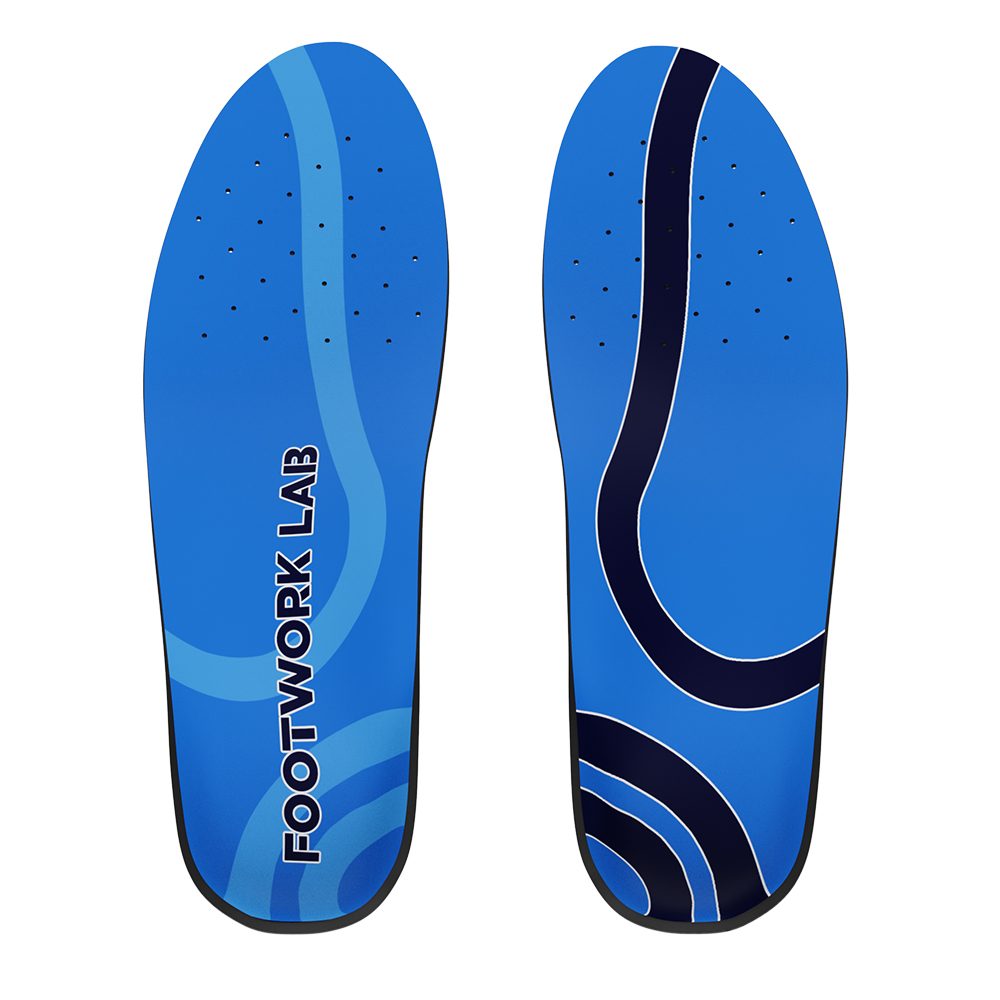
Where the indoor capture and the report-back together justify a rebuilt pair, the build follows the same three-input discipline as any other: the pressure record under the new conditions, the shape information the room already holds, and the customer’s own description of what the current pair does indoors. A rebuild driven by a season is usually about degree rather than direction — a contour eased slightly, a posting revisited in light of how load now travels, a top covering chosen for a floor and a shoe that behave differently from the summer combination. Our article on what a wedge under the heel or forefoot actually does is the reference we point to when the conversation reaches posting, because the vocabulary in that piece is what keeps the room and the customer talking about the same thing.
The one caution worth saying aloud: the indoor season and the outdoor season both still exist. A pair rebuilt entirely around indoor conditions will meet the road again in spring, and the folder should say clearly which conditions each version of the build was shaped for. Rooms that keep both records, both condition notes and both build specs on file can serve two seasons with one pair or with two, whichever the customer’s training pattern actually needs, and can explain the choice either way.
For rooms that build for teams and squads rather than individuals, the same logic scales through the order. Mixed training patterns across a roster are handled the way mixed sizes are: captured, labelled, and built to the records rather than to an average.
What the surface change cannot be blamed for
One misreading recurs every winter and deserves its own paragraph: the temptation to file every indoor complaint under surface change. The transition explains a great deal, but it does not explain everything. Discomfort that sharpens with a specific movement, that keeps returning in the same region across different shoes and different floors, or that changes how the customer moves rather than just how the floor feels, is describing something the season did not introduce. The equipment’s role here stays what it always is — measurement and images under stated conditions — and interpretation belongs to a qualified professional reading the whole case, not to the floor.
The room’s protection against this misreading is the same condition discipline used everywhere else. Write down which conditions each capture and each report-back refers to, keep the indoor and outdoor histories separated on the page, and the folder itself will show when a complaint belongs to the season and when it does not. Our article on cushioning tops and where softness stops helping is a useful companion reading here, because it draws the line between comfort descriptions and control descriptions, and indoor winters blur that line more than any other period of the year.
Notes for a pair that serves two seasons
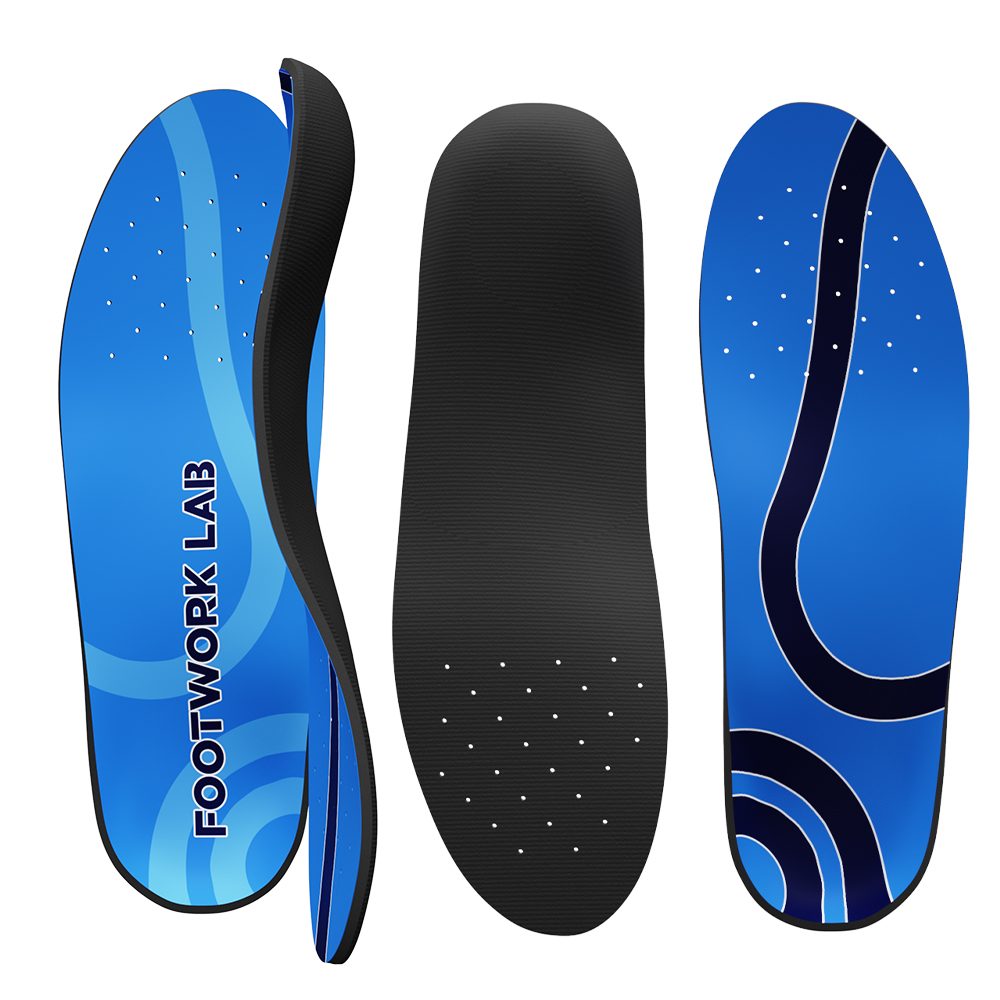
The file that keeps a two-season pair explainable is short. Which conditions each record was taken under. Which shoe the pair was fitted into, for each season. What the customer reported after the first indoor fortnight, in their words. What was changed, when, and on what evidence. None of this is paperwork for its own sake; it is what allows whoever opens the folder next autumn to see the pair’s whole working life instead of reconstructing it from memory. Rooms that keep this file describe rebuilds confidently two years on. Rooms that do not rediscover the same transition every winter as if it were new.
The habit generalises to the whole room. One condition line on the session sheet, one build spec per pair, one report-back noted in the customer’s words — the indoor season is simply the period when these habits pay most, because it is when conditions change fastest and descriptions travel furthest from what the pair was fitted for. A room that documents the transition well turns a recurring complaint into a recurring appointment, and the customer, who mostly wants to be heard and to know the pair is being watched, comes back in spring with the folder already holding the answer.
For buyers supplying rooms, retailers and teams, this seasonal pattern is one of the things we build for: pairs specified per condition, records kept per foot, and production organised so a squad’s winter rebuilds and a clinic’s individual transitions both move through the same workflow. The insole categories page outlines the sport and everyday ranges, and our team discusses season-transition workflows and order planning by message before any order is placed.
Frequently asked questions
The pair felt right all summer and different indoors. Is something wrong with the build?
Usually not. Surface, shoe and session pattern all change at once in winter, and the pair is now working under conditions it was not fitted for. Collect which floor, which shoe, how many hours and where exactly the customer feels the difference before adjusting anything. Many of these conversations resolve with information alone.
Should we capture a new record for the indoor season?
When the customer trains mostly indoors, when the indoor shoe changes the footbed’s fit materially, or when the report-back keeps returning to the same discomfort under the same conditions, a capture under the new conditions is the honest next step. It is labelled as its own condition and filed beside the outdoor record, not in place of it.
Can one pair serve both indoor and outdoor seasons?
Sometimes, depending on how different the conditions and shoes are. What matters is that the folder states which conditions each version of the build was shaped for. Where the two seasons differ enough, rooms order the pair per condition and the customer alternates, with both histories kept on file.
What is the minimum order for custom insoles?
Insoles start from two hundred pairs per order, and those pairs can be mixed across styles and sizes, which is how teams and retailers usually order. Sample pairs ship within three days of confirmation. We accept both ODM and OEM projects for insoles, and the sales team confirms details by message.
How long does delivery take?
Express delivery runs roughly a working week and a half depending on destination, air freight somewhat longer, and sea freight around a month and a half. Exact schedules are confirmed with the quotation, since customs clearance varies by country and port.
Can we have the insoles packaged under our own brand?
Yes. Private label insoles are a regular part of the order workflow, covering packaging and labelling alongside the builds themselves. The sales team walks through the options and requirements by message before production is scheduled.
What support do we get after ordering?
A dedicated WhatsApp group with our engineers directly in it, remote assistance when a question needs more than messages, and production answers from the factory floor rather than from a catalogue. Every insole order moves through the same factory that builds the assessment equipment, so build questions are answered by the people who build the pairs.
What we would do next
Before the indoor season settles in, put the transition script where staff will use it: which floor, which shoe, how long, where exactly. Then pull the folders of customers who trained through last winter and check whether the indoor conditions of each record are recoverable from the page; where they are not, start the condition line this season. Our piece on the pair that only comes out in winter covers the footwear side of the same season, and where softness stops helping separates comfort language from control language when the customer describes a floor that feels hard. For the reading side, court sports and the edge of an insole explains what direction changes ask of a built pair, and the first two weeks report-back gives the questions that turn a customer’s impression into usable notes. The FAQ page carries the ordering and support answers we give most often, and the team replies to workflow and order questions through the contact page.
This article is intended for professional and educational reference. It is not medical advice. Foot assessment equipment produces measurements and images; clinical interpretation and any decision about care remain the responsibility of a qualified professional. Certification scope is limited to the documentation we hold: European Union certification and ISO quality system certification.