
The pair was finished, paired and standing two metres from the packing shelf when the checker turned it over, ran a thumb along the heel edge, and stopped. One corner of the top cover was lifting, just enough to catch, not enough to photograph dramatically. The pair went back to the bench instead of into a box, and by the end of the shift it had been reworked, rechecked and signed off twice. Nothing about that afternoon was unusual. On any line that inspects its own work honestly, rework is a routine word, not a scandal — the pair that fails a final check is not a failure of the factory but a sign that the factory is looking. What buyers actually want to know is more specific: what does the final check look at, what kinds of faults turn up, who decides whether a pair gets reworked or rebuilt, what happens on the bench during a rework, and what record is kept so the same fault does not drift through a whole batch unnoticed. Those are the questions this article answers, from the inside: where the check sits in a pair’s build, the faults we see most often, the decision at the bench, the paperwork that follows a reworked pair, what the customer eventually sees — and why a line that counts its rework openly is the one worth buying from.
Where the final check sits in a pair’s build
Every custom pair on our line travels with a build spec — a sheet that records what the pair is supposed to be, carried forward from the order sheet through shaping, shell work and cover bonding. The final check is the last station before packing, and its job is narrow: hold the finished pair against its own spec, not against anyone’s taste. The checker lays the two insoles side by side and reads them as a matched set, because a pair is a pair: whatever one foot’s build says, the other must answer it, and a visible mismatch in height or shape between left and right is a fault even when each piece individually looks fine. From there the check moves across the surfaces — cover edges, bonding lines, trim, the marks that identify the build — in the same order every time, because an inspection that wanders misses things. The final check is deliberately the last step, after everything that could have introduced a fault has already happened. That placement is what makes it useful: nothing downstream can fix what it finds, so anything it catches has to loop backwards, and the loop is what this article is about. Buyers who tour the line sometimes ask whether the check exists to catch other stations’ mistakes. The honest answer is that it exists to protect the customer’s order, and the counting of what it catches is what protects the other stations — which is why the loop, not the catch, is the part we care most about.
What actually fails the final check
The faults that stop a pair are mostly small, physical and findable by hand and eye, which is why the check is done by people rather than around them. Cover edges that refuse to lie flat come first on the list: a corner lifting at the heel, a bond line showing a shadow where the adhesive did not spread, a wrinkle trapped under the surface that will grow into a visible ridge once the pair has been walked on. Our article on adhesive, primer and press covers how much of a cover’s fate is decided before the checker ever sees it — surface preparation, bond pressure and timing at the bonding station. After the cover come the geometry faults: an edge left rough where the trim pass rushed, a height that reads differently between the two pieces when they are laid together, a mark on the surface that the customer will notice before we do. Then the paperwork faults, which are the ones we take most seriously: a pair labelled on the wrong side, a build spec that does not match what was actually built, a tag from another order that travelled onto the wrong bench. None of these faults would survive a week of wear unnoticed, and that is precisely the point of catching them here. The check is not hunting for perfection in the abstract; it is hunting for the specific things a customer would find in the first month, and every one of them is cheaper to fix on the bench than in a customer’s hands.
The decision at the bench: rework or rebuild
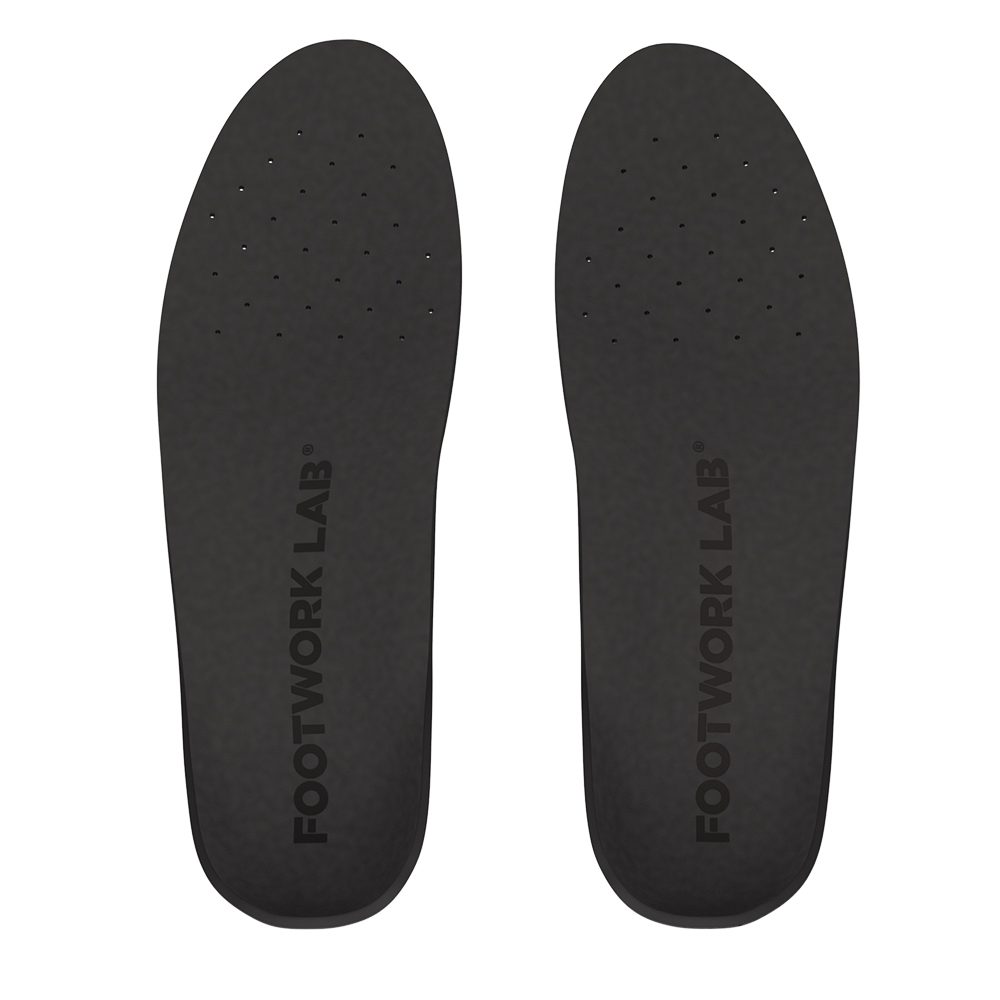
Once a fault is called, the first decision belongs to the senior checker, and it is a two-option decision. If the fault is local and surface-level — a lifting cover edge, a rough trim, a surface mark — the pair goes to rework, meaning the existing build stays and the fault gets corrected on it. If the fault sits in the build itself — the wrong region built, a shell that does not match the spec, geometry that cannot be corrected without disturbing what the assessment asked for — the pair is rebuilt from the spec, and the failed piece is set aside rather than patched. The rule that separates the two is simple to state and takes experience to apply: a rework may correct the surface; it may not alter the build. A pair that needs its structure touched to pass is no longer a rework candidate, because a rebuilt-looking pair that was actually patched is worse than an honestly rebuilt one — the spec would no longer describe what ships. Checkers learn this rule by working under it, and the seniority in the title matters for exactly this reason: the rework-or-rebuild call is judgement, not checklist. Buyers sometimes ask whether the pressure of a queue pushes borderline calls toward rework, because rework is faster. It can, which is why the call is recorded and reviewed — a checker whose rework entries keep coming back for a second pass gets coached, and the counting described later in this article is what makes that coaching possible instead of theoretical.
What a rework looks like at the bench
A reworked pair returns to the station where its fault originated, not to whichever bench has space, because the person best placed to correct a bonding fault is the one who works at bonding. For the lifting cover corner that opened this article, the sequence runs: the cover edge is lifted back cleanly, the surface underneath is re-prepared, fresh adhesive goes on in the right amount, the cover is pressed back down and held under proper pressure while it sets, and the edge is re-trimmed so the corner finishes flush. The whole job might occupy a short bench session — the honest cost of a rework is not usually the minutes, it is the interruption: the pair has left the flow, waited its turn, and come back into a schedule that kept moving without it. For trim and surface faults the bench work is smaller; for a pair whose cover has to come off entirely, the rework approaches a rebuild and gets decided as one. What never happens is a silent fix: the pair does not simply reappear at packing as if nothing had occurred. It carries a tag now, described in the next section, and it goes back through the final check like any other pair. Regulars on the line can tell a reworked pair from its tag alone, and that is by design — the tag is the difference between a correction and a cover-up.
The rework tag and the second signature
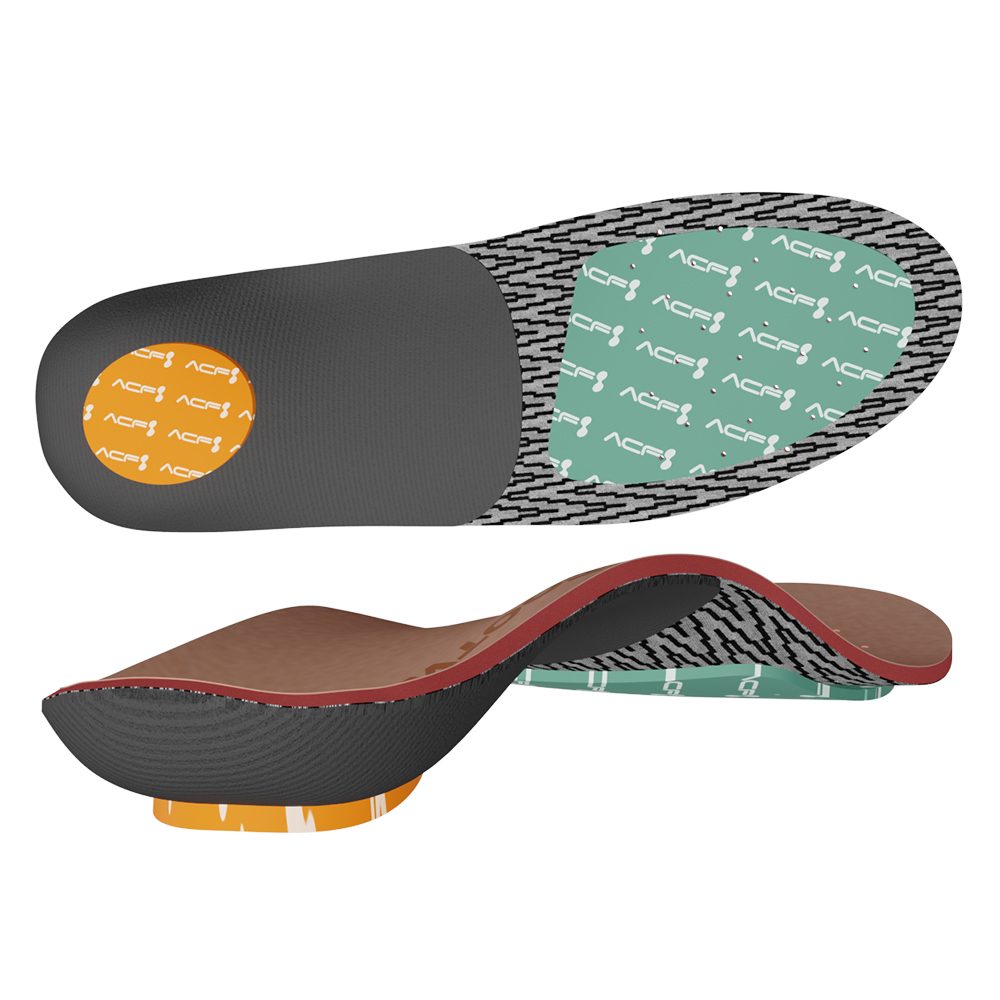
Every pair that fails carries a paper tag from the moment it is called, and the tag stays with it until the fault is closed. On the tag: the order number, the fault written in one plain line, the action taken, the name of the person who did the rework, and the date. The one-plain-line rule matters more than it sounds. A tag that says “cover edge lifting at heel, re-bonded and re-trimmed” can be read by anyone on the line and by anyone downstream; a tag that says “fixed” cannot. When the reworked pair returns to the final check, it is signed off a second time — and where staffing allows, the second signature belongs to someone other than the person who did the rework, because the person who just spent twenty minutes on a fix is the person least inclined to fail it again. The pair does not rejoin the packing flow until that signature exists, and no signature goes on a pair that still shows its fault; it simply goes back to the bench, and if it fails again the rework-or-rebuild question is asked fresh, usually with a rebuild as the answer. The tag then gets filed against the batch record rather than binned. Months later, if a customer ever asks what happened to a pair or a distributor wants to trace a question back through production, the file answers in one page: what was found, what was done, who checked it, twice.
What the customer sees — and what to check on arrival
Here is the part customers care about most: a reworked pair that passes its second check ships exactly like any other pair, and should look exactly like any other pair. The customer opens the box to a matched set, clean edges, covers lying flat, both pieces matching the build spec that came with the order. What the customer should never see is the fault, and what the customer is entitled to know, if they ever ask, is that the pair passed a final check — and, if it happened to be a reworked one, that it passed twice. Nobody ships unpassed. When a pair arrives, the checks worth a minute of the customer’s time are the same ones the line makes: lay the pair together and look for the match, run a finger along the edges, look at the cover surface under good light, and compare the pair against the build notes that came with the order. Small things worth a message back to us: an edge that catches, a cover that clicks or moves under a thumb, a mark that seems more than cosmetic. Our article on matched pairs and one box covers how we pack a clinic order so nothing gets swapped in transit, and our article on reading a top cover for wear at the three-month check covers what a pair should look like after its first months of honest use. A factory that invites arrival checks is a factory that has already done its own.
Why the line counts rework instead of hiding it
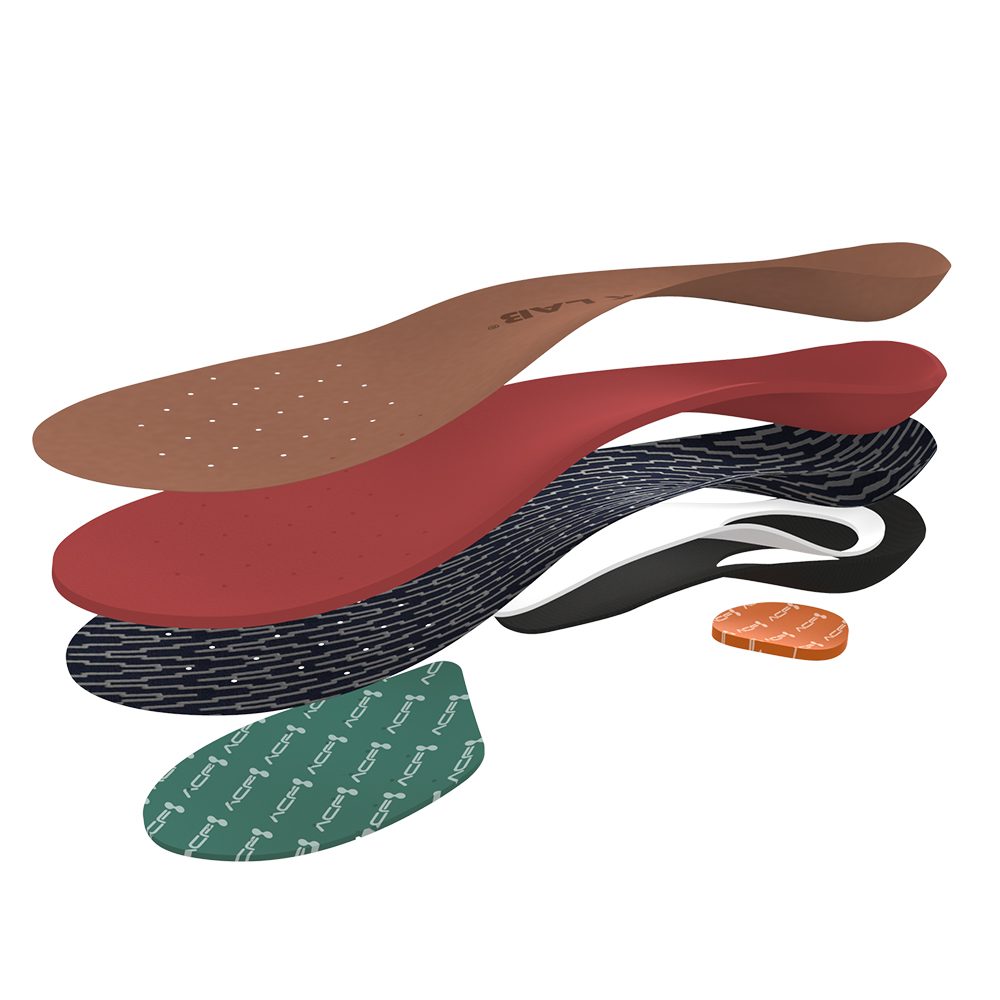
The rework tags could be binned at the end of each week and nobody outside the factory would ever know. We file them instead, and the reason is that a tag is a data point about the line, not just about the pair. Read across a month, the tags say things no meeting could: a run of cover faults clustering around one bonding station says the station has drifted; a cluster of geometry faults on one build type says the spec for that type needs a plainer template; faults rising when a new operator joins a bench say the handover needs more shadowing and less paperwork. None of those conclusions is available from a single tag — they come from counting, and counting only works if the tags were written honestly in the first place, which is why the one-plain-line rule on the tag is enforced harder than any other rule on the floor. Buyers ask, at exhibitions and during factory visits, what our rework rate is and whether a low number would reassure them. The more honest reassurance is the shape of the curve: a line that finds faults and watches where they cluster is a line that is still looking. A flat zero, month after month, usually means the check has gone soft, not that the line has gone perfect. What we would rather a buyer take from this article is the sequence — find it, tag it, fix it, check it again, count it — because that sequence, repeated without exception, is what a final check is actually for.
Frequently asked questions
What happens if one pair in my order fails the final check?
The pair is either reworked at the bench or rebuilt from its build spec, and it goes back through the final check before it can ship. No order leaves with an unpassed pair in it. If the fault requires a rebuild rather than a rework, the customer is told, because a rebuild can affect the schedule even when the replacement build itself is straightforward.
Will a reworked pair delay my delivery?
Most rework is absorbed within the normal production schedule, because a rework occupies a short bench session rather than a new build. A rebuild takes longer, which is why the decision is not made casually. Full orders move by courier, air or sea with different lead times, and the shipping conversation happens separately from whatever the line did to earn the pair its signature.
Can I ask for a failed pair to be rebuilt instead of reworked?
Yes. Surface faults are reworked because the original matched build is worth keeping, but if a customer prefers a fresh build, that is a legitimate request and is priced into the order conversation. Structural faults are rebuilt regardless of preference, because patching a build would mean the shipped pair no longer matches the spec it was sold against.
How is a fault recorded?
On a paper tag that travels with the pair and is then filed against the batch record: order number, the fault in one plain line, the action taken, the name of the person who did the rework, and the date. The second sign-off is recorded too. The file exists so that any question about a pair can be traced back through production months later.
Who checks a pair after it has been reworked?
The final check signs the pair again, and where staffing allows the second signature comes from someone other than the person who did the rework. The logic is practical: whoever just invested effort in a fix is the least likely person to fail it. If a reworked pair fails again, the rework-or-rebuild question is asked fresh, and the answer is usually a rebuild.
Does rework mean the factory is careless?
A line that records faults is a line that is looking; a flat zero month after month usually means the check has gone soft rather than that the line has gone perfect. What matters is the sequence — find, tag, fix, check again, count — and whether the counts feed back into the stations where the faults originated. That feedback loop is the real quality system.
What should I check when the pair arrives?
Lay the pair together and look for the match, run a finger along the edges, inspect the cover surface under good light, and compare against the build notes that came with the order. If an edge catches, a cover moves under a thumb, or a mark looks more than cosmetic, message us with the order number and a photo. Arrival checks and factory checks should agree.
What we would do next
If you order insoles from any manufacturer, ask the rework question before you order, not after: what happens to a pair that fails the final check, who signs it off, and can you see the record if you ever ask. The answers tell you more about a line than any certificate. On our side, the insole categories page shows the ranges the line builds against, and our team can walk a buyer through the check stations on a factory visit or on a call. Our article on what the order sheet has to answer before a batch can start covers the paperwork that travels with a pair from the first bench, and the FAQ page collects the operational answers we give most often by message. For anything else, the contact page reaches us directly — including the awkward questions, which are the ones we like best.
This article is intended for professional and educational reference. It is not medical advice. Foot assessment equipment produces measurements and images; clinical interpretation and any decision about care remain the responsibility of a qualified professional. Certification scope is limited to the documentation we hold: European Union certification and ISO quality system certification.