
Key Takeaways
- Pre-sales consulting is a scoping function, not a sales pitch: it turns a clinic’s or retailer’s operational goals into a written equipment, software, and service specification before money changes hands.
- In foot-scanning and custom insole production, the scope typically spans five areas: use-case fit, technical and software configuration, capacity and delivery planning, service readiness, and commercial/procurement terms.
- Buyers should expect tangible deliverables — a written configuration list, confirmed throughput figures, a logistics and warranty summary, and a quotation with itemized line items — not verbal assurances.
- Clear boundaries matter: consulting explains what a system can do and under which conditions; it does not replace clinical judgement, local regulatory approval, or hands-on training after delivery.
- Ask for anything you were promised in writing. A short, documented specification is the difference between a smooth installation and a costly mismatch.
1. Introduction
Buying a foot scanning system, an insole milling setup, or an in-store fitting solution is rarely a single decision. It involves matching a device to a clinical workflow, choosing a software tier, planning how many units the shop floor can actually produce per day, and figuring out whether the machine will clear customs and be serviced in a language your staff reads. Most of the disappointment buyers report does not come from a defective machine. It comes from a gap between what they assumed was included and what was actually specified.
That gap is exactly what pre-sales consulting is meant to close. When buyers ask what pre-sales consulting service covers, they are usually trying to find out whether the conversation before purchase is a genuine technical scoping exercise or just a price quote with a brochure attached. This article sets out the concrete scope — what a credible pre-sales engagement should cover, what deliverables to expect, and which questions to put in writing before you approve a purchase order. The reference points come from the FOOTWORK LAB product and service documentation used in real dealer and clinic conversations, including delivery modes, warranty terms, and the recurring questions buyers from the US, Vietnam, Japan, and Europe have raised.
2. Use-Case Fit: Mapping the System to the Buyer’s Actual Workflow
Core conclusion: the first job of pre-sales consulting is to establish whether a given configuration fits the buyer’s setting — and to say so plainly when it does not.
Foot scanning and insole production systems are sold into very different environments, and the same hardware behaves differently across them. Documented application scenarios include podiatry clinics, foot care centers, sports rehabilitation centers, physiotherapy clinics, shoe stores and retail chains, gyms and stadiums, children’s fitness centers, sports training institutions, diabetic foot care programs, and military testing applications. A retail chain needs fast throughput and a simple operator interface; a rehabilitation center needs gait data and exportable records; a diabetic foot program needs documentation and repeatable measurement protocols.
A competent consultant translates the buyer’s setting into three or four concrete requirements — scan volume per day, whether design and milling happen on site or centrally, whether patient data must leave the clinic, and who will operate the device — then checks the proposed configuration against each one.
Practical advice: describe your busiest day, not your average day. If you run a two-chair clinic and see 20 patients on a Saturday, say so. Volume assumptions are the single most common cause of under-specified purchases.
3. Technical and Software Scope: What Should Be Explained Before You Sign
Core conclusion: the consulting conversation should cover software just as thoroughly as hardware, because software is where most configuration ambiguity lives.
In practice, buyers raise a consistent set of software and data questions that a pre-sales engagement should answer directly:
- White-label and licensing. Whether the patient-facing software can carry the buyer’s own brand, what the license covers, and why licensing is priced the way it is.
- Automation level. How much of the design the software generates automatically versus how much the clinician adjusts manually.
- Correction parameters. How the system guides decisions such as where to raise or lower posting height, and which values remain the clinician’s responsibility.
- Localization. Whether the interface is available in the operator’s language — Vietnamese, Japanese, Greek, and Russian-speaking buyers have all asked — and how communication during onboarding is handled across languages.
- Data interface. Whether the system can export to or integrate with existing clinic or retail systems.
- Dynamic gait measurement. Whether the configuration captures walking data in addition to static scanning.
- Consumables. Material types, color options, pricing, and resupply lead times.
Each of these is a specification item, not a courtesy. If a buyer needs a specific interface language or an export format, that requirement should appear in the written configuration, because retrofitting it after delivery is far more expensive than specifying it upfront.
Practical advice: ask for a demonstration of the software workflow on a realistic case, including one that requires manual adjustment. Automation claims are best verified by watching an atypical foot, not a textbook one.
4. Delivery, Capacity, and Service Readiness
Core conclusion: pre-sales consulting also covers how the system reaches you, how fast it can produce, and who fixes it when something goes wrong.
These are operational questions, and they are frequently settled with approximate answers that later cause problems. A structured pre-sales summary should state delivery options explicitly. The four modes offered in FOOTWORK LAB’s documentation differ mainly in time and cost:
| Shipping mode | Typical transit time | Cost profile | Best suited to |
|---|---|---|---|
| Express (FedEx / DHL / TNT / UPS / EMS) | 6–7 working days | Fast but expensive | Urgent installs, samples, single units |
| Air freight | 10–12 working days | Fast but expensive | Time-sensitive bulk orders |
| Ocean freight | 30–35 working days | Slow but economical | Planned expansions with lead time |
| Land transport | Depends on destination | Slow but economical | Confirmed-address regional deliveries |
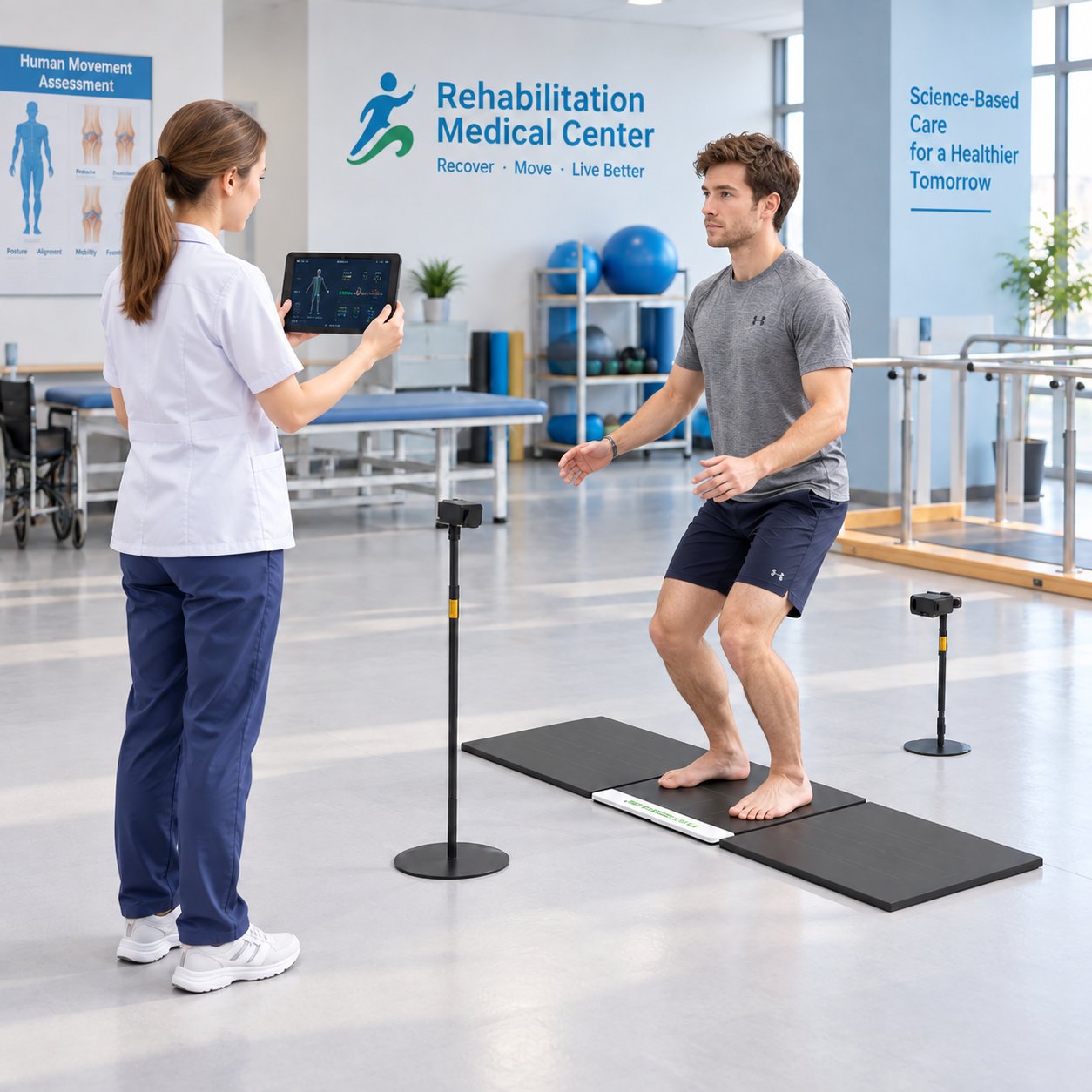
Capacity should be quoted against a named configuration. For standard machine builds, documented output runs at roughly 3–5 units per day, but the figure varies with model, material, and operator experience — so the number that matters is the one written into your quotation for your specific setup, not a general marketing figure.
On service, the specifics that a buyer should hear unprompted include: a 12-month warranty covering free replacement parts for non-human-caused damage; a pre-shipment testing period in which the machine is run and its functions verified before dispatch; a modular machine architecture that allows remote diagnosis from photos and video; and a dedicated after-sales group on WhatsApp that includes the buyer, the sales contact, and the engineer. Installation and daily operation are supported by voice and image guidance, a user manual, and installation instructions, so no professional engineering background is needed for routine use.
Practical advice: ask who exactly will be in your after-sales group, and in which time zone. Remote diagnostics only work if the engineer is reachable during your working hours.
5. Commercial Terms, Procurement, and What Falls Outside Scope
Core conclusion: consulting should end with a documented commercial picture — itemized quotation, payment terms, and a clear list of what is not included.
Buyers from public programs and subsidized clinics in particular need a quotation broken down line by line, because reimbursement and grant applications rarely accept a single lump-sum figure. Payment terms are negotiable and configuration-dependent, and the exact terms should be confirmed with the sales team at order placement rather than assumed from an early email.
Equally important is the boundary. Pre-sales consulting typically does not cover clinical decision-making — correction values remain the treating clinician’s responsibility — nor does it handle local regulatory registration, customs clearance, or the actual execution of warranty repairs. It also does not finalize mold ownership or custom模具 specification, which are contractual matters handled alongside the purchase agreement.
Checklist before you approve a purchase order:
- Written configuration list, including software tier and interface language
- Confirmed production capacity for your specific model and material
- Shipping mode, transit estimate, and Incoterms
- Warranty duration and what "non-human-caused damage" means in practice
- Named after-sales contacts and escalation path
- Itemized quotation with payment schedule
6. FAQ
Q1. Is pre-sales consulting free, and does it commit me to buying?
In most equipment businesses, technical scoping — application fit, configuration, delivery estimates, and quotation — is provided at no cost and carries no purchase obligation. What it should produce is a documented specification you can compare across vendors. Walk away from any consultation that ends with a verbal price and no written scope.
Q2. How long does a typical pre-sales process take before delivery?
It depends mainly on the shipping mode you choose. Express delivery runs about 6–7 working days in transit and air freight about 10–12, while ocean freight takes roughly 30–35 working days. Land transport timelines depend on the destination address. Add configuration and pre-shipment testing time — every machine is run and function-tested before dispatch — when planning your installation date.
Q3. What happens if the machine develops a fault after delivery?
Machines carry a 12-month warranty, under which non-human-caused damage is covered by free replacement parts. Because the hardware uses a modular design, the engineer can usually identify the faulty module from photos or video you share in the after-sales group, which shortens the diagnostic cycle considerably. Consumables and human-caused damage fall outside the warranty.
Q4. Do we need technical staff to operate the system?
No professional background is required for daily operation. The machines run with voice and image guidance, and each unit ships with a user manual and installation instructions. Engineers provide online guidance through the after-sales group during setup and beyond.
7. Conclusion
Pre-sales consulting, properly scoped, is the stage where assumptions get tested and turned into written specifications. It should cover use-case fit, software and technical configuration, capacity and delivery planning, warranty and after-sales readiness, and commercial terms — and it should be explicit about the parts it does not cover, such as clinical judgement and local regulatory approval.
For buyers evaluating a foot scanning or insole production system, the practical next step is straightforward: request a written scope document that answers the checks in Section 5, and compare vendors on the specificity of their answers rather than the enthusiasm of their pitches. A supplier who can put throughput, shipping, warranty, and service contacts in writing before the order is a supplier who has done this before.