
It is mid-afternoon on the second day of the show, and the staff at the stand have stopped shifting their weight. The visitors still come and go, the demonstrations still run, but the people behind the counter have settled into the particular stillness of a long event: feet planted on concrete, bodies held upright for the sake of appearing attentive, and hours still to go. Anyone who has worked exhibitions knows the pattern — the legs ache in a way that a full day of walking somehow does not, the discomfort concentrates in places that surprise even experienced staff, and everyone has a theory about the shoes by the time the hall empties. For the professionals who fit these people — retailers serving event and trade teams, clinics treating staff whose complaint surfaces the week after a show, distributors supplying exhibition-heavy industries — standing still is a distinct load case, and it deserves to be treated as one. This article works through why static hours load feet differently from walking ones, what a stand actually asks of the body, which questions to settle before an assessment, what a build for quiet hours emphasises, and what staff can change tomorrow without waiting for anything custom.
Day three, hour seven, and nobody has walked anywhere
Ask stand staff at the end of a long day where it hurts, and the answers cluster in places that walking does not punish the same way. The underside of the heels, from hours of planted stillness. The ball of the foot, from leaning forward over a counter to hear a quiet visitor. The arches, from holding the body up without the rhythm that walking provides. And the lower legs, which never got their turn to pump anything anywhere. The complaint is rarely one sharp thing; it is a dull, spreading fatigue that feels out of proportion to the modest number of steps on the pedometer.
The second characteristic of event work is its monotony. A walking day varies itself: surfaces change, pace changes, weight rolls through the foot thousands of times along a moving line. A standing day repeats a single loading position for hours, and the repetition is the problem. Staff who feel fine at lunchtime are usually the ones who kept shifting; staff who stiffen into one efficient-looking posture by mid-afternoon are the ones the third day finds hardest.
The third characteristic is the floor. Exhibition halls are concrete under a thin carpet, and the carpet fools nobody’s feet. Add footwear chosen for how it photographs at the booth — often flatter or stiffer than what the same person would walk in — and the stand becomes a specific environment with a specific load signature. None of this is mysterious; it is just different from the walking day that most general advice about being on your feet quietly assumes.
Why standing still loads feet differently
Walking is a pump. With every step, the muscles of the calf and foot contract and relax, helping move blood and fluid up and out of the leg, and the load under the foot rolls from heel toward the forefoot along a moving path. Standing still switches the pump off. The same load now sits in one place, the muscles hold instead of work, and fluid settles into the leg over the hours. The feet of someone who has stood for seven hours are not the feet she walked in on, and the record from a capture taken that evening would honestly reflect it.
The load distribution tells the same story from underneath. In walking, pressure travels; in standing, it parks. Whatever region happens to sit under the body’s line of weight — usually the heel and the forefoot in a fixed pattern — carries that share continuously, without the relief waves that a stride provides. Tissues tolerate sustained load differently from repeated load, which is why a standing day can leave a foot complaining in places a walking day never touched. Our article on standing still versus walking through looks at how the two records differ on the platform, and the difference is large enough that a capture taken for one purpose answers poorly for the other.
Posture completes the picture. A stand is rarely a neutral standing position: staff lean toward counters, rotate to face demonstrations, hold one shoulder higher to point at a screen, and lock their knees during long explanations. Each of these shifts the body’s weight line and therefore the map of what the feet are doing. The consequence for assessment is simple and easy to miss: before any decisions are made for event staff, the assessment needs to know which hours of which posture the feet are actually being asked to describe.
What a stand actually asks of the body
Event work is a particular job, and it rewards being described precisely. The core of it is static: hours of upright waiting at a counter or beside a display, with movement in short bursts only. Around that core sit layers that change the load — demonstrations that involve stepping and pointing, replenishment runs through the hall, teardown days that are entirely different work from show days, and travel days stacked before and after that give the feet no recovery between regimes.
Then there is the footwear rule, which is rarely the wearer’s choice. Booth staff are often dressed to a standard set by the brand, and the standard may specify a shoe that suits the photography and not the floor. A shoe that looks composed for eight hours can be the wrong tool for the concrete underneath, and staff quietly accommodate it: shorter stances, weight thrown to one side, micro-shifts that keep an overloaded region from total surrender. Those accommodations are visible to anyone who watches a stand carefully, and they are exactly the information an assessment session should be trying to capture in words.
The schedule matters as much as the tasks. A three-day show is not three identical days: the first day usually carries the most standing, the middle days accumulate fatigue, and the teardown day replaces stillness with lifting and walking on the same unforgiving floor. Staff arriving for assessment the week after a show are describing an episode, not a lifestyle, unless they do shows for a living — in which case the episode repeats all year, and the distinction between the two changes what a build is designed around.
The event questions to settle before a capture
Four questions, asked before any capture, turn a vague “my feet hurt at the show” into a workable brief. First: how long is a standing shift, and how many hours across the event — including setup and teardown, which staff routinely forget to count? Second: what is the floor, and what breaks it — real breaks away from the stand, or pauses where staff stand somewhere else? A fifteen-minute pause in a chair every second hour changes the picture substantially.
Third: what footwear does the event actually permit, and what did the staff member wear on the worst day? Bring the shoes if possible. Fourth: where does the complaint concentrate, and does it match the day — heels by afternoon, forefoot by evening, everything by day three? The timing of the complaint across a shift is as informative as its location, and both belong on the form in the staff member’s own words.
Two things to do with the answers. Schedule the capture for a day that resembles the working one: a foot assessed on a rest day, first thing in the morning, describes someone the stand never met. And record the posture pattern explicitly — which way staff lean, whether they lock knees, which side takes the load during explanations — because the posture is the bridge between the complaint and whatever the capture shows. Static records and walking records each say something; the posture notes explain why neither one alone is the whole story.
What a build for static hours emphasises
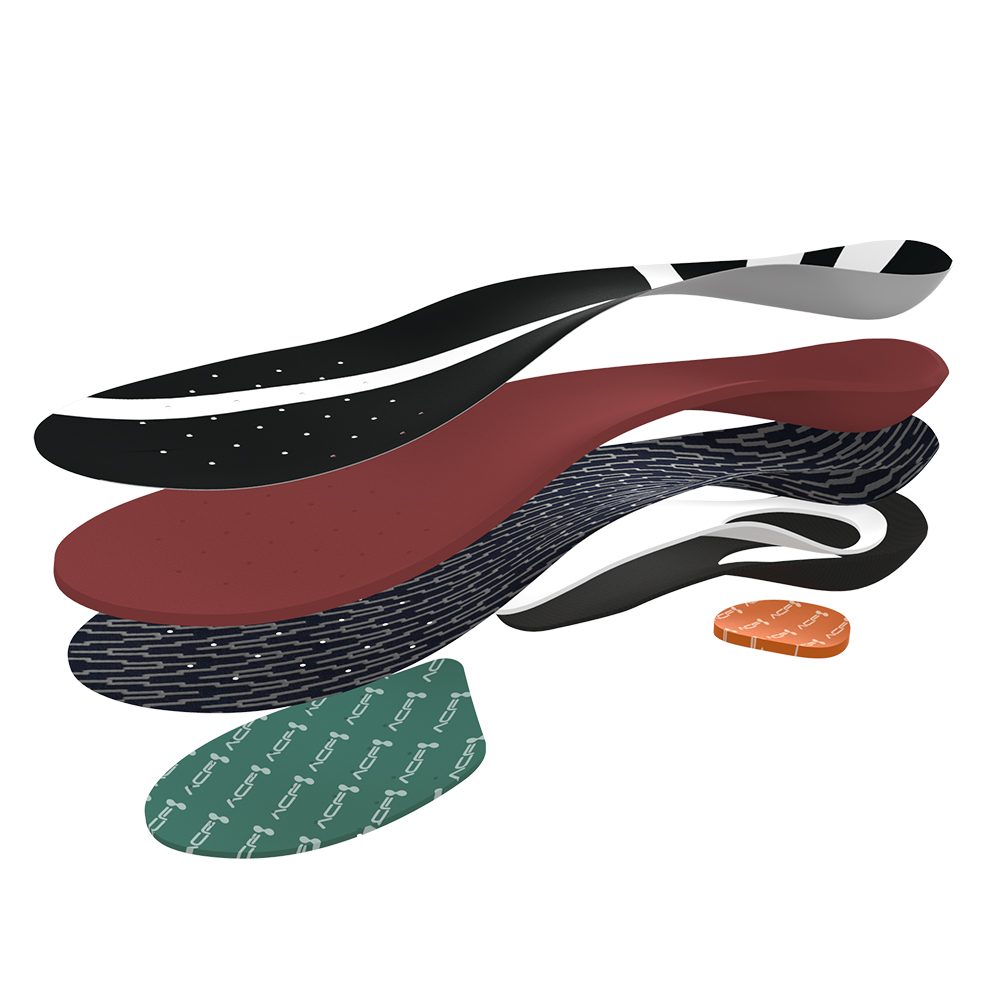
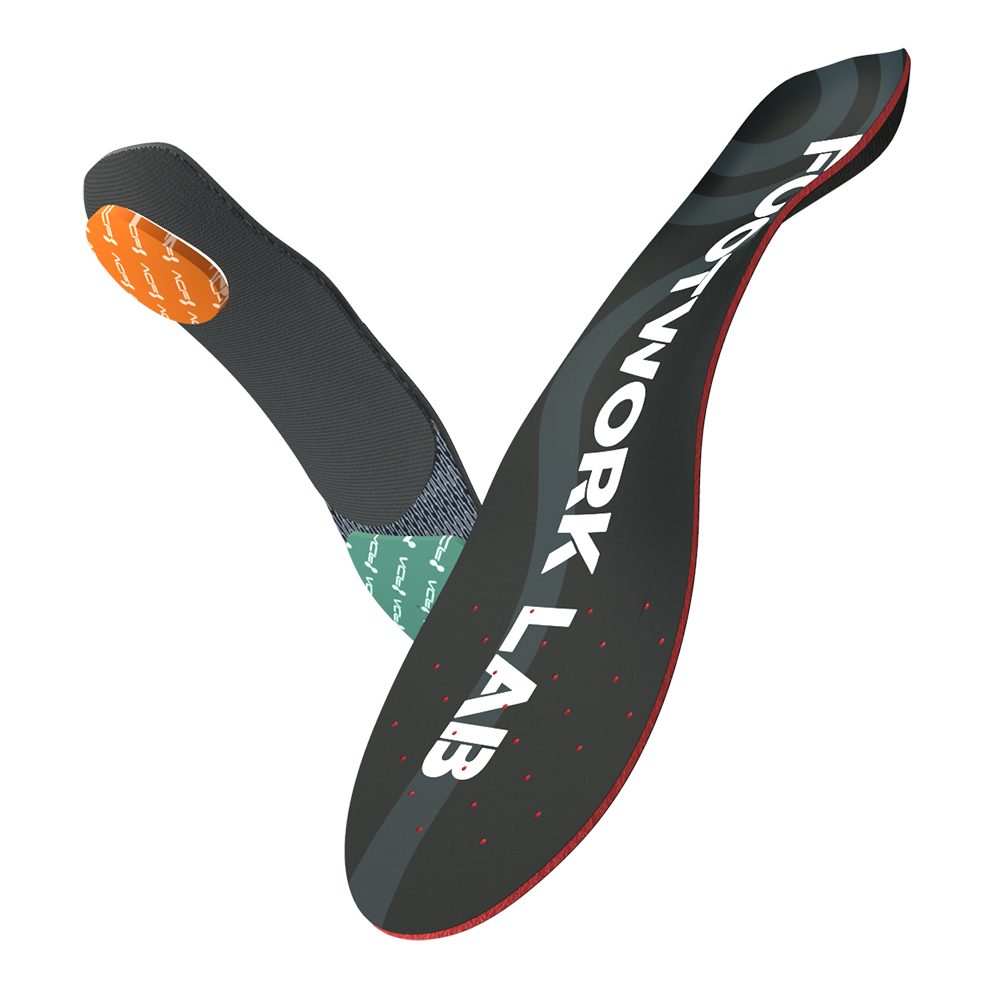
A build for standing hours optimises for a different target than a build for walking: spreading sustained load rather than managing a moving stride. The priority is distribution across the regions that park under the weight line — giving the heel and forefoot broader, gentler sharing of a load that will not rotate away — together with enough support under the arch to keep the foot from flattening into its own worst posture across hours. Comfort in stillness is the test, not bounce in motion.
The host shoe matters immediately, because event footwear is chosen for reasons other than the floor. A build for a booth shoe must work within that shoe’s depth and shape, which sometimes means accepting a slimmer device than a walking build would use. Where the footwear rule is fixed and unforgiving, the honest conversation is about what the build can do inside the shoe it is given — and what it cannot. Custom orthotic insoles, of the kind listed across our insole categories, are shaped from the measured record and the brief together; for event staff, the brief’s most important line is the shoe and the shift it will serve.
Set expectations honestly too. A build can spread load and support stillness; it cannot make eight hours on concrete feel like a morning, and it does not replace the things that actually break up a static day — pauses, posture changes, and a floor surface worth arguing for. Staff who expect the device to carry the whole problem alone report disappointment; staff who understand it as one part of a standing-day setup come back as the satisfied half of the story. What the equipment does not do is promise relief: the measurement describes how load distributed under stated conditions, and everything beyond that belongs to a qualified professional.
What staff can change tomorrow without a build
Most of a standing day’s misery is addressable before anything custom exists, and a good assessment says so plainly. The footwear conversation comes first: within whatever the event permits, choose the shoe with the best combination of cushioning and a closure that holds the foot, rather than the one that photographs best. Two pairs rotated across a multi-day event beat one pair worn throughout, because each pair’s loading pattern differs slightly and the alternation gives tissue variation it would otherwise never see.
The floor argument is worth having with whoever organises the booth. An anti-fatigue mat behind the counter, even a modest one, changes the mechanical environment of the fixed hours more than almost any other single purchase. Position it where staff actually stand — which is where the worn patch on the carpet says they stand, not where the floor plan says they should. Combined with a rule that demos and conversations happen beside the mat rather than off it, this is the closest thing static work has to a walking day’s variety.
Then the schedule itself. Micro-breaks — thirty seconds of weight-shifting, a short walk to the hall’s edge, stepping off to one foot then the other — restore the pump that standing switched off, and they work best when they are scheduled rather than remembered. Staff should be encouraged to vary posture deliberately: one foot slightly forward, knees unlocked, weight moved every few minutes. None of this is medical advice; it is standing-day craft, and it belongs in the same conversation as the capture because it changes what the feet present on the day they are assessed.
The week after the show
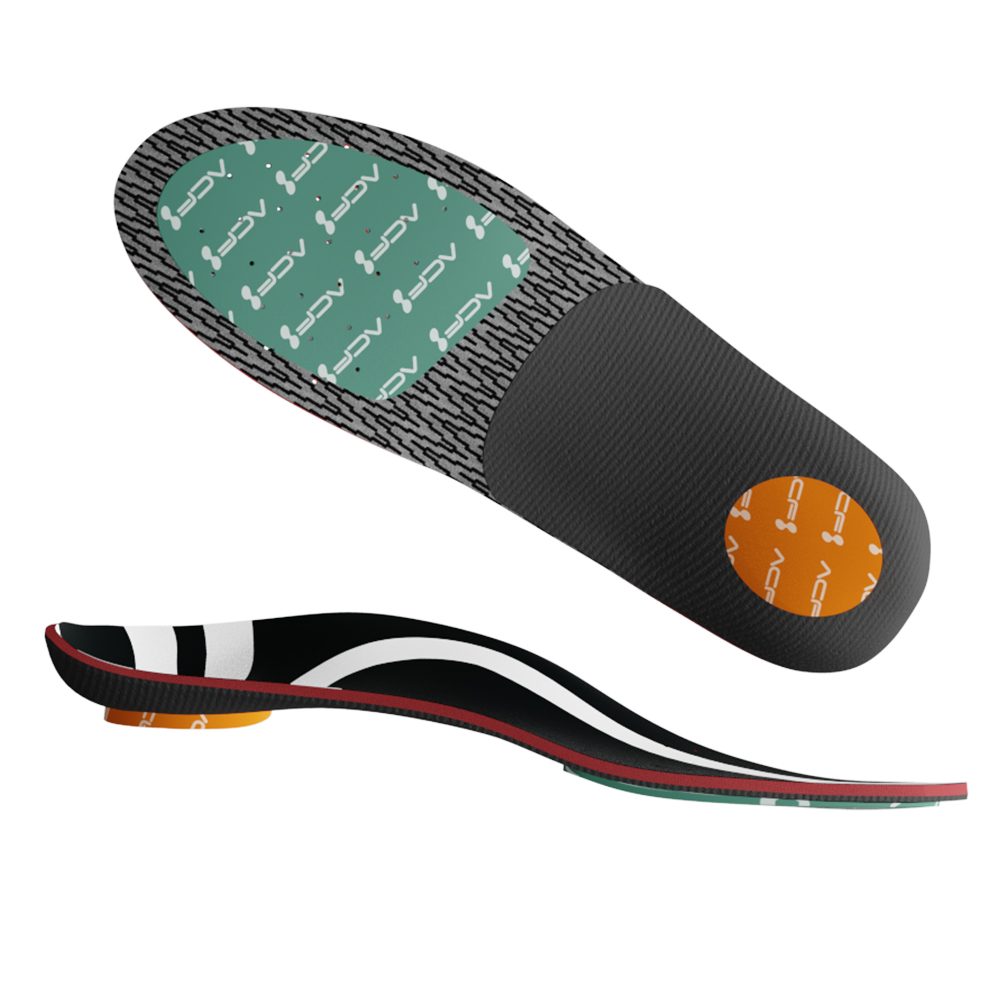
The most useful follow-up for event staff happens a week or more after the event, when the episode has resolved into whatever is ordinary for that person. Some complaints fade entirely, which is information: the load case was extreme and the feet coped. Some complaints persist at a lower level, which is different information: the standing days are sitting on top of something the ordinary week also carries. Distinguishing the two is not the fitter’s job — it belongs to a qualified professional reading the whole picture — but recording which of the two occurred is the fitter’s job, and it changes everything downstream.
The follow-up conversation reuses the intake questions with their answers beside them: same shift lengths, same floor, same shoes — and now the additional question, what was different this time compared with shows past? Staff who do events for a living are the best self-observers in this field, having run the experiment on themselves repeatedly, and their comparisons across events are data worth writing down verbatim. A note that “the heels went by day two this time, day three last time” is a genuine clinical observation that the record should preserve, not paraphrase.
Where a build is in place, the post-event check also evaluates it against the only test that matters: how did the standing hours actually go. Wear marks under the forefoot and heel, complaints compared with the verbatim intake words, and the posture pattern re-observed on a busy day all feed the same line on the sheet. What we do not do is promise that the next show will be comfortable; what the record can do is make each successive event a better-informed one than the last, which is how rooms and their customers both improve.
Frequently asked questions
Are insoles different for standing all day versus walking all day?
They optimise for different load cases. A walking day moves load along a rolling path with relief at every stride; a standing day parks load under the same regions for hours without relief. A build for static hours emphasises spreading sustained load and supporting the foot’s posture over time, while a walking build manages the moving stride. A capture taken for one purpose answers poorly for the other.
Why does standing still feel worse than walking?
Because walking works as a pump: every step contracts and releases the muscles that help move fluid out of the leg, and load rolls across the foot instead of sitting still. Standing switches the pump off, holds the same load in one place, and lets fluid settle over the hours. Sustained load and repeated load tax tissue differently, which is why a static day can leave places complaining that a walking day never touched.
What should I ask event staff before assessing them?
Four things: shift length and total hours including setup and teardown; the floor and what breaks it, in real pauses away from the stand; what footwear the event permits and what was worn on the worst day; and where the complaint concentrates and how it moves across a shift. Record the answers verbatim, and schedule the capture for a day that resembles the working one.
Do static workers need softer or firmer builds?
Neither extreme answers the standing problem. The aim is distribution: broader, gentler sharing of sustained load under the heel and forefoot, with enough arch support to keep the foot from flattening into its own worst posture. Firmness should serve that distribution inside the host shoe, and the host shoe for event staff is often chosen by the brand rather than the wearer.
What footwear works best on a concrete exhibition floor?
Within whatever the event permits: cushioning underfoot and a closure that actually holds the foot, over appearance alone. Two pairs rotated across a multi-day event beat one pair worn throughout, because alternating loading patterns gives the tissue variation a static day otherwise never provides. The shoes worn on the worst day are worth bringing to any assessment.
Should stand staff change shoes or take breaks during a shift?
Breaks first, and they work best when scheduled rather than remembered: short walks, deliberate weight shifts, and posture changes restore the pump that standing switches off. An anti-fatigue mat placed where staff actually stand changes the fixed hours more than almost any single purchase. Footwear rotation across a multi-day event adds variation on top of that.
When should someone who works events have their feet reassessed?
A week or more after the event, once the episode has resolved into whatever is ordinary for that person. Complaints that faded entirely describe an extreme load case the feet coped with; complaints that persist at a lower level describe something the ordinary week also carries. Whether anything needs attention is a decision for a qualified professional reading the whole record.
What we would do next
Take the next event professional on the schedule and run the intake as written: the four event questions first, the shoes from the worst day brought along, the posture pattern observed and noted, and the capture scheduled on a day that resembles the work rather than the rest. Then hand over the standing-day craft — mat argument, scheduled micro-breaks, footwear rotation — before anything custom is discussed, so the build arrives as one part of a setup rather than a lonely solution.
The FAQ page collects the operational answers we give most often by message, and our article on ten kilometres in black shoes covers the walking-side cousin of this problem — people whose long days are made of steps rather than stillness, and whose builds answer a different brief.
A question for the rooms that fit event and trade teams: when the complaint is “worse standing than walking”, do you capture a separate static record for the standing case, or do you work from the walking record alone? If the answer is the latter, what would have to be true about the floor and the shifts for that to change?
This article is intended for professional and educational reference. It is not medical advice. Foot assessment equipment produces measurements and images; clinical interpretation and any decision about care remain the responsibility of a qualified professional. Certification scope is limited to the documentation we hold: European Union certification and ISO quality system certification.