
The album gets delivered on Tuesday; what the photographer remembers is the drive home. Twelve hours after the first button was fastened, the legs are heavy in a way sleep does not fix, the arches burn on the first steps of the hallway, and the stiffness in the ankles lasts until mid-morning the next day. Nobody in the room saw any of it happen. To every guest, the person carrying two cameras moved lightly all evening — crouching for the rings, reversing down the aisle, walking the perimeter of the dance floor with a bag on one shoulder and a lens case on the other.
Wedding photographers arrive at foot clinics and shoe shops the way other standing professions do — eventually, after several seasons of the same evening pattern — but their load profile is stranger than most. It is not a standing job, exactly, and not a walking job either. It is a full day of intermittent movement in whatever shoes the occasion’s dress code permits, on surfaces that change from grass to gravel to marble tile to dance floor, with crouching and kneeling folded into every hour. This article looks at what that pattern actually asks of the feet, what to ask the photographer before recommending anything, where measurement fits, and how to give any change a fair test around a real wedding calendar.
A working day that hides its distance
The honest step count of a wedding day surprises people who have never worked one. Between the preparation room and the ceremony, the ceremony and the group photographs, the reception and the first dance, a photographer walks and stands for the better part of twelve hours — but almost never in a straight line, and almost never at a chosen pace. The movement is dictated by other people’s timeline: the couple’s schedule, the light, the venue layout, the moment happening now. Nobody plans the route to spare their legs. The route is whatever the day demands, decided second by second.
That intermittent structure matters more than the total. A warehouse worker paces steadily and their body settles into a rhythm; a wedding photographer alternates between stillness and sudden movement — twenty minutes planted in one spot during the vows, then a fast walk across a lawn, then a crouch held for a full sequence of portraits, then standing again. The transitions are the tax. Each start after a long still period re-loads cold tissue, and each held crouch loads the forefoot and toes in a way the walking in between does nothing to relieve.
The gear adds its own quiet arithmetic. A camera on a harness, a second body, lenses, batteries, a bag that migrates from shoulder to shoulder — carried for the whole day over surfaces the photographer did not choose. Carried load shifts the centre of mass forward and upward, which loads the forefoot more than an unencumbered stance would, and the shifting bag means the load pattern itself changes across the day rather than settling into one compensated position.
For foot professionals, the useful summary is this: a wedding photographer’s feet see marathon-scale duration, interval-style loading, intermittent overhead-and-forward carriage, and crouching — all in one day, and then nothing comparable for weeks until the next one. It is a pattern few other clients bring through the door.
Crouch, kneel, reverse: the movements nobody counts
The signature movements of wedding photography load the foot in ways a normal working day does not. The crouch — held through a full exchange of vows or a twenty-minute portrait sequence — puts the forefoot and toes under sustained flexed-load while the heels rise, then asks the calf complex to return the photographer to standing on demand. The kneel, chosen deliberately for the low angle during the ring exchange, drops the whole body weight onto one knee while the front foot stabilises; the toe joints of that front foot take a folded load that no amount of walking prepares them for.
Then the reverse. Photographers walk backwards down aisles and across dance floors constantly, facing forward while moving backward, watching a screen or a subject rather than the surface underfoot. Backward movement loads the foot in the opposite direction from the usual gait cycle — toe-first contact instead of heel-first — and the photographer is doing it on unknown terrain, in dress shoes, with the edge of a step or the lip of a lawn always somewhere behind the heel.
The dance floor is its own chapter. Hours on marble or parquet, in the stiff soles evening wear usually demands, among guests whose feet and elbows arrive unpredictably. The photographer is not dancing; they are standing at the perimeter, shifting weight, lunging for angles, for the longest continuous stretch of the night. Grip and lateral stability matter more here than cushioning, and the shoes that photograph well are rarely the shoes that behave well on polished stone.
Descriptions a clinician hears from this crowd follow the movement map: forefoot burning after long crouching sequences, toe-joint soreness the morning after a kneel-heavy ceremony, calf tightness after a reversing-heavy day, and the general evening heaviness that ends every wedding. Those descriptions are the reason a photographer books; interpreting them against a record of how load distributes is a task for a qualified professional, and the equipment’s job stops at producing the measurement.
Dress shoes doing industrial work
The shoe problem in this profession is structural: the dress code chooses the shoe, and the dress code was not written by anyone who has spent twelve hours on a wedding. Evening footwear tends to share a set of properties — a thin, stiff sole, little forefoot cushioning, a shallow toe box that asks the toes to point rather than work, and a smooth outsole that treats polished floors as a suggestion. Worn for one dinner, that construction is fine. Worn for a working day of crouching, reversing and perimeter-standing, it hands every hard surface directly to the foot.
The mismatch shows up in what photographers actually wear on the job. Some solve it with discreet athletic-looking shoes that survive the distance photos; some accept the dress shoe and pay for it; some change shoes between the ceremony and the reception and spend the day managing two different arrangements. What almost none of them do is choose working footwear the way a nurse or a chef does — by asking what twelve hours of this floor will do to the foot inside it. The purchase decision gets made for the photograph, not for the shift.
For the professional advising a photographer, the shoe conversation has three useful checkpoints. First, sole thickness and flex: can the forefoot do its work through the crouch sequences, or is every crouch fighting a stiff plate? Second, outsole grip on the surfaces this photographer actually works — marble, stone, lawn, timber. Third, whether the shoe stays on the foot during reversing and lunging, which is a heel-counter question more than a size question. None of these requires a purchase to assess; all of them can be checked on the shoes already in use.
Worth saying plainly to the client: the goal is not elegance criticism, and nobody is asking a photographer to abandon the look that books them work. The goal is knowing which part of the shoe is doing the job and which part is delegating the job to the foot — because the part that delegates it is the part any later change has to compensate for.
What to ask before recommending anything
Photographers are a population used to gear talk, which makes the intake conversation easy — as long as the questions are the right ones. Four of them cover most of what a professional needs before suggesting anything.
First: how many weddings a month, and how clustered? A photographer doing two weddings back-to-back weekends never fully recovers between them, while one doing a wedding every third week has a different recovery profile. The clustering, more than the total, decides how much the tissues get to adapt.
Second: which moments of the day do the legs notice? The ceremony crouch, the reception dance floor, the group-photograph standing stretch — each points to a different load pattern, and the answer usually maps cleanly onto the movements described above. Third: which shoes are worn for which part of the day, and does a change happen at any point? The photographer who switches to flat shoes for the reception has already discovered something about their first-arrangement footwear. Fourth: what happens on the days after a wedding? The morning-after pattern — where the stiffness sits, how long it lasts — is the delayed echo of the load, and it frequently identifies the dominant problem more cleanly than the wedding day itself does.
Alongside the questions, one action is worth its own appointment: bring the actual working shoes, both pairs if a change happens mid-day, to the consultation. Read them on the bench the way any occupational footwear is read — compression set, wear zones, how the uppers lean — and note the findings on the record card. Photographers document everything about their equipment except the one pair that touches the ground all day, and a photographed wear pattern is often the fastest way to make the abstract complaint concrete.
The answers sort photographers into recognisable groups — the crouch-dominant, the dance-floor-dominant, the shoe-limited — and each group starts the next conversation somewhere different. That sorting costs one intake and saves several wrong recommendations.
Surfaces: the day keeps changing the floor
Most occupations have one floor. A wedding photographer has five or six, and the changeovers are unmapped. Preparation rooms are carpeted and soft. Ceremony venues range from stone aisles to sand. Group photographs happen on lawns that are damp before ten in the morning and hard by afternoon. Receptions move between gravel courtyards, marble interiors and dance floors. Every change re-negotiates grip, hardness and stability, and the photographer’s feet are the only part of the kit that touches all of them.
The lawn deserves particular attention because it hides its work. Soft ground looks merciful and is not: uneven, give-away surfaces make the stabilising muscles of the foot and ankle work continuously to keep the body level, and a long group-photograph stretch on a lawn fatigues in a way a comparable stretch on flat stone does not. Photographers who complain most about arch fatigue are frequently lawn-heavy in their schedule rather than distance-heavy. Gravel is the same story with sharper punctuation — every step lands on rearranged stones, in thin soles.
Polished interiors flip the problem. Hardness arrives without forgiveness under thin dress soles, and grip arrives without warning in the other direction — a floor that is kind to the forefoot can be treacherous to a lunging photographer. The dance floor combines both for the longest stretch of the night, which is why the reception so often dominates the morning-after report even though it feels like the least athletic part of the day.
The practical takeaway for assessment: ask the photographer to walk through the day’s surfaces in order, out loud, naming the shoes worn on each. The complaint usually attaches to one specific surface-and-shoe combination rather than to the day as a whole, and naming that combination turns a vague “weddings are killing my feet” into something a professional can actually work with — a specific floor, a specific shoe, a specific stretch of hours.
Where an assessment fits
Questions and shoe wear describe the day from the outside. A pressure assessment describes it from underneath: how each foot distributes load in static stance and through loaded steps, with images a professional can read against the photographer’s history. It answers narrow questions — how the two feet currently share the work, where pressure concentrates, whether the loaded pattern differs from the standing one. It produces measurements and pictures, nothing more; what those mean for this photographer’s working day is decided by a qualified professional, and the equipment’s role ends at producing the record.
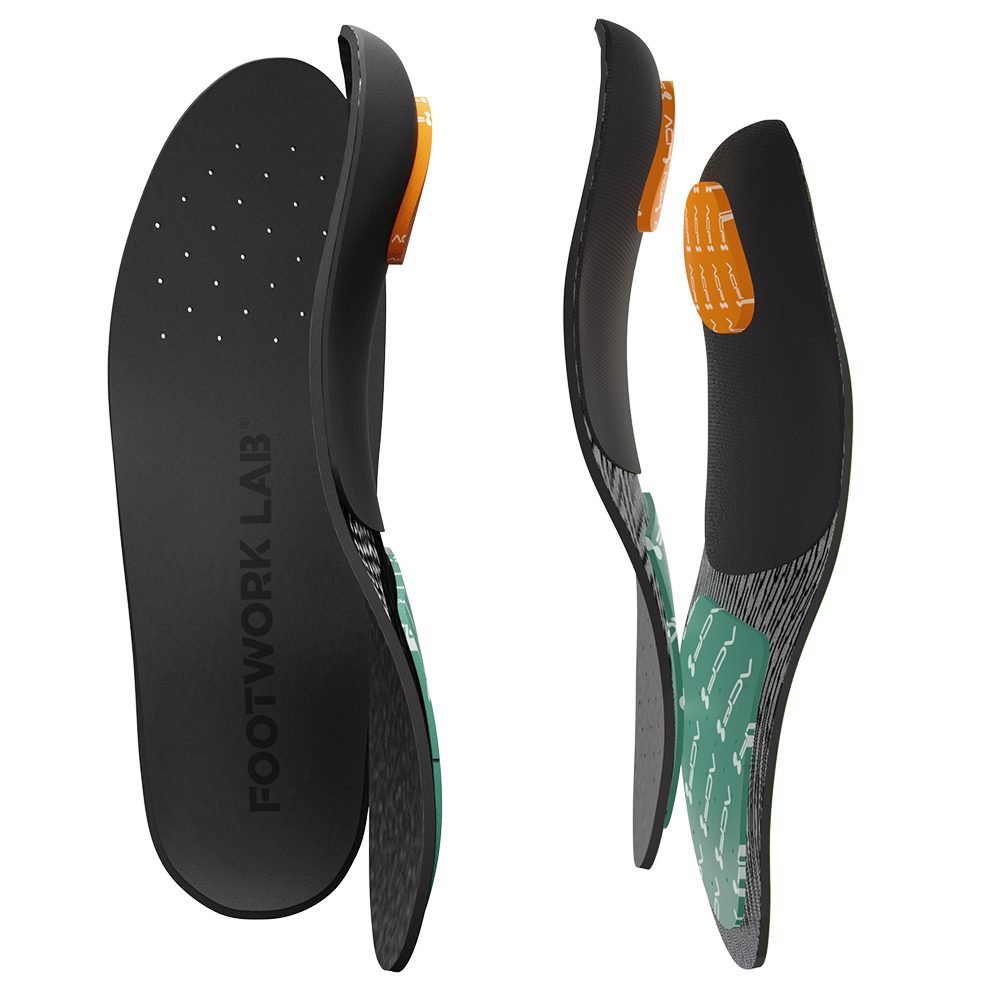
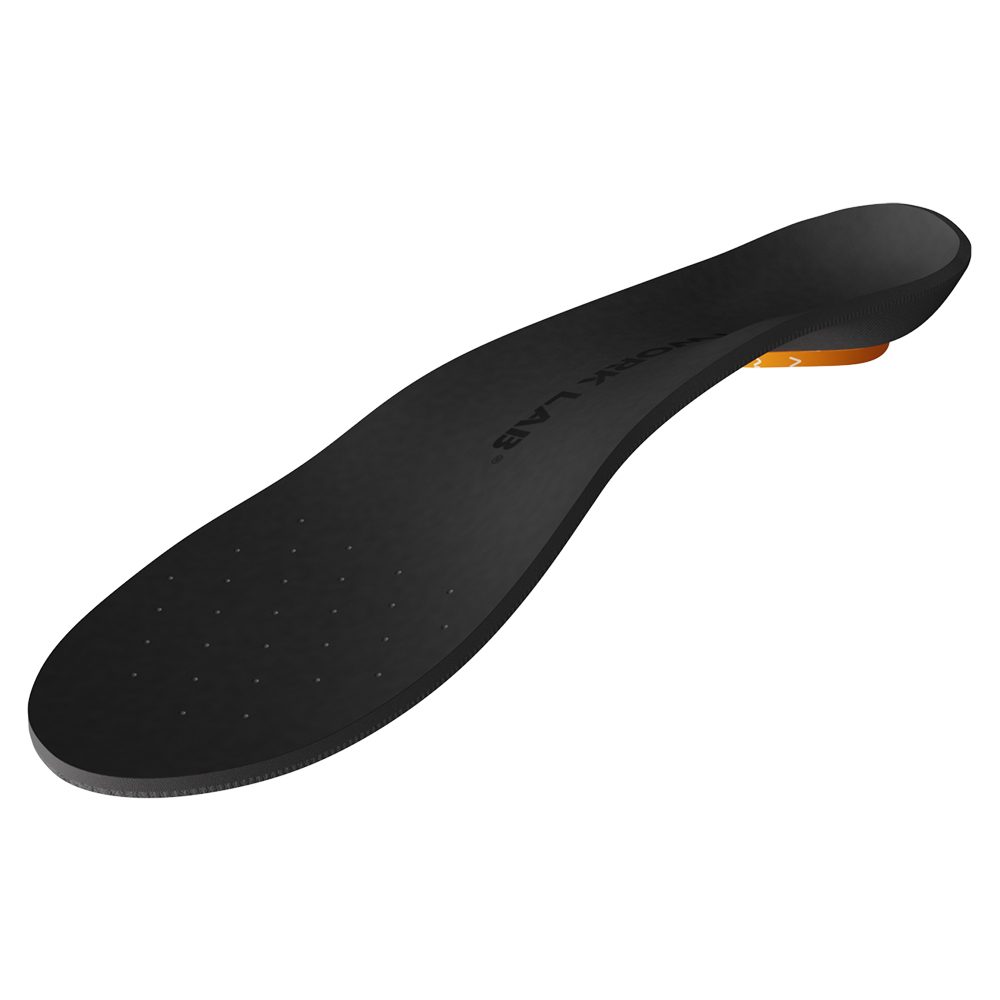
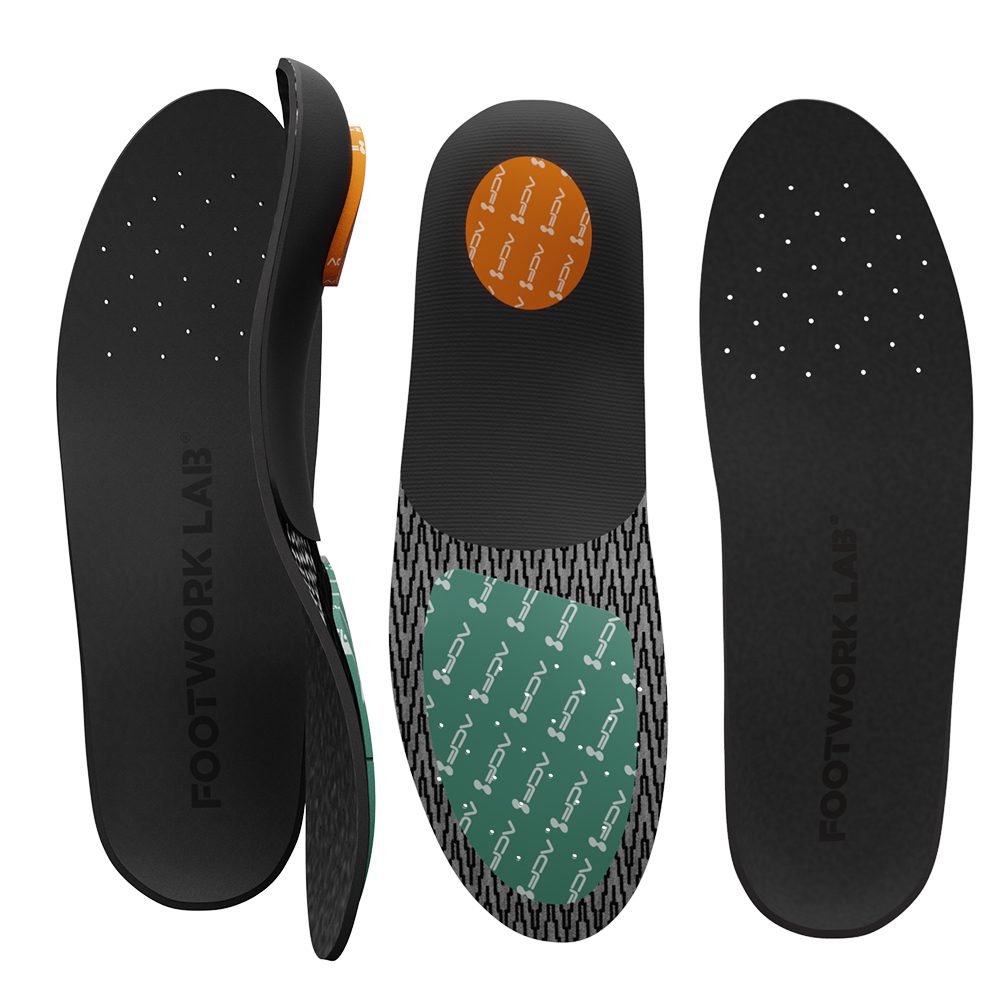
For this population the measurement earns its place in a specific way. Wedding photographers describe their feet in the language of the evening — heavy, burning, stiff — which is real but undated and unlocated. A record puts the load distribution on the same page as the history and the shoe wear, and when the concentrated zone, the complaint and the worn sole region agree, the professional has a grounded basis for the next conversation: footwear changes, work-timing adjustments, or whether custom orthotic insoles are worth trialling inside the shoes the dress code permits. When they disagree, that is the useful finding, and it redirects the effort before anyone spends on the wrong thing.
The honest limits belong in the same conversation. The record is taken barefoot, in a controlled setting, on one day; it does not simulate a lawn at ten in the morning or a marble dance floor at eleven at night, and it does not promise that any change will fix anything. It states how load distributes now, in this foot, today — the fixed point the rest of the consultation is measured against.
One more practical note for clinics that see this crowd: book the assessment between weddings, not the morning after one. The tissue story of a wedding morning is real but unrepresentative, and a record taken in the middle of a recovery week describes the arrangement the photographer actually lives with most of the time.
A trial built around a wedding calendar
Whatever the consultation produces — different working shoes, a changed arrangement inside them, timing adjustments to the day — the trial has to fit a calendar that most clients do not have: gaps between weddings measured in weeks, working days that cannot be interrupted for an experiment, and no possibility of a “shorter shift” during the test. The trial plan should be built around the next wedding date, not the next working day.
The structure that works: start any new setup on the ordinary days between weddings — the editing days, the engagement shoots, the errands — where the feet can adapt without a twelve-hour test waiting. Build exposure across the first week. Then give the new setup its first full wedding day only in the second week, and ideally a smaller wedding rather than the season’s biggest one. Photographers understand this instinctively once it is phrased their way: nobody tests a new camera body at a headline wedding, and feet deserve the same production discipline.
Keep notes the way the profession already keeps them. The morning-after pattern is the photographer’s built-in measurement instrument — where the stiffness sits, how long it lasts, which part of the day it echoes. Two weddings of notes against two weddings of notes is a comparison a professional can work with; “the new insoles felt fine” is not. Set the review around the third wedding, when the pattern has had two full repetitions to speak.
And set expectations about the first fortnight honestly. Feet that have handled wedding days one way for years do not accept a new arrangement immediately; the early sessions commonly feel different before they feel better, and a trial abandoned on the first wedding morning has tested nothing except discomfort. The photographers who already live by backup bodies and spare batteries usually grasp “test on the small job first” without any further persuasion — it is the same risk management they apply to their own kit, pointed at the one piece of equipment that has never had a backup plan.
Frequently asked questions
Why do wedding photographers’ feet complain more than other standing professions?
The day combines marathon duration with interval loading: long planted stretches, sudden movement, held crouches and kneels, backward walking on unknown surfaces, and several different floors in one shift. The transitions between stillness and movement load cold tissue repeatedly, which steady-paced standing jobs do not do.
Are dress shoes really a problem, or just part of the job?
Evening footwear tends to combine thin stiff soles, little forefoot room and smooth outsoles, which is workable for a dinner and punishing across a twelve-hour working day. The point is not abandoning the look, but knowing which part of the shoe is doing the work and which part is delegating it to the foot.
Which part of the wedding day loads the feet most?
It varies by photographer, which is exactly why the intake question matters. Commonly the reception dominates — hours of perimeter-standing and lunging on polished floors in stiff shoes — while crouch-heavy ceremony schedules point elsewhere. The morning-after stiffness usually echoes the dominant stretch.
Do soft surfaces like lawns help or hurt?
They hide their work. Uneven, give-away ground keeps the stabilising muscles of the foot and ankle working continuously, and a long group-photograph stretch on a lawn fatigues differently from the same stretch on flat stone. Photographers with heavy lawn schedules often report arch fatigue rather than distance complaints.
Do custom orthotic insoles help wedding photographers?
They are one option a qualified professional may consider once a measurement shows how load is actually distributed across the photographer’s feet. They are not a promise of anything, and the fair way to judge a pair is a proper adaptation period around the wedding calendar, with notes taken before and after.
When should the assessment be booked?
Between weddings, in a recovery week, rather than the morning after one. The tissue story of a wedding morning is real but unrepresentative, and a mid-week record describes the arrangement the photographer actually lives with most of the time.
How long should a trial with new footwear or insoles run?
Built around the wedding calendar: ordinary days first, exposure building across the first week, the first full wedding in the second week on a smaller job, and a review around the third wedding. Two weddings of morning-after notes against two previous weddings is the comparison that means something.
What we would do next
The two actions that fit a photographer’s real calendar are the intake questions and the shoe bench. Ask which moments of the day the legs notice, how clustered the bookings are, and what the mornings after a wedding feel like; then have the working shoes on the bench — both pairs, if the day has a changeover — and read them like any other piece of kit the client owns. If the pattern still points at load, an assessment between weddings gives the professional a distribution to read against the history, and the trial runs on the photographer’s own morning-after notes.
Two adjacent reads on this site: feet at the end of the day, on recording a customer after a full shift, and what the first two weeks with a new pair actually feel like, which sets honest expectations for any trial period. Both cover the same ground this article keeps returning to: read the whole working day before changing any part of it.
The question we would leave with colleagues: the photographers you see will bring every lens they own to a consultation — so how do we get the shoes that touched the ground for twelve hours onto the bench with the same routine confidence?
This article is intended for professional and educational reference. It is not medical advice. Foot assessment equipment produces measurements and images; clinical interpretation and any decision about care remain the responsibility of a qualified professional. Certification scope is limited to the documentation we hold: European Union certification and ISO quality system certification.