
A buyer in a workshop outside Jakarta holds a plaster model of a foot in one hand and a printout of a bench in the other, and asks which of the two the phrase in his search bar refers to. He has been quoted for both. The model came from a cast taken at a clinic two streets away; the bench is the thing that heats a blank and presses a contour into it. In his mind the words orthopedics template machine cover the whole of that, and in a loose sense they do, because the model is a template and the bench is a machine. But they are bought from different suppliers, stored in different rooms and fail in different ways, and a buyer who treats them as one purchase will spend his first season working out which half he actually owns. So this article separates the words: the three objects a template can be, where the template stage sits inside a production line, what the heating box and the forming pillows actually do, and the claims we decline to make about any of it.
A factory word inside a clinical search
The phrase does not come from clinical vocabulary. Nobody in a clinic room says template; they say cast, model, or the name of whatever the laboratory sends back. Template is a factory word, and it means a pattern that other things are made to match. When a buyer types it beside orthopedics and machine, he is usually describing a workshop he has seen or wants to build: somewhere a foot becomes an object, and the object becomes a pair of insoles. The search is a question about tooling, asked in the language of the finished product.
The result is a shortlist that mixes three trades. A prosthetics workshop, an insole bench and a footwear factory all use the word, and each means something different by it. One is talking about a positive model taken from a foot. One is talking about a contour pillow that shapes a blank. One is talking about a last, which is a form for building a shoe and not an insole at all. All three appear under the same phrase, with photographs that look similar to anyone who has not stood at the benches.
None of them is mislabelling. The word genuinely covers all three, in the way that the word bench covers a workbench, a bench in a park and a bench of judges. What a buyer needs is not a definition but a decision: which of the three his workflow requires, and whether the thing he is being quoted for sits upstream or downstream of the record he already keeps. That decision is easier once the objects are separated, and nearly impossible while they are still one word.
So this article separates them. It sets out the three objects, puts the template stage where it belongs inside a four-stage line, follows the consumables a bench actually runs on, and gives the throughput arithmetic we work to without pretending it is a forecast for anyone else’s business. At the end there is a short list of things we will not put in a quotation, which is the part buyers tend to read twice.
Three objects, three jobs
A positive model carries one foot. It is made from a cast, a scan file or a hand-built block, and its purpose is to reproduce a single person’s shape so that something can be formed over it. It is the most faithful of the three and the most expensive to keep: one model per foot per customer, a shelf to put it on, a naming convention that survives staff changes, and a decision about how long to hold it before it is discarded. Workshops that build individual shells live on these, and they are right to.
A forming pillow carries a family, not a person. It presents an arch profile, a heel cup depth and a forefoot attitude, and an operator heats a blank, lays it over the pillow, applies pressure and lets it set. Nothing is stored afterwards except the pillow itself. The trade is obvious: a pillow cannot reproduce an individual foot, and a workshop that needs individual reproduction will find the pillow too coarse within a week of using it.
A last carries a shoe. It is a foot form used to build footwear around, and it belongs to a different trade with a different vocabulary and a different set of sizes. Buyers occasionally arrive at an insole conversation with a last in mind because a colleague used the word loosely, and the conversation then has to be turned around before anything useful can be said. Recognising that early saves a quotation nobody needed and a meeting nobody enjoyed.
The cost of confusing them is paid later. A shop that buys a pillow bench expecting individual geometry discovers the gap at its first difficult customer, and by then the bench is installed and the floor space is committed. A workshop that buys individual positives without deciding where they will live discovers the gap in the second season, when the shelves are full and the oldest models cannot be matched to anybody. The purchase is rarely wrong; the expectation attached to it usually is.
Where the template stage sits on the line
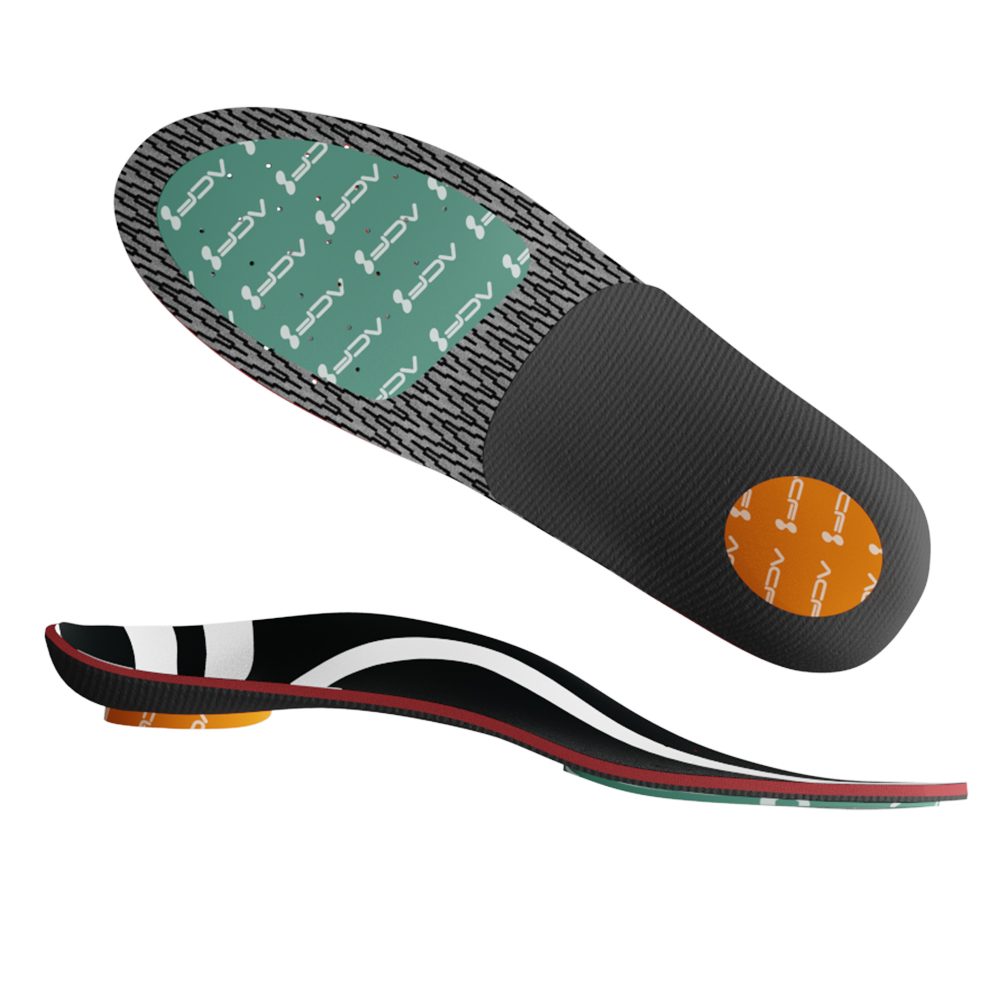
Any insole line, ours included, runs as four stages: capture, forming, finishing and inspection. The template does not sit at the start and it does not sit at the end. It sits between the first two, and its job is translation. Capture produces a record of a foot; forming needs something physical or written to form against; the template is how the first becomes the second, and everything downstream inherits whatever clarity the translation had.
That position explains most of the confusion around the phrase. A buyer who thinks of the template as the beginning will shop for a capture device and wonder why the bench still needs a specification. A buyer who thinks of it as the end will shop for a finished pair and wonder why anybody needs a bench at all. Once the stage is placed in the middle, the shopping list writes itself: something that records, something that translates, something that forms, something that checks.
The translation step is where a line is won or lost, and it is almost entirely a paperwork discipline. The record has named items; the specification states what the pair must do at the arch, the heel and the forefoot for this customer in this shoe; the bench produces to that. If the middle step is vague, the bench produces something plausible and the inspection at the end has nothing to check against. Most pairs that come back are not forming failures. They are translation failures discovered late, at a fitting where nobody can prove what was intended.
In our own arrangement the capture stage records pressure and alignment rather than the outer contour of the foot, and the specification that reaches the bench is written from those findings together with the measurements a fitter takes by hand. That is a division of labour rather than a limitation to be worked around. A pressure record says where load sits and how the foot behaves under it; a tape and a gauge say how long and how wide the foot is; the bench needs the second and benefits from the first, and neither replaces the professional judgement that decides what the pair should do.
The heating box, the pillows and the sizes
The heating box is the least interesting part of the bench and the one that decides whether the day runs. Its job is to bring a blank to a workable state evenly, so the contour takes at the arch and at the heel at the same moment. A box that heats unevenly produces pairs that look right on the bench and relax in the shoe, and the operator blames the pillow, and the pillow is innocent. Ask how the box is loaded, how many blanks go in at once, and how the operator knows a blank is ready.
Pillows come in adult and child sizes, and a range that stops at adult will lose the family trade precisely on the visits that matter. A child’s pair is not a scaled-down adult pair. The blank is thinner, the pillow is shallower and the cycle is shorter, and a bench set up only for adult work will either refuse the job or produce something a child will not tolerate for an afternoon. Buyers serving schools, sports clubs or family shops should ask about the junior sizes before they ask about anything else.
Then there are the accessories that keep the bench running: covers, spare blanks, edge tools, the small parts nobody lists in a specification until one of them is missing on a Tuesday morning. These are consumables in the plain sense. They are ordered, stored, reordered and occasionally improvised, and a bench that stops because a cover ran out has cost the shop a day of appointments over a part that costs less than the courier who brings it. Ask how they are supplied and how quickly a reorder arrives.
The honest summary is that a bench is a system of small things rather than one large one. A buyer who evaluates the press and ignores the box, the pillows and the consumables has evaluated perhaps half of what he is buying, and the other half is what he will be telephoning about in the third month. That is a duller conversation than the one about cycle time, and it is the one that predicts whether the bench earns its floor space or becomes a table with a cover over it.
Throughput arithmetic and what it refuses to promise
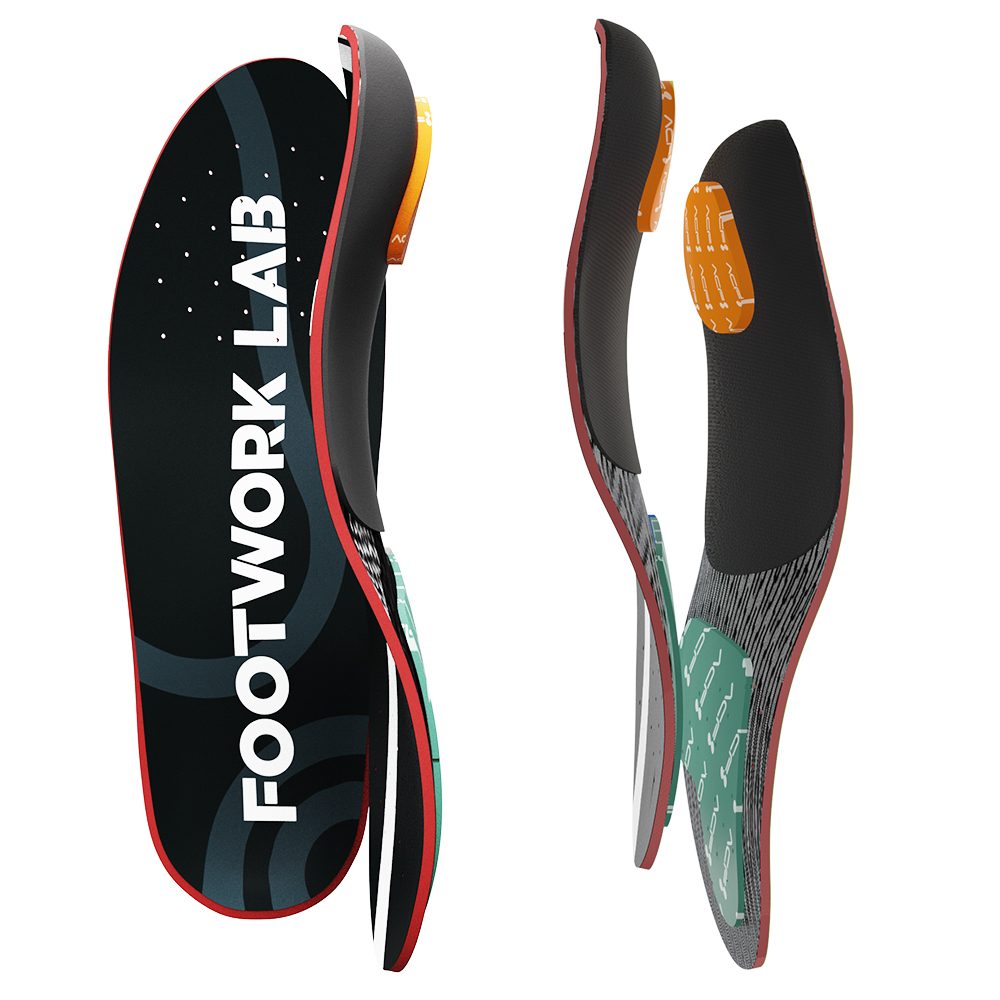
Our insole plant works at roughly five hundred to a thousand pairs on a working day, depending on the mix, the number of changeovers and how much of the run is finishing rather than forming. A machine line keeps a different rhythm, at three to five units a day, because a machine is built, wired, tested and packed rather than moulded. Those are our numbers, measured on our own floor, and they describe an operation rather than a ceiling anybody else should expect to hit.
They are not a forecast for a buyer. A shop forming a dozen pairs on a Tuesday is a service business with a bench, and its arithmetic is appointment arithmetic: how many assessments fit in a week, how many of those become orders, how long a fitting takes, how often a customer returns. Pasting a factory’s daily figure into a business plan produces a plan that assumes a queue which does not exist yet. We give our numbers so a buyer can see the shape of the operation behind the quotation, not so he can multiply them by a working year.
The order terms are equally plain. Machines start at one unit and accept ODM, with branding and configuration agreed before production rather than after. Insole orders start at two hundred pairs, mixed across styles and sizes, which is the number that makes a run worth setting up rather than a number invented to discourage small buyers. Samples of the insole range ship within three days, so a buyer can hold the construction in his hands before committing to a batch of any size.
Machine OEM is a separate conversation and is quoted as one, which is a polite way of saying it depends on what is being changed. We would rather say that at the start than discover halfway through a project that the buyer assumed a badge and a colour were the whole of it. The difference between ODM and OEM is not a technicality in a contract; it decides who owns the drawings, who signs the declaration, and who answers when a unit behaves unexpectedly in a market neither party has sold into before.
What we will not put in a quotation
We will not describe our equipment as a shape capture device, and we do not sell a scanner that turns the outside of a foot into geometry for a carving tool. The capture stage in our own line records pressure and alignment. A buyer whose workflow needs the outer contour of the foot as a file should hear that in the first message rather than the fifth, and we say it before a quotation is written, even when the honest answer sends him to a supplier we do not control.
We will not print a price in an article. A quotation depends on configuration, destination, the accessories bundled with the bench and the currency of the week, and a figure written here would be wrong by the time it was read. We also will not promise exclusivity by region. A buyer who needs territorial protection is asking for a distribution agreement, which carries obligations on both sides and is a different document from an order confirmation with a delivery date on it.
We will not claim that a bench, a pillow or a pair of insoles changes a clinical picture. The forming stage produces an object to a specification; the specification comes from a professional’s reading of a record and an examination; the outcome belongs to that professional’s plan and to the person following it. Any supplier who blurs that line is describing a claim nobody can stand behind in a clinic room, and we have watched enough of those claims fail to want one of our own in print.
What we will put in writing is structure. One unit is the minimum order for a machine. Machines accept ODM. Every unit is tested at the plant for seven days before dispatch. The warranty runs twelve months against non-human damage, with free parts. Support runs through a dedicated WhatsApp group with engineers reachable directly, remote assistance when a session goes wrong, and over-the-air updates where the unit is connected to a network. That is a shorter list than a brochure usually offers, and every line of it is something we can keep.
Frequently asked questions
Does the machine make the template, or use it?
Both exist, and they are different purchases. A bench that forms a pair uses a template, usually a pillow carrying a contour family. A separate device may produce an individual positive from a cast or a file. Ask which half a listing is describing before comparing anything else.
Is a forming pillow the same thing as a mould?
No. A pillow carries a contour family and forms a pair in minutes with nothing stored afterwards. An individual mould carries one foot’s specifics and costs time, shelf space and a naming system. The word mould is used for both, which is where most of the confusion starts.
What does the heating box actually do?
It brings a blank to a workable state evenly, so the contour takes at the arch and the heel at the same moment. Uneven heating produces pairs that look right on the bench and relax later in the shoe, which is usually blamed on the pillow rather than on the box.
Are child sizes supported?
They should be asked about explicitly. A junior pair uses a thinner blank, a shallower pillow and a shorter cycle, and a bench arranged only for adult work will either refuse the job or produce something a child will not wear. Family shops should raise it first.
How many pairs can a line produce in a day?
Our insole plant works at roughly five hundred to a thousand pairs on a working day; machine assembly runs at three to five units a day. Those describe our floor, not a buyer’s forecast, which depends on appointments, staffing and how much of the run is finishing.
What are the order terms?
Machines start at one unit and accept ODM, with seven days of testing at the plant before dispatch and a twelve-month warranty against non-human damage with free parts. Insole orders start at two hundred pairs, mixed across styles and sizes, with samples shipped within three days.
Can the capture stage record the shape of the foot?
Ours records pressure and alignment, not the outer contour. Where a workflow needs geometry for a carving step, that is a different device and we say so early. The specification that reaches the bench combines the record with measurements a fitter takes by hand.
What we would do next
Take the photograph, the mould and the quotation, put them on one page, and write beside each what it is for. Send that page through the contact page and we will say which of the three objects each line describes, where it sits in the four-stage sequence, and whether anything on the list can be left until next year without stopping the business.
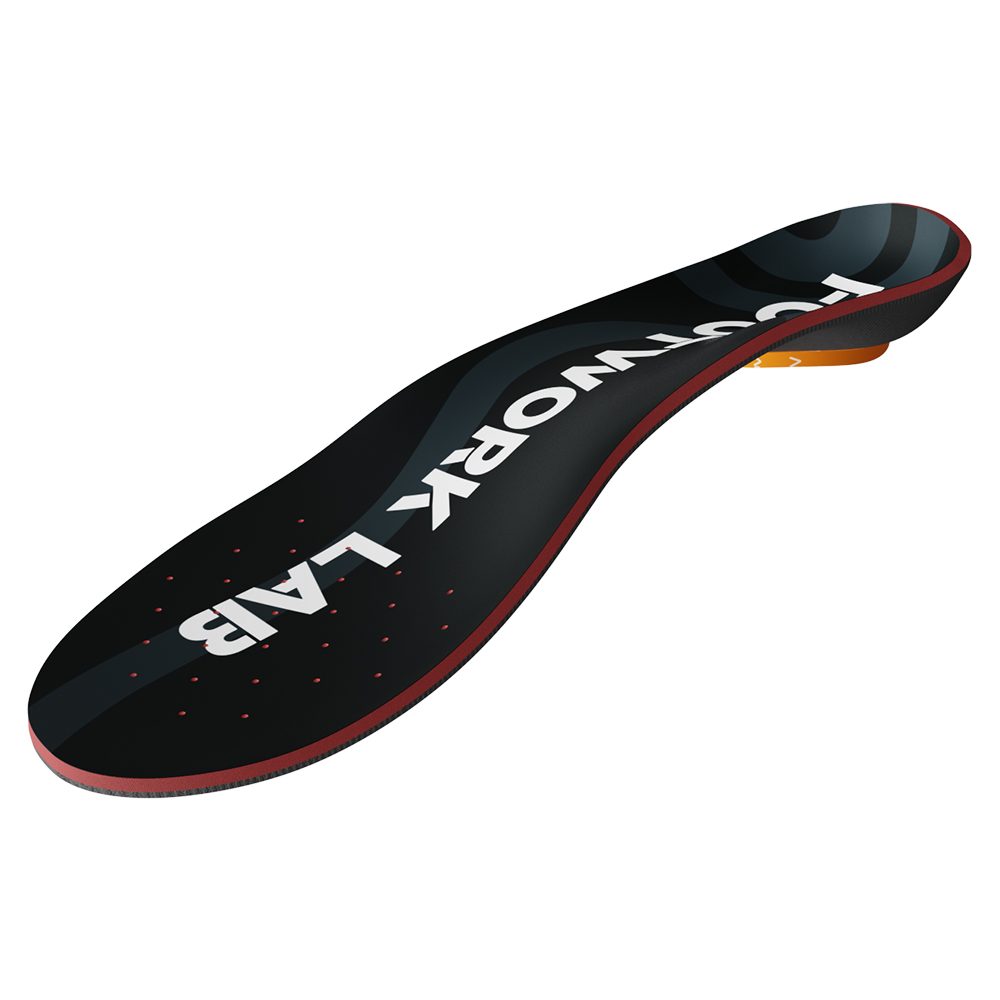
The insole range page shows what the forming side produces: three series and four gradings, which is the specification a record gets translated into. Three articles go further into the tooling question. Your first orthotic insole making machine covers the first purchase in plain terms, insole moulding machine moulds takes the pillow question apart, and a custom moulded insole begins with a mould follows the storage and naming problem that individual positives create.
This article is intended for professional and educational reference. It is not medical advice. Foot assessment equipment produces measurements and images; clinical interpretation and any decision about care remain the responsibility of a qualified professional. Certification scope is limited to the documentation we hold: European Union certification and ISO quality system certification.